What Is the Future of Retail Jobs?
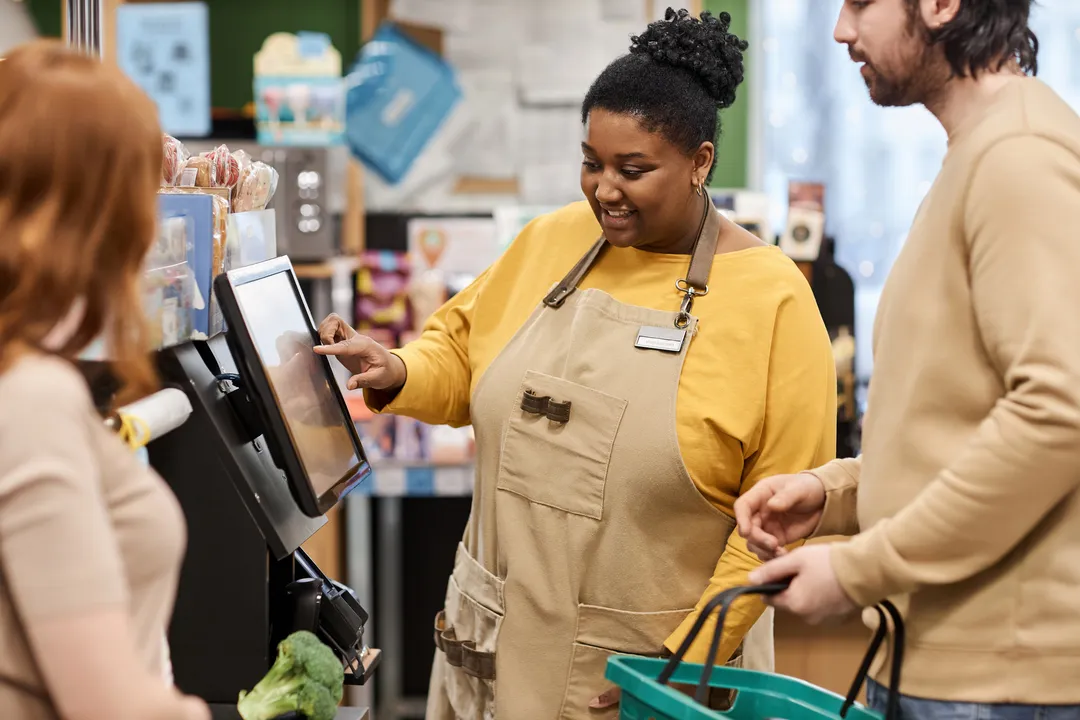
The retail landscape is undergoing a profound transformation, driven by digital innovation and changing consumer demands, which necessarily redefines the jobs within the sector. [1][2] The conversation surrounding the future of retail employment is less about a sudden disappearance of roles and more about a fundamental restructuring of what store associates and managers actually do day-to-day. [5] The shift is toward roles that emphasize complex problem-solving, personalized service, and technological fluency. [2][4]
# Automation's Reach

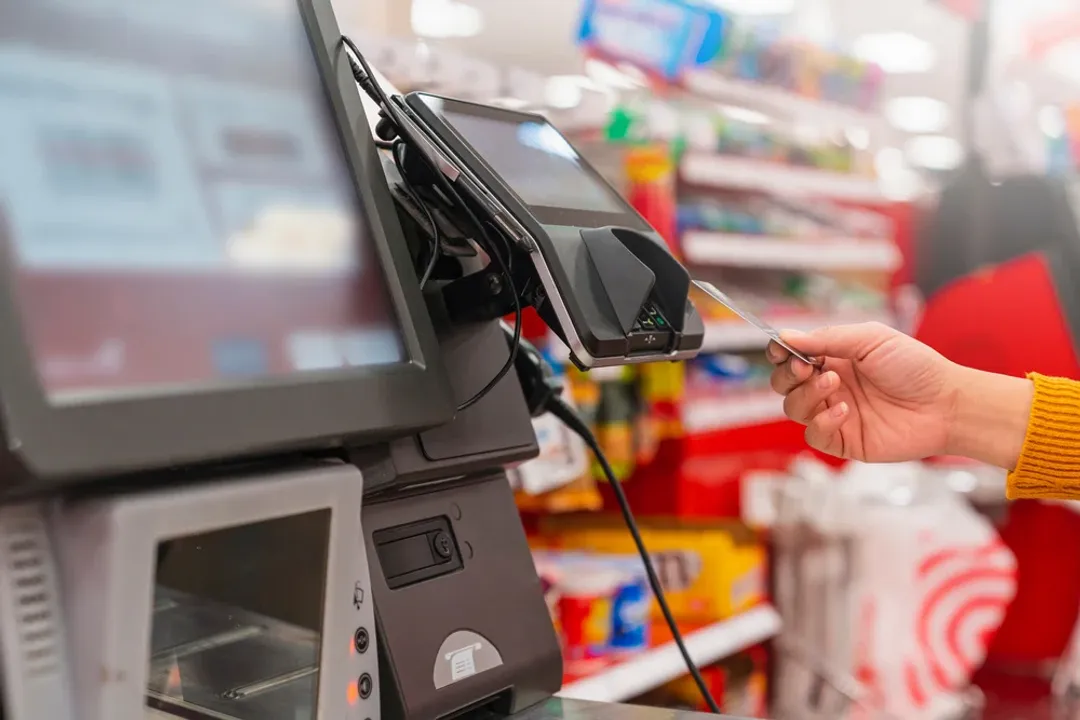
The integration of artificial intelligence and automation presents a major influence on the workforce. Estimates suggest that between 6 and 7.5 million U.S. retail jobs could face automation risk. [6] These vulnerable positions often involve routine, repetitive tasks that technology can handle more quickly and consistently. [1] Self-checkout stations and automated inventory management systems are prime examples of this shift already in action. [2]
However, the narrative of pure replacement is often too simplistic. [1] Many experts view automation as an augmentation tool, removing the mundane so that human workers can concentrate on areas where empathy and judgment are essential. [2] For instance, an associate freed from manually counting stock by an automated system can instead focus on deep clienteling or resolving a complex product inquiry. [5] The success of this transition hinges heavily on retailer strategy: are they replacing a person with a machine, or are they equipping that person with technology to become exponentially more effective? The latter approach requires simultaneous investment in both the digital tools and the human capital operating them. [1][2]
# New Skill Requirements
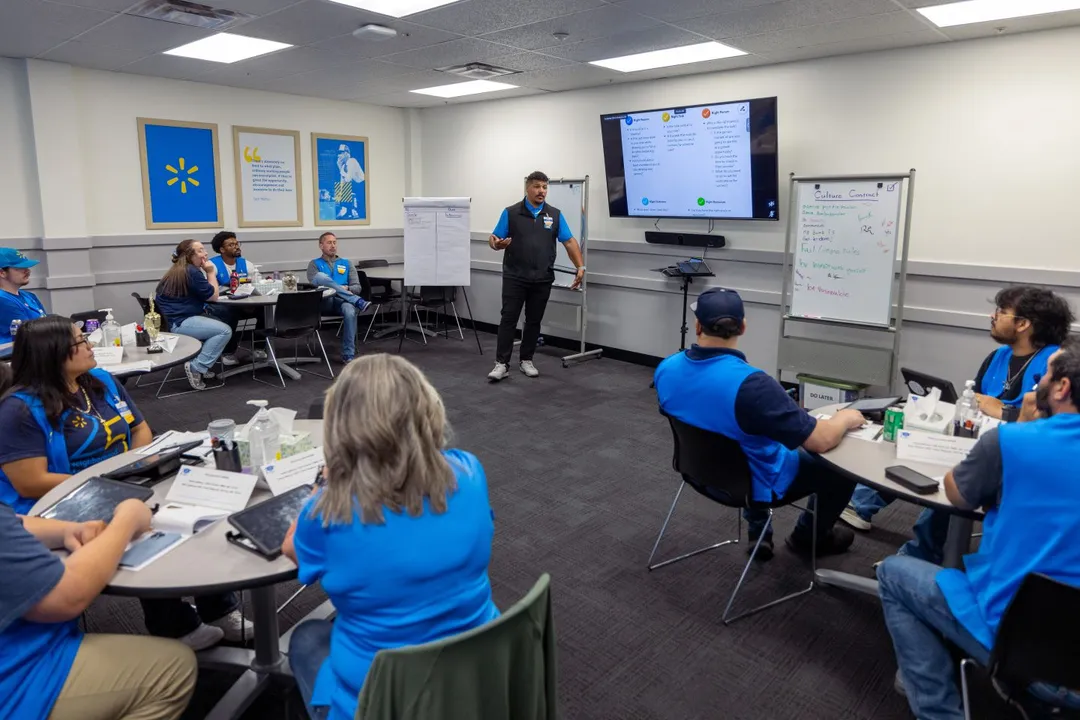
As technology handles more transactional duties, the required skill set for store associates is rapidly evolving. [2][5] Technical literacy is becoming a baseline expectation rather than a specialized bonus. [4] Associates must be comfortable interacting with and troubleshooting in-store digital tools, whether they involve augmented reality try-ons or advanced point-of-sale systems. [9]
Beyond digital aptitude, soft skills are gaining immense value. [2] Expertise in genuine customer engagement, specialized product knowledge, and effective communication distinguishes a future retail worker from an outdated one. [5] The industry is seeing a turn toward skills-first hiring, where employers prioritize demonstrable competencies over traditional educational backgrounds or previous job titles, recognizing that necessary technical skills can be taught quickly if the foundational aptitude is present. [4] This focus is essential given ongoing labor market tightness. [8]

# Store Experience
The physical store environment is transforming from a mere point of transaction into an experience center, which directly impacts the associate's function. [2][9] Stores are becoming showrooms, logistics hubs, and community spaces rolled into one. [9] This means the retail worker takes on roles akin to a brand ambassador, a specialized consultant, or an in-store fulfillment expert. [5]
Consider the shift: instead of waiting behind a register, the employee might use a mobile device to check real-time inventory across the local supply network, process an order for home delivery, or advise a customer on product longevity based on deep operational knowledge. [9] Experiential retail demands that the employee deliver value that the customer cannot easily replicate online. For example, a successful associate in a high-end electronics store doesn't just sell a gadget; they demonstrate its use case within the customer's existing home setup. [2]
# Emerging Careers
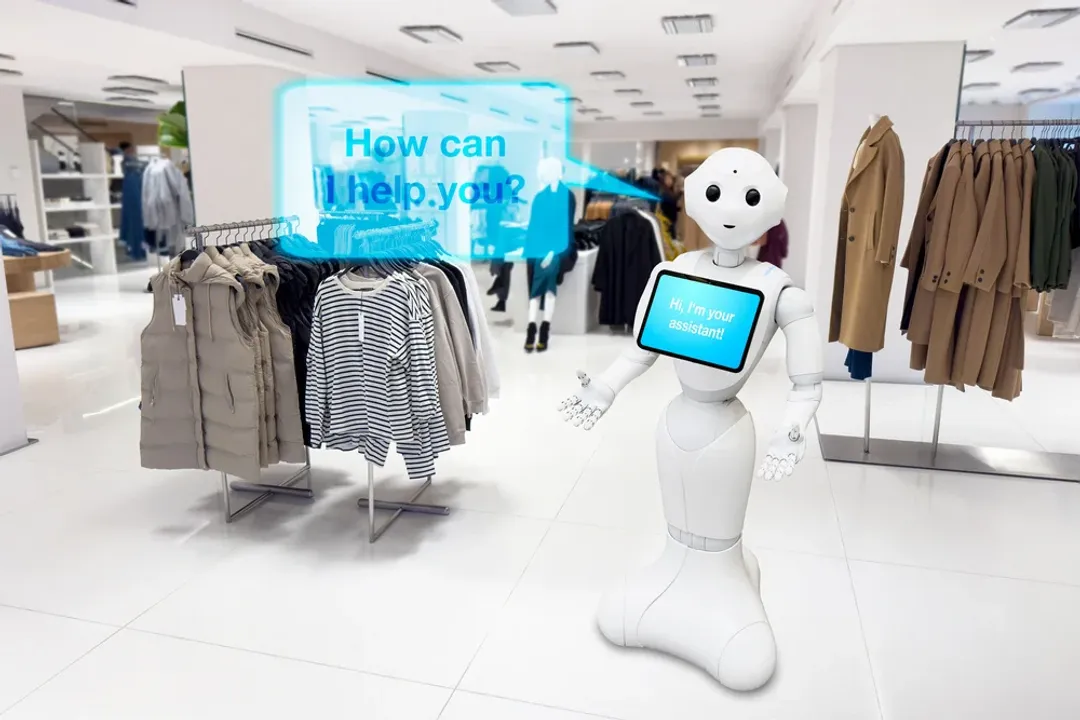
The digitization of retail creates entirely new categories of jobs that support the infrastructure of modern commerce. We see growth in roles centered around technology maintenance and data interpretation. [1][5]
| New Retail Job Category | Primary Focus | Essential Skills |
|---|---|---|
| Store Systems Technicians | Maintaining and performing minor fixes on robotics, smart shelves, and advanced POS hardware. [1][5] | Basic electronics, diagnostics, process adherence. |
| Clienteling Specialists | Utilizing CRM data to build deep, personalized relationships with repeat customers both in-store and digitally. [9] | Data analysis interpretation, advanced salesmanship, empathy. |
| Local Logistics Coordinators | Managing the flow of goods between the store floor, local fulfillment centers, and customer homes (Buy Online, Pick Up In Store, etc.). [10] | Inventory management, scheduling efficiency, problem resolution. |
| Omnichannel Educators | Training existing staff on new software updates and ensuring operational consistency across digital and physical touchpoints. [4] | Training methods, subject matter expertise, patience. |
For current or aspiring retail managers, a practical step for future-proofing their teams involves prioritizing internal cross-training programs focused specifically on the POS/inventory software and basic diagnostic troubleshooting. This builds internal resilience, reduces reliance on external IT support for minor hiccups, and upskills the existing team into hybrid technical/service roles, making them far more valuable than associates skilled only in traditional tasks. [2][4]

# Workforce Challenges
The retail sector has long struggled with retention and creating clear career pathways, issues that are now compounded by technological uncertainty. [8] The existing challenge of attracting and keeping talent is exacerbated when workers perceive their roles as easily replaceable by a machine. [8] To counter this, employers must look beyond simply increasing wages. Creating an environment where workers feel valued for their evolving skill sets and see a route for advancement—perhaps into those emerging technical or specialized advisory roles—is critical for stabilizing the workforce. [8]
The shift toward skills-first hiring, as noted earlier, is an attempt to broaden the talent pool for these new requirements. [4] By focusing on measurable skills rather than just historical job descriptions, retailers can potentially fill high-tech roles faster than traditional hiring models allow. [4] This approach acknowledges that retail provides unique, real-world training in customer interaction and fast-paced problem-solving that is highly transferable to other industries or more complex in-store functions. [5][10] The future of retail jobs isn't a fixed destination; it's a constant negotiation between what technology can do and what human workers must do to create compelling value for the shopper. [9]
Related Questions
#Citations
AI Alert: The Retail Workforce Is About to Change - The Robin Report
What does the future of work look like for store associates? - Zaptic
5 Trends Reshaping Retail Hiring | Challenger, Gray & Christmas, Inc.
NRF | AI, skills-first hiring and the next era of retail jobs
The Future for the Retail Worker - Monster Jobs
6 to 7.5 Million U.S. Retail Jobs At Risk Due To Automation
The Future of Retail Careers - Newcastle Systems
Building a Retail Workforce for an Uncertain Future - SHRM
The Evolution of Job Roles in Retail - how AI is changing, not ...
2025 US Retail Industry Outlook | Deloitte Insights