What Retail Jobs Are Stressful?

The retail floor, often viewed from the outside as a relatively straightforward job involving sales and stocking, frequently hides a significant layer of psychological strain. For many employees, the day-to-day reality involves navigating intense public interaction, rigid performance targets, and fluctuating operational demands, quickly placing many retail positions among the most taxing careers available. [2][9] Understanding what specifically makes these roles so stressful requires looking past the surface appearance of customer service and digging into systemic pressures and common workplace friction points reported by those who work within the industry. [1][3]
# Industry Standing

It is not just anecdotal feeling; aggregated data frequently flags the retail sector as an environment where stress levels run notably high. For instance, reports tracking industry stress levels have placed retail near the top of lists detailing the most challenging sectors in the United States. [2] This high ranking suggests that the combination of factors inherent to the business model—not just isolated bad days—contributes to chronic workplace pressure. [5] Many entry-level roles that involve customer interaction are specifically cited as highly stressful due to the immediate demands placed upon the worker from the moment they clock in. [9] This general industry positioning sets the baseline expectation that the environment itself is often challenging, regardless of the specific store or management team. [2]
# Customer Friction
A primary and universally cited source of stress in retail stems from direct, constant interaction with the public. When workers are on the sales floor, they become the immediate face of the brand, absorbing customer frustrations related to pricing, inventory shortages, policy disagreements, or simply a bad day the customer is having. [3] This constant need to manage external emotions while suppressing one's own is emotionally draining, a phenomenon often referred to as emotional labor. [5] Anecdotal accounts detail the sheer exhaustion derived from dealing with difficult customers, especially when management fails to step in or support the frontline employee during a conflict. [1][3] One common sentiment shared across platforms where retail workers discuss their jobs is the feeling of being unprotected when a customer becomes abusive or unreasonable. [3]
Furthermore, the expectation of always being available and pleasant is a significant stressor. If a customer issue escalates, the employee is often held responsible for de-escalating the situation, even if the initial problem was outside their control, such as a product recall or an expired coupon. [5] This pressure is amplified because the review process, whether through direct feedback or online ratings, often hinges on these stressful interactions. [8]
# Operational Strain
While customer interactions dominate the immediate stress profile, structural and operational demands create a deep, underlying tension that contributes heavily to burnout. [6] These issues often relate to staffing, scheduling, and performance targets.
# Staffing and Scheduling
One of the most frequently cited complaints involves chronic understaffing. When there are not enough people scheduled to cover the necessary tasks—stocking, cleaning, receiving shipments, and servicing customers—the existing staff must absorb the extra workload, leading to rushed, incomplete work and personal fatigue. [1][5] For new employees especially, being thrown into a short-staffed environment can feel immediately overwhelming, leading to feelings of inadequacy or failure early in the role. [1]
In addition to being understaffed, retail scheduling itself is often a source of personal stress. The reliance on split shifts, closing duties followed by early openings, and unpredictable hours make maintaining a stable personal life—including sleep patterns, childcare arrangements, or second job coordination—extremely difficult. [3]
# Performance Metrics
Many retail environments operate under intense scrutiny regarding key performance indicators (KPIs). These metrics are often tied directly to individual or team success, adding a layer of quantitative pressure atop the qualitative demands of customer service. [8]
This pressure can manifest in various ways, such as demanding high rates of credit card applications, attachment sales (add-ons), or specific conversion rates. [8] If targets are missed, the consequences can range from unwelcome coaching sessions to affecting bonus eligibility or job security, creating a constant sense of impending failure. [1]
To visualize how these pressure points interact, consider the differentiation between immediate, reactive stress and systemic, structural stress:
| Stress Category | Primary Driver | Impact Example |
|---|---|---|
| Reactive (Front Line) | Unpredictable Customer Behavior | Immediate anxiety spike during an escalated complaint [3] |
| Structural (Back End) | Unrealistic Scheduling/Metrics | Chronic fatigue and difficulty planning life outside work [5][6] |
It is often the combination of these two categories—dealing with a difficult customer while simultaneously knowing you must complete a massive shipment before your shift ends—that drives the most severe stress response. [1]
# Managerial Burden
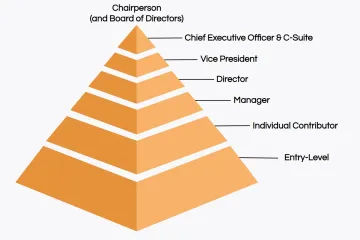
Stress does not cease at the supervisory level; in fact, retail managers often experience an intensification of existing pressures while taking on new responsibilities related to personnel management and corporate compliance. [7] High-performing retail managers are frequently cited as burning out due to the dual mandate of meeting demanding sales goals and managing the daily human resource issues that arise from an often high-turnover, high-stress environment. [7]
Managers often have to enforce unpopular policies (like restrictive break times or mandated upselling goals) which strains their relationship with their subordinates, while simultaneously having to absorb the stress transmitted downward from corporate leadership. [7] They are caught in the middle, feeling responsible for team morale, individual employee performance, and the physical cleanliness and organization of the store, all while adhering to tight payroll budgets that prevent them from hiring adequate support staff. [7] The sheer weight of accountability without commensurate authority or support can make the manager role significantly more stressful than the associate role, even if the associate deals with more direct customer conflict. [7]

# Mental Health and Burnout
Sustained exposure to the combination of high customer demands, understaffing, and metric pressure inevitably leads toward burnout, which is more than just being tired—it’s a state of emotional, physical, and mental exhaustion caused by prolonged or excessive stress. [6] For retail employees, the constant need to maintain a positive demeanor, even when exhausted or emotionally drained, accelerates this process. [5]
Burnout in retail manifests not only as reduced job satisfaction but can also lead to physical health issues and increased absenteeism. [6] The challenge for the industry is that the very nature of the job—requiring continuous positive engagement—runs counter to the recovery process needed to combat exhaustion. [5]
One way employees attempt to cope is by mentally disengaging when off the clock, but the unpredictable scheduling makes this difficult, constantly pulling them back into work mode unexpectedly. [1]
# Navigating the Pressure Cooker
Recognizing the inherent stressors is the first step, but surviving and thriving in retail requires intentional strategies to manage the pressure points. Since external variables like corporate policy or customer disposition are largely outside an individual employee's control, the most effective coping mechanisms focus on personal boundaries and in-the-moment tactics.
Instead of waiting for a full recovery day, which might be hard to schedule with erratic hours, a structured micro-break strategy can be surprisingly effective for processing acute stress during a shift. For example, instead of passively scrolling a phone during a legitimate break, designate three specific 5-minute intervals during your shift—one before lunch, one mid-afternoon, and one just before a major task like closing duties—where you completely step away from the floor, perhaps to the break room or even just a quiet corner of the stockroom, with the sole goal of regulating breathing for 180 seconds before tackling the next challenge. This proactive structuring of mental recovery prevents small stressors from compounding into an unmanageable wave by the end of the day. [6]
Another approach involves reframing the inevitable negative customer interactions. Since you cannot control the customer's mood, focus only on the process of the transaction or interaction. If a customer is yelling about a return policy, your internal goal shifts from "Make this customer happy" to "Execute Policy Step A, then B, then C, and conclude the interaction professionally." This subtle mental shift—focusing on procedural execution rather than emotional outcome—can create a necessary psychological buffer against personalizing the negativity. [3] It acknowledges the high-stakes emotional labor required while giving the employee a small domain of control back: their own adherence to a defined, repeatable process.
Ultimately, the retail environment is stressful because it forces employees to manage the expectations of the public, the demands of corporate metrics, and the inadequacies of scheduling, all while maintaining a facade of cheerfulness. [5][7] While many jobs carry one or two of these burdens, retail often stacks them all into a single eight-hour shift. [2] Addressing this reality requires both systemic change from employers and self-protective boundaries from employees to ensure long-term well-being on the floor. [6]
Related Questions
#Citations
My new retail job is causing me stress and driving me to ... - Reddit
Retail cracks list of 10 most stressful industries in the US
What is/was the most stressful job in retail? Why? - Quora
Experiences working in retail jobs - Facebook
The mental health impact of working in retail - Talkspace for Business
How to Spot, Prevent, & Manage Retail Worker Burnout
High-performing Retail Managers are burning out. | Tom Harris
Do You Have One of the Most Stressful Jobs? - Street Fight
The most stressful entry level jobs - Drafted