What Retail Jobs Are in Demand?

The retail sector remains a massive employer, constantly cycling through staff and adapting to new consumer behaviors, which naturally creates consistent demand across various roles. Even as technology changes how people shop, the need for people to manage physical stores, handle logistics, serve customers, and oversee operations keeps the hiring pipeline full. [7][8] Understanding which positions are currently seeing the most openings—whether due to high turnover, industry expansion, or specialized skill needs—can direct job seekers toward the most fruitful opportunities in this dynamic field. [9]
# Common Positions

The bedrock of nearly every retail operation is the general sales associate or customer service representative. These positions are almost always in high demand because they represent the front line of the business and often experience the highest rates of turnover. [7][9] Retail sales workers, as broadly defined, involve assisting customers, stocking shelves, operating cash registers, and maintaining store appearance. [7] In many large chains, these roles might be broken down further into specialized areas like cashiers, stock associates, or fitting room attendants, but the underlying need for general staffing remains constant across the board. [8]
If you look at high-volume retailers, the sheer number of these entry-level and mid-level positions far outstrips other roles simply due to scale. For instance, a large department store or big-box retailer needs dozens of associates just to keep the floor running smoothly during peak hours. [8] This demand isn't just about replacement; it’s also about expansion, as new stores open or existing ones increase their service offerings, particularly in areas like online order fulfillment. [8]
For someone entering the workforce or looking for flexible hours, these high-volume roles offer accessibility. Many entry-level retail positions do not require extensive prior experience, often providing on-the-job training. [9] The expectation is usually strong customer service skills, reliability, and a willingness to learn the specific inventory and point-of-sale systems.
# Leadership Needs

While sales associates fill the floor, the demand for managers and supervisors is less about volume and more about operational necessity. Store managers, assistant managers, and department heads are critical to ensuring that the high-volume associate roles function effectively. [5] These roles are demanding, often requiring a blend of administrative skill, team leadership, and deep product knowledge. [2] When a store seeks a manager, they are looking for someone who can handle scheduling, loss prevention, inventory management, and direct coaching for their teams. [5]
The demand for this management layer is particularly evident when looking at the higher earning potential associated with these roles. [2] People in these positions are often salaried, which reflects the extended hours and accountability they carry. They represent the necessary infrastructure above the sales floor, and finding qualified individuals who can step into these shoes is a consistent challenge for multi-location retail chains. [5]
A key trend observed in the management track is the necessity for experience in omnichannel operations. A store manager today doesn't just manage bricks and mortar; they must also oversee the integration of online ordering, in-store pickup (BOPIS), and local inventory accuracy. [8] Retailers are actively seeking leaders who understand both the physical and digital aspects of modern commerce, making experienced store management roles highly sought after.

# Specialized Skills Growth
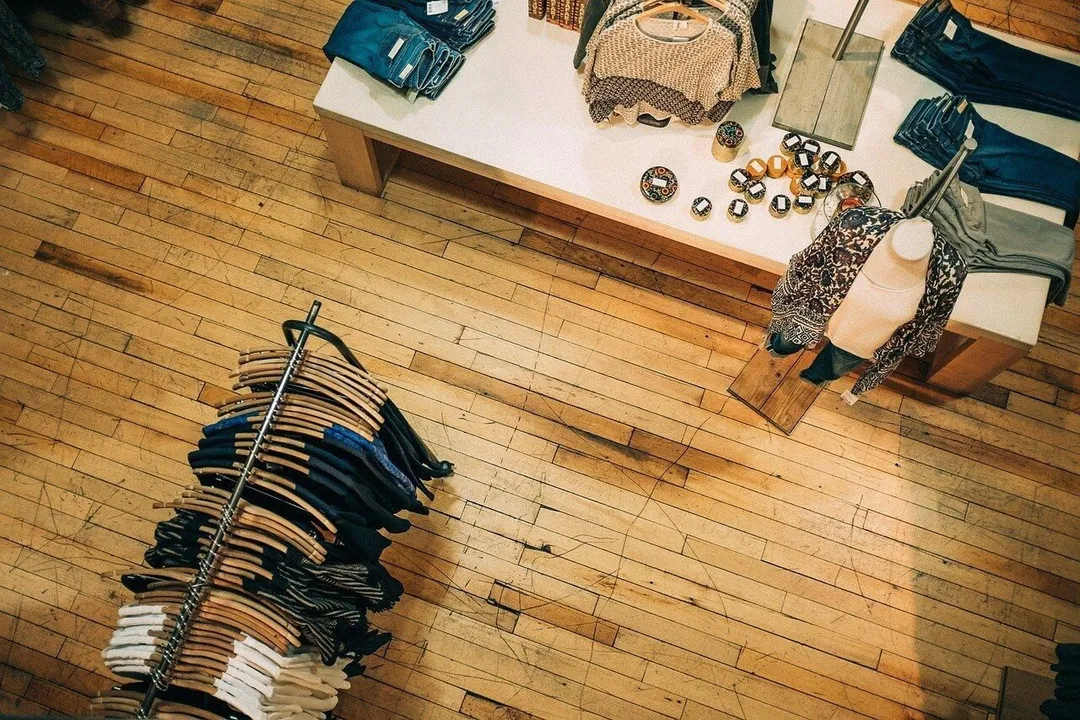
Beyond the traditional sales floor and management structure, current demand heavily favors roles that support the complex backend of modern retail. This often translates into high needs for roles focused on inventory, merchandising, and supply chain logistics, especially within the store itself. [8]
Consider the role of an Inventory Specialist or Stockroom Manager. With increasing complexity in product variety and the pressure to fulfill online orders instantly, the accuracy of stock counts and efficient movement of goods within the store has become paramount. [8] These roles require a detail-oriented mindset, often involving familiarity with sophisticated inventory tracking software, which sets them apart from general floor staff.
Another area seeing increased demand, particularly in larger or specialized retail environments, is Visual Merchandising. While sometimes an external team handles major floor sets, the day-to-day maintenance, small display changes, and ensuring brand consistency on the floor often falls to dedicated merchandising staff. [8] This requires an eye for aesthetics combined with an understanding of sales psychology—what draws a customer's eye and encourages them to purchase.
If we look at the highest paying retail jobs overall, many are specialized roles that sit adjacent to, or slightly above, the standard store structure. These can include District Managers, Loss Prevention Specialists, or E-commerce Coordinators who interface directly with the store level. [2][5][10] These positions command higher salaries because the skills required are more niche, and the potential impact on a retailer's bottom line (through margin protection or online sales growth) is significant. [5]
An interesting dynamic arises when comparing the frequency of openings versus the skill required. While a Retail Sales Worker might have hundreds of listings in a given region simply because the need is constant, a District Manager role might only have a handful of openings, yet each one represents a significant, high-value career opportunity. [1][3][6] A job seeker should weigh the volume of openings against the required commitment and compensation structure when deciding where to focus their application efforts.
# Geographic Demand Snapshot
To get a concrete idea of current demand, it's helpful to look at active postings in specific markets. Analyzing job board aggregators for a mid-sized metropolitan area like Santa Clarita, California, provides a snapshot of immediate needs. [1][3][6] These local results consistently show a high volume of listings for positions like Sales Associate, Stock Associate, and Cashier across various large chains. [6]
For example, examining job boards in that specific area reveals consistent needs from major employers in standard retail categories, alongside needs for specialized roles such as Delivery Drivers or Warehouse Support associated with "Buy Online, Pick Up In Store" (BOPIS) fulfillment. [1][3] This local data underscores the blending of physical sales and logistics that defines modern retail staffing requirements. [8] The demand isn't just for someone to stand at the register; it's for someone who can efficiently pick an item from the back room or floor for an online order.
When evaluating job search results across a specific area, you’ll often notice that certain employers dominate the listings. This isn't always an indication that they are the best places to work, but rather that their turnover rate is higher, or their operational footprint is significantly larger than smaller specialty boutiques. [4] While large chains offer volume and structured advancement, smaller specialty shops—which might be recommended by current retail workers seeking a different environment—often prioritize experience in their niche product category, like electronics or high-end apparel, over sheer volume of applicants. [4]
| Role Category | Typical Demand Driver | Key Skill Set Needed | Relative Pay Potential |
|---|---|---|---|
| Sales Associate/Cashier | High Volume/Turnover | Customer Service, Speed | Lower/Hourly [2] |
| Stock/Inventory | E-commerce Fulfillment | Organization, Software Use | Moderate/Hourly [5] |
| Store Manager | Operational Oversight | Leadership, P&L Knowledge | Higher/Salary [10] |
| Loss Prevention | Margin Protection | Investigative Skills, Policy Enforcement | Higher/Salary [2] |

# The Pay Scale Contrast
It is important to distinguish between what jobs are in demand (highest quantity of openings) and what jobs are the highest paying. [2][5] Often, the two lists do not perfectly overlap. The highest paying roles, such as Regional Director or Director of Supply Chain, require years of specialized experience and are not typically advertised on general retail job boards. [5][10]
However, within the scope of roles typically found within a standard retail hierarchy, the highest compensation usually goes to those who manage the P&L (Profit and Loss) or are responsible for asset protection. [2][10] These roles move away from direct selling and toward business management and security. For instance, a Loss Prevention Manager is highly valued because their effectiveness directly translates into reduced shrink—saving the company money that an associate might generate through sales. [2]
For those starting out, the path to higher pay isn't always about jumping to a new company; it’s about mastering the intermediate roles that bridge the gap between the floor and management. Gaining proficiency in inventory software, scheduling tools, or employee training documentation allows an associate to step into supervisory roles more easily, boosting their earning potential significantly without leaving the retail environment altogether. [9]
One area where demand and pay align reasonably well is in specialized technical support roles embedded within large retailers, such as in-store IT support or advanced point-of-sale system administrators. These positions require technical aptitude often learned outside of traditional retail training, making the supply lower and the compensation naturally higher to attract qualified individuals who can keep the critical sales infrastructure running. [8]
# Actionable Career Tips
For individuals looking to maximize their chances in the in-demand retail landscape, focusing on transferable skills is key, especially when aiming for roles that offer better stability and pay than entry-level floor work. Retail environments reward people who can demonstrate ownership over their tasks. If you are an associate, volunteer to take the lead on setting up a new promotional display or mastering the complexities of the inventory management system used for online order picking. This visible demonstration of proactivity is often what managers look for when filling mid-level roles. [9]
Furthermore, the ability to articulate the value of soft skills using concrete examples sets a candidate apart. Instead of just stating you have "good communication skills," recount a specific time you diffused an angry customer situation or successfully trained a new hire on a complex procedure. This speaks directly to Experience and Expertise, qualities that hiring managers in leadership positions desperately seek and are willing to pay more for. [5] This applies even when moving between different types of retail; a candidate who can show they successfully managed cash handling procedures in a fast-food environment can successfully argue that those skills are directly applicable to accurate till balancing in a bookstore, provided they frame the context correctly.
The retail ecosystem is fundamentally built on human interaction and logistical precision. While the specific roles shift with technology, the core demand will always center on those who can effectively manage the product, manage the process, and manage the people who serve the customer. [7][8]
Related Questions
#Citations
$14-$33/hr Highest Retail Jobs in Santa Clarita, CA - ZipRecruiter
20 Of The Highest Paying Retail Jobs [2026] - CareerCloud
Retail Jobs, Employment in Santa Clarita, CA - Indeed
What other retail places would y'all recommend working at? : r/Target
Top 10 Highest Paying Retail Jobs 2025 (Inc Salaries)
Retail Sales Workers : Occupational Outlook Handbook
15 Common Retail Job Titles & Positions For Your Store (2026)
Top 10 retail jobs and who's Hiring - Handshake
Highest Paying Retail Jobs: Your Path to Six-Figure Success in 2025