What Is the Future of Hospitality Jobs?

The hospitality industry stands at an exciting, yet demanding, intersection where technological acceleration collides with fundamental shifts in what employees and guests value. The future of the jobs within this sector is less about wholesale replacement and more about a profound evolution of roles, driven by the need to balance automation efficiencies with an undeniable demand for authentic human connection. We are seeing the emergence of new career paths while established positions require a completely different skillset than just a few years ago. For those planning a career in hotels, restaurants, or travel, understanding these undercurrents—from data integration to demands for work-life balance—is the first step toward building a future-proof profession.
# Tech Shift
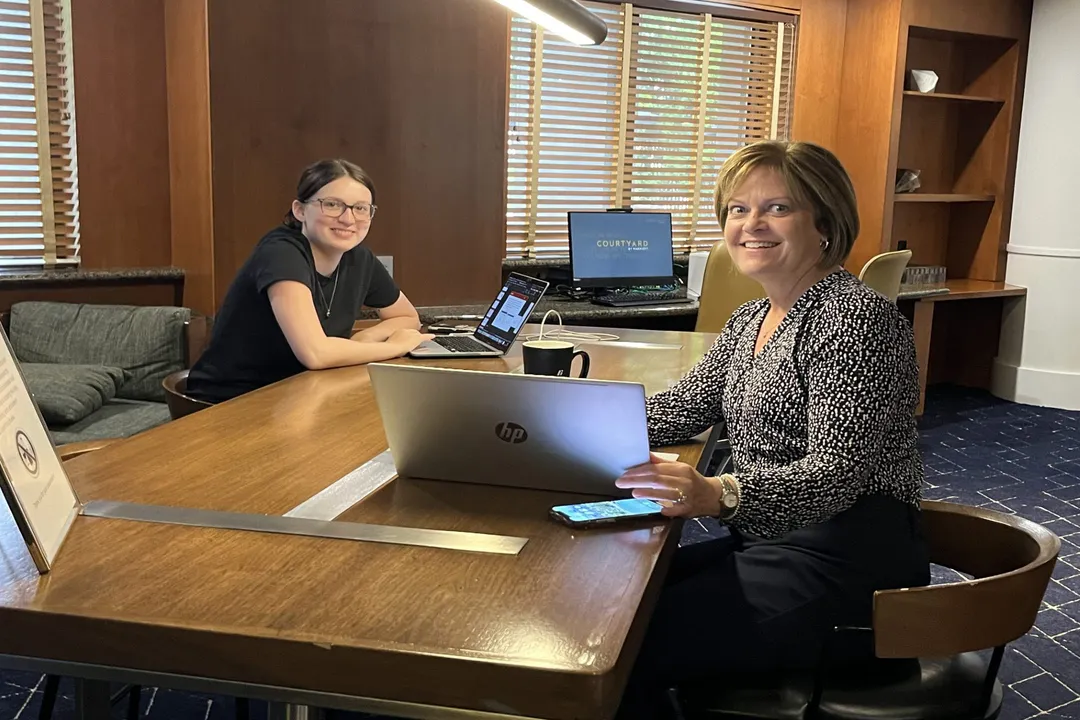
The integration of technology is rapidly reshaping operations, moving beyond simple point solutions to systems that aim for organizational coherence. Artificial intelligence and automation are becoming standard tools, streamlining many routine and administrative tasks across the employee lifecycle, from initial onboarding to daily workflow management. In fact, half of all hospitality and travel operators are expected to fully automate key tasks such as staff communications and room optimization by 2026. This applies to guest-facing services as well, with AI-powered chatbots managing inquiries and smart room controls enhancing the stay.
However, the immediate challenge for many organizations isn't the technology itself, but how disparate systems communicate. Forty-seven percent of hospitality leaders cite the inability to utilize data from across siloed systems as their biggest barrier to creating seamless guest experiences. When systems are fragmented, decision-making becomes reactive, particularly concerning staffing and inventory, leading to inefficiencies like housekeeping schedules not matching real-time check-in data. This lack of coherence makes innovation difficult, whether it's launching loyalty programs or refining service models.
A crucial, often overlooked, step for employers is achieving Digital Integration ROI Check: before adopting the next specialized tool, leaders must audit their current stack to prioritize platforms that consolidate data, breaking down the silos identified by nearly half of executives. Simply adopting more technology without centralizing the resulting intelligence means technology becomes part of the fragmentation problem, not the solution to operational agility.
For frontline workers, this technological wave promises less time spent on paperwork and more on direct guest engagement, provided they are trained to use the new instruments effectively. The expectation is that AI will handle repetitive tasks, allowing human staff to concentrate on strategic thinking, high-value service, and complex decision-making—the aspects guests value most.
# Talent Crunch

While the industry is experiencing overall employment growth, certain segments, particularly Accommodation and Food Services, are still lagging behind pre-pandemic job levels. Hospitality operators are navigating a strained labor market characterized by persistent understaffing, escalating labor costs, and a high rate of employee turnover, which has been reported as significantly above the national average. Hotels, in particular, report high rates of understaffing, sometimes to a degree that threatens continued operation.
This challenge is multi-faceted. Rising inflation and global uncertainty are putting pressure on margins, forcing operators to find smarter ways to manage costs beyond simple cuts. While wages in the leisure and hospitality sector have increased, these compensation shifts drive significant cost burdens. Furthermore, the perception of hospitality jobs as high-stress roles with inconsistent schedules and low flexibility contributes to employees leaving the sector.
A notable comparison exists between sectors: while the overall leisure and hospitality super sector has surpassed pre-pandemic employment, Arts, Entertainment, and Recreation has seen substantial job gains, whereas Accommodation and Food Services still shows a net loss compared to early 2020 levels. This suggests that while demand for experiences may be strong, the structure of staffing models in hotels and restaurants is undergoing deeper, perhaps permanent, changes due to efficiency gains made during previous disruptions.

# Skills Hybrid
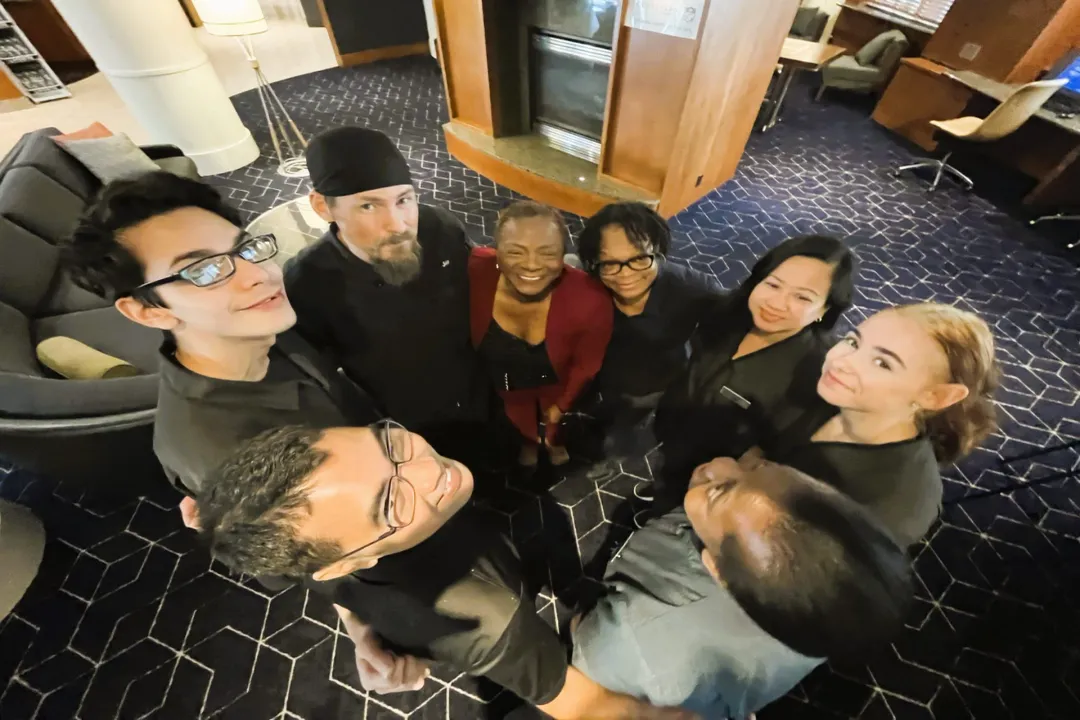
The evolving nature of hospitality means the essential skillset for success is transforming from singular focus to Skills Hybrid proficiency. Gone are the days when mastery of a single operational function was sufficient; today’s hospitality professional must blend traditional service excellence with digital literacy and broader operational awareness.
For management roles, this means incorporating data analysis for revenue forecasting and understanding eco-friendly practices to align with growing guest consciousness. A Revenue Management Analyst, for instance, needs advanced tools expertise alongside deep market intuition. Similarly, frontline roles require a wider scope. Workers need to be comfortable operating modern payment systems, using digital ordering platforms, and understanding basic data to anticipate busy periods.
Crucially, soft skills remain the non-negotiable differentiator that technology cannot replicate. Leaders emphasize the importance of empathy, adaptability, strong communication, and integrity for managers. For everyone, proactive customer service, cultural intelligence to handle diverse backgrounds, and creative problem-solving are key differentiators that ensure guests receive personalized, memorable experiences rather than purely transactional service. This focus on human interaction is what many experts believe defines the hospitality economy—service excellence and connection—which other industries are now seeking to emulate.
# Employee Value
In this competitive labor environment, attracting and keeping talent hinges on what employers offer beyond a competitive paycheck. The future workforce, heavily influenced by Millennials and Gen Z, expects employers to prioritize well-being, flexibility, and purpose-driven career development.
Flexibility is paramount, with options like compressed workweeks or accommodating varied lifestyles becoming key retention factors, where applicable. Employers who actively cultivate a positive work culture, prioritize mental health support, and offer clear progression pathways are building resilience against high turnover.
A major area for differentiation is investment in development. Sixty-five percent of prospective employees cite career development opportunities as an important factor when job hunting, yet only 47% of employers currently offer educational perks like tuition assistance. For the nearly 70-80% annual turnover rate seen in some hospitality segments, offering education—perhaps through 'Work & Learn' models that allow employees to study online while remaining employed—can drastically reduce turnover, potentially by 20% to 40%. The move from a "control-and-command" model to a more agile, collaborative culture is also necessary to align with the expectations of younger professionals who value transparency and impact over rigid hierarchies.

# Guest Focus
The consumer driving demand is increasingly discerning, focusing on sustainability, personalization, and experience quality. This means job functions are shifting to support these higher expectations.
Sustainability is moving from a peripheral concern to a baseline expectation, with some establishments pushing toward regenerative hospitality—aiming to leave the environment and community better than they found it. Workers in roles supporting supply chains or programming must now integrate these eco-friendly standards.
Hyper-personalization is another core driver, fueled by big data and machine learning. Guests expect tailored room settings, dining options, and services based on their recorded preferences, and they are often willing to pay a premium—up to 25% more—for this customization. This shift elevates roles focused on customer experience, requiring staff to interpret data to create bespoke interactions. Even in Food & Beverage, the trend is toward immersive dining experiences—such as guest chef takeovers or chef-led tasting menus—that turn meals into cultural events.
# Global View
A significant positive for the industry's future is its inherently global nature, offering diverse career settings and the chance for international experience. For instance, the United States remains a strong hub for growth, showing resilience with forecasted increases in key performance indicators like ADR and RevPAR for 2025. Professionals gaining international exposure, perhaps through structured programs, become more valuable assets in this interconnected field.
The potential downside is felt most acutely in economies heavily reliant on mass tourism. If widespread automation leads to the hollowing out of the middle-class consumer base in developed economies, countries dependent on mass tourism could see significant downturns. As a hedge against this, destinations are advised to pivot toward higher-spend niches like wellness, medical tourism, or remote-work visas, competing on superior, highly personalized service quality rather than volume. This reinforces the idea that while machines handle volume, the future of high-value human hospitality jobs lies in catering to specialized, high-spending clientele.
The evolution of hospitality jobs is charting a course defined by strategic augmentation rather than outright replacement. The roles that thrive will be those that master the hybrid profile—blending technological fluency with essential human skills like empathy and creativity—all while organizations compete fiercely to provide working environments where people feel valued, developed, and well-supported.
Related Questions
#Citations
Emerging Trends in Hospitality Management Careers for 2025
Hospitality is the Career of the Future: Unlocking Global Opportunities
The Future of Hospitality: 5 Trends Changing the Industry
The Future of Hospitality Labor: ITB 2025 Predictions & Insights
Future of Hospitality Workforce Management - High Companies
2025 Hospitality Hiring Trends: What Employers Need to Know
Hospitality Industry Trends For 2025
What will happen to the hospitality industry? : r/ArtificialInteligence