What Hospitality Jobs Are Best for Students?
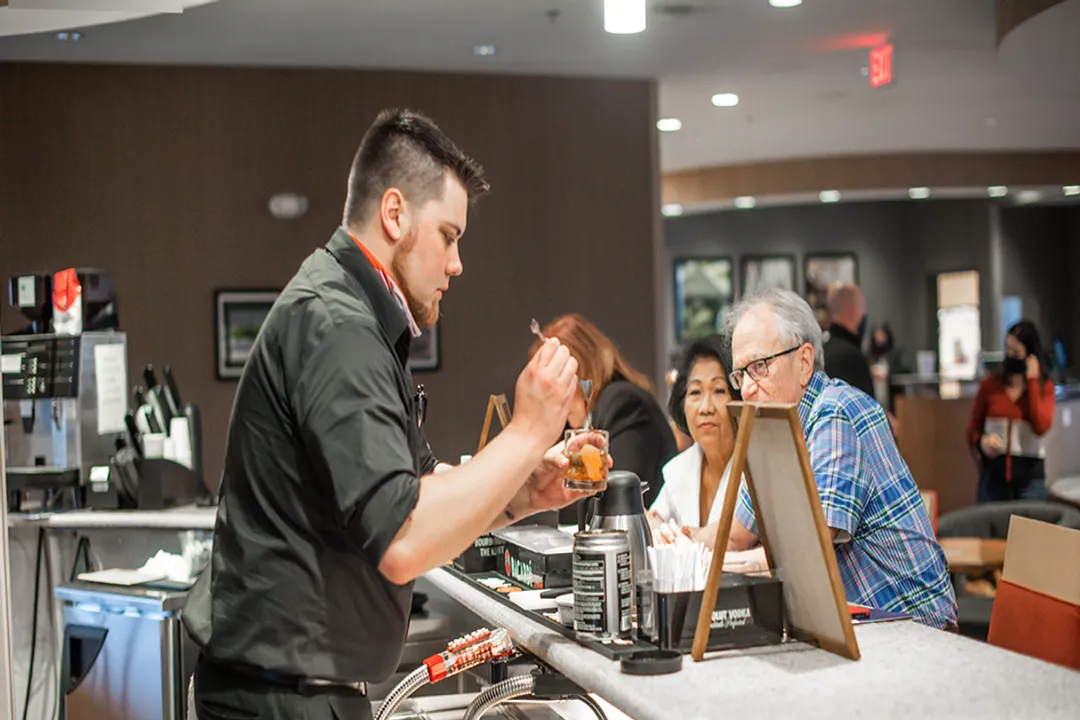
The hospitality industry stands out as a premier sector for students, offering a dynamic environment where customer interaction is central to success and scheduling often bends to accommodate academic calendars. [5] Whether you are navigating a high school course load or balancing university lectures, the need for flexible hours and the opportunity to build practical, marketable skills make these positions highly attractive. [1][3] Finding the right fit depends on whether you prioritize immediate earnings, late-night shifts, or front-facing prestige.
# Food Service
The food and beverage sector consistently offers the broadest range of entry points for students looking to start quickly. [6] These roles are the backbone of many hospitality operations, from casual cafes to upscale dining rooms.
# Serving Potential
The Server position is frequently cited as an excellent student job because it offers high earning potential through tips, especially during busy weekend dinner services when student schedules are often free. [1][6] Servers are essentially managing their own micro-business on the floor, requiring strong multitasking abilities and persuasive communication skills. [5] For someone just starting out, being a server teaches rapid problem-solving under pressure—a skill valuable far beyond the dining room. [5]
# Bar Skills
Working as a Bartender builds on serving skills but adds the responsibility of beverage knowledge and often requires adherence to stricter legal compliance, such as age verification. [1][2] In many establishments, especially those that cater to evening crowds, bartending can be significantly more lucrative than serving, as tips are often based on higher check averages. [6] However, it generally demands more experience and a higher level of responsibility from the start, sometimes making it better suited for older college students or recent graduates. [2]
# Support Roles
Less glamorous but equally essential are the support positions like Busser and Dishwasher. [3] Bussers learn the flow of a busy restaurant floor and work closely with servers, making it a great path for students who want to observe high-level service interactions before stepping into a full serving role. [6] Dishwashers and kitchen prep staff, while often working in the back of the house, are critical components of the operation, particularly for J1 students seeking short-term roles, as these positions often have less direct customer contact. [8]
# Front of House Entry
Host or Hostess roles are frequently the first stepping stone into dining service. [1][3] This job requires excellent first impressions, organization (managing reservations and waitlists), and professional phone etiquette. It's a fantastic way to develop poise while working shifts that might align well with afternoon or early evening classes. [5] Similarly, becoming a Barista offers a quicker entry point, often focused on speed and consistency during peak morning hours. [1][3]
# Lodging Front Office
Hotels rely heavily on their front-of-house staff to set the tone for a guest's entire stay. These roles are often viewed as more traditional "hotel careers" and look excellent on a resume if you aim for management down the line. [2][4]
# Check-In Desk
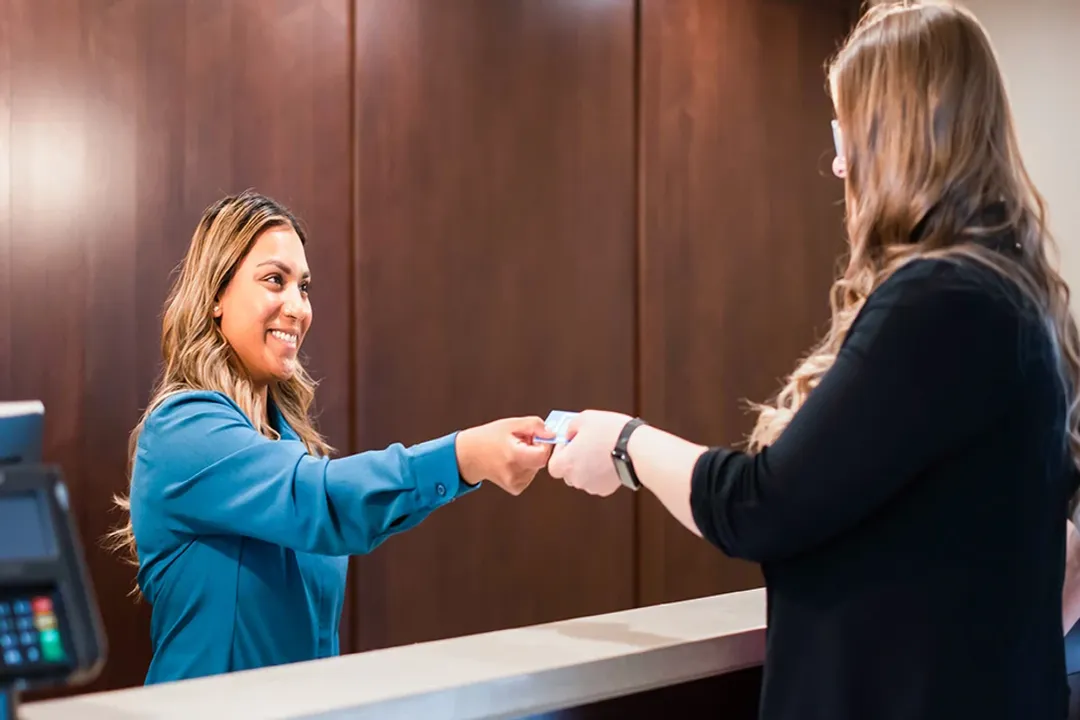
The Front Desk Agent position is foundational to hotel operations. [3][5] This role involves handling check-ins and check-outs, managing room inventory, and acting as the primary point of contact for immediate guest needs. [2] A student in this position gains direct exposure to property management software and revenue control issues, which provides an early glimpse into the business side of lodging, as opposed to purely service-oriented roles. [7]
# Guest Assistance
Concierge positions are often considered more glamorous and require a deep, almost encyclopedic knowledge of the local area, including dining, entertainment, and transportation options. [2][5] This is a role demanding high expertise and polished professionalism, often serving as a stepping stone for students interested in guest relations management. [1] In a similar vein, Bell Staff and Valet positions offer constant physical activity and direct, friendly interactions with guests as they arrive and depart. [1][3][8]
An organizational comparison of core student hospitality roles:
| Role Category | Key Responsibility | Typical Shift Pattern | Advancement Path Hint |
|---|---|---|---|
| Server/Bartender | Sales, speed, customer retention | Evenings, Weekends | Restaurant Management, Bar Ownership |
| Front Desk Agent | Check-in/out, administrative tasks | Early Mornings, Overnights | Front Office Manager, Revenue Analyst |
| Host/Hostess | First impressions, flow management | Evenings, Lunch Rush | Shift Supervisor, Operations Lead |
| Housekeeping/Prep | Cleanliness, stock readiness | Early Mornings (Pre-shift) | Inspector, Supervisor |

# Events Management

For students interested in large-scale coordination, the events side of hospitality offers significant, though often project-based, work. [2]
Event Staff or Banquet Servers work in the dynamic setting of conferences, weddings, and corporate meetings. [1] Unlike a fixed restaurant schedule, event work is shift-driven and often involves working long, concentrated blocks of time, followed by lulls. [1] This schedule can sometimes suit students who need intensive work periods during breaks or when they have fewer classes scheduled, rather than fitting around daily classes. [2] Aspiring event planners might start here to understand service execution before moving into planning roles like Convention/Event Planner. [2]
# Specialized and Support Track
Not all successful hospitality careers begin at the front desk or in food service. Certain roles are vital for operations and can offer unique scheduling advantages.
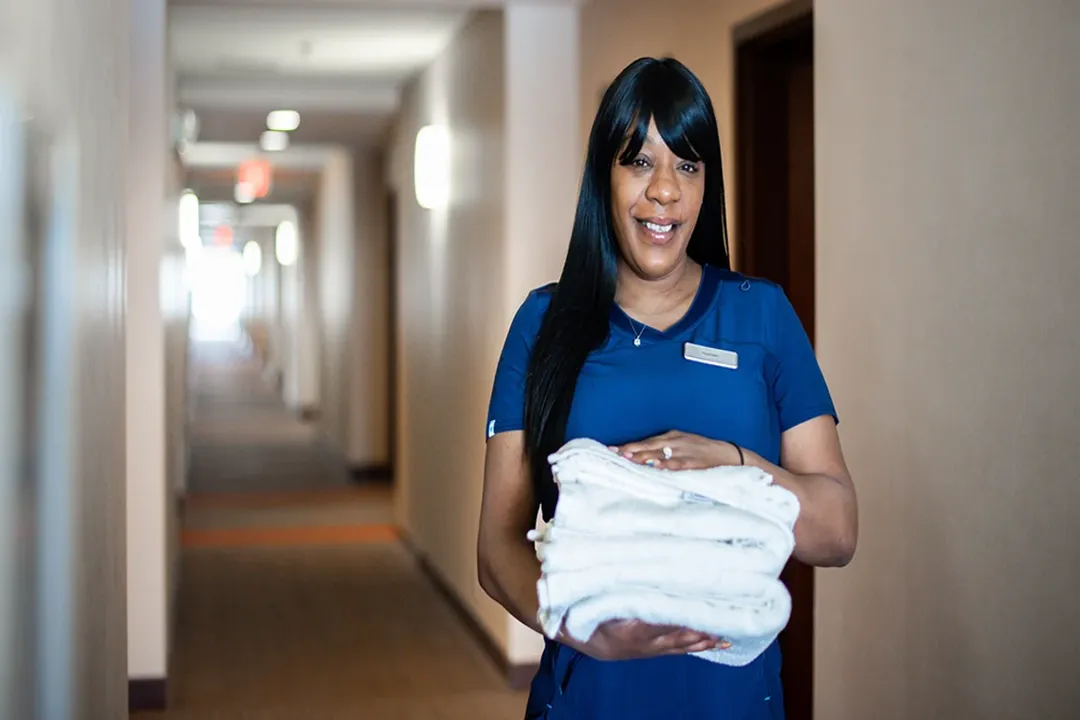
Housekeeping and Laundry positions are crucial operational roles, often required to be filled early in the morning before the main guest traffic begins. [8] While these roles might not be considered the most "glamorous," they provide stable, structured work, often appealing to J1 exchange students or those who prefer consistent tasks over unpredictable customer demands. [8] Similarly, Kitchen Prep staff, focusing on mise en place, offer a structured environment away from the high-pressure line cooking, which is beneficial for students learning food safety standards. [8]

# Long-Term Trajectories
For students pursuing a degree in hospitality, certain entry points set a faster pace toward executive roles. [7] These positions often require a higher commitment but offer better long-term career visibility. [2]
Hotel Manager Trainee programs, though sometimes more demanding, provide a structured overview of all hotel departments—a true crash course in operations, finance, and sales. [2] Students aiming for corporate roles might find that starting in Hotel Sales/Marketing or Revenue Management is a better strategic fit than starting as a server, even if the initial hourly pay is lower without tips. [2][7] A hospitality degree holder looking at the best-paid areas might gravitate toward Revenue Management, as it blends service understanding with analytical, data-driven decision-making. [7]
# Scheduling Logic for Students
One of the primary advantages hospitality offers students is the structure of its working hours. Most traditional office jobs operate nine-to-five, directly conflicting with standard class times. [1] Hospitality, conversely, thrives during evenings, weekends, and holidays—precisely when many students are free from academic obligations. [1]
However, students need to be realistic about which jobs truly fit their academic load. A role like a full-service Server on weekends might yield great income but could severely limit time for studying required on Saturday afternoons or Sunday evenings. Conversely, a Front Desk Agent taking overnight shifts (e.g., 11 PM to 7 AM) allows the student to sleep during the day and attend morning/afternoon classes, though this lifestyle can be taxing on long-term health and social life. A useful calculation students often overlook is the net hourly rate after factoring in tips versus the cost of their time; a 200 per shift, while a $10/hour job that frees up four hours on a weekday for study could allow them to earn more tutoring or working a more lucrative, short-term gig later.

# Matching Aptitude to Opportunity
Deciding between the dining room and the front desk often comes down to personality, which is where personal experience plays a large role in job satisfaction. [4]
If a student thrives on immediate, social feedback and enjoys handling varied personalities in quick bursts, the Food & Beverage track (Server, Bartender, Host) is ideal. These roles are high-energy and reward extroversion. [1][5] If, however, a student possesses high attention to detail, prefers structured problem-solving, and communicates best through clear, professional articulation (even under stress), the Front Office (Front Desk, Concierge) is a stronger fit. [5] A student entering hospitality specifically because they want to learn the business of hotels, perhaps aiming for a role like Private Club Manager, should prioritize positions that expose them to back-office functions like sales or operations coordination early on. [2] Being transparent about these career goals during interviews, even for entry-level positions, helps managers place students where they can learn the most relevant skills. [4]
For instance, a student whose degree heavily emphasizes marketing might push for an entry-level position within the hotel's sales team, even if it means foregoing the immediate cash flow of weekend serving shifts. That targeted experience builds direct authority in their chosen field. [7]
# Earning and Experience Balance
When comparing roles, students must weigh the immediate cash flow of tipped positions against the resume-building value of salaried or fixed-rate roles. Baristas and servers get cash in hand nightly or weekly, providing immediate relief for tuition or living expenses. [1][6] In contrast, a role like a Hotel Sales Trainee might offer a fixed hourly wage but provides superior networking opportunities and specific, hard-to-learn professional certifications that directly translate to a higher starting salary post-graduation. [2]
For an undergraduate, maximizing short-term cash flow might be the priority; for a graduate student with fewer classes but a tighter professional timeline, building that specific departmental authority might be more important. [4] The industry recognizes this, often using roles like Banquet Server as a place for newcomers to prove reliability before advancing to higher-profile, better-tipped events. [3] This staged approach allows students to test the waters across different operational tempos before committing to a specialization within the vast hospitality landscape. [5]
Related Questions
#Citations
7 Perfect Hospitality Jobs for College Students
Top 10 glamorous hospitality jobs for students, recent grads, and ...
What are some hospitality jobs for high school students? - CollegeVine
Graduate student looking for opportunities to work in hospitality
Top 10 hospitality jobs and who's hiring - Handshake
Jobs for Students: Best Restaurant Roles for Career Growth - Poached
As a hospitality student, what part of department is good to ... - Quora
Best jobs for J1 students in the USA - Hospitality Experience
Hotel Jobs For College Students Jobs, Employment | Indeed