What Are Common Construction Job Titles?

The construction industry is a vast ecosystem, built not just from concrete and steel, but from a complex hierarchy of specialized roles working in concert across every project phase. To an outsider, it might seem like a single unified effort, but looking closer reveals dozens of distinct job titles, each carrying specific responsibilities, technical requirements, and necessary certifications. [1][6] Understanding these roles is the first step to appreciating the expertise required to bring any building or infrastructure project to life, from the initial blueprint to final handover. [7]
# Field Leaders

The physical execution of a construction project requires clear, localized authority, which typically falls under site leadership roles. The Superintendent stands as the person most accountable for the day-to-day activities on the job site. [5][7] Their domain is the physical progress: sequencing work, coordinating subcontractors, managing site logistics, and ensuring safety compliance across all trades. [7] While the Project Manager handles the contract and the budget from the office, the Superintendent lives on-site, solving immediate problems that arise when blueprints meet reality. [5]
Directly beneath the Superintendent are the Foremen or Lead Workers. These individuals often hold deep expertise in a specific trade, such as concrete or mechanical systems. [1] A Foreman supervises a specific crew, directs their immediate tasks for the day, enforces safety protocols for their team, and reports progress updates up to the Superintendent. [7] The transition from a skilled tradesperson to a Foreman is a significant career milestone, marking the shift from executing technical tasks to managing people and small-scale schedules. [1]
# Project Management
The managerial side of construction revolves around ensuring the project meets its scope, schedule, and financial goals. The Project Manager (PM) is often the central figure coordinating these efforts. [7] A PM typically manages contracts, owner communications, financial reporting, and overall scheduling authority for the entire scope of work. [5][6] They act as the primary bridge between the owner, the design team, and the site operations team. [7]
It is often useful to distinguish the PM from the Project Engineer (PE) or Field Engineer. While the PM focuses on the contractual and budgetary framework, the Engineer is usually the technical expert stationed on-site. [3] The Engineer translates the complex language of architectural and engineering drawings into actionable instructions for the trade crews, handles Requests for Information (RFIs) back to the design team, and manages submittals to ensure materials align with specifications. [3][6] This division of labor—PM on the business side, Engineer on the technical/field liaison side—is critical for efficiency, though smaller firms might see one person juggling both sets of duties. [5]
# Cost and Planning
Before a single shovel breaks ground, significant effort is dedicated to defining what will be built and how much it will cost. This realm belongs to pre-construction roles. [7]
# Estimators
The Estimator is tasked with determining the project's financial viability and eventual bid price. [1] This involves meticulously reviewing architectural plans and specifications to perform a "quantity take-off"—counting every piece of material, every hour of labor, and every piece of equipment needed. [7] An experienced estimator has an encyclopedic knowledge of current material costs and subcontractor pricing structures. A common pitfall newcomers make when learning estimation is overlooking "soft costs" like insurance, temporary facilities, and permitting fees, which can easily inflate a bid if not tracked diligently. [1]
# Schedulers
The Construction Scheduler is responsible for creating and maintaining the master timeline, often using sophisticated software like Primavera P6 or Microsoft Project. [7] They map out dependencies—identifying which tasks must finish before others can start—to define the critical path, which dictates the project's completion date. [7] Their role requires deep forethought, as small delays introduced early in the foundation stage can have exponential financial consequences later in the finishing stages.
# Skilled Trades
The backbone of construction remains the highly skilled craftspeople who physically assemble the structure. These roles require years of apprenticeship, on-the-job training, and often state or local licensing. [6]
# Core Crafts
- Carpenters: Perhaps the most versatile trade, carpenters handle everything from building temporary site structures (formwork) to erecting the structural framing itself. [1] Specialty carpenters might focus exclusively on finish carpentry or complex architectural millwork. [6]
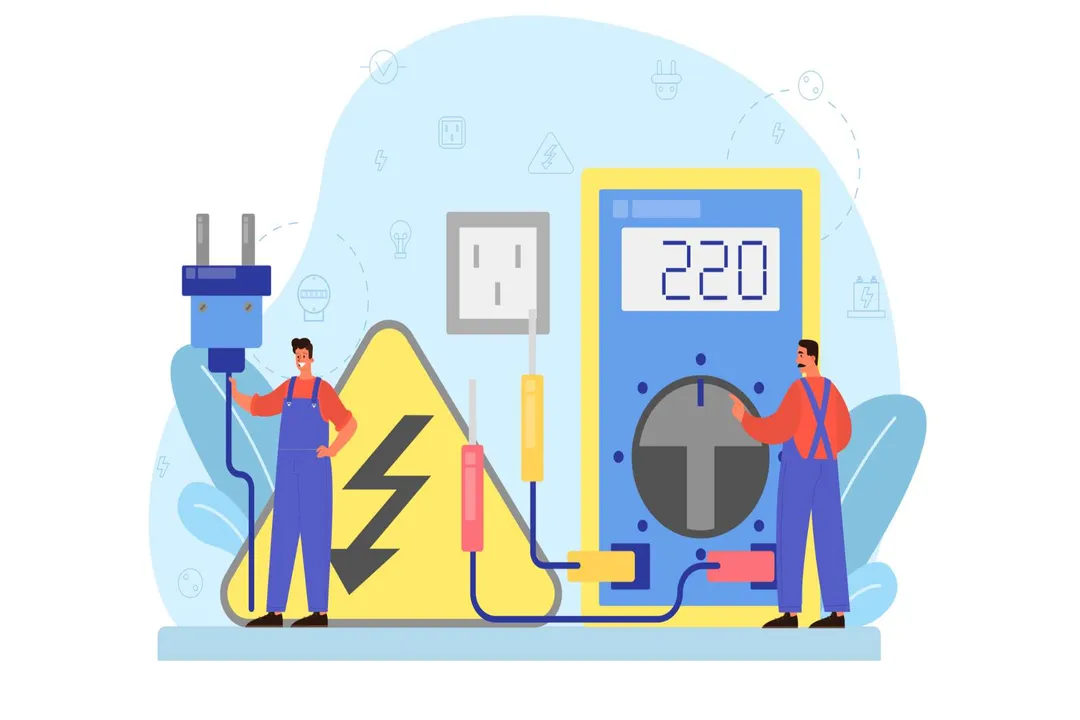
- Electricians: Responsible for installing all power, lighting, communication, and control systems. [1] This job demands adherence to stringent National Electrical Code (NEC) standards and an understanding of complex wiring diagrams. [6]
- Plumbers and Pipefitters: These roles manage the flow of liquids and gases. Plumbers typically focus on residential and commercial water supply, drainage, and venting systems, whereas pipefitters often deal with high-pressure industrial piping for systems like HVAC or process plants. [1][8]
- Ironworkers and Steel Erectors: These professionals are responsible for safely assembling the structural steel framework, often working at significant heights. [6] Their work requires precision in bolting and welding connections to ensure the building's structural integrity. [1]
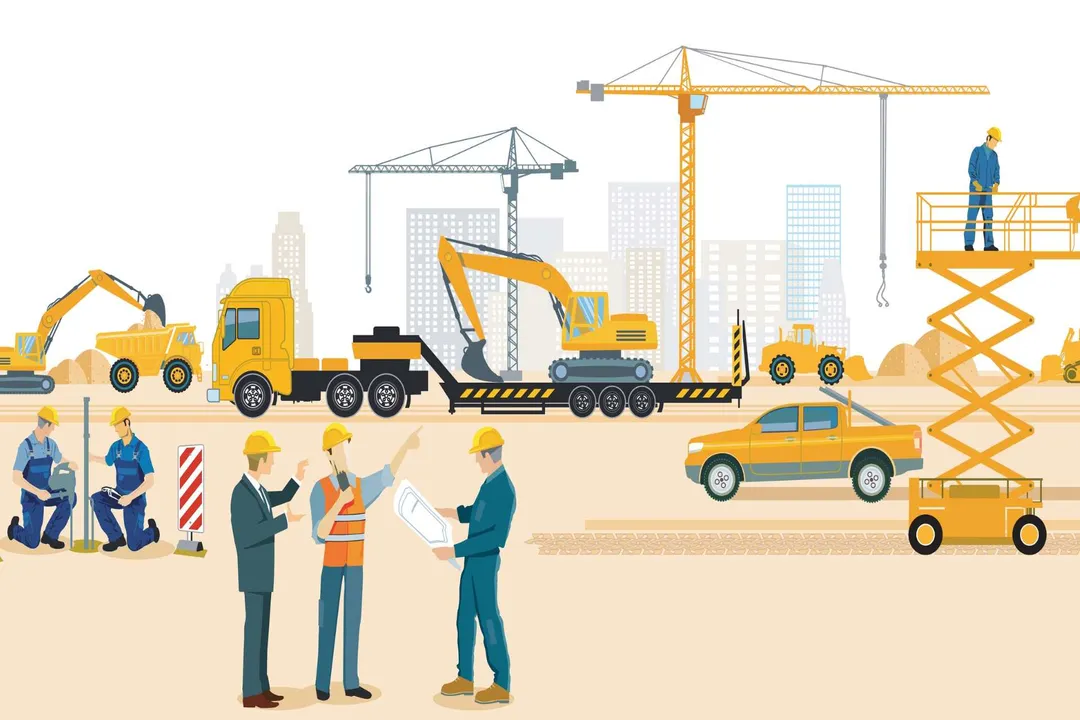
- Heavy Equipment Operators: Individuals who run machinery like bulldozers, cranes, excavators, and graders. [2][6] In large earthmoving projects, the coordination between the surveyor setting the grades and the operator executing the cut and fill is a prime example of highly specialized, interdependent work on a site. [1]

# Support and Specialty Positions
Beyond the direct management and physical labor, several essential support functions ensure quality, compliance, and material readiness.
# Quality and Safety
A modern construction site cannot function without dedicated oversight on standards and risk mitigation. Safety Managers or Safety Officers are legally mandated on many projects to enforce OSHA standards, conduct regular site inspections, lead toolbox talks, and manage incident reporting. [1][6] Similarly, Quality Control/Assurance (QC/QA) Inspectors verify that installed work—like concrete strength testing or proper waterproofing installation—conforms precisely to the specifications laid out by the engineers and architects. [6]
# Procurement
In larger or specialized projects, the Procurement Specialist or Purchasing Agent operates distinct from the PM's administrative role. [8] This person specializes in sourcing, negotiating the best pricing for, and tracking the delivery schedule of major materials and long-lead items like structural steel or custom HVAC units. [8] Their success is measured by getting the right material to the right place at the right time without overpaying.
# Career Paths and Evolution
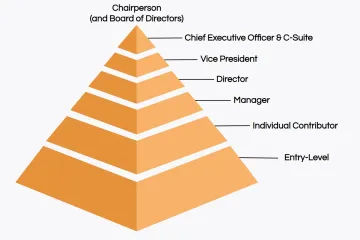
The titles within construction often map directly onto a clear progression path, especially for those starting in the trades. A typical, though not universal, ladder looks like this: Apprentice Journeyman Foreman Superintendent. [1][7] The jump from Journeyman (a fully competent worker) to Foreman is often driven by demonstrated leadership potential and communication skills, rather than purely technical speed. [1]
In recent years, technology has introduced new common, yet distinct, roles that bridge the traditional office/field divide. The BIM (Building Information Modeling) Coordinator is one such example. [3] This role centers on managing the 3D digital model of the project, resolving spatial clashes (like ensuring a duct doesn't run directly through a steel beam) before construction starts, thereby minimizing costly rework in the field. [3] While not every small renovation firm employs a dedicated BIM Coordinator, on mid-to-large scale commercial and institutional projects, this role has become a standard expectation for managing complexity. [3] The growth of these specialized technological roles highlights that the industry demands both deep manual skill and advanced digital literacy today. [3]
Related Questions
#Citations
Construction Careers: Guide to 20-Plus Common Job Titles - Indeed
Glossary of Construction Job Titles - Optima Site Solutions
Exploring 15 Crucial Construction Roles & Job Titles - RIB Software
35+ Types of Construction Jobs Titles (with Responsibilities ...
Title descriptions? : r/Construction - Reddit
Complete Guide to Construction Job Titles and Descriptions - Bridgit
10 Key Construction Job Titles: Overview & Salary - ProjectManager
Procurement & Construction Job Titles and Skill List | Rigzone
Career Opportunities in the Construction Industry in California