What Are Common Legal Job Titles?

The landscape of legal employment is far broader than the image of a lawyer arguing in a courtroom suggests. While "lawyer" or "attorney" are fundamental identifiers, the actual titles used within law firms, corporate departments, and government bodies reveal a complex hierarchy and specialization of duties. [7] Navigating this terminology is key, whether you are a recent law graduate looking for a first position or an experienced professional considering a shift from private practice to an in-house role. [2] Understanding these titles means understanding where one fits into the structure of legal service delivery, which often varies dramatically depending on the employer. [5]
# Firm Ladder
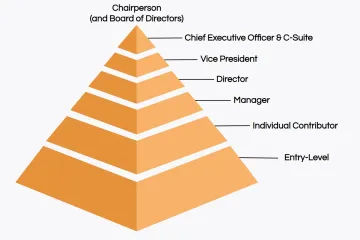
Within traditional law firms, a clear structure dictates seniority and compensation, often following a specific, well-established trajectory. [3]
The entry-level attorney role is often designated as an Associate. This title typically signifies a lawyer who has passed the bar exam and is working toward partnership or moving on to other opportunities. [3] Within the associate ranks, one might see further delineation, such as Junior Associate and Senior Associate, marking several years of experience within the firm. [3]
The next level up often introduces the title of Counsel or Non-Equity Partner. This designation can be somewhat fluid depending on the firm's specific partnership structure. Sometimes, Counsel indicates a senior lawyer who provides significant expertise but does not have the ownership stake or voting rights associated with full partnership. [3] Other firms might use the term Of Counsel to denote an experienced attorney who is not on the direct path to equity partnership but contributes substantially. [5]
At the top tiers are the Partners. This title generally implies equity ownership, a share in the firm's profits, and a management voice. [3][5] The hierarchy continues upward here as well. A Managing Partner is the elected or appointed leader of the firm, responsible for its day-to-day administration and strategic direction, a role demanding both legal acumen and significant business skill. [3] In contrast, a Senior Partner or Founding Partner often carries significant prestige and client relationships, even if not holding the primary management role. [3]
It is worth noting that the progression through these firm ranks often mandates an "up or out" culture, especially in large firms, where associates are expected to demonstrate partnership potential within a set timeframe. [3] This creates a very distinct career trajectory compared to other sectors of the legal field.
# Corporate Counsel
When a lawyer moves to work directly for a business or organization rather than a law firm serving multiple clients, they enter the in-house legal world. [2] The titles here focus less on client billing and more on the company’s operational needs, risk management, and compliance. [6]
The ultimate legal position within a corporation is typically the General Counsel (GC). [6] This person is the chief lawyer for the entire organization and often reports directly to the CEO or the board of directors. [6] The GC manages all internal legal matters and oversees external counsel when required. [2] In larger organizations, this role may overlap or be synonymous with the Chief Legal Officer (CLO). [6] The CLO title often carries a slightly more pronounced executive or business-facing connotation than GC, though their core function is the same: safeguarding the company legally. [6]
Below the GC, the structure broadens to include specialized roles. Associate General Counsel (AGC) often supervises specific areas of law, such as litigation, intellectual property, or regulatory compliance. [6] Then come Senior Counsel and Corporate Counsel, who handle day-to-day legal work within their assigned areas. [6]
One helpful distinction in this sector is between those focused on transactional work and those handling disputes. A Transactional Lawyer focuses on drafting contracts, mergers, and acquisitions, while a Litigation Counsel manages active lawsuits. [6] An interesting observation across corporate legal departments is the gradual shift in recent years where the title Legal Director is sometimes used interchangeably with Senior Counsel, signaling a move toward viewing the legal department as a central business function rather than just a cost center. [2]

# Specialized Legal Staff
Beyond the licensed attorneys, the legal infrastructure relies heavily on specialized professionals who support attorneys in all environments, from courtrooms to boardrooms. [1]
Paralegals are essential members of the legal team. [3] Their primary function is to perform substantive legal work under the supervision of an attorney, which often includes legal research, drafting documents, interviewing witnesses, and managing case files. [1][3] A Senior Paralegal often takes on supervisory or training roles for other support staff. [1]
The Legal Assistant title is sometimes used interchangeably with Paralegal, but it can also imply a greater focus on administrative and clerical duties, such as scheduling, filing, and managing correspondence. [1][5] In some settings, the Legal Secretary focuses almost entirely on administrative tasks, including word processing and managing the attorney’s calendar. [5]
For those fresh out of law school or clerking before permanent placement, titles like Law Clerk or Judicial Law Clerk are common. [5] A Judicial Law Clerk specifically works for a judge, helping to research cases, write memos, and draft opinions—a position highly valued for the experience gained in judicial decision-making processes. [5]
# Government and Public Service
The public sector offers distinct legal career paths centered around serving the state or the public interest, often governed by civil service rules rather than private firm partnerships. [4]
Roles in prosecution include Assistant District Attorney (ADA) or Prosecutor, who represent the government in criminal proceedings. [4] On the defense side for indigent clients, the title is often Public Defender. [4] These roles often demand high trial volumes early in a career, offering a different kind of practical experience than transactional firm work. [4]
The judiciary itself is staffed by individuals with high levels of experience, holding titles such as Judge or Magistrate. [4] Entry into these roles usually requires significant prior experience practicing law. [4] Furthermore, the Bureau of Labor Statistics tracks the general category of Lawyers (which includes attorneys working for federal, state, and local governments) alongside private practice and corporate roles. [9]
# Global Context and Terminology
Legal titles are not always universally consistent, particularly when crossing international borders. For instance, in jurisdictions influenced by English common law, such as the UK, a key distinction exists between Solicitors and Barristers. [8]
A Solicitor generally handles a broader range of work, including client consultation, document preparation, and routine legal matters, often working directly in an office setting. [8] A Barrister, conversely, specializes primarily in courtroom advocacy and expert legal opinions, often receiving instructions from a solicitor rather than directly from the public. [8] While the lines are blurring, this historical division remains an important structural difference when viewing titles from that legal tradition. [8]
# Title Nuance
It is critical for job seekers to recognize that while titles provide a map, they don't detail the entire terrain of a job. For example, a role listed as Senior Counsel at one company might involve managing a team of five attorneys handling billion-dollar litigation, whereas at another, the same title might mean being the sole legal contact managing minor contract renewals for a single business unit. [5] The external title can mask the internal scope of authority and the nature of the daily work involved. [5]
If you are seeking a role focused purely on legal writing and research without direct client management, you might find titles like Research Attorney or Legal Analyst which are less common but emphasize purely substantive work, often outside the traditional firm partnership track. [4] Similarly, titles like Chief Compliance Officer or Director of Regulatory Affairs are deeply legal roles, but their titles reflect a specialization in regulatory adherence rather than broad legal practice. [6] When comparing career paths, an experienced attorney must weigh the equity potential of a Partner track against the executive influence of an In-House General Counsel track; the former offers financial upside tied to firm performance, while the latter offers deep operational impact within a single entity. [2][3] The choice often reflects whether one values entrepreneurial ownership or corporate governance responsibility more highly. [5]
Related Questions
#Citations
Top 20 Legal Job Titles [with Descriptions] - Ongig Blog
Job titles in the in-house legal world
10 Different Law Firm Positions and What They Do | Indeed.com
Legal Job Titles Starting With A | LawCrossing.com
Understanding Legal Job Titles: A Comprehensive Guide to ...
Complete Guide to In-house Legal Job Titles
Lawyer Job Titles in 2025 - Most Popular Titles by Career Level - Teal
What Are The Different Legal Job Titles? | Slater + Gordon
Legal Occupations - Bureau of Labor Statistics