What Agriculture Jobs Are High Risk?
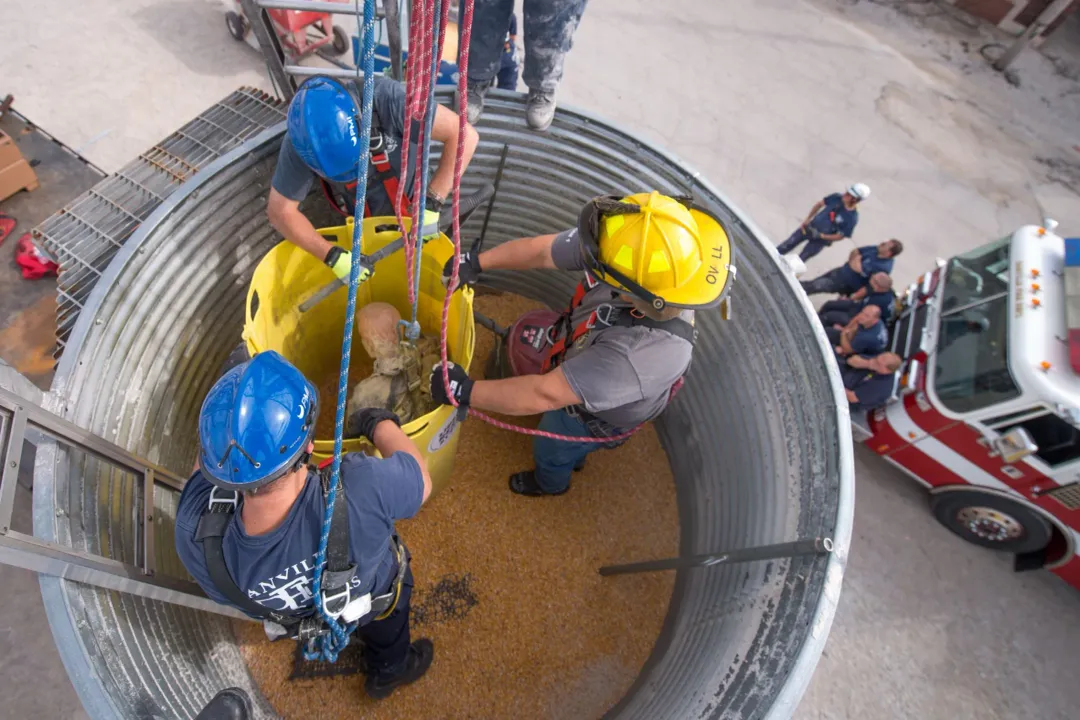
Agriculture consistently appears high on lists tracking occupational danger, often cited as one of the most dangerous jobs in the United States. [1][4][9] This isn't just about long hours or physical strain; it involves significant exposure to hazards that lead to severe injuries and fatalities at a rate that often surpasses other industries. [2] The gravity of farm safety cannot be understated, as it is a serious business that demands constant vigilance from everyone involved in the operation. [3] When examining which agriculture jobs are high risk, it becomes clear that the danger stems from a combination of powerful, heavy machinery, the handling of immense natural forces, and the often isolated environments in which work must be performed. [2][8]
# Deadliest Occupation
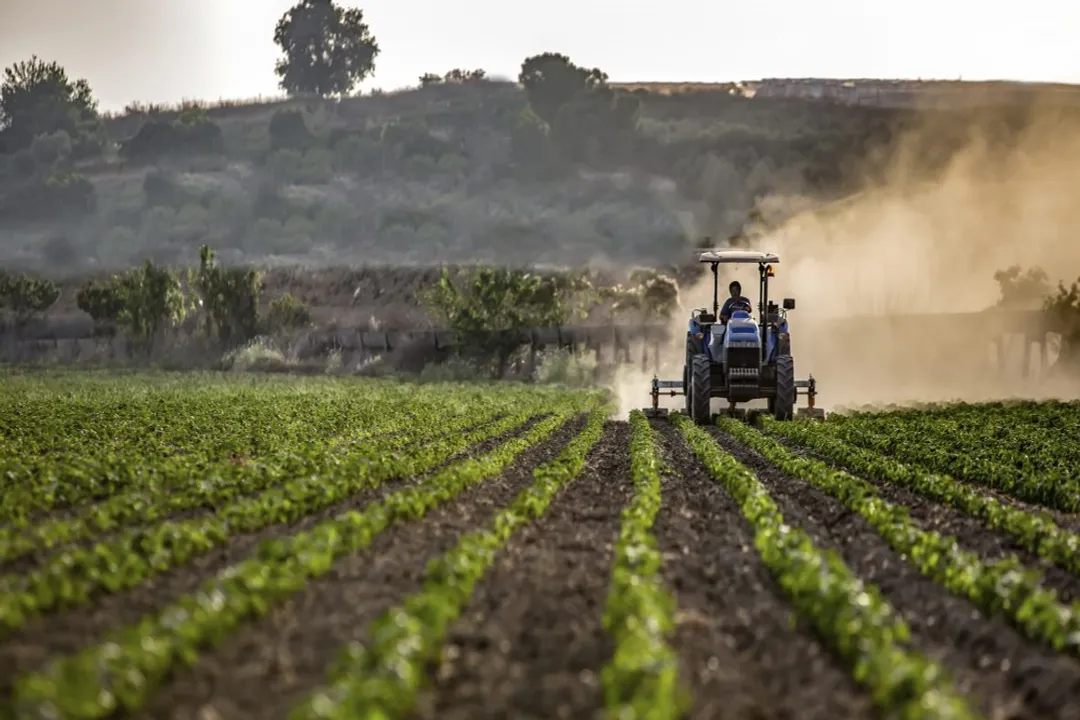
The reality is stark: farming ranks among the deadliest occupations nationally. [4][9] Data continually places agricultural work near the top of the list for fatalities. [1] While the exact ranking may shift slightly year to year or based on the specific metrics used, the consistent placement underscores a systemic safety challenge within the sector. [6] For instance, while one report might place it as the most dangerous overall, another might note it among the most dangerous for a specific year, like projections for 2025, confirming this is not a temporary trend but an ongoing occupational reality. [1][6] This high-risk status is not uniform across all farming tasks; rather, it aggregates the dangers present in highly specialized roles involving heavy equipment, confined spaces, and hazardous materials common across the diverse landscape of agriculture. [8]
# Hazard Overview
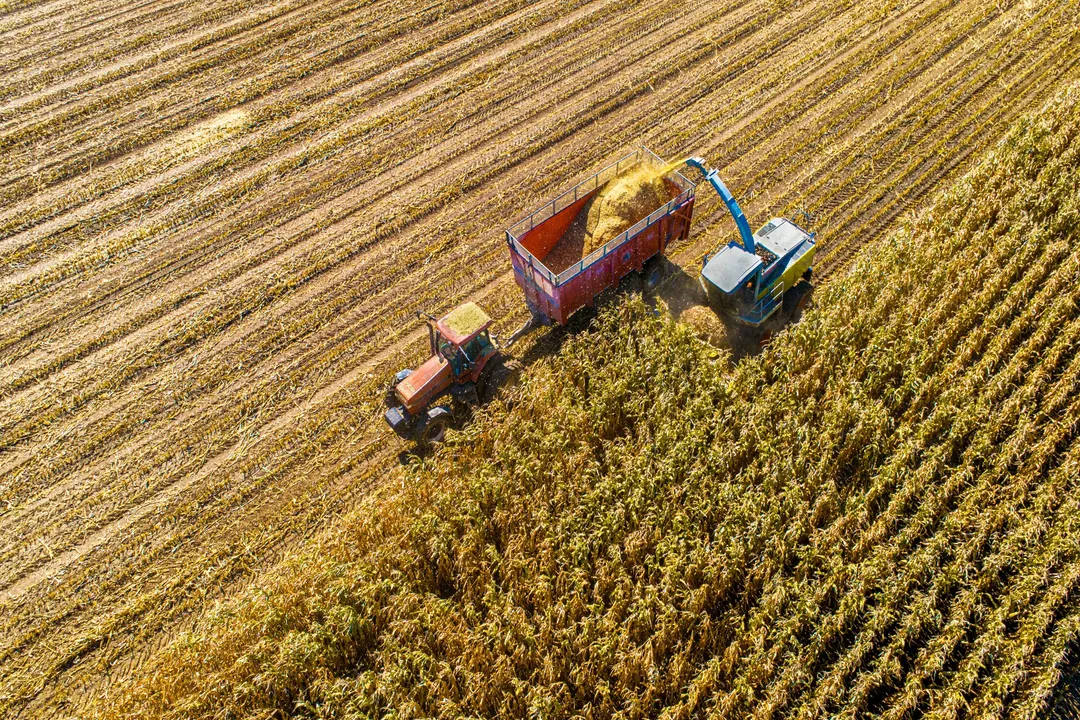
The specific dangers present in agricultural operations are varied and often interconnected, stemming from the tools used, the environment, and the materials handled. [8] A major contributor to fatalities involves heavy machinery. This includes risks associated with tractors, implements, and power take-off (PTO) shafts, where entanglement can lead to horrific and immediate injury. [8] Falls are another significant threat, whether from elevated positions like silos or farm structures, or from vehicles and equipment. [8]
Another category of extreme danger revolves around stored materials. Grain engulfment, for example, is a silent killer. When attempting to clear clogged grain bins or silos, workers can suddenly sink into the flowing grain mass, which acts like a quicksand, making escape nearly impossible. [8] Furthermore, the handling of potentially hazardous substances, such as pesticides and chemicals necessary for modern production, presents risks of acute poisoning or long-term health consequences if proper protective measures are not rigorously followed. [8] Respiratory hazards are also a concern, especially in dusty environments or around decaying organic matter in livestock facilities. [5]

# Worker Risk Factors
The nature of agricultural work contributes heavily to the inherent risk profile. Work is frequently performed in remote locations, meaning that response times for emergency medical services following an accident can be significantly delayed compared to urban settings. [2] This delay exacerbates the severity of injuries sustained from incidents like machinery rollovers or entrapment. [2]
Moreover, there is a distinct culture within agriculture that sometimes prioritizes completing the task over pausing for safety protocols. Workers, particularly those who operate independently or for smaller family operations, may forgo personal protective equipment (PPE) for the sake of speed or comfort, especially during routine tasks. [3] This environment often exposes workers to the elements—extreme heat, cold, or humidity—which can lead to heat stroke, hypothermia, or other heat/cold-related illnesses, especially when paired with strenuous physical labor. [5]
When considering the demographic, one striking point is the risk faced by the youngest members of farming families. In many analyses, farm-related injuries are a leading cause of death and serious injury for children and adolescents living and working on farms, illustrating that inexperience is a critical variable when paired with powerful equipment. [5]
# Confinement Dangers
Not all agricultural risks are machine-based; the type of farming operation dictates the primary hazard concentration. Discussions among those working in the field often point toward livestock and confined animal feeding operations (CAFOs) as presenting unique, high-risk scenarios. [7] While row-crop farming might be dominated by the risk of tractor entanglement or chemical exposure, intensive animal operations introduce hazards related to animal behavior and poorly ventilated, oxygen-deficient spaces. [7]
Handling large animals, such as cattle, involves inherent risks of being kicked, crushed, or trampled. A worker in a dairy or feedlot setting constantly manages unpredictable living beings weighing hundreds or thousands of pounds. [7] This requires a specialized type of situational awareness that differs from mechanical hazard recognition.
Furthermore, large manure storage systems—lagoons, pits, and tanks—pose a deadly atmospheric hazard. These confined spaces accumulate toxic gases like hydrogen sulfide (), methane, and ammonia, often produced as manure decomposes. [8] Hydrogen sulfide, in particular, is extremely toxic, capable of causing rapid incapacitation and death even at relatively low concentrations, often without sufficient warning to the exposed individual. [8] Workers entering these spaces for maintenance or cleaning, even briefly, face life-threatening asphyxiation risk. [7] It is worth noting that fatalities within these confined spaces often occur when one individual attempts a rescue of another who succumbed to the gas, turning a single incident into a double tragedy. [2]
# Mechanization Exposure
The reliance on powerful, often older, mechanized equipment is arguably the most visible source of risk in crop production. In many operations, equipment design may predate modern safety standards, or safety guards may have been removed over the years to speed up maintenance or clearing of clogged mechanisms. [4] This leads to persistent hazards like unguarded PTO shafts, which can rapidly wrap clothing or limbs, leading to severe crushing injuries. [1][8]
Another significant mechanical hazard involves overturns. Tractors without rollover protective structures (ROPS) are notoriously dangerous. A tractor rollover on uneven terrain or steep slopes can easily crush the operator if a cage or frame designed to prevent the tractor from collapsing onto the driver is absent. [1] Installing ROPS has been cited as one of the most effective, yet often overlooked, safety upgrades available to many farm operations.
To ensure that daily tasks involving heavy equipment do not escalate into emergencies, a simple, proactive checklist is essential before powering up any machinery. This quick routine should always include:
- Guard Check: Verify all guards, especially on PTOs and moving belts, are secure and functional.
- Access/Egress: Confirm clear pathways for mounting and dismounting the equipment.
- Brake Test: Test hydraulic and parking brakes while stationary before moving to an operational area.
- Clearance: Visually confirm that no unauthorized personnel or animals are near the working radius of the implement.
This simple, structured pause, taking perhaps only ninety seconds, can prevent entanglement or uncontrolled movement incidents that are far too common in the sector. [5]
# Comparing Risk Profiles
The contrast between high-mechanization and high-livestock concentration operations highlights a critical difference in risk management needs. In the crop world, the danger is often external—a piece of machinery interacting violently with the operator or the ground. [8] In livestock operations, the danger is often internal—respiratory threats from manure gas or physical threat from animals. [7]
For instance, a large-scale grain storage facility presents risks that are both mechanical (the auger moving grain) and atmospheric (the silo itself). A farmer dealing primarily with beef cattle faces lower acute risk from grain bins but higher, consistent risk from animal handling and manure management. [7] This variability means that safety training must be specialized. A grain farmer needs intensive training on lockout/tagout procedures for silo maintenance, while a dairy farmer needs specialized training on low-oxygen atmosphere awareness around manure pits. [2][8] Treating all agricultural sites as having the same primary threat profile overlooks the specific dangers unique to each farming niche. [7]

# Safety Commitment
The collective effort to mitigate these risks rests on acknowledging that safety is not a secondary consideration but an integral part of efficient farming. [3] Organizations like the National Institute for Occupational Safety and Health (NIOSH) through the CDC dedicate efforts to research and outreach because the high mortality rate demands continuous intervention. [5] Moving forward requires not just better equipment, but a cultural shift in how hazards are perceived and managed on a daily basis. [3] When safety is treated with the same seriousness as crop yield or animal health, the industry can begin to turn the tide on these persistent, unacceptable fatality statistics. [9]
Related Questions
#Citations
Farming: The most dangerous job in the U.S. | MU Extension
Danger on the farm: What's putting workers at such high risk?
Farm Safety - A Serious Business
Agriculture is a dangerous occupation - Farm Progress
Agriculture Worker Safety and Health - CDC
Agricultural jobs among most dangerous for 2025 | News | fltimes.com
Which kind of farm is the worst to work on? : r/farming - Reddit
Agricultural Operations - Hazards & Controls - OSHA
Farming among the country's deadliest jobs - Investigate Midwest