What Agriculture Jobs Are Best for Rural Areas?
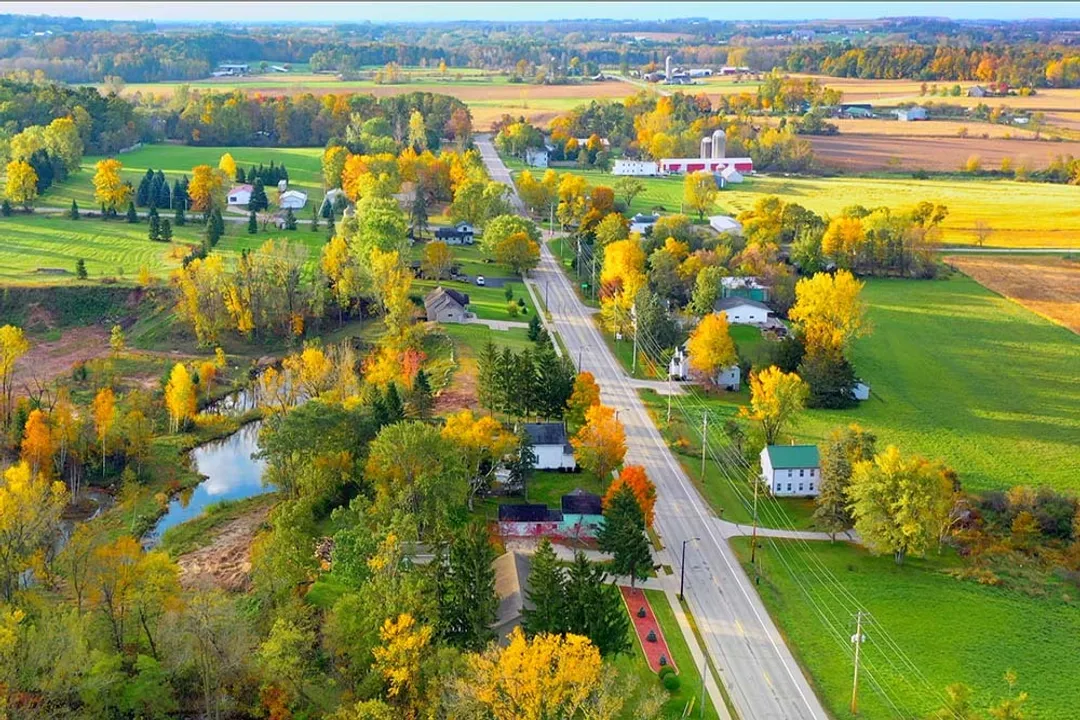
The modern agricultural landscape demands skills reaching far beyond traditional farm labor, creating a wealth of specialized career paths that are particularly well-suited for thriving in rural communities. [2][6] As the industry integrates technology and faces new environmental challenges, the jobs supporting food production—from research and data analysis to finance and regulatory compliance—are becoming central to maintaining and growing local rural economies. [7][10] Identifying the "best" job often depends on individual priorities, whether that means seeking high compensation, stable demand, or the opportunity to work directly with new technology. [1][3]
# Tech Careers

The integration of technology, often termed AgTech or precision agriculture, is rapidly transforming how food is grown, creating high-demand roles right where the work happens. [6] These positions often combine agricultural knowledge with expertise in areas like data science or engineering, making them excellent fits for rural areas seeking high-skill employment. [2]
# Precision Data
A significant area of growth involves managing the massive amounts of data collected from modern farms. Professionals in precision agriculture analyze soil sensors, drone imagery, and yield maps to advise producers on the most efficient use of resources like water, fertilizer, and seed. [6] This consultative work requires strong analytical abilities and, crucially, the ability to communicate complex data simply to farm operators. [3] The demand for professionals who can bridge this technical gap is substantial, as optimized input use directly impacts a farm's bottom line. [7]
# Robotics
Another exciting field centers on automation. Careers in agricultural robotics involve developing, maintaining, or operating autonomous equipment. This can range from robotic harvesters to automated irrigation systems. [5][8] Rural areas benefit immensely from this expertise, as local service technicians capable of servicing this expensive, specialized equipment reduce downtime and keep operations running smoothly. [2] An interesting observation is that many of these high-tech maintenance roles require fewer direct college course credits than one might expect, sometimes relying more heavily on specialized certifications and demonstrated experience with complex machinery—a factor that could make skilled mechanics in a rural setting incredibly valuable. [1][3]
# High Earnings
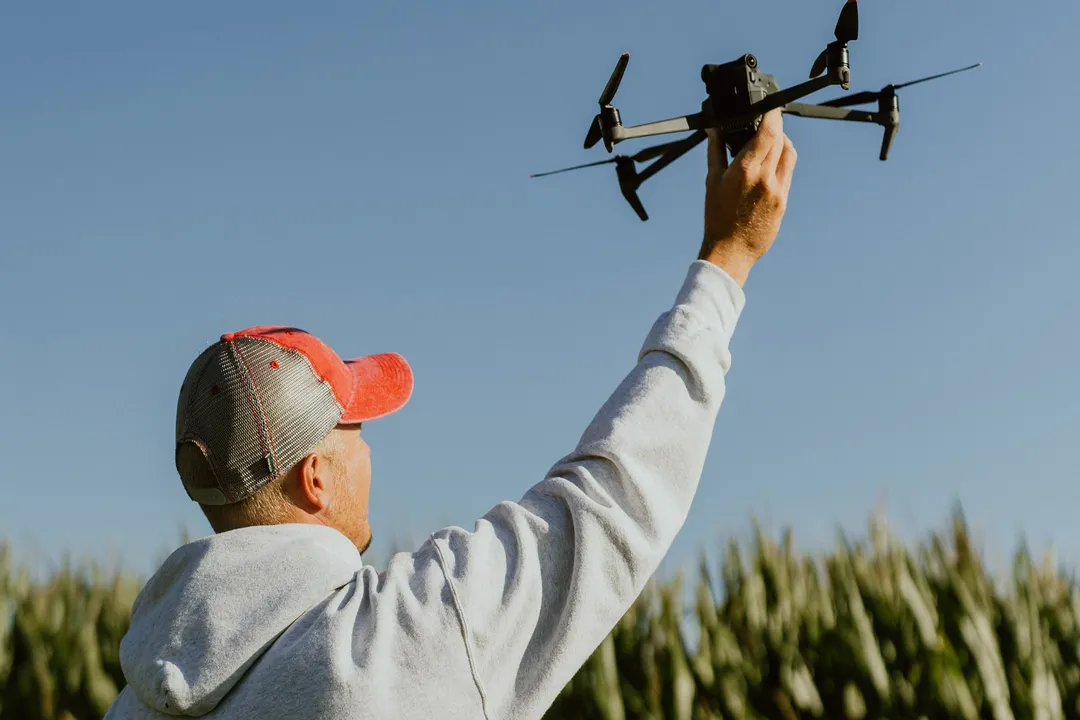
For many, the "best" job is defined by its earning potential, and agriculture offers several lucrative paths outside of direct farm ownership. [1] While the highest-paying positions often require advanced education or significant sales responsibility, they provide excellent career stability within rural settings. [1][9]
# Sales Management
Jobs centered around agricultural sales and marketing frequently top compensation lists. [1] This role involves selling high-value inputs—such as seeds, chemicals, machinery, or specialized feed products—directly to agricultural producers. [10] These roles often require an understanding of business cycles, commodity pricing, and deep product knowledge, making them ideal for individuals who enjoy relationship building and performance-based compensation, which can include substantial commission structures. [1] These positions are crucial because they connect rural producers to the wider market economy. [7]
# Specialized Consulting
Consultants specializing in niche areas, such as commodity trading or risk management, also command high salaries. [1] These experts help operations navigate volatile market conditions, secure financing, or develop complex business plans. While some high-level finance roles might be based in cities, many successful agricultural consultants maintain a presence in or near the rural centers they serve to remain close to the client base and understand local conditions intimately. [4][3]

# Rural Support
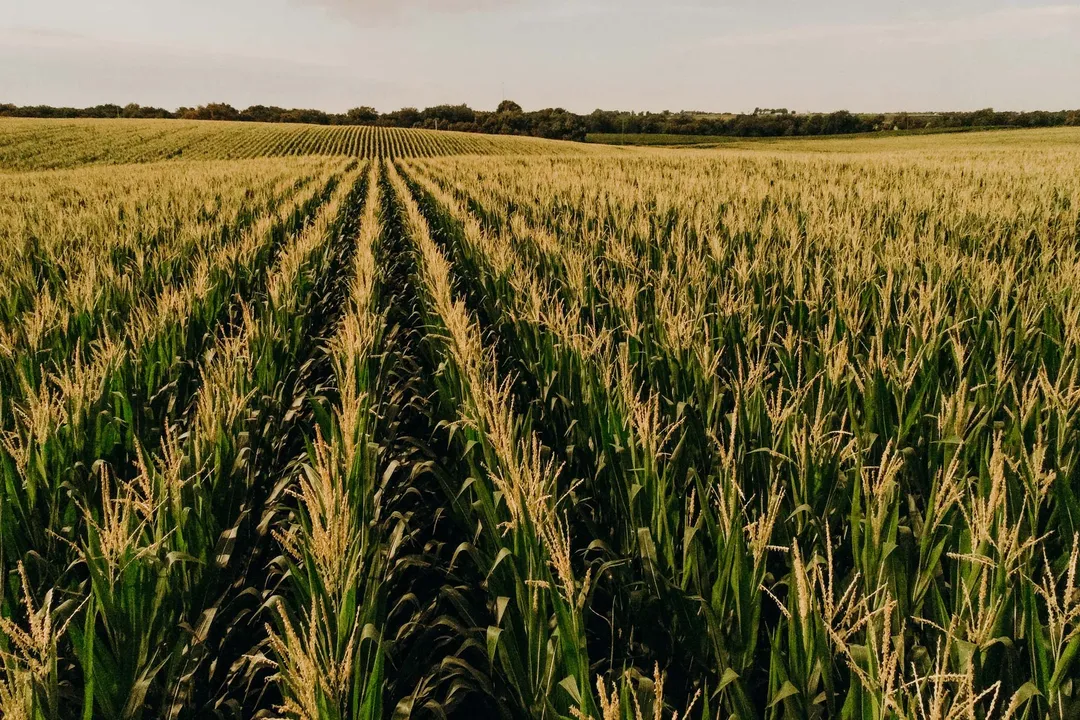
Agriculture's value extends into the supporting infrastructure that keeps rural communities functioning and developing. Federal and state agencies play a key role here, offering stable employment directly tied to community well-being. [7]
# USDA Careers
The U.S. Department of Agriculture (USDA), specifically its Rural Development (RD) office, offers positions that directly impact rural areas through housing, business, and infrastructure financing. [4] These careers, such as loan specialists, community program analysts, and compliance officers, are vital for ensuring rural areas have the necessary tools to grow beyond just food production. [4] Working for an agency like the USDA RD provides a strong sense of purpose focused on community stability, often with the benefit of federal pay scales and retirement plans, which can be a significant economic anchor for a small town. [4][1]
# Financial Services
Beyond government roles, local agricultural lending and credit unions require experts in farm finance. [10] These professionals must understand complex collateral valuation, seasonal cash flow patterns unique to agriculture, and regulatory requirements. [3] A local banker who genuinely understands the nuances between corn futures and cattle futures is an indispensable part of the local agricultural ecosystem, unlike a generalist loan officer in an urban setting. [7]
# Advanced Degrees
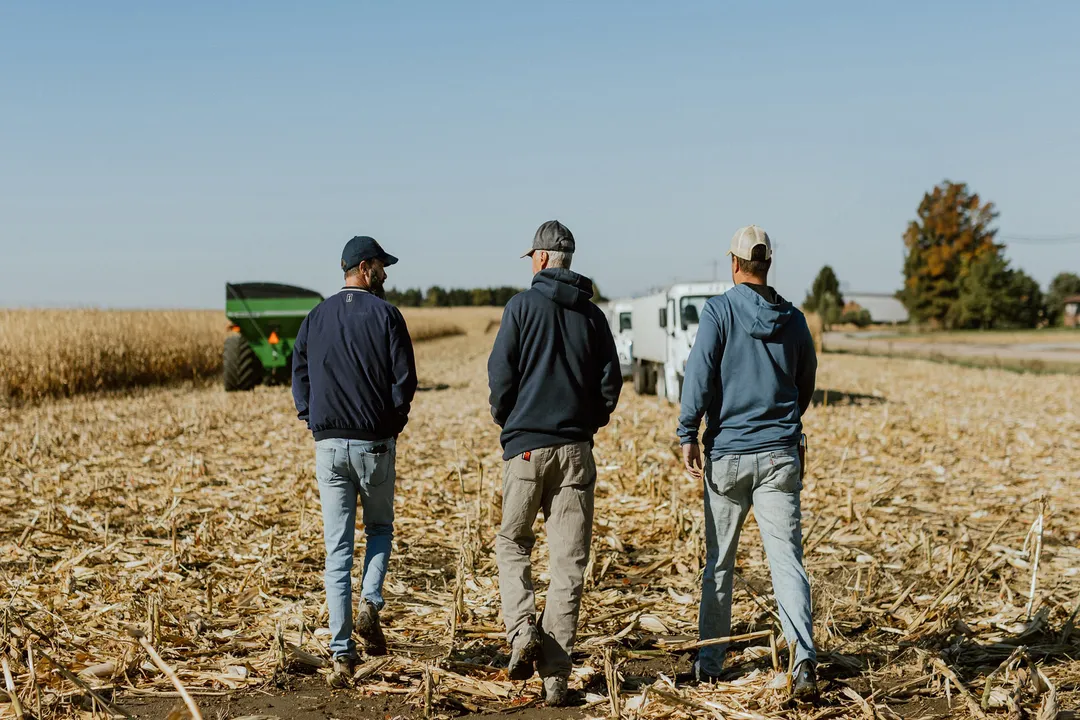
For those interested in innovation and long-term impact, careers requiring a Master’s or Doctoral degree are essential for advancing the science behind agriculture. [9] These roles often become anchors for agricultural research and education within rural hubs.
# Plant Science
Positions in plant breeding and genetics require advanced study, focusing on developing crops resistant to disease, drought, or those with enhanced nutritional profiles. [9] While much foundational research happens at large universities, many seed and biotech companies maintain field testing stations and research facilities in rural locations to conduct real-world trials, creating local R&D jobs. [5]
# Food Safety
As global supply chains lengthen, the need for experts in food safety and quality assurance within the processing chain is paramount. [9] Professionals with Master’s degrees in food science might oversee processing plants or develop new preservation techniques. [8] When these facilities are located rurally—as many meatpacking or grain processing centers are—these jobs provide stable, high-skill employment far from major metropolitan centers. [2]

# Surprising Niches
The breadth of modern agriculture means that many non-obvious jobs are critical components of the overall system, often requiring practical skills coupled with specialized knowledge. [8]
# Ag Tourism
A growing sector, particularly in regions with scenic beauty or unique operations, is agricultural tourism. [5] This involves managing farm stays, running educational tours, or creating on-farm retail experiences. These jobs require strong hospitality and marketing skills, blending the farm experience with customer service, a valuable diversification strategy for smaller rural enterprises. [8]
# Sustainability Auditing
With increasing regulatory and consumer pressure, sustainability auditing is a growing field. [6] These auditors evaluate farm operations against environmental standards, carbon sequestration goals, or specific certification requirements (like organic or non-GMO compliance). [5] This work requires deep knowledge of environmental science and regulatory paperwork, often necessitating travel throughout a specific agricultural region. [2]
# Comparative Opportunities
When assessing the "best" fit, one must weigh the typical requirements against the rewards in a rural context. A key difference emerges between roles requiring deep local context versus those requiring remote connectivity.
| Job Category | Typical Requirement Focus | Rural Value Proposition |
|---|---|---|
| Agricultural Lending | Financial Modeling & Regulation | Deep understanding of local commodity cycles [3][7] |
| Precision Data Analyst | Software/Data Science | Direct on-farm application of insights for immediate ROI [6] |
| Sales/Marketing | Relationship Building & Territory Management | Direct client contact; commissions tied to local productivity [1] |
| USDA Rural Development | Public Administration & Policy | Direct impact on community infrastructure and services [4] |
It is important to note that while high-paying roles like sales management offer significant personal reward, careers in public service, such as those with the USDA, provide a different kind of stability—one tied to essential community infrastructure that is often taken for granted until it falters. [4] For someone looking to build roots, a role that requires physical presence, like an agronomist diagnosing local soil deficiencies or a service technician for heavy machinery, often offers better long-term community integration than a purely remote data analysis job, even if the latter offers a higher initial salary. [3]
Furthermore, considering the pace of change, a valuable skill set is the ability to translate emerging national or international agricultural trends—such as new carbon market standards or shifts in trade agreements—into actionable, small-scale local strategies. A county extension agent or a local farm bureau employee who can effectively distill complex federal policy into a three-point plan for a local farmer effectively provides an essential, localized economic service that no national consulting firm can replicate cost-effectively. [10] This capacity to interpret and localize macro-level information is a skill set that ensures long-term relevance in any rural agricultural hub. [7]

# Skill Mapping
To transition into these in-demand agricultural jobs, prospective rural residents should focus their education and experience. If the goal is high earnings, strengthening business acumen alongside technical skills is key. [1] For instance, a technically proficient agronomist who also takes courses in supply chain management might transition into a higher-paying supply chain logistics role for a large feedlot or grain elevator. [2]
Conversely, if community impact is the goal, focusing on regulatory understanding and local governance—perhaps through coursework in public policy or non-profit management—can open doors to the stability offered by USDA or state-level positions. [4] Many paths, even those seeming highly technical, benefit from a communications layer. [3] A brilliant plant scientist who cannot clearly articulate the benefits of a new seed variety to a skeptical farmer will find their research less impactful than a colleague who can present the data compellingly during a field day. [9] This blend of specialized expertise and accessible communication is a hallmark of the most successful professionals in modern agriculture, regardless of their specific title. [5]
# Longevity and Demand
The underlying demand across almost all these sectors remains exceptionally strong. Agriculture, by its nature, must continue to feed populations, ensuring that careers supporting this process are fundamentally secure. [7] The question isn't if these jobs will exist, but what kind of jobs they will be. [6] The trend suggests a steady move away from purely manual, production-focused roles toward knowledge-intensive, service-oriented positions that analyze, finance, regulate, and support the primary production base. [2] This shift makes the rural area a place where knowledge workers, supported by connectivity and local service demand, can build sustainable careers. [10]
Related Questions
#Citations
15 Highest-Paying Jobs in Agriculture | Indeed.com
Different Agricultural Careers That are in High Demand
People with careers in ag, What's the best job you've ever ... - Reddit
Careers at Rural Development
10 Unique Jobs in Agriculture - USDA
Best Careers In Agriculture 2025: Top Jobs & Farming Careers
Farming Creates Value and Employment for Rural Areas
20 Agriculture Jobs That Might Surprise You - Farm Flavor
10 Agriculture Careers That Require a Master's Degree
Feeding the Economy: Agricultural Jobs by State | Market Intel