What Engineering Jobs Are Best for Introverts?
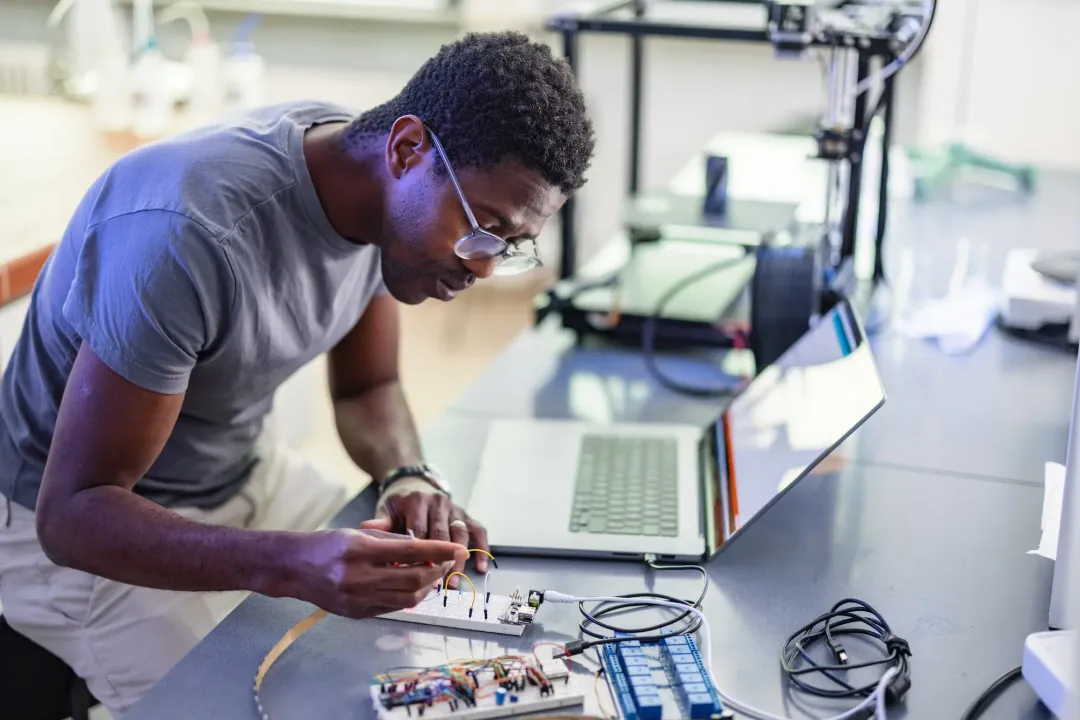
The common perception of engineering often paints a picture of solitary geniuses hunched over complex schematics, happily isolated from the demands of constant social interaction. While it is true that many engineering roles reward deep concentration and analytical solitude, the professional reality is often more nuanced. Engineering, at its heart, is a field of problem-solving, and complex problems rarely get solved in a vacuum; they require collaboration, presenting findings, and understanding stakeholder needs. However, for those who derive energy from introspection—the introverts—the engineering landscape still offers numerous rewarding career paths where their strengths in focus, detail orientation, and deep analysis become highly valued assets. The secret lies not in avoiding people entirely, but in selecting roles and environments where communication is structured and purposeful, minimizing draining, unstructured social demands.
# Engineering Reality
It is a persistent myth that all engineers prefer—or should prefer—working alone, almost as anti-social hermits. The truth, as many professionals attest, is that engineering disciplines utilize a full spectrum of personalities, including highly extroverted engineers who excel in leadership, sales, or high-interaction project roles. Introversion, in this context, is best understood as a preference for environments that allow for deep focus and solitude to recharge, rather than an inherent dislike of people.
Nearly every engineering path involves teamwork. Early in a career, or even in academic settings, engineers are expected to collaborate on design, testing, and troubleshooting. For instance, if a mechanical engineer designs a component, they must communicate with design teams, analysis engineers (like CAE specialists), manufacturing teams, and eventually marketing or stakeholders. A great engineer’s technical brilliance is only as useful as their ability to clearly express why their solution is superior, meaning communication skills are essential, regardless of personality type.
The crucial distinction for an introvert is where the required interaction occurs and how much of the day is dedicated to it. While some roles demand constant meetings, delegation, and team building—traits suited for extroverts—other positions allow for extended periods of uninterrupted technical immersion. For the introvert seeking a professional home in engineering, the best roles emphasize deep analytical tasks that serve as the bedrock of a project, with social engagement happening in focused, planned intervals.
# Quiet Focus Roles
Several engineering specializations inherently lean toward deep, focused analysis and design, minimizing the need for constant back-and-forth communication. These roles allow engineers to harness their capacity for sustained concentration.
Roles focused on the how and what of systems, often with an emphasis on specifications and documentation, tend to be more introvert-friendly. For example, in disciplines like Electrical or Mechanical Engineering, the positions centered on deep analysis and initial design specifications are generally preferable to those involving client-facing sales or high-level project management.
Within the broader spectrum of engineering, positions that require rigorous adherence to codes or deep, solitary testing often provide the necessary quiet time. One engineer noted that in a refinery setting, while many downstream jobs might be challenging for introverts, the controls niche is often a sanctuary. This suggests that even within a traditionally interactive field, specialization dictates the daily experience.
Furthermore, the rise of specialized design and analysis roles, irrespective of the core discipline, offers pockets of quietude. For example, a civil engineer might work on project management (high interaction) or focus purely on CAD modeling and structural analysis (low interaction). It is the specific job function that matters, not merely the degree title. A general tip for any sensitive engineer is to seek environments that prioritize quality of work and deep thinking over constant visibility and high-stimulation environments.

# Data Domains
The intersection of engineering and data science offers some of the most structured and analysis-heavy roles available, providing excellent alignment for introverted preferences. These jobs thrive on logical thinking, pattern recognition, and attention to detail—qualities often sharpened by introverts.
Database Administrators (DBAs) manage and maintain data storage systems, focusing on integrity, security, and performance optimization. This work is highly structured and allows for significant independent problem-solving, revolving around systems and logic rather than people dynamics.
Data Analysts and Data Scientists immerse themselves in transforming raw data into actionable insights. They work "behind the scenes," using statistical tools to uncover trends that drive organizational strategy. While they must report findings, the bulk of the work involves deep concentration and independent sifting through complex information sets.
Machine Learning (ML) Engineers also fit well here. They develop algorithms by working independently on large datasets to teach machines how to solve problems. This role blends technical expertise with creative problem-solving, often allowing for long stretches of focused coding and model refinement without constant interruption.
It is worth noting a key difference here: while Data Analysts focus on interpretation and reporting, roles in Information Security or Cybersecurity focus on vigilance and defense against threats. Cybersecurity specialists spend time monitoring networks and developing preventative strategies, communicating primarily through technical reports, which suits a preference for written rather than verbal interaction.
# Design Coding
The technology sector, which heavily draws upon engineering principles, presents numerous roles where the creation process is prioritized over social performance.
Software Developers are often highlighted as ideal for introverts because the core task—coding, testing, and maintenance—requires prolonged, critical thinking and deep focus. While collaboration occurs, much of the time is spent working independently on programming languages like Python or Java to build applications. The interaction often centers on code reviews or asynchronous documentation rather than spontaneous group dialogue.
The field of UX/UI Design combines technical understanding with creativity, allowing introverts to focus on user empathy and detailed prototyping. Introverts often excel at deep focus required for creating intuitive interfaces and visualizing user flows. While user research and developer collaboration are necessary, the design phase itself allows for significant independent work.
Another strong candidate is the Technical Writer. This role is about transforming complex engineering concepts into clear, accessible documentation. It demands strong independent research skills to master a topic and then distill it concisely. While there is a collaborative editing process involved, the primary activity is solitary writing, making it highly compatible with those who prefer to express their knowledge through well-structured text rather than live presentation.

# Field Variation
When considering specific engineering fields like Civil, Mechanical, or Industrial, it is less about the discipline name and more about the functional role within that field. Industrial Engineering and related Systems Engineering roles have been specifically cited as potentially demanding more extroversion, as they often require interacting with a very wide range of personnel, from line workers to upper management, sales, and IT, to optimize processes.
For an introvert, choosing a discipline where the typical work environment involves heavy fieldwork, client management, or sales—like a traditional Sales Engineer who needs to be comfortable negotiating—should be approached with caution. Conversely, disciplines that lend themselves to pure design, modeling, or backend infrastructure maintenance are typically a safer bet.
When approaching this decision, one helpful approach is to categorize potential roles by their primary mode of interaction, which can be a personal metric not always obvious from a job title:
| Role Type | Primary Focus | Social Interaction Level |
|---|---|---|
| Design & Analysis | Deep technical problem-solving, modeling, research | Low to Medium (Structured) |
| Implementation & QA | Testing, coding, configuration, maintenance | Low (Independent Focus) |
| Project/Management | Coordination, delegation, stakeholder alignment | High (Frequent meetings, negotiation) |
| Sales/Field Support | Client interaction, presentations, relationship building | High (Unstructured social demands) |
# Environment Matters
The organizational culture often outweighs the technical specialization in determining daily happiness for an introvert. A highly analytical role in a cutthroat, gossipy, or intensely competitive environment will quickly drain even the most focused individual.
Introverts and highly sensitive people thrive where the following factors are present:
- Freedom to manage personal time.
- Access to quiet spaces necessary for deep thought.
- A culture that values kindness and authenticity.
- A clear, logical structure to systems and processes.
- Opportunities for one-on-one interaction over large group dynamics.
The possibility of remote work is a significant advantage in this regard, as it grants direct control over the immediate work environment, eliminating draining stimuli like open-plan offices or constant desk interruptions. If remote work isn't an option, securing a workstation away from high-traffic areas or persistent noise sources can make a substantial difference in maintaining the necessary concentration levels.

# Skill Growth
Since total isolation is neither realistic nor beneficial in a career intended for advancement, introverts must find ways to manage necessary social demands effectively. The key is not to transform into an extrovert, but to develop targeted communication skills that serve the work, rather than draining personal energy for social upkeep.
One practical strategy involves prioritizing communication through high-quality, well-researched artifacts. Instead of dreading a status meeting, focus immense effort on ensuring the technical report, the design specification document, or the code repository is so thorough and logically sound that the meeting becomes a quick validation or a focused Q&A session on specific points, rather than an open-ended ideation session. When your work product speaks volumes, the verbal portion of your contribution feels less daunting because it is built upon tangible evidence you already mastered in solitude.
Another actionable tip involves viewing necessary presentations or stakeholder interactions as a skill to be practiced and mastered, just like any technical subject. Just as one practices a complex simulation until it becomes second nature, practice delivering presentations in low-stakes settings—with friends, recording oneself, or even in front of family—to make the actual event more about relaying mastered information and less about spontaneous performance. This approach frames the social interaction as a necessary function of the engineering process, rather than a personality test, allowing the introvert to rely on their deep subject matter expertise as their foundation. Recognizing that many engineers have had to develop these skills over time, often finding that confidence grows with repetition, can relieve the pressure to be a "natural" speaker.
Ultimately, the best engineering job for an introvert is one that aligns the daily tasks with their natural inclination for deep, focused work, while still permitting professional growth through periodic, high-value, and well-prepared interactions. The field has plenty of niches that reward the quiet observer and meticulous analyst.
Related Questions
#Citations
Which engineering is most suitable for introverts? - Reddit
Which engineering jobs work with people the most? - EngineerGirl
Introverts in Engineering? | CareerVillage
Best Careers for Introverts, HSPs, Sensitive People - Val Nelson
Best careers for introverts in 2025 - Resumatic Blog
What Tech Job Is Best for Introverts? - Bliss Drive