What Construction Jobs Use New Technology?
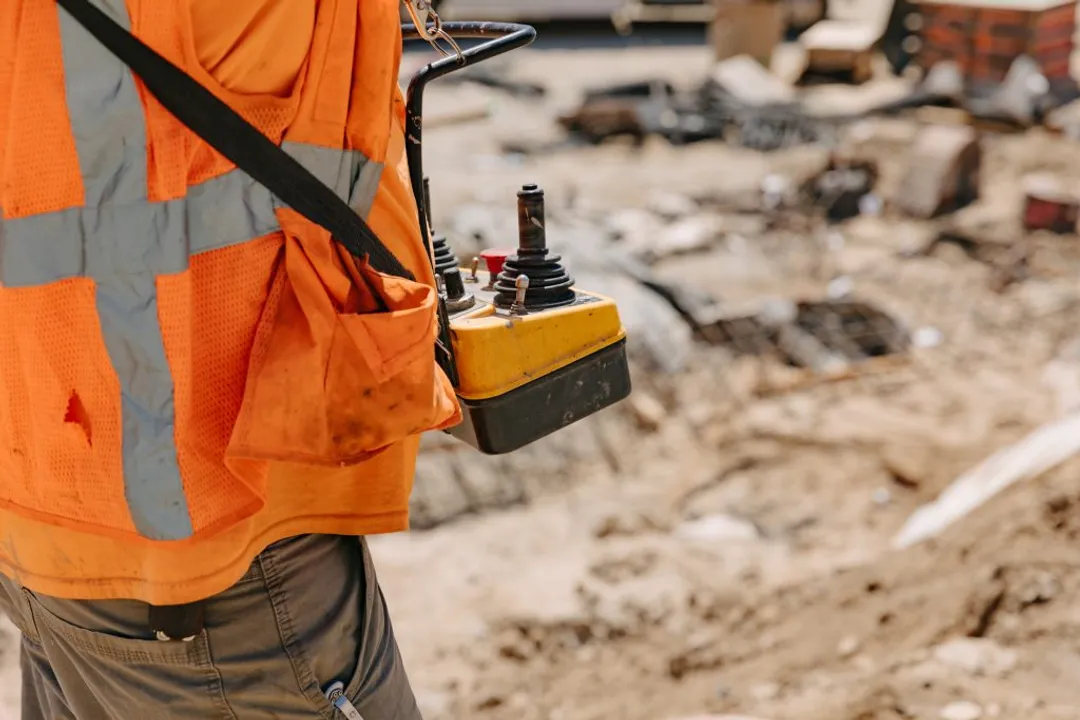
The construction industry is undergoing a significant metamorphosis, driven by an influx of digital tools, advanced hardware, and data science. This transformation isn't just about automating old tasks; it’s about creating entirely new specialties and fundamentally altering the skill requirements for almost every role on site and in the office. The jobs that define modern construction now require an aptitude for technology, often blending traditional building knowledge with software proficiency.
# Digital Design
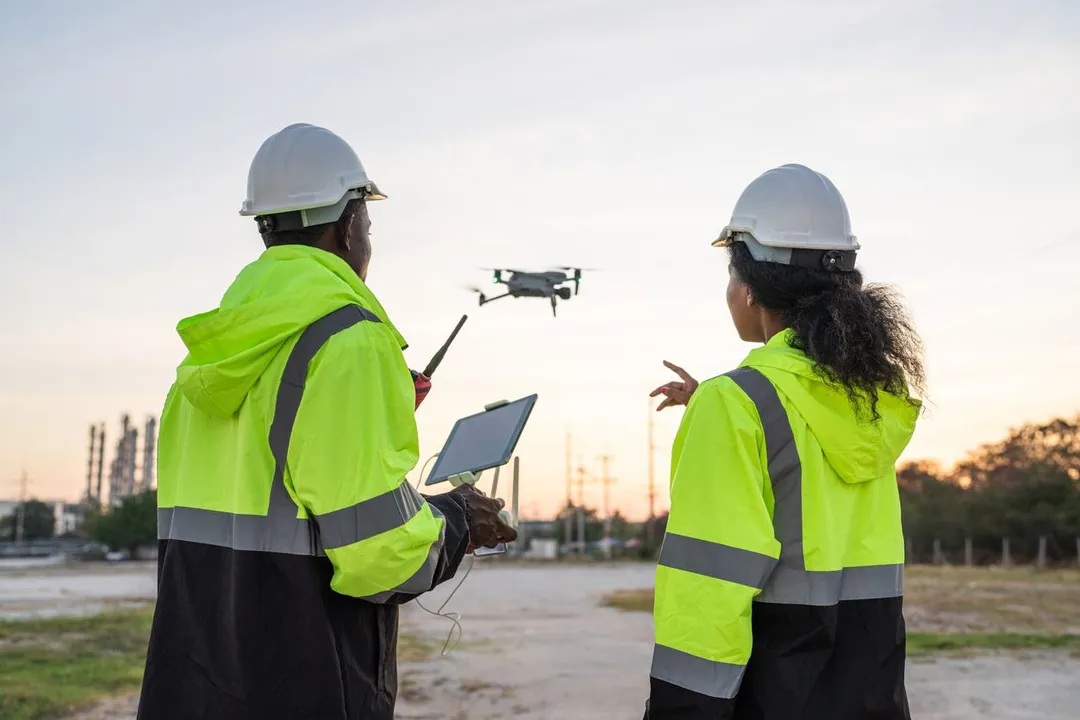
The shift away from paper blueprints is largely complete, but the technology built upon that foundation continues to mature, demanding specialized expertise. Building Information Modeling, or BIM, remains central to this digital ecosystem. BIM specialists are critical for creating and managing the intelligent, data-rich 3D models of projects. This role goes far beyond simple drafting; it involves coordinating the model so that architects, engineers, and contractors work from a single source of truth, which helps identify clashes and errors before breaking ground.
A step beyond traditional BIM is the concept of the Digital Twin. This emerging application links the live, physical asset to its digital model, incorporating real-time data from sensors and IoT devices attached to the structure during and after construction. Jobs focused on managing Digital Twins require personnel capable of integrating the physical world data stream with the virtual model, ensuring the digital representation remains an accurate, functioning counterpart to the real structure. These specialists often straddle the line between construction management and facility operations.
# Site Automation
The job site itself is becoming increasingly mechanized, leading to roles centered around operating and maintaining sophisticated machinery and monitoring tools.
# Robotics Oversight
As autonomous equipment, such as bricklaying robots or self-guiding excavators, become more common, there is a growing need for Robotics Technicians. These individuals must understand mechanical maintenance, software diagnostics, and how to safely integrate automated systems with human crews. This isn't just mechanical repair; it’s troubleshooting complex cyber-physical systems.
# Aerial Surveying
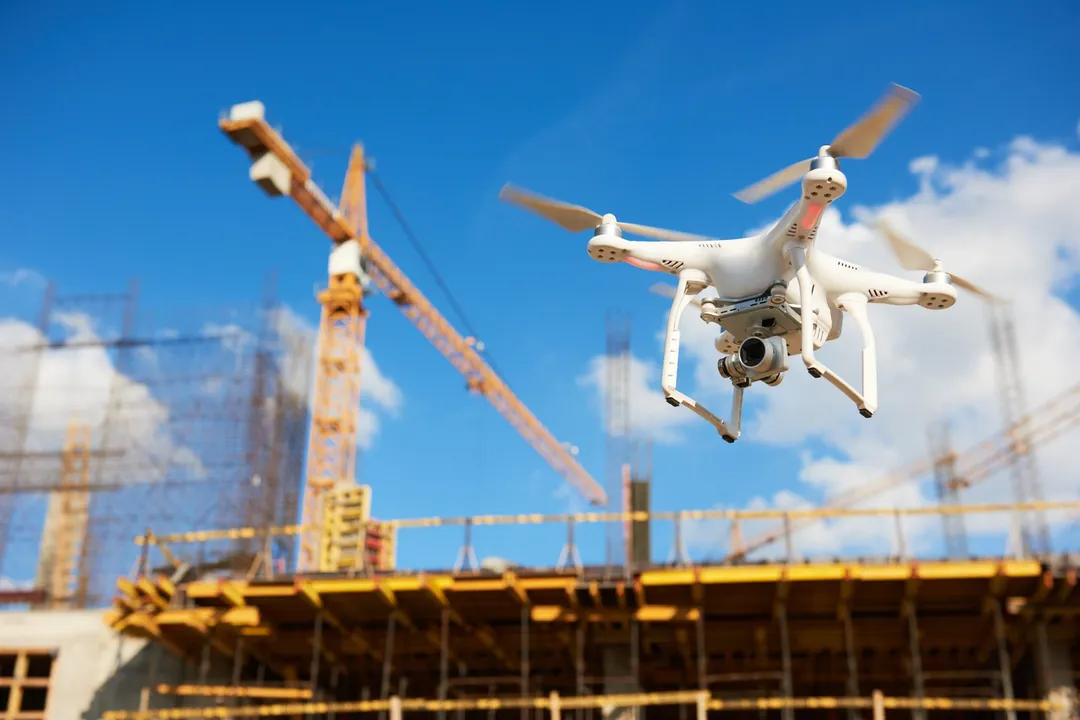
Drones, or Unmanned Aerial Vehicles (UAVs), have become standard tools for site assessment, progress tracking, and safety inspections. This has generated a distinct need for Drone Operators. While general site personnel might learn basic flight protocols, professional operators require specific certifications and expertise in photogrammetry—the science of making measurements from photographs—to convert aerial imagery into accurate progress reports or topographic maps. These operators bridge the gap between visual inspection and quantitative data collection.
# Data Management
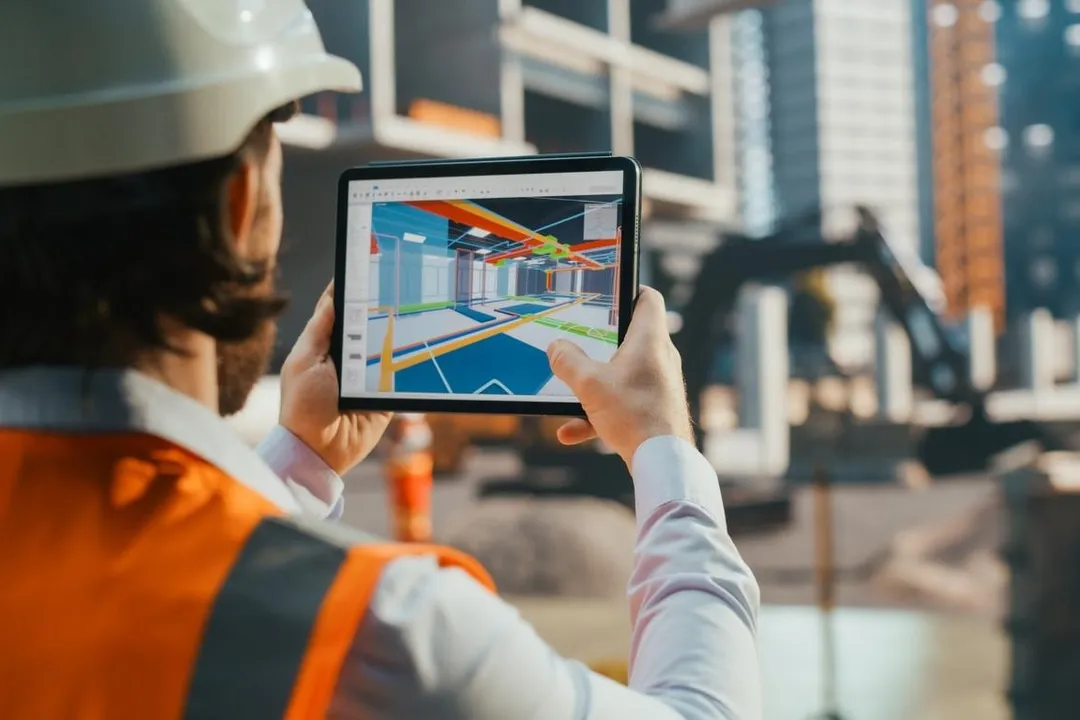
Construction generates massive amounts of data, whether from ground sensors, material tracking systems, or daily activity logs entered via mobile devices. Managing, interpreting, and applying this information drives some of the newest job categories.
# Analytics Careers
The industry is seeing demand for Data Scientists and Construction Analysts. Their primary function is not to pour concrete but to find patterns within the collected data. For example, an analyst might use historical project data alongside current site conditions to develop predictive models that forecast material shortages or schedule delays with greater accuracy than traditional methods. Similarly, Geospatial Analysts are employed to manage and interpret the complex spatial data derived from laser scans and GPS-enabled equipment.
# System Administration
Just as a construction firm needs someone to manage the physical fleet of trucks, they need experts managing the digital fleet of software tools. Roles like Construction Technology Managers or Digital Construction Managers focus on selecting, implementing, and ensuring the interoperability of various platforms, from enterprise resource planning (ERP) systems to specialized scheduling applications. They act as the internal consultants ensuring field teams can effectively use the technology provided.
# Visualization Roles
The ability to visualize projects in immersive ways is revolutionizing training, client relations, and quality control checks on site.
# VR and AR Specialists
Virtual Reality (VR) is being used to walk clients through a building before construction begins, or to train workers on hazardous procedures in a safe environment. Augmented Reality (AR) is seeing application on the ground, where foremen can overlay the BIM model onto the physical work area using tablets or headsets to verify that installations (like piping or steel placement) match the design specifications perfectly. The personnel needed here are those who can build, program, or deploy these complex visual environments, requiring a blend of design software knowledge and on-site construction context.
The integration of these various technologies means that data flow management has become as important as material flow management. Consider the typical workflow of a mid-sized commercial site adopting these changes. The traditional foreman might spend two hours walking the site logging progress notes on a clipboard; the technologically advanced site manager, however, is managing a drone flight that takes 30 minutes, uploading imagery analyzed by an AI algorithm that flags deviations against the BIM model within the hour, and then communicating necessary corrections via a mobile app to a subcontractor equipped with an AR overlay.
Where the industry often faces a hurdle is in merging the practical experience of veteran tradespeople with these new digital requirements. We often see a dichotomy emerge: either hiring specialists who know the tech but not the trade, or expecting existing staff to absorb steep learning curves independently. A practical approach many successful companies adopt involves pairing a seasoned superintendent with a newly hired BIM coordinator for a minimum of six months on a single project. This structured mentorship ensures the valuable, non-codified knowledge of how things fail in the field gets accurately translated into the digital models, refining the models themselves, rather than just having the models dictate field activity. This blend of expertise prevents technology from becoming an isolated, purely theoretical layer imposed upon the physical work.

# Evolving Field Requirements
Technology is also changing the existing, traditional roles rather than creating completely new ones. For instance, the role of the general superintendent or project manager is increasingly defined by their proficiency with integrated project delivery systems. They must be adept at managing the data ecosystem, which often includes Construction Management Software (CMS) platforms. Furthermore, as construction connects more directly to the lifecycle of the building through digital handover (PropTech), roles are emerging that focus on asset management post-completion, requiring construction professionals with an understanding of facility maintenance software and building performance metrics.
| Traditional Role Focus | Technology Integration | New Skill/Role Emphasis |
|---|---|---|
| Blueprint Reading | BIM Coordination / Digital Twins | 3D Model Management, Data Integrity |
| Site Surveying | UAV/Drone Operations | Photogrammetry, Regulatory Compliance |
| Scheduling/Tracking | Mobile Field Data Capture (IoT) | Predictive Analytics, Real-Time Reporting |
| Quality Assurance | Augmented Reality (AR) Overlay | Clash Detection on Site, Digital Verification |
| Equipment Maintenance | Automated/Robotic Machinery | System Diagnostics, Software Troubleshooting |
While large-scale infrastructure projects often possess the capital to invest in high-end robotics and advanced sensor networks, the adoption pattern for technology in smaller construction sectors, such as local residential building, can look quite different. In many mid-sized markets, the most immediate and widespread technological impact comes not from expensive automation but from mobile Field Data Capture applications. These tools act as the digital clipboard, replacing paper forms for daily logs, safety checklists, and material receipts. This democratization of data collection is often the first significant technological step for smaller firms, proving that effective technology integration doesn't always require massive capital expenditure on hardware, but rather effective software deployment.
The future of construction employment is clearly tied to an ability to interact with digital information and automated systems. Whether one is flying a drone to capture progress, analyzing that data stream to predict workflow bottlenecks, or simply using an AR headset to verify a connection point, the modern construction professional is, by necessity, a technologist.
Related Questions
#Citations
6 Construction Jobs of the Future & How the Workforce Can Prepare
10 Innovations that Will Change Construction - Digital Builder
6 Types of Construction Technology for the Future - Device Magic
Tech-Driven Construction Careers: New Industry Roles | TOPS
Top 5 Tech-Related Jobs in Construction - Build California
The Construction Site of the Future: What the Data Says About Jobs ...
How AI and Technology Are Changing Construction Hiring
11 Emerging Construction Technology Trends 2025 | Intellectsoft
Tech-Driven Future: Emerging Jobs In Construction And Real Estate