What jobs exist in coral restoration technology?
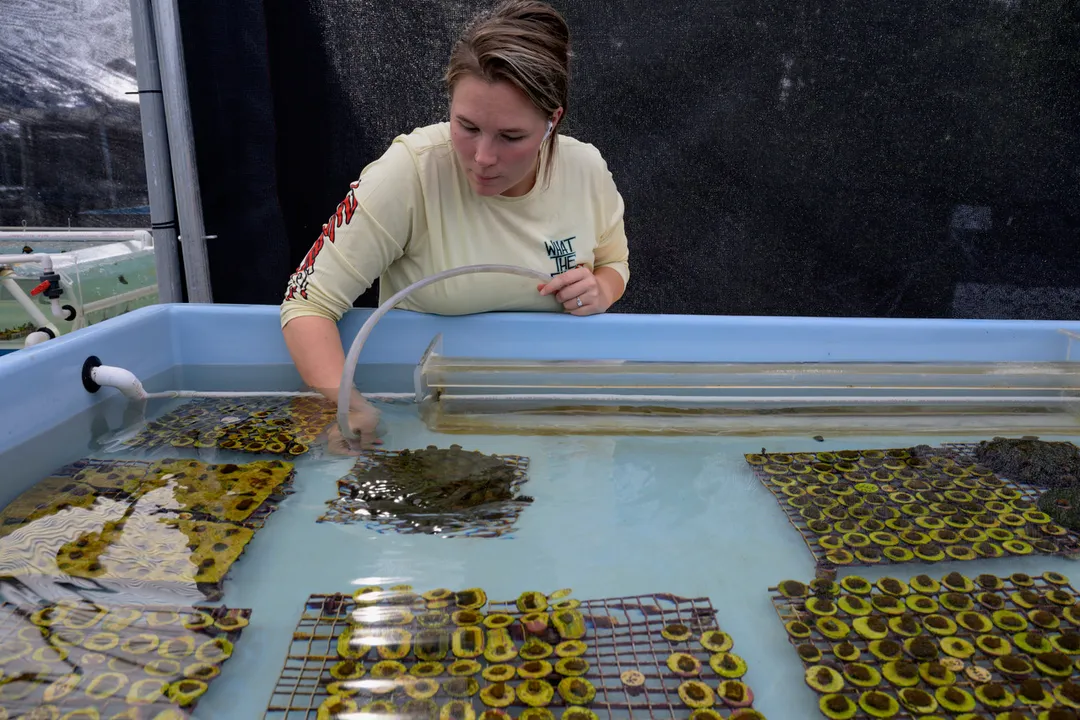
The field dedicated to saving and rebuilding coral reefs is rapidly evolving, moving from simple outplanting efforts to complex, technologically informed interventions. This shift means the job market within coral restoration is broadening significantly beyond traditional marine biology roles. If you picture someone simply swimming out and gluing coral fragments onto a reef, that’s part of it, but the sophistication required for restoration technology opens doors for engineers, data specialists, horticulturists, and specialized field operators. [1][6][7] The work now centers on scaling restoration efforts, increasing resilience, and developing new methods to combat widespread decline caused by climate change and other stressors. [3][5]
# Field Operations

At the front line of coral restoration are the individuals who perform the physical work, often requiring specific certifications and substantial on-site time. The Coral Restoration Technician is perhaps the most recognizable role in this sector. [1][6] This position is physically demanding, involving long hours in and out of the water, often in challenging marine environments. [5]
Coral Technicians are responsible for the day-to-day care of corals, which starts in the nursery. This can involve cleaning coral trees or structures, fragmenting large colonies to grow more pieces, and general maintenance to ensure the health of the "stock" before outplanting. [1][6] Level 1 technicians, for instance, might focus primarily on nursery maintenance, while higher-level technicians might take on more complex tasks like leading outplanting dives or managing site assessments. [6]
A critical component of these field roles, especially in cutting-edge restoration, is high-level diving proficiency. While basic diving skills are a prerequisite, many roles require advanced certifications, such as being a Divemaster or Instructor, or specialized skills for data collection. [5] One specific requirement for certain research or monitoring careers is the ability to scuba dive specifically to take video and document the bleaching crisis or restoration progress. [8] This blending of physical activity, meticulous underwater work, and data capture is the essence of technical field restoration.
| Role Category | Primary Focus | Key Technological Aspect | Typical Certification Base |
|---|---|---|---|
| Coral Technician | Nursery maintenance, outplanting, site preparation | Managing automated nursery systems, precision attachment | Advanced Open Water, Rescue Diver |
| Research Diver | Underwater surveying, photogrammetry, data logging | Using specialized camera rigs, GPS tagging | Scientific Diver certification, Video specialization [8] |
| Nursery Manager | Inventory, breeding programs, stock management | Tracking growth via digital systems, environmental controls | Biology/Horticulture background, operational oversight |
# Engineering Innovation
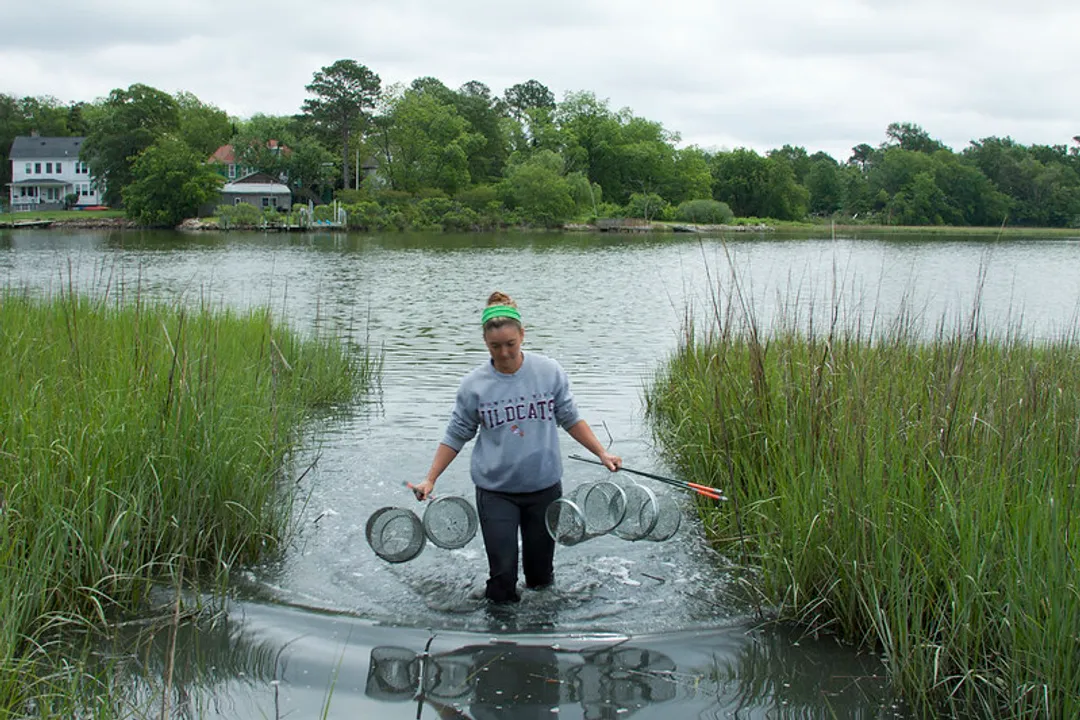
The need to scale restoration efforts—moving from dozens of corals to thousands or millions—drives the need for engineering solutions. This is where the "technology" in coral restoration technology truly manifests. [1][7] Engineers are not just designing better underwater tools; they are rethinking the entire process of coral propagation and deployment. [7]
The development and refinement of nursery structures themselves require engineering input. This includes designing materials that resist biofouling, withstand storms, and are easily deployable or recoverable. [7] Innovations might involve developing modular structures that can be quickly assembled on-site or creating submerged 'coral farms' that mimic natural reef structures more effectively than simple lines or trees. Roles in this area might be titled Marine Engineer, Restoration Systems Designer, or Materials Scientist focusing on reef substrates. [7]
Furthermore, technology is being integrated into the process of moving the corals. For instance, innovations might focus on automated or semi-automated fragmentation tools, or developing better ways to secure large, resilient coral structures onto degraded substrate using novel cementing agents or anchoring systems. [7] Thinking about the longevity of the restoration effort means engineers must consider long-term oceanographic forces, which requires modeling and simulation—a very high-tech approach to marine conservation.

# Data Science
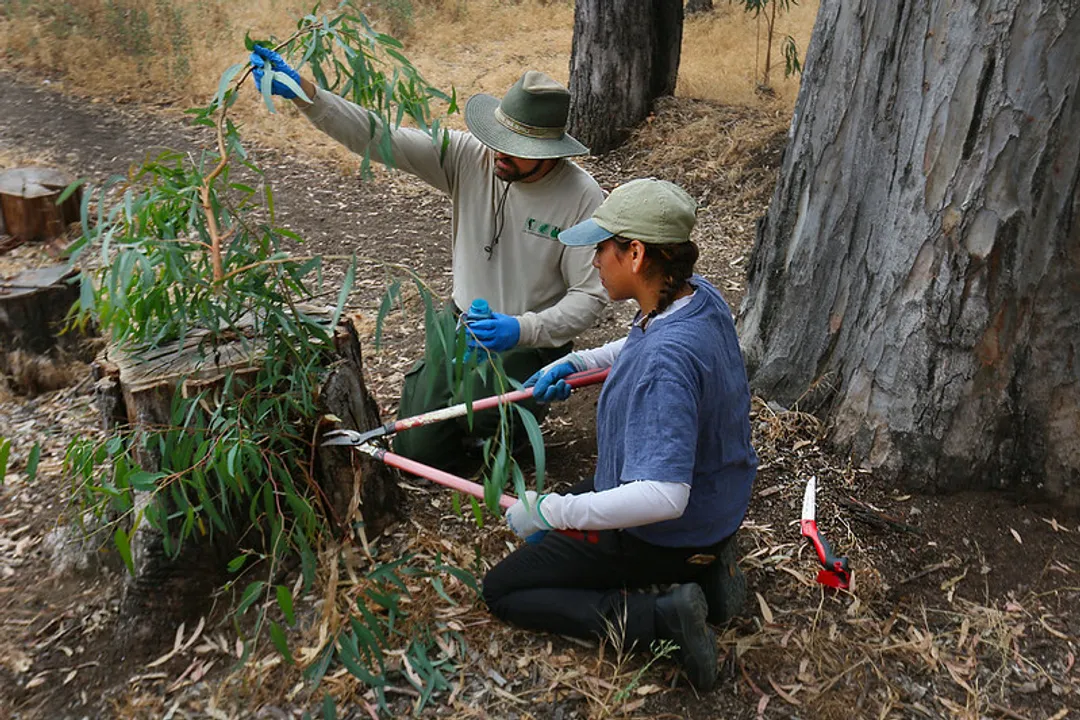
No matter how many corals are outplanted, if scientists cannot accurately measure success, the efforts are not truly scalable or optimized. This creates a significant niche for jobs heavily focused on Data Collection and Analysis. [5] These positions bridge the gap between the field technician placing the coral and the scientist making strategic decisions.
Jobs here often involve Photogrammetry Specialist or GIS/Remote Sensing Analyst. Photogrammetry—the science of making measurements from photographs—is becoming vital for creating 3D models of restored sites over time. This allows researchers to track coral growth rates, colony complexity, and survivorship with far greater precision than simple visual surveys. [5] A technician might take overlapping photos, but a specialist analyzes the massive dataset generated by these images using specialized software to quantify reef structure change.
This data must then be organized, stored, and visualized. Therefore, roles like Database Manager or Data Scientist are emerging. They create the platforms that track the metadata: which coral genotype was placed where, when it was placed, who placed it, and how it performed under specific environmental conditions (temperature, light exposure). [1] Without this technological backbone, organizations cannot determine which restoration techniques work best in different regions or for different coral species, which is crucial for refining practices across the industry. [4]
If an organization is focused on climate resilience, as many are, the data job might lean toward predictive modeling, integrating local sea surface temperature data with coral growth models to prioritize vulnerable areas for intervention—a truly high-tech conservation strategy. This involves synthesizing local data (from technicians) with global climate data streams.
# Interdisciplinary Career Paths
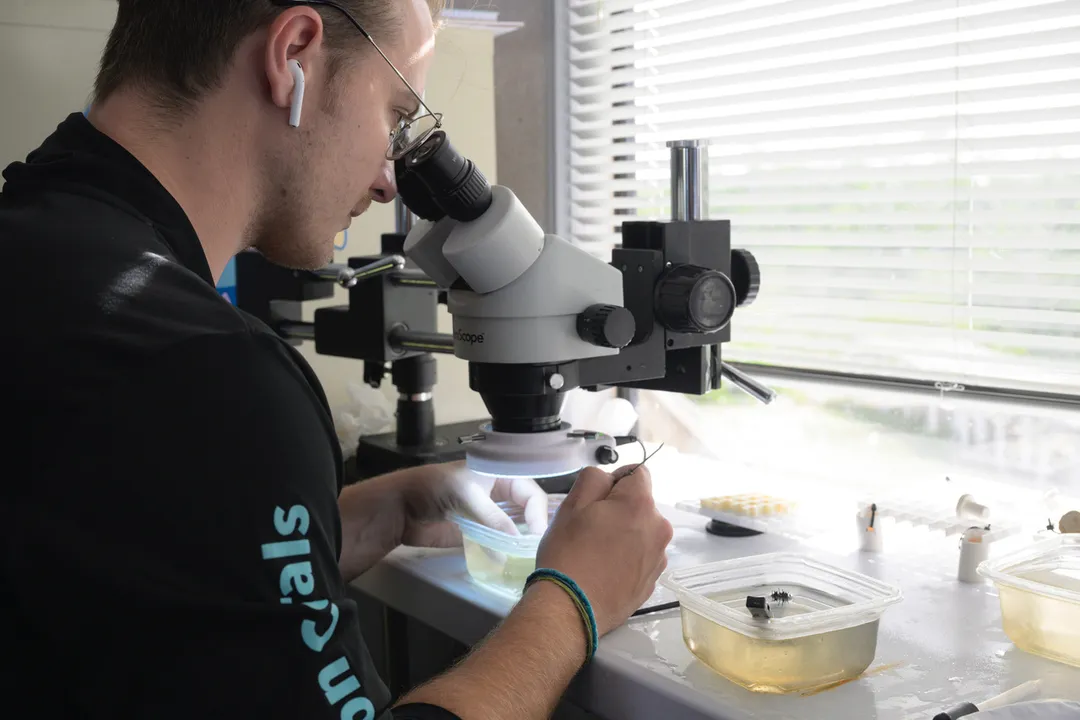
The reality of coral restoration technology is that few jobs exist in a pure vacuum. Most roles demand a blend of soft skills, field competency, and technical knowledge. This interdisciplinary requirement is often highlighted when individuals seek advice on entering the field. [5]
For example, a Restoration Coordinator might need basic ecological knowledge, project management skills, and proficiency in managing budgets, personnel schedules, and reporting—often using project management software that relies on cloud-based data. [1][4] They need to understand the technological outputs (the data) but manage the human element executing the technical work.
Another pathway merges traditional biology with technology: Coral Husbandry Specialist. While husbandry sounds like gardening, in a high-tech nursery setting, it involves managing water quality systems, light spectrums, and potentially controlled environments (though less common than in terrestrial agriculture, it is a growing area for research). [1][4] They might be responsible for maintaining the life support systems for in situ nurseries or experimental tanks, requiring knowledge of plumbing, water chemistry monitoring sensors, and automated dosing systems.
We can compare the technical requirements of two seemingly similar field roles:
- The Traditional Outplanter: Focuses on substrate preparation, handling fragile fragments carefully, and ensuring correct attachment. Primary technology is knowledge of attachment materials (epoxy, cement).
- The Tech-Augmented Surveyor: Focuses on precisely mapping the outplanting location using survey-grade GPS, collecting photographic evidence for 3D modeling, and logging environmental data via tethered sensors. Primary technology is the data acquisition hardware and software.
It is insightful to note that the growth in technology jobs doesn't necessarily mean fewer diving jobs; rather, it means the diving jobs are becoming more specialized. A general scientific diver might be replaced by a specialist who is certified in, say, high-resolution videography or operating small remotely operated vehicles (ROVs) for deeper or riskier site inspections, providing an original avenue for specialized certification that directly supports technological data gathering. [8]

# Educational Foundations and Entry Points
Gaining employment in this specialized area often starts with a specific educational background, though practical experience can sometimes outweigh formal requirements, especially for entry-level field positions. [5] Degrees in Marine Biology, Ecology, or Oceanography provide the foundational understanding of reef function and degradation. [3] However, the "technology" roles actively seek individuals with backgrounds in Mechanical Engineering, Computer Science, Horticulture (for nursery management), or GIS/Remote Sensing. [1][4][7]
For those aiming for roles like Coral Technician Level 1, organizations often require a high school diploma or equivalent, coupled with significant diving experience and an understanding of basic marine science. [6] Organizations like the Coral Restoration Foundation emphasize that while many positions are field-based, their mission depends on the coordination between field teams and science/admin staff. [1]
For individuals interested in the engineering side, getting involved early through internships or research projects focused on physical oceanography or materials science can be key. Understanding the constraints of the marine environment—salinity, temperature fluctuations, corrosion—is as important as knowing how to design a strong structure. [7]
A helpful, actionable step for anyone interested in these technical roles is to seek out non-profit or research groups that offer dedicated Citizen Science Programs focusing on reef monitoring. While these aren't paid jobs, they often involve training in standardized protocols for data collection, using GPS tagging, or basic underwater visual survey techniques, which directly mimics the data-gathering component of a paid Research Diver or Technician role. [5] It builds documented experience in a technical protocol, which hiring managers value highly.
# Organizational Structures
The career landscape is also shaped by the type of organization hiring. Non-profit restoration organizations often require staff to be highly adaptable, meaning one person might fill several roles—part technician, part data entry clerk, part public educator. [1][4] Their focus is heavily weighted toward efficient, scalable field deployment.
Government Agencies (like NOAA) or large academic institutions might have roles that lean more heavily toward pure research and development. Here, you might find positions dedicated solely to genetic work, assisted evolution experiments, or the testing of entirely new technological substrates, which requires rigorous scientific methodology and adherence to protocols. [3]
For-profit restoration companies often operate with clearer, more specialized departmental structures, similar to engineering firms. They might employ dedicated Project Managers who oversee large contracts, Lead Engineers who develop proprietary restoration hardware, and highly paid Lead Scientists who validate the efficacy of their technological approaches for clients or permitting agencies. [6][7]
When comparing these structures, one sees a trade-off: the non-profit path offers broad experience across technology applications, while the corporate or government path allows for deeper specialization in a single technical discipline, such as materials science for reef stabilization or advanced computational analysis of growth data.

# Future Trajectories
The jobs of today are building the technology for tomorrow's reefs. As our understanding grows, future roles will likely involve even more sophisticated integration of artificial intelligence and robotics. Imagine autonomous underwater vehicles (AUVs) capable of surveying vast reef tracts, identifying areas of stress, and precisely delivering micro-fragmented corals—this will require Robotics Technicians and AI Training Specialists specifically for marine environments. [7]
Another emerging area is Coral Aquaculture Technology. While some nurseries are still relatively low-tech, scaling up requires precision agriculture concepts. This could involve developing closed-loop systems for larval rearing or using light-spectrum technology to accelerate the growth rates of heat-tolerant genotypes, creating specialized Aquaculture Engineers focused solely on coral husbandry systems. [4]
The trajectory suggests that while the fundamental need for skilled divers to execute the final outplanting will always exist, the fastest-growing and potentially highest-paid technical jobs will be those that develop the tools and data pipelines that allow a handful of people to manage the restoration of thousands of acres of reef. This means that an individual with a solid foundation in biology plus skills in coding, data visualization, or mechanical design will be perfectly positioned to transition into the most technologically advanced roles in coral reef recovery. The intersection of the wet lab, the dive site, and the computer server is where the most exciting careers in this sector are being forged.[1][5][7]
Related Questions
#Citations
Careers - Coral Restoration Foundation
What job openings are available in coral reef restoration or marine ...
Get Involved: Internship and Career Opportunities
Careers - Plant a Million Corals Foundation
Looking for career advice about getting into coral reef restoration
Coral Technician, Level 1 - Coral Vita
Engineering & Innovation | CRC - Coral Restoration Consortium
What career would specifically require people to scuba dive to take ...
Restoration and Rewilding Careers - Conservation Careers