How Do I Handle Interview Rejection?

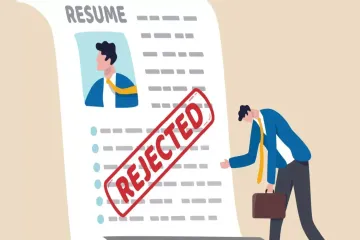
Receiving word that you did not get the job, especially after investing significant time and energy into the interview process, feels like a professional punch to the gut. It’s natural to feel disappointed, frustrated, or even angry when the outcome isn't what you hoped for. [7] Acknowledging these feelings immediately is the first step toward managing the situation without letting the setback derail your entire job search or self-perception. [7][5]
It is important to remember that rejection from an interview is rarely a direct reflection of your worth or even your capability for the role in its entirety. [5][2] Many factors outside your control influence hiring decisions, such as internal politics, budget changes, or another candidate simply possessing one highly specific, niche skill the hiring team prioritized at the last minute. [5] You put your best foot forward, and sometimes, "best" is just not the specific flavor the employer was seeking that day. [2]
# Immediate Response

When the rejection email lands, your initial reaction needs careful management. Resist the urge to immediately send an emotional reply or vent publicly on social media about the company or the process. [3] Take a pause. If you are feeling particularly down, it can be helpful to give yourself a brief mental break before deciding on your next action. [7]
Consider the context of the rejection. If you made it to the final interview stage, it means the company saw significant potential in you. [6] This is a crucial distinction. Rejection after a first screening is different from rejection after spending hours in a final round where you felt you connected well with the team. [2][6] In the latter case, the sting is sharper because you had a clearer vision of yourself in that role. [6]
Here is a quick way to process the initial hit:
- Acknowledge: Name the emotion—disappointment, sadness, anger. Don't suppress it. [7]
- De-personalize: Remind yourself that this is a business decision, not a personal failing. [5]
- Regroup: Take a short break, perhaps an hour or a day, before engaging in any follow-up activity. [3]
This pause prevents you from responding impulsively, allowing you to approach the situation with professionalism, which preserves your reputation. [3]
# Feedback Requests
Once you have processed the initial shock, the next logical step is deciding whether to request feedback. Asking for constructive criticism can be invaluable for improving your performance in future interviews. [2] However, this must be approached strategically.
Some experts suggest that asking for feedback immediately after receiving the rejection email is generally discouraged. [9][3] The hiring manager or recruiter is likely busy concluding the search, and your request might be seen as an imposition or, worse, an attempt to argue the decision. [3] Wait at least a few days before sending a polite follow-up asking for insight. [9]
When you do ask, keep the request brief, professional, and focused on development. A good template involves thanking them again for their time and then clearly stating your request for any constructive pointers that could help your future search. [9]
It’s important to set realistic expectations about the feedback you will receive. Many organizations have strict policies preventing managers from offering detailed critiques due to legal concerns or simply to maintain consistency across candidates. [2] Therefore, you might receive a vague response, or none at all. [2] If they do provide specific reasons, take notes, but avoid arguing against their points. [3] Remember, their perception, valid or not, is their reality for that hiring decision.
One useful analysis of feedback collection involves categorizing the potential responses:
| Feedback Type | Implication | Actionable Next Step |
|---|---|---|
| Specific Skill Gap | You lacked a required technical knowledge point. [2] | Targeted practice or certification in that area. |
| "Better Culture Fit" | Perception issue; usually means the other candidate aligned more closely with the team dynamic. [5] | Research company culture before the next interview; focus on conversational alignment. |
| No Feedback Given | Policy constraint or recruiter time limitation. [2] | Move on; seek external mock interviews for blind spot identification. |
If you have multiple interview stages, try to solicit feedback at each point where you are eliminated, rather than waiting until the very end, as early feedback is often more candid. [6]

# Professional Outreach
Even when rejected, maintaining positive contact with the company is surprisingly beneficial. Think of every interview as building a professional network connection, not just a single transaction. [3]
A well-crafted thank-you note following the final interview, even if sent before the rejection, can serve as a strong foundation for maintaining contact. [3] If you haven't sent one, consider sending a brief, gracious note after the rejection that acknowledges their decision while reiterating your interest in the company generally. [3]
A key point often mentioned is the importance of not burning bridges. [3] Recruiters move between companies, and hiring managers change roles. The person who rejected you today might be hiring for your dream job at a different organization six months from now. [3] Your professionalism during rejection speaks volumes about your character. [8]
Consider the response you send to the rejection notification. A simple, professional acknowledgement is usually sufficient:
Dear [Recruiter Name], Thank you for letting me know your decision regarding the [Job Title] role. While I am disappointed, I enjoyed meeting with the team and learning more about [Specific Project/Team Area]. I wish you the best in filling the position and hope our paths cross again in the future.
This reply shows maturity and keeps the door open for future opportunities within that organization, even if it is not for the exact role you applied for. [3][9]
# Emotional Resilience Building
Handling rejection gracefully requires building mental toughness, often termed resilience. This isn't about ignoring pain; it’s about how quickly you recover. [7]
One essential mental shift is to recognize that job searching is a numbers game, especially in competitive fields. [8] Think of it like sales: you expect a certain number of "no's" before you get a "yes". [8] If you had ten interviews and got nine rejections, that's actually a 10% success rate, which might be quite good depending on the market difficulty. [8]
To counter the tendency to take things personally, try shifting your focus outward during the interview process itself. Instead of viewing the interview as an audition where you must prove you are worthy, treat it as a mutual assessment. [5] You are interviewing them just as much as they are interviewing you. [5] Ask probing questions about team turnover, management style, and daily pressures. If you leave the interview feeling uneasy about the answers, the rejection, while disappointing, may have saved you from a poor professional environment down the line. [5]
A practical, non-source-based strategy here is the "Rejection Tally Reframe": For every five rejections you receive, force yourself to identify one positive learning experience or one new connection made. This numerical reframing stops the negative spiral by attaching a forced positive data point to the negative event.
Furthermore, protect your mental health by ensuring your entire self-worth isn't tied to employment status. [7] Engage in hobbies, spend time with supportive friends, and exercise. Having a life rich outside of the job search acts as a buffer when professional setbacks occur. [7][8] This diversification of identity is a key factor in maintaining mental agility during a long search. [7]

# Momentum Maintenance
One of the biggest dangers after rejection is losing momentum and sinking into inertia. It is easy to let the disappointment stall your efforts, which only prolongs the search. [8]
To combat this, treat the time immediately following a rejection as a period for proactive preparation, not grieving. [8] Use the energy you have left before fatigue sets in:
- Refine Your Story: Did you stumble on a particular behavioral question? Now is the time to workshop that answer. [2]
- Update Your Material: If the rejection was due to a perceived skill gap, spend the next week completing a relevant online course or reading industry material to plug that gap. [8]
- Activate Your Network: Reach out to three different contacts—not for a job lead, but for an informational interview or to share recent industry news. Keep professional communication flowing passively. [3]
Remember that if you made it far in the process, you are clearly qualified. [6] Focus on the next application or interview, not the one that just ended. [8] One source suggests that if you are rejected after advancing deep into the process, you should immediately pivot to applying for similar roles elsewhere, armed with the experience and knowledge gained from the recent, intensive interviews. [6] Treat the last interview as high-level training that has now prepared you for the next one.
# Comparing Rejection Across Stages
The way you handle rejection should evolve based on how far you progressed. The emotional investment shifts significantly depending on the interview depth. [6][2]
If the rejection comes immediately after applying or a brief phone screen, the response should be minimal: a brief acknowledgement of their email is sufficient, and you should move on to the next application within the hour. [9] This is low investment, requiring a quick pivot.
If the rejection occurs after an onsite or a final-round panel interview, the investment is high, and a more thoughtful response is warranted. [6] You’ve spent hours face-to-face, building rapport. In these advanced stages, the difference between you and the successful candidate is often marginal. [2] A person who reached the final stage should be more inclined to request specific feedback, even if they don't expect to receive it, because the insights gained can refine their interviewing technique for the very next final-round interview they secure. [6]
Here is a comparative view on response strategy:
| Interview Stage Reached | Level of Emotional Investment | Recommended Follow-up Action |
|---|---|---|
| Initial Screening/Phone Call | Low | Acknowledge receipt and immediately apply elsewhere. [9] |
| Mid-Stage (1-2 Interviews) | Medium | Send polite acknowledgement; maybe request general feedback after a few days. [2] |
| Final Round (Multiple meetings) | High | Send gracious thank you/acknowledgement; wait 3-5 days, then politely request specific, constructive feedback for development. [6][3] |
An important, less commonly discussed point is the concept of "soft rejections" or being told you are "highly considered" but they are waiting on one more candidate. This ambiguity is often worse than a clear "no". [2] If you receive this sort of communication, it is best to treat it as a soft "no" and proactively continue your search without pausing your applications, as waiting for a final decision that might never come wastes valuable time. [2]
# Long-Term Perspective Shift
Over the course of a serious job search, accumulating rejections is inevitable. To avoid burnout, adopting a philosophical stance is necessary. Think about the fact that every successful hire also means every other finalist was rejected. [8] The other finalists are probably feeling exactly as you are now. This shared experience can sometimes ease the feeling of isolation. [8]
Furthermore, consider that sometimes a "no" today is simply redirection for a better fit tomorrow. Maybe the company you interviewed with was facing a massive internal restructuring that would have made the role unstable shortly after you started. Perhaps the role you will get offers better compensation, a better manager, or a location that aligns better with your life goals. [5]
Your goal should not just be a job, but the right job. [5] Allowing a single, imperfect opportunity to pass is sometimes the universe making space for a more aligned one. If you are feeling the weight of multiple similar rejections, it might signal a need to step back briefly and reassess your target roles, perhaps looking for industries or company sizes that better match your proven skill set. [7] Do not let a streak of bad luck dictate a permanent negative view of your employability; resilience is built one recovered step at a time. [7]
#Videos
How to Handle Interview Rejection | Advice and Next Steps - YouTube
Related Questions
#Citations
How do you handle rejection when looking for a job? - Reddit
Dealing with Rejection after a Great Interview
What to do when you have been rejected from a job that ... - LinkedIn
How to Handle Interview Rejection | Advice and Next Steps - YouTube
How to not take job interview rejections personally - Quora
Coping with job rejection: finding strength and moving forward
Job-Hunting: 7 Ways to Cope With Rejection - Barbri
How To Respond to a Job Rejection Email (With Examples) - Indeed