How do you deal with interview rejection?
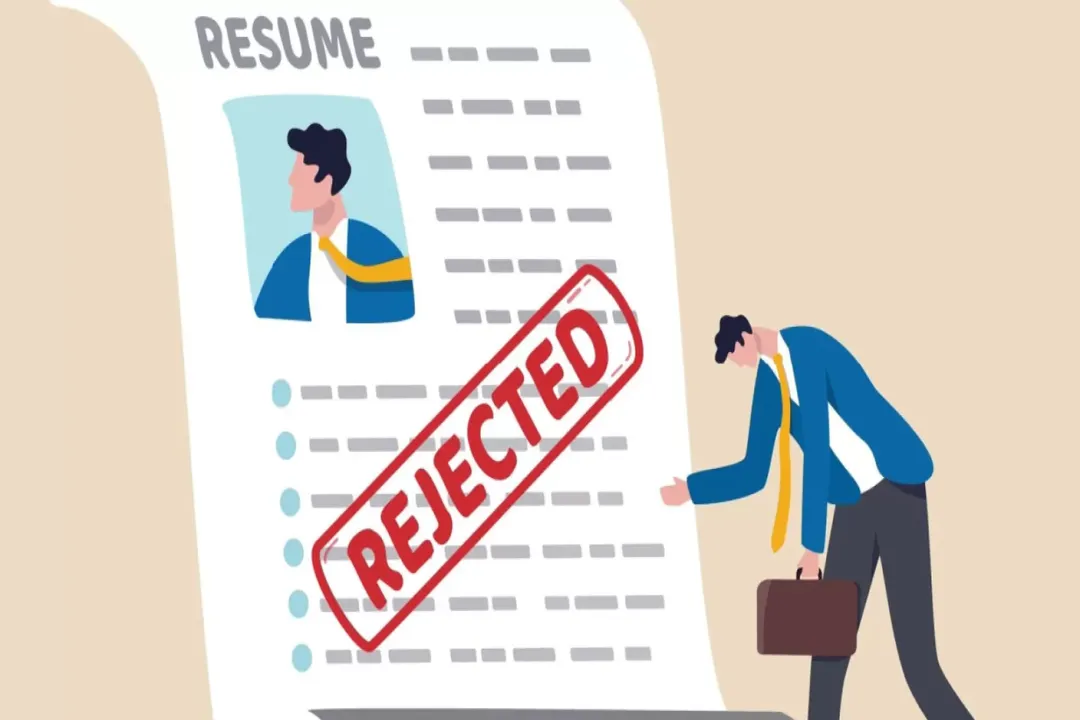
Being told "no" after investing significant time and energy into a job interview process is genuinely tough. That feeling of deflation, frustration, or even disbelief when you thought you performed well is common to almost everyone who seeks employment. [4] It is a universal experience in the professional world, and recognizing that immediately can sometimes soften the initial impact. [5] The key is not to avoid the feeling, but to manage the response so that it serves as a brief pause rather than a prolonged detour on your career path. [10]
# Acknowledge Feelings

The first, most crucial step after receiving that rejection email or call is to give yourself permission to feel whatever emotion surfaces. [2][4] Suppressing disappointment or anger rarely helps in the long run. You invested emotional capital, and it is natural to mourn the loss of the potential opportunity. [10] Allow a brief window—maybe an afternoon or a day—to process the news without immediately jumping into self-criticism or the next application. [1]
This acknowledgment is different from wallowing. Wallowing involves spiraling into negative self-talk, whereas healthy acknowledgment is recognizing the event and its impact: “This hurts because I really wanted that role and I put a lot of effort in.” Do something simple and enjoyable during this decompression time, whether it is a quick walk, watching a show, or talking to a trusted friend about something completely unrelated. [2] This short period of mental reset prevents the initial sting from clouding your judgment when it comes time for objective analysis later on. [5]
# Shift Perspective

Once the initial sting subsides, it is vital to adjust the lens through which you view the outcome. Many people internalize rejection, equating the company's decision with a personal failing. [2][10] This leap in logic is rarely accurate in professional hiring. Remember that the selection process is imperfect, often involving factors entirely outside your control. [2]
Consider that a rejection is frequently a statement about fit rather than qualification. [10] Perhaps the budget shifted, the role was restructured, or the hiring manager prioritized a specific, niche software experience you didn't list, even though your general skills were superior. If you made it to the final interview stage, you were clearly deemed qualified on paper and in initial conversations. [9] Thinking of it like statistical sampling rather than a character assessment can help. If you apply to ten jobs, you expect a certain number of positive outcomes; rejection in a specific instance simply means that particular trial failed its statistical test, not that your ability to succeed in future trials is compromised. [2] The process is probabilistic; one "no" does not negate the probability of getting the next "yes". [2]

# Seek Feedback
A high-value action following any rejection, especially one received after advancing deep into the process, is requesting constructive feedback. [2][5] While this is not always guaranteed—some companies have policies against it, or the hiring manager might be too busy—the attempt is worthwhile. [10] Frame your request professionally, perhaps via email, thanking them for their time and asking if they could share one or two key areas where another candidate might have edged you out. [2]
If they provide feedback, treat it like gold, but apply healthy filtering. Ask specific questions: Was there a particular competency gap you observed, or was the decision based on presentation style?. [2] Be prepared for generic responses, as recruiters often cannot provide detailed critiques due to internal constraints or legal concerns. [5] If the feedback is vague, focus on what you can change in your delivery for the next interview, such as clearer STAR method structuring or more direct answers. [6] Conversely, if a recruiter explicitly states the decision was based on internal candidates or budget freezing, accept that information and stop self-analyzing that particular opportunity. [2]
To organize this learning, try keeping a Rejection Review Log. This isn't your main application tracker. It’s a simple document where, after every rejection where you received any note (even a vague one), you log the date, the company type, the perceived reason for rejection (if known), and one actionable item to practice for the next interview cycle, such as "Work on quantifying impact in behavioral answers". [6] Reviewing this log quarterly shows tangible improvement in your process, independent of hiring outcomes.
# Maintain Contact
How you handle the immediate communication after rejection sets the tone for your future professional standing, even if you don't get the job at this specific company. [3] Always respond gracefully to the rejection notification. A brief, professional thank-you note reiterating your appreciation for their time and expressing continued interest in the company (should another, better-suited role open) is good practice. [3][2]
This act of grace maintains positive relations. Recruiters often move between companies or roles, and burning a bridge over a disappointment is short-sighted. [3] Furthermore, even if you were rejected for this role, the hiring manager may remember your positive demeanor and professionalism when another, more suitable position opens in six months. [7] Keep your professional social media presence positive and avoid venting about the rejection publicly; this is crucial for maintaining trust and authority in your field. [3]

# Prepare Forward
Once you have processed the initial disappointment and gathered any applicable feedback, the focus must swing entirely to the next opportunity. Do not let rejection cause you to pause your job search momentum entirely, as this often leads to longer employment gaps. [1][5]
If you are still actively searching, maintain a steady pace of application submission. [7] If you have multiple interviews scheduled, continue preparing for those as planned, perhaps even using the feedback from the recent rejection to sharpen your answers for the upcoming rounds. [5] If you feel emotionally drained, take a calculated break from applying but continue networking or improving hard skills—anything that feels productive but less emotionally taxing than interviewing. [1]
It is easy to forget that the job market involves competition where one highly qualified person must unfortunately be set aside for another equally qualified person. [9] If you were rejected after making it to the final interview stage, it often means you were neck-and-neck with the selected candidate. At this point, your energy is best spent identifying the next company where your specific skills align perfectly, rather than trying to dissect minute details of the near-miss. [9]
# Build Resilience
Long-term success in any competitive field requires resilience, and interview rejection is the ultimate training ground for this trait. Building this mental fortitude involves recognizing that your self-worth is separate from an offer letter. [4]
One effective mental exercise is recognizing the difference between what you control and what you do not control. You control your preparation, your punctuality, your stated answers, and your follow-up etiquette. You do not control the internal politics of the hiring team, the pre-existing bias of an interviewer, or whether a global hiring freeze was enacted the day after your final interview. [2] Focusing your mental energy solely on the controllable elements transforms anxiety into actionable preparation. [6]
Furthermore, actively seek out positive reinforcement elsewhere. Spend time on professional development—earning a new certification or completing a small personal project—to re-establish your sense of competence outside the pressure cooker of hiring. [4] Having a strong support network, including friends, mentors, or professional colleagues who understand the industry struggle, helps normalize the experience and keeps your outlook grounded. [4][5] Remember, many successful professionals attribute a significant part of their eventual success to perseverance through numerous rejections they faced earlier in their careers. [5] Each time you recover from a "no," you are, in essence, leveling up your ability to handle the inevitable setbacks that come with professional ambition. [10]
#Videos
How to Handle Interview Rejection | Advice and Next Steps - YouTube
Related Questions
#Citations
How do you handle rejection when looking for a job? - Reddit
Dealing with Rejection after a Great Interview
What to do when you have been rejected from a job that ... - LinkedIn
Coping with job rejection: finding strength and moving forward
Job-Hunting: 7 Ways to Cope With Rejection - Barbri
I messed up in a job interview and got rejected. How do I deal with it?
How to Handle Interview Rejection | Advice and Next Steps - YouTube
How to handle rejection after an interview - Michael Page
How to Overcome the Pain of Job Rejection | Psychology Today