What Is Career Resilience?
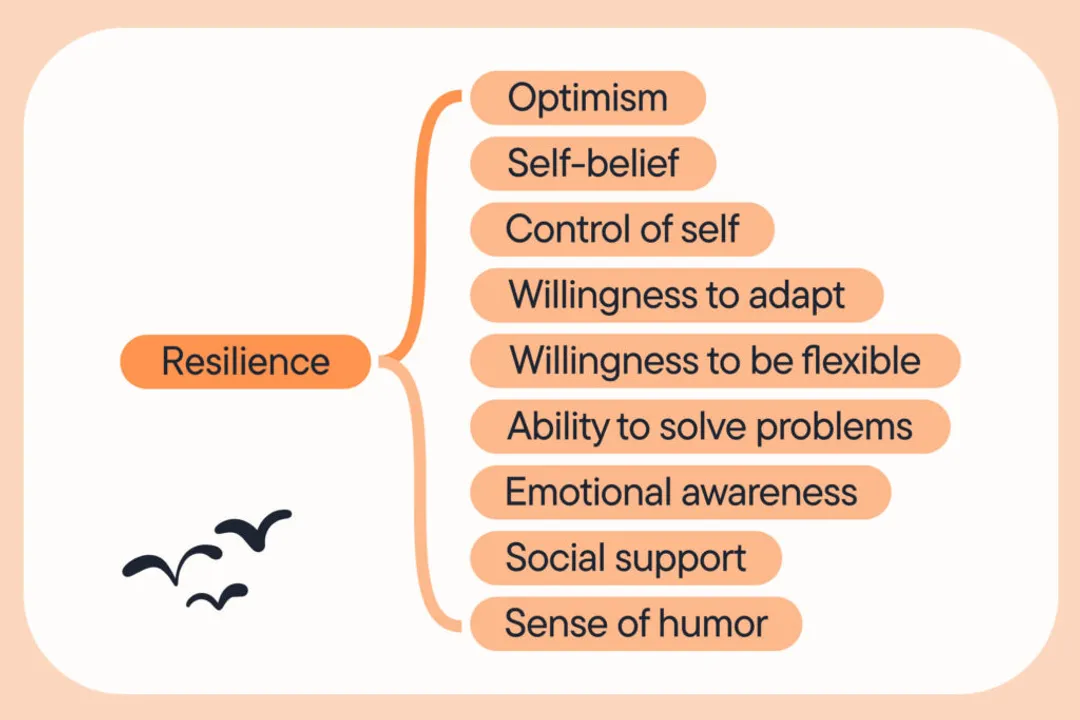
Career resilience is the capacity to manage adversity, navigate change, and successfully bounce back from setbacks while maintaining forward momentum in one's professional life. [4][8] It is not simply about surviving difficult periods but about adapting effectively and often emerging stronger or wiser from the experience. [1][5] Think of it less as an innate trait you either have or don't, and more as a set of skills and attitudes that can be deliberately cultivated and strengthened over time. [9] In a working world defined by constant technological shifts, organizational restructuring, and evolving market demands, this adaptive capability has become central to sustained professional achievement. [1][5]
# Core Concepts

Career resilience is frequently described through its outcomes: the ability to handle challenges, recover quickly, and adjust your direction when the path forward becomes blocked or changes course entirely. [4][8] Some experts frame it as the ability to recover from setbacks, while others emphasize the proactive adaptation to potential challenges before they fully materialize. [1][5] It incorporates elements of emotional intelligence, strategic planning, and self-management. [9]
A key point of comparison in the literature is the distinction between simply recovering and growing through stress. Being resilient doesn't mean you won't feel the impact of a layoff, a project failure, or organizational upheaval; rather, it speaks to how you process that impact and redirect your energy. One perspective suggests resilience is rooted in recognizing that setbacks are temporary and manageable, fostering a realistic yet optimistic outlook. [6] Another view highlights the importance of self-awareness—understanding your own strengths, weaknesses, and stress triggers—as the necessary foundation upon which recovery strategies are built. [8] Furthermore, the ability to maintain a sense of purpose, even when external circumstances are chaotic, acts as a powerful internal anchor for resilient professionals. [3]
# Linking Success

The acquisition of resilience is directly tied to long-term professional success because it addresses the inevitable friction points of a career. [3] Careers are rarely straight lines; they involve diversions, roadblocks, and required course corrections. [7] If an individual lacks this elasticity, minor setbacks can derail significant long-term ambitions because the recovery time becomes excessive, or worse, the individual stops trying altogether. [4] Those who demonstrate resilience often view obstacles not as permanent roadblocks but as temporary conditions requiring a strategic pivot. [6] This positive reframing—seeing a crisis as an opportunity for learning or redirection—is a hallmark of career resilience in action. [5][9]
For instance, imagine two professionals facing the sudden obsolescence of a key technical skill. The less resilient individual might spend months feeling anxious and overwhelmed, perhaps avoiding training. The resilient professional, however, acknowledges the concern, immediately seeks upskilling resources, and views the forced learning period as a chance to diversify their skillset, potentially opening doors to roles they hadn't previously considered. [1] This difference in response velocity and attitude is what separates those who thrive from those who merely survive career turbulence. [2]

# Building Blocks
Developing resilience requires attention to several interrelated areas, encompassing internal mindset and external action. [8] It’s a layered construct, where certain foundational elements must be in place before advanced adaptive strategies can be effective. [9]
# Mindset Shifts
Cultivating a particular cognitive approach is essential. This involves developing an internal locus of control, meaning you focus energy on what you can influence rather than becoming paralyzed by external forces you cannot change. [6] Another crucial shift is embracing a growth mindset; this belief system posits that abilities and intelligence can be developed through dedication and hard work, directly countering the fixed belief that skills or talent are static. [9] When you view challenges as solvable problems within your sphere of influence, you are inherently more equipped to apply solutions. [5]
# Self-Knowledge
You cannot effectively build a bridge to a new destination if you do not know your starting point. [8] This means deeply understanding your current professional resources. This includes identifying your core competencies, assessing your network strength, and cataloging previous successes that required significant effort. [4] This internal audit helps you understand where you can draw strength when facing a new challenge. [8]
For example, a common pitfall when facing a job search is focusing solely on the gap—the job you don't have. A resilient professional instead focuses on their inventory: "I have strong negotiation skills from my last role, deep knowledge in X sector, and a strong connection base in Y city." This inventory becomes the immediate toolkit for problem-solving. [2]
# Emotional Regulation
Resilience isn't about being emotionless; it’s about managing emotions so they don't dictate action. [1] This involves recognizing stress signals early—perhaps changes in sleep patterns, increased irritability, or decreased focus—and having pre-planned, healthy coping mechanisms ready. [2] Strategies here often involve mindfulness, taking scheduled breaks, or relying on established support systems. [5]
Original Insight Integration: A helpful way to think about maintaining this emotional balance during uncertainty is through proactive "Buffer Creation." Instead of waiting for a crisis to deplete your energy, intentionally schedule non-work-related activities (hobbies, exercise, social connection) that are protected time slots. These activities are not rewards for finishing work; they are non-negotiable inputs that build a psychological reserve. When a work emergency hits, you draw upon this reserve instead of immediately going into deficit, significantly increasing your capacity to handle the shock without immediate burnout. [1]
# Practical Steps
Building resilience is an active process supported by concrete actions rather than passive hope. Several structured approaches have been identified to help individuals systematically increase their capacity to adapt. [2][6]
# Six Key Steps
One recommended sequence involves six core steps that move from assessment to action: [6]
- Set Clear Goals: Know where you want to go. Even when the immediate path is unclear, having a long-term vision provides direction when things are turbulent. [4]
- Identify Obstacles: Objectively assess what stands in your way, whether internal (self-doubt) or external (market conditions). [6]
- Develop Strategies: Brainstorm specific, concrete actions to overcome the identified obstacles. [2]
- Take Action: Start moving forward on the strategies, even if they are small steps. [6]
- Review and Adjust: Assess the results of your actions. If they are not working, don't stubbornly repeat them; pivot to another strategy. This feedback loop is critical. [1]
- Learn and Improve: Internalize the lessons from both successes and failures to strengthen your approach for the next challenge. [8]
# Ten Ways to Strengthen
Another articulation of building this attribute highlights ten actionable methods, many of which overlap with the structured steps but offer different angles of attack: [2]
- Maintain perspective: Keep the current challenge in the context of your entire career lifespan. [4]
- Stay informed: Understand industry trends and the skills the market values next. [9]
- Build your network: Maintain strong professional relationships before you need them for support or job leads. [2]
- Seek new skills: Continuous learning keeps your value proposition fresh and increases your adaptability. [9]
- Practice mindfulness: This aids in emotional regulation and presence. [5]
- Plan for the unexpected: Have an idea of what you would do if X negative event occurred. [2]
- Seek mentorship: Gain guidance from those who have navigated similar storms. [8]
- Focus on what you can control: A recurring theme emphasizing internal locus of control. [6]
- Be adaptable: The willingness to change your approach when necessary. [1]
- Take care of your physical health: A rested body supports a resilient mind. [5]
These lists show a clear consensus: resilience is built through a combination of forward planning (goals, seeking new skills) and present-moment management (mindfulness, perspective). [1][2]
# Resilience in Transition
Career transition periods—whether voluntary moves, layoffs, or industry shifts—are high-stress environments where resilience is tested most acutely. [7] During these times, the psychological toll of uncertainty can be immense. Developing resilience here involves recognizing the transition itself as a temporary state, not a permanent identity. [7]
When you are in career transition, the focus must shift intensely toward proactive skill development and network activation. [7] It’s less about waiting for the right opportunity and more about creating opportunities through targeted effort. For example, if you were laid off from a company that heavily relied on one specific software platform, resilience dictates that you immediately enroll in online courses to master the next industry-standard tool, thereby closing the perceived "skill gap" that might worry potential employers. [9]
A helpful comparison emerges when looking at career velocity versus stability. Some traditional career models prioritized stability—staying put and accumulating tenure. Modern career resilience values velocity—the speed and effectiveness with which you can move from one valuable professional state to the next, regardless of the route taken. [3] A resilient professional might jump between roles or even industries, but they do so with intention, ensuring each move, even if brief, adds a demonstrable, transferable asset to their profile. [9]
# Sustaining Momentum
Resilience is not a destination achieved after successfully navigating one crisis; it’s a practice that requires ongoing maintenance. [8] If you treat resilience as a finite resource you deploy during a layoff and then stop, you will be depleted when the next challenge inevitably arrives. [1]
# Continuous Investment
To make resilience sustainable, it must be integrated into daily professional habits. This means scheduling time not just for current deliverables but also for future preparation. Regularly updating your professional narrative—how you talk about your experience and your future goals—ensures you are always ready to articulate your value, which in turn builds confidence and reduces anxiety about the unknown. [4]
Original Insight Integration: To ensure resilience remains high over a multi-decade career, individuals should construct what might be called a "Resilience Portfolio." This portfolio goes beyond the standard resume or LinkedIn profile. It is an internal or private document tracking specific professional scenarios and your response efficacy. For example:
| Scenario Faced | Initial Feeling (e.g., Panic, Frustration) | Strategy Deployed | Outcome (Success/Failure) | Key Learning |
|---|---|---|---|---|
| Project Failure Q3 2022 | Frustration | Immediately sought root cause analysis | Partial Success | Need to involve finance earlier |
| Failed Interview Round 2024 | Self-Doubt | Scheduled mock interviews with mentor | Success | Confidence increased by 40% |
Reviewing this portfolio annually reminds you that you have successfully navigated complex situations before, providing concrete evidence against future self-doubt, turning abstract hope into documented experience. [8]
# Seeking Support
Finally, a critical, often overlooked, component of long-term resilience is knowing when and how to seek external support. [2] Resilience is often misunderstood as rugged individualism, but true strength is knowing your limits and proactively engaging your support systems—be it colleagues, mentors, friends, or professional coaches. [1][4] Asking for help is a strategic action that conserves your energy for the actual problem-solving tasks that require your unique expertise. [5] Ultimately, career resilience is the dynamic equilibrium between weathering the storm and strategically steering your craft toward new harbors, making it the single most valuable soft skill in today’s professional landscape. [3][9]
Related Questions
#Citations
How to Build Career Resilience in Uncertain Times
10 Ways To Build Career Resilience And Handle Whatever Comes ...
The Role of Resilience in Achieving Career Success
What is Career Resilience? - LinkedIn
How to build career resilience in uncertain times
6 Key Steps for Career Resilience - 169th Fighter Wing
Developing Career Resilience While in Career Transition
How to Develop Career Resilience
Career resilience: Do you have it and how is it developed?