How to develop career resilience?
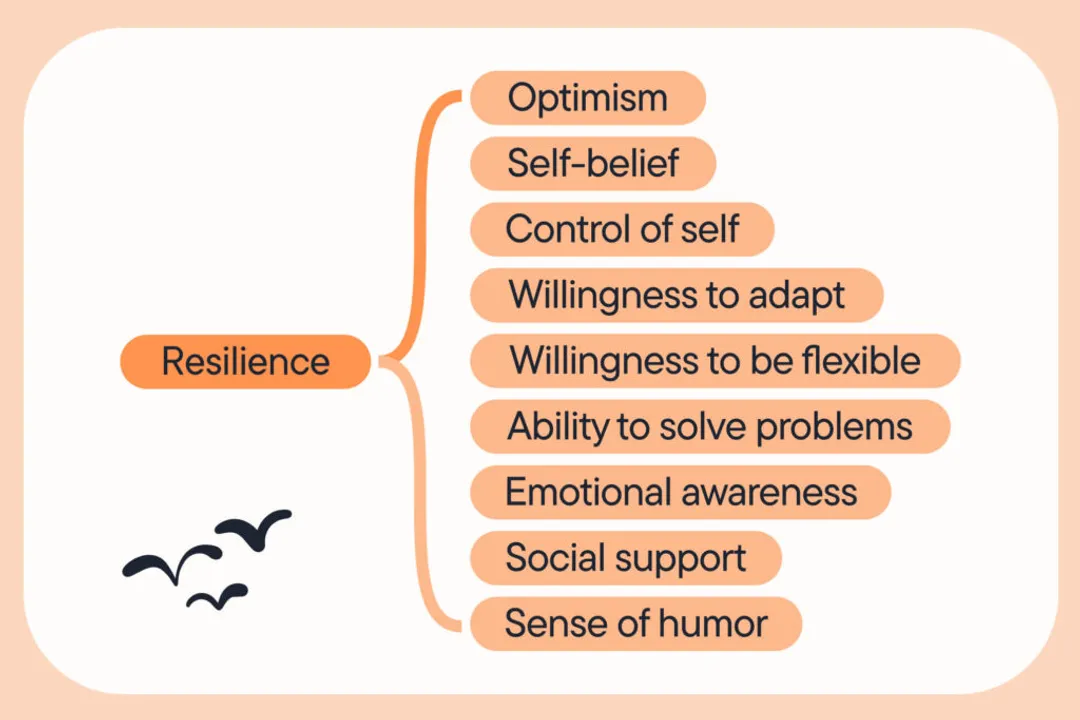
Navigating a career today often means accepting that change is the only constant. The path forward rarely looks like a straight line; instead, it resembles a complex map riddled with detours, roadblocks, and unexpected junctions. Building career resilience—the capacity to bounce back from setbacks and adapt successfully to change—is no longer a soft skill but a fundamental requirement for professional survival and growth. It is not about being immune to difficulty, but rather possessing the internal resources to manage stress, extract lessons from adversity, and keep moving forward with purpose.
# Core Concept

Career resilience centers on an individual's ability to maintain equilibrium and momentum when professional circumstances become unstable or negative. While related to general toughness, it is specifically focused on the employment sphere, covering everything from adapting to technological shifts to recovering from job loss or organizational restructuring. One key component often cited is optimism, which doesn't mean ignoring bad news, but maintaining a forward-looking stance that anticipates positive outcomes despite current challenges. Contrast this with simply "toughing it out"; resilience involves conscious action and learning, not passive endurance.
# Know Self

A foundational step in developing this crucial ability involves deep self-awareness, which acts as an anchor when the professional seas get rough. This awareness must extend to understanding one’s core strengths and how they manifest in different work situations. Identifying what you are naturally good at—your strengths profile—allows you to direct your limited energy toward areas where you can contribute most effectively and regain confidence faster after a failure. Furthermore, building resilience requires recognizing your emotional responses to pressure and uncertainty. When assessing self-worth, it's helpful to separate professional identity from personal value; a job loss is a change in role, not a statement about inherent capability. This separation buffers against immediate emotional derailment when professional status shifts unexpectedly.

# Adaptive View
Resilience is deeply intertwined with one's fundamental beliefs about capability and change. Developing a strong sense of self-efficacy—the belief in your capacity to execute necessary actions to manage prospective situations—is vital. If you believe you can learn new things and adapt your approach, setbacks become temporary obstacles rather than permanent barriers. This positive outlook suggests that experiences, even negative ones, are data points for improvement. You shift from asking why this happened to what I can do next based on this new information.
# Skill Building
Simply wishing for a positive outlook is insufficient; resilience must be actively built through skill development and learning. This means cultivating an attitude of lifelong learning, where you proactively seek opportunities to update your knowledge base and abilities. Think of it as professional upkeep. When the market or technology shifts, those who have been consistently acquiring new, relevant skills possess an immediate advantage in pivoting. A practical tactic here is structured reflection. After any significant event—a successful project completion, a difficult performance review, or a transition—take time to document precisely what coping mechanisms succeeded and which ones failed. This documentation becomes a personalized toolkit for the next challenge. Career resilience is not a destination reached; it is the muscle strengthened through continuous, deliberate practice in development paths.

# Energy Balance
It is a common misconception that highly resilient people simply work harder or longer during a crisis. In truth, effective management of personal resources is often the distinguishing factor between someone who thrives and someone who burns out. Resilience requires managing your energy, which includes physical, emotional, and mental reserves. When stress is high, the resources needed for complex problem-solving and creative thinking become depleted quickly. Therefore, integrating restorative practices is a mandatory component of a resilient strategy, not a luxury. This could mean enforcing strict boundaries around work hours or prioritizing sleep even when deadlines loom. If you are running on empty, your ability to respond thoughtfully to career turbulence plummets, regardless of your technical competence.
# Relational Links
No individual builds resilience entirely in isolation. The strength of one’s professional and personal connections provides an essential external buffer against career shocks. Your network offers diverse perspectives that can break you out of negative thought spirals and illuminate paths you hadn't considered. This community should be varied: mentors who can offer high-level guidance, peers who understand the day-to-day pressures, and even contacts outside your immediate industry who provide context on broader economic trends. Actively maintaining these relationships, even during periods of stability, ensures they are available and warm when you need support or information during a setback.

# Taking Action
While reflection and support are vital, resilience solidifies through decisive action. Uncertainty breeds anxiety, which is best countered by achieving small, visible wins. When the long-term career vision feels obscured, focus on creating and executing clear, short-term objectives. Achieving these small goals rebuilds momentum and self-trust, which can then fuel larger, more complex decisions.
Develop a "Contingency Portfolio"—a living document outlining three distinct fallback paths for your next career move (e.g., Path A: Immediate application of current skills, Path B: Short-term contract or consulting work, Path C: Focused re-skilling for a new sector). This pre-planning reduces decision paralysis during a crisis. Resilience is about having options ready before you need them, making the pivot feel like a strategic choice rather than a panicked reaction. This proactive stance, which combines learning, self-management, and strategic option creation, ensures that when turbulence hits, you are already prepared to adjust course effectively. Ultimately, career resilience is an ongoing commitment to personal growth, self-care, and strategic connection, making you adaptive rather than reactive to the shifting landscape of professional life.
Related Questions
#Citations
How to Build Career Resilience in Uncertain Times
Developing career resilience | OpenLearn - The Open University
How To Build Career Resilience When Everything Feels Uncertain
Top 6 Tips for Building Career Resilience | Coaching Actuaries
Building Career Resilience: 4 Paths for Lifelong Learning - SHRM
How to Develop Career Resilience
Developing Career Resilience While in Career Transition
7 ways to build resilience at work - Working Career
How to Build Career Resilience