Are careers in skills taxonomy development viable?
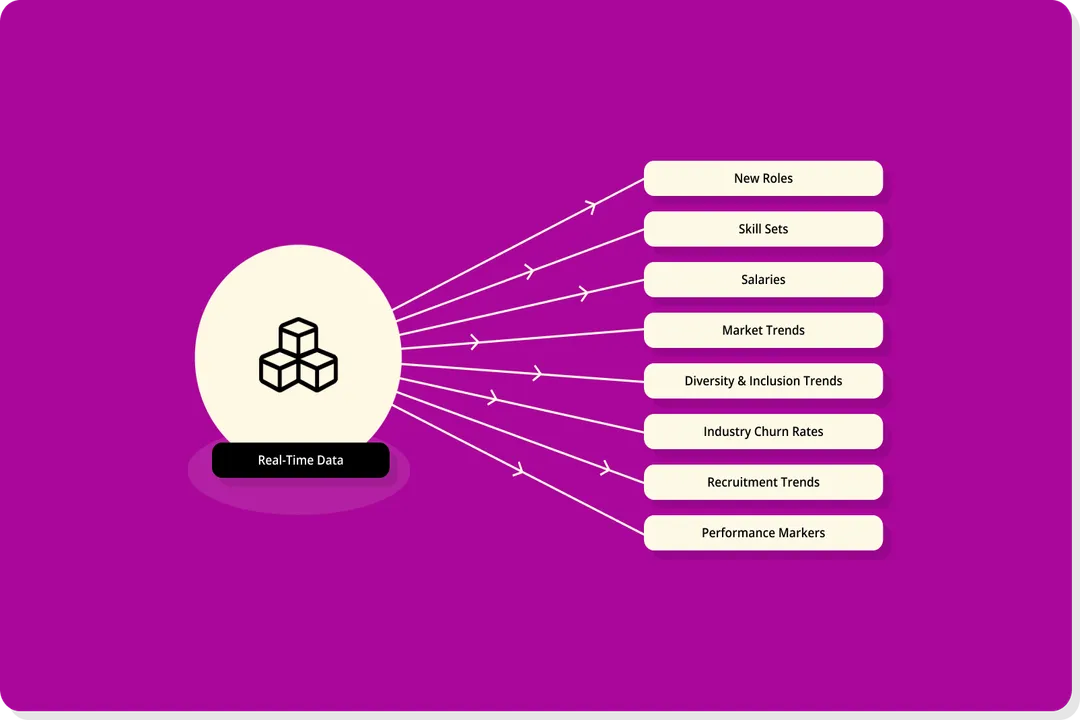
The move towards a skills-based organization is fundamentally changing how companies view talent, making the underlying structure that organizes those skills—the skills taxonomy—a matter of significant strategic importance. This shift necessitates individuals who can not only define what skills exist but also govern, manage, and evolve that definition over time. [7][9] Therefore, careers centered around developing and maintaining these taxonomies are moving from niche HR or organizational development functions into critical, high-leverage positions within the modern enterprise. [2][3]
# Defining Structure
A skills taxonomy serves as the organizational backbone for understanding workforce capabilities. [1] It is essentially a structured, hierarchical classification system designed to define, categorize, and organize the specific skills present across an organization. [1][8] Think of it as the Rosetta Stone for talent, translating the varied language used by employees, hiring managers, and learning platforms into a single, standardized lexicon. [4][7] Without this structure, data about employee capabilities remains fragmented and difficult to analyze or act upon. [9]
The structure itself usually involves layers, moving from broad domains down to granular, specific competencies. [1] For instance, a broad category might be "Data Science," which nests competencies like "Machine Learning" and "Statistical Modeling," which in turn might break down into specifics like "Gradient Boosting Implementation". [1][2] The World Economic Forum recognized this need, advocating for standardized approaches to skills definition to improve labor market fluidity. [2]
# Career Demand
The viability of careers in this space stems directly from the ongoing global organizational transformation toward skills-first models. [2][9] Organizations are realizing that job titles are poor predictors of required inputs or future potential; the actual skills are what matter for internal mobility, upskilling, and strategic planning. [5][9] This reliance on skills creates an inherent and continuous need for skilled taxonomy professionals. [3]
These roles aren't simply about creating a static list. They are about building a living system that supports concrete business outcomes, such as:
- Internal Mobility: Matching existing employee skills to new internal roles or projects, cutting down on external hiring costs. [5][3]
- Learning and Development (L&D): Precisely identifying skill gaps between the current state and future needs, allowing L&D budgets to be spent exactly where required. [1][7]
- Workforce Planning: Providing leaders with accurate data to project future workforce composition and anticipate skill shortages or surpluses. [2][6]
When building a unified skills taxonomy, organizations must address how to govern and implement it across diverse departments, which points to a need for dedicated governance roles—the taxonomy stewards—who maintain the integrity of the whole system. [9] Furthermore, the increasing reliance on Artificial Intelligence (AI) and Machine Learning (ML) to discover and map skills from resumes, performance data, and project logs means that careers in this field increasingly intersect with data science and technology implementation. [10]

# Emergent Roles
The work involved in developing and managing a skills taxonomy is multifaceted, leading to several distinct, viable career tracks rather than one singular "Taxonomist" title.
# Taxonomy Governance
This function focuses on the rules and quality of the skill definitions. [9] A Governance Specialist ensures consistency, resolves disputes over skill naming conventions, and manages the approval process for new or retired skills. This work is highly cross-functional, requiring the ability to communicate effectively with HR policy experts, technology architects, and business unit leaders. [9] It requires a deep understanding of change management principles applied to data structures. [8]
# Skill Mapping Specialist
This role deals with the practical application of the taxonomy—linking the abstract skill definitions to concrete data sources. [7] For example, they might be tasked with mapping a particular vendor's learning course catalog, an external certification body’s credentials, or internal performance review metrics directly into the established taxonomy framework. [1] In organizations using AI to automate this, the specialist acts as the supervisor or trainer for the algorithms, validating suggested mappings and correcting errors that stem from ambiguous language in source documents. [10]
# Career Pathway Designer
As highlighted by the possibilities for establishing skills-based career pathways, this specialist uses the taxonomy as their primary tool. [5] Their viability comes from linking the current state (skills inventory) to the desired future state (competency maps for senior roles). [5] This is a strategic role, often sitting within workforce planning or senior L&D teams, requiring them to design the sequence of skill acquisition that constitutes a viable career progression within the company. [2]
# Necessary Expertise Blend
The most successful professionals in this domain possess a rare combination of technical, analytical, and human-centric skills. It is insufficient to be merely a good HR professional or just a good data modeler; the intersection is where the real value—and therefore career viability—lies. [10]
| Skill Domain | Core Competencies | Why It Matters |
|---|---|---|
| HR/Organizational | Competency Modeling, Job Analysis, Learning Theory | Grounds the taxonomy in actual business needs and employee growth. [1][7] |
| Data & Logic | Metadata Management, Database Structure, Information Architecture | Ensures the system is scalable, queryable, and technically sound. [8] |
| Linguistics/Semantics | Ontology Development, Semantic Tagging, Natural Language Understanding (NLU) concepts | Crucial for consistent naming and mapping unstructured text to structured skills. [4] |
| Technology/AI | Data Visualization, ML Model Oversight, API Integration | Necessary for automating discovery and maintaining large, dynamic taxonomies. [10] |
The ability to translate business ambiguity into structured, machine-readable language is perhaps the most valuable currency in this field. [4] For example, what one department calls "Client Management," another might call "Stakeholder Relations." The taxonomy professional must decide on the authoritative term and map the synonyms correctly, a task that demands both organizational negotiation skills and data discipline. [9]
One interesting observation when evaluating internal team structures supporting this transformation is the necessary equilibrium between domain knowledge and technical modeling. If a company invests heavily in AI to discover skills but lacks individuals deeply versed in organizational psychology or job role realities, the resulting taxonomy will be technically accurate but practically useless—a set of mathematically derived terms that nobody recognizes or trusts. [3] Conversely, a purely HR-driven taxonomy without data architecture oversight risks becoming a cumbersome spreadsheet that IT systems cannot ingest or manage at scale. [1] The viable career track requires navigating this constant tension successfully.

# Maintenance Cycle
The concept of a "finished" skills taxonomy is misleading; these systems are never truly complete, which guarantees ongoing career opportunity. Skills themselves evolve rapidly, especially in technical fields, requiring constant updating. [2][10] New technologies introduce new skills, and old ones become obsolete, demanding retirement protocols.
A typical maintenance cycle involves:
- Horizon Scanning: Monitoring industry trends, competitor capabilities, and emerging technologies to predict future skill needs. [2]
- Audit and Validation: Regularly testing the taxonomy against current employee data and open requisitions to check for alignment and uncover drift. [9]
- Governance Review: Periodic meetings with organizational stakeholders to approve large-scale structural changes or the introduction of new high-level domains. [8]
- System Optimization: Working with IT to refine the algorithms or database queries that automate skill identification and matching. [10]
This cyclical nature means that careers in taxonomy development offer long-term stability, provided the professional keeps pace with technological and business evolution. Unlike a one-time project, maintaining the integrity of the organization's "skill language" is a perpetual operational necessity. [7]
# Viability Assessment
Careers in skills taxonomy development are not just viable; they are becoming essential components of the future HR technology stack and strategic talent function. The viability is high because the product—a trusted, actionable skills inventory—directly impacts the bottom line through improved hiring efficiency, targeted training spend, and reduced organizational risk associated with skills gaps. [6]
The pay-off for organizations using these systems is substantial, moving away from generalized job descriptions to precise skill requirements. [5] This move demands specialists who can own that precision. As more organizations embark on their "skills transformation," the pool of seasoned professionals capable of designing, implementing, and governing these systems remains relatively small compared to the growing need. [2][10]
For someone considering this path, the most actionable advice is to focus on building fluency across the aforementioned domains. A practical way to measure team readiness for this kind of work, if you are leading a team, is to establish a "Skill Fidelity Score." This score could track three elements: the percentage of existing job roles successfully mapped to the taxonomy (measures adoption), the variance between HR-defined skill decay rates and ML-suggested decay rates (measures alignment), and the time taken for a newly defined business skill to be officially ratified and integrated (measures governance speed). A high, stable score indicates a mature, well-supported taxonomy function where specialized careers can thrive because the underlying work is demonstrably valuable and governed by clear metrics. [1][9]
The convergence of people analytics, data governance, and strategic workforce planning means that the skills taxonomist is evolving into a Talent Data Architect or Skills Strategist. These titles imply a more senior, strategic function with greater influence over organizational design, cementing the viability of this specialization for the foreseeable future. [3][6] The demand is no longer hypothetical; it is being actively created by the very tools and strategies used in modern talent management. [7]
Related Questions
#Citations
Skills Taxonomy: Unlocking the Benefits of a Skills-Based ...
Building a Common Language for Skills at Work A Global ...
What Is a Skills Taxonomy And What Are The Business ...
Skills Taxonomy: The Key to Building a Future-Ready ...
What would a skills taxonomy for roles look like and how ...
How a Skills Taxonomy Can Guide Your Recruiting Efforts
What Is a Skills Taxonomy and Why Do You Need It?
Unlock organisational success with a skills taxonomy
Creating A Unified Skills Taxonomy: What Employers Need ...
Building a Skills Taxonomy Leveraging AI