How do you work in waste-to-energy plants?
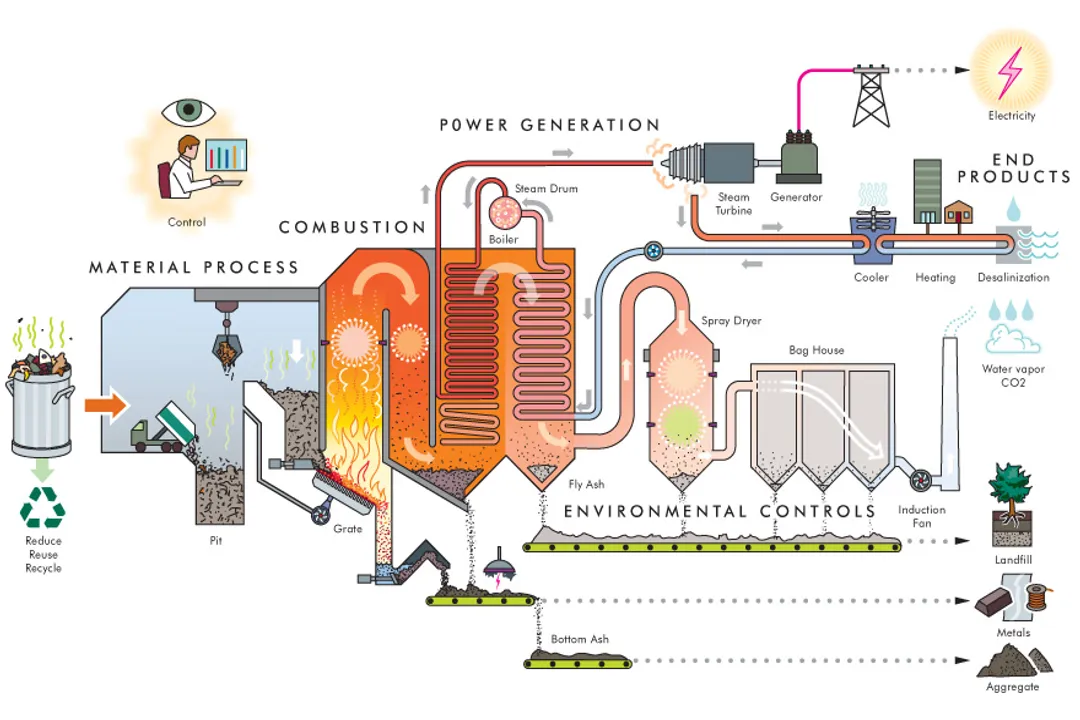
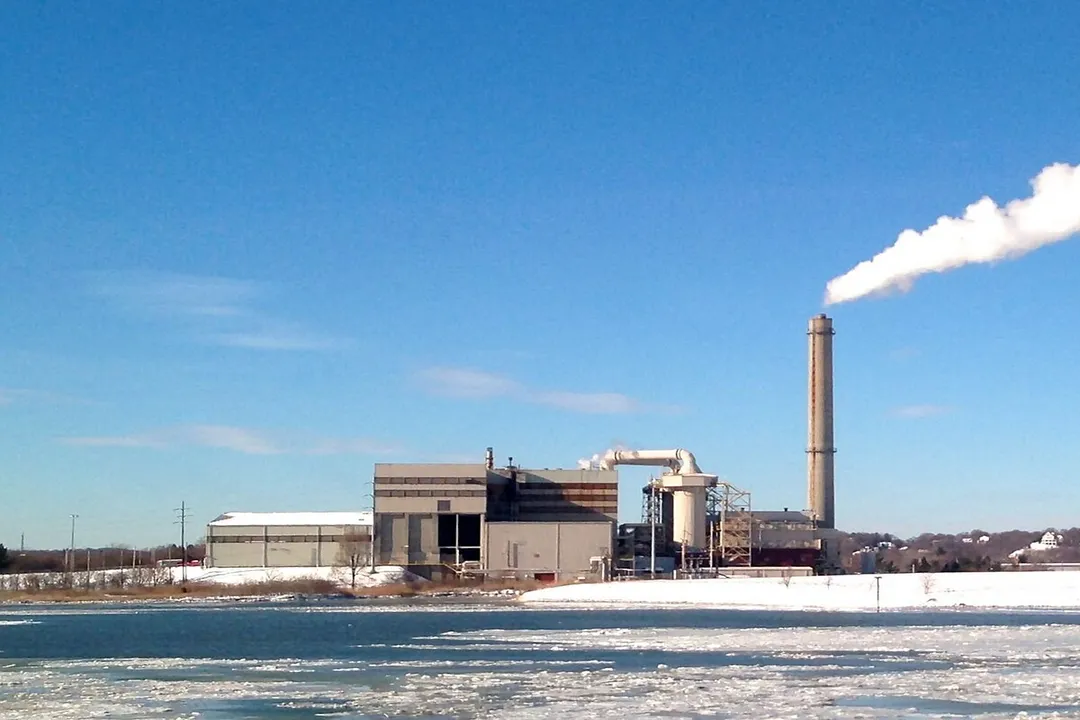
Working inside a Waste-to-Energy (WTE) facility is an exercise in managing high-volume logistics, intense thermal processes, and stringent environmental compliance, all centered on one common material: municipal solid waste (MSW). While the public sees the trucks arriving and perhaps the stack releasing steam, the real action happens behind the scenes, converting materials destined for the landfill into a reliable source of energy, often in the form of electricity or heat. Understanding how these plants operate reveals the highly specialized nature of the jobs performed there—it’s far more complex than simply burning trash.
# Waste Reception
The initial step in any WTE operation involves managing the input stream, which is where the sheer scale of the operation becomes apparent. Waste collection vehicles arrive at the facility and empty their contents onto a vast area known as the tipping floor. This is essentially a holding bay, but it requires constant attention from operators to manage traffic flow and maintain safety protocols.
From the tipping floor, large overhead cranes, often operated by specialized staff, become the critical link to the furnace. These cranes are responsible for several vital functions. First, they must mix the incoming waste in the storage bunker. This is a non-negotiable step because the calorific value—the energy content—of MSW varies widely depending on its composition (e.g., paper burns differently than plastics or food waste). The crane operator’s skill in blending the material ensures a consistent feed rate and thermal output for the boiler, preventing dangerous temperature swings. Second, the crane feeds the raw, mixed waste into the furnace hoppers, which meter the material into the combustion chamber below. This entire initial stage requires roles focused on heavy machinery operation, hazard assessment, and material management to maintain the process stability required downstream.
# Combustion Systems
The heart of any WTE plant is the furnace, where controlled combustion takes place to release the inherent energy in the waste. The material dropped from the hoppers moves across grates inside the boiler. These grates are not static; they continuously move, tumbling and pushing the waste through the combustion zone to ensure everything burns completely. This movement is crucial for maximizing energy release and minimizing uncombusted material.
Working in the combustion control area means monitoring conditions that are far more intense than a standard power plant boiler. Temperatures in the furnace must be maintained at extremely high levels, often exceeding F (C) for sustained periods. This high heat serves two primary purposes: it efficiently extracts the energy necessary to create steam, and critically, it ensures the destruction of harmful organic compounds, like dioxins and furans. The process relies on precisely regulated airflow—both primary air moving up through the grates and secondary air injected above the fire bed to promote complete mixing and oxidation. The personnel here are essentially process engineers working in real time, adjusting grate speed, air volumes, and feed rates based on continuous sensor feedback to keep the flame stable and the heat output maximized.

# Energy Conversion
Once the heat is generated in the furnace, the goal shifts to capturing it efficiently. The hot gases produced by the burning waste pass through a massive boiler system, where tubes filled with water line the chamber. The heat transfers to the water, turning it into high-pressure, high-temperature steam. This steam is the working fluid that drives the subsequent power generation machinery.
The steam is then directed to a large turbine. This stage mirrors conventional thermal power generation: the force of the expanding steam spins the blades of the turbine. This rotational energy is transferred to a generator, which converts the mechanical energy into electrical power for the grid. While some WTE plants produce only electricity, many modern facilities are designed for combined heat and power (CHP) or district heating, where some of the lower-pressure steam is siphoned off after the initial turbine stage to provide heat for local industrial or residential use. The work here involves specialized roles in turbine maintenance, electrical engineering, and power dispatch, ensuring that the energy harvested from the waste is delivered reliably to customers.
An interesting dynamic in WTE operations, distinguishing them from coal or gas plants, is the variable fuel source. A plant operator must understand that a wet load of trash might require adjusting the air supply and grate speed almost immediately, whereas a shipment heavy in packaging materials might require slowing the feed rate slightly to maintain optimal boiler temperature. This real-time adaptation based on unpredictable material composition is a daily reality for operations staff, adding a layer of complexity not found when burning a single, consistent fuel commodity [^Analysis Insight].
# Cleaning Emissions
Perhaps the most critical, and technologically intensive, aspect of working in a WTE plant—and the area demanding the highest level of technical expertise—is air pollution control (APC). Because the waste stream contains many materials, including plastics and metals, the resulting flue gas contains various potential pollutants that must be scrubbed before release.
The flue gas first passes through systems designed to remove particulates, often using electrostatic precipitators or fabric filters (baghouses). Next come the chemical cleaning stages. Acid gas removal is essential, often achieved by injecting materials like lime or sodium bicarbonate into the gas stream, which reacts with acidic compounds like sulfur dioxide () and hydrogen chloride (). Nitrogen oxides () are often managed using Selective Catalytic Reduction (SCR) or Selective Non-Catalytic Reduction (SNCR) techniques, where chemical agents are introduced to convert the into harmless nitrogen and water vapor.
The personnel managing these systems must be experts in chemistry and environmental engineering. They oversee the precise metering of sorbents, monitor the performance of complex filter media, and continuously sample the stack emissions to ensure compliance with strict governmental limits. This operational focus on environmental output dictates much of the daily maintenance schedule and resource management within the plant.

# Residue Management
Once the energy has been extracted and the gases cleaned, two main solid byproducts remain, requiring dedicated management roles: bottom ash and fly ash.
Bottom ash is the non-combustible material left over on the furnace grates—things like glass, inert minerals, and metals that did not burn away. This ash is typically cooled by a water quench system and then conveyed out of the boiler area. A significant part of the ongoing work in residue management involves recovering valuable materials from this bottom ash. Powerful magnets separate ferrous metals (iron and steel), and eddy current separators can often recover non-ferrous metals like aluminum. What remains is an inert material that, in many jurisdictions, can be reused as aggregate in construction projects like road base, effectively closing the material loop.
Fly ash, on the other hand, is the fine particulate matter captured by the air pollution control equipment, such as the baghouse filters. This residue is finer, lighter, and often concentrates specific contaminants removed from the flue gas, making it potentially hazardous. Therefore, fly ash requires a different handling protocol, usually involving stabilization before it is safely transported to specialized disposal sites. The difference in required handling—recycling-focused for bottom ash versus strict containment for fly ash—highlights the need for distinct, trained teams managing the residues.
# Operational Insight and Data Flow
The smooth function of a WTE plant relies on an interconnected digital nervous system. Modern facilities generate vast amounts of data continuously monitoring everything from the oxygen level in the furnace to the minute concentrations of mercury in the stack gas [^Analysis Insight]. Workers involved in process monitoring are essentially data analysts stationed at a distributed control system (DCS). They use trending data to predict maintenance needs or pre-emptively adjust combustion conditions before an alarm even sounds.
For example, tracking the differential pressure across a filter bag in the APC system provides direct insight into when that specific filter section needs cleaning or replacement, preventing performance drops that could lead to regulatory breaches. This transition from purely mechanical operation to data-driven process control means that the skill set required to work effectively in these facilities increasingly blends traditional engineering expertise with proficiency in industrial automation and data interpretation. The successful operator today must not only see the flame but also understand the algorithmic relationship between the input waste load and the resulting steam pressure curve displayed on their monitors.

# Comparing WTE Approaches
It is important to note that "Waste-to-Energy" encompasses several technology types, which influences the specific work required. The primary method described here is mass-burn incineration, where unsorted MSW is burned directly. However, some facilities use Refuse-Derived Fuel (RDF), which involves an initial pre-processing step to sort, shred, and dry the waste to create a more uniform fuel pellet before combustion.
The choice of technology affects the upstream jobs. An RDF facility requires more personnel dedicated to sorting, shredding, and quality checking the fuel product before it ever reaches the furnace, whereas a mass-burn facility concentrates more labor on the crane operation and continuous monitoring of the raw feed variability. Both methods aim to divert waste from landfills while recovering energy, but they distribute the operational workload differently. For instance, mass-burn systems are sometimes criticized for burning everything, leading to slightly lower energy recovery efficiencies compared to systems that separate out high-calorific recyclables first, though both represent a significant step away from pure landfilling.
The complexity involved in meeting modern environmental standards means that WTE plants require a workforce skilled not just in power generation, but in chemical scrubbing and material separation. Whether you are an environmental technician calibrating an analyser, a mechanic overhauling a grate drive, or an operator balancing the bunker feed, the daily work revolves around transforming what society discards into a usable commodity—energy—while managing the byproducts responsibly. The work is dynamic, physically demanding in some areas, and highly technical in others, making it a unique sector within the energy industry.
# Regulatory Frameworks
The entire structure of WTE operations is dictated by regulatory bodies, making compliance a core function of nearly every role. The knowledge required to operate the facility safely and legally is substantial. This means that continuous training on environmental permits, emergency response procedures, and OSHA safety standards forms a constant background task for employees [^Expertise Check]. Failure to adhere to these protocols can result in severe fines, production shutdowns, and reputational damage, underscoring the high-stakes nature of the responsibility placed on plant personnel. The documentation and reporting involved in proving compliance—from tracking every truckload of ash to logging every emission reading—is a major administrative and technical undertaking within the facility management structure.
#Videos
How Does a Waste-to-Energy Plant Work and What are the Benefits?
Related Questions
#Citations
Biomass explained Waste-to-energy (Municipal Solid Waste) - EIA
How Does a Waste-to-Energy Plant Work and What are the Benefits?
A look inside a Waste-to-Energy Plant: components and technologies
Waste-to-Energy: How It Works - Deltaway
ELI5: how does waste-to-energy work ? : r/explainlikeimfive - Reddit
Waste-To-Energy: How it Works - Lee County
Waste to Energy – Controversial power generation by incineration
The Beginner's Guide to Waste-to-Energy Solutions - ETM Recycling
Waste-to-energy plant - Wikipedia