How do you work in policy foresight labs?
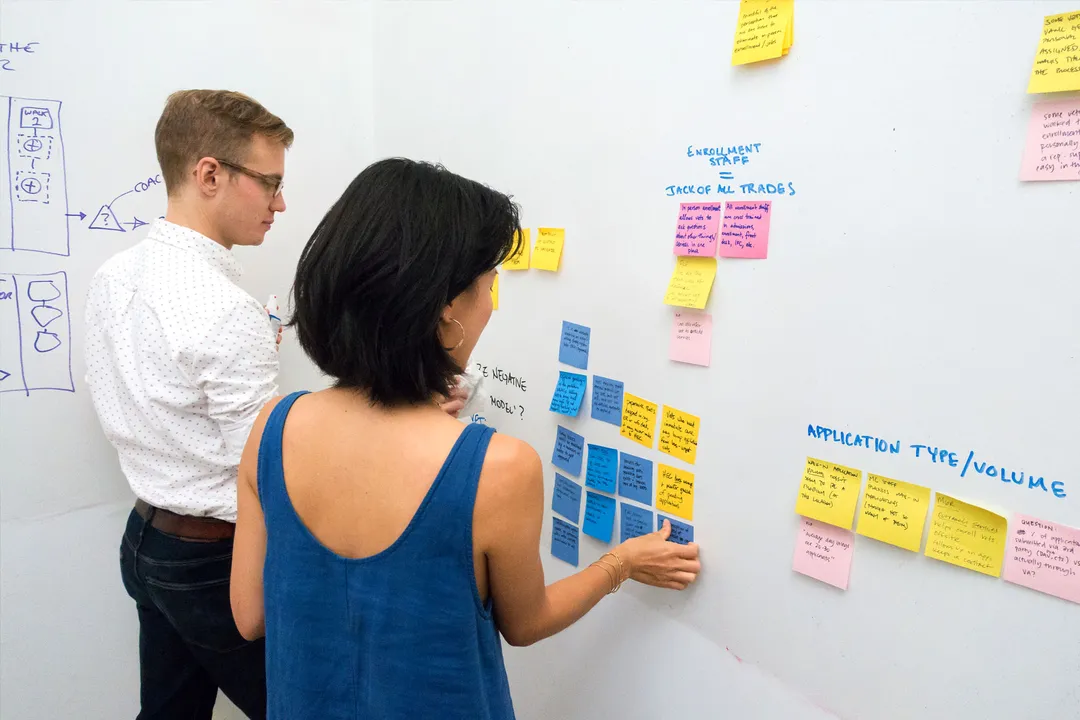
Working within policy foresight labs involves a specific cadence of looking out, synthesizing information, and then pushing that learning back into present decision-making structures. It is fundamentally about making the abstract, long-term future tangible enough for current policymakers to act upon. [1][8] These labs are not crystal ball operations; rather, they are structured environments dedicated to systemic thinking, helping organizations navigate uncertainty and prepare for potential disruptions or opportunities decades in advance. [6][7]
# Lab Functions

The core function of a foresight lab, whether it serves a major international body like the UN or a national public service, is bridging the gap between what could be and what should we do now. [1][9] Many labs offer specific services that illuminate their operational focus. For example, some specialize in offering strategic advice based on long-term trends, helping organizations become future-proofed against change. [6] Others focus heavily on building internal capability, meaning they work to teach governmental departments or other agencies how to conduct foresight themselves, rather than just delivering one-off reports. [5]
The engagement style varies significantly based on the lab's mandate. A public policy lab, for instance, might focus its work on how services are delivered, employing design principles alongside foresight to create novel public solutions. [10] In contrast, a lab embedded within an organization like the European Commission might concentrate on anticipating future regulatory challenges or geopolitical shifts that will directly impact current policy portfolios. [1][5] The output is rarely a single prediction; it is typically a portfolio of well-researched possibilities—scenarios, potential risks, and strategic implications—that inform the present. [8]
# Process Steps
The actual work inside these labs follows a recognizable, though often iterative, methodological sequence. [9] While the exact terminology might shift between the OECD’s futures guide or a specific organization's internal protocol, the underlying flow remains consistent: scanning, sense-making, future conceptualization, and implication drawing. [8]
# Scanning Inputs
The process begins with environmental scanning. [9] This is the systematic, broad monitoring of signals across various domains—technology, society, environment, economics, and politics. It is about collecting weak signals—those early, often ambiguous indicators that might signify a significant future shift—alongside strong, established trends. [6] A critical element here is ensuring the scope is deliberately wide; many labs emphasize that focusing too narrowly too early results in missing the disruptive forces originating from outside a department’s typical purview. [7]
# Sense Making
Once data is collected, the lab moves into sense-making. [9] This is where data is transformed into insights. It involves bringing diverse groups of people—often policymakers, external experts, and futurists—together to collectively analyze the scanned information. [5] The goal is to identify key uncertainties and drivers of change. For instance, a lab might map technological adoption rates against shifting public attitudes to determine which combinations of these factors create the most divergent future possibilities. [8]
# Future Conceptions
The next phase is creating alternative futures. [9] This is frequently achieved through scenario planning, where the key uncertainties identified in sense-making are used as axes to construct plausible, internally consistent narratives of the future. [2][9] These are not forecasts; they are distinct visions of what might happen under different combinations of conditions. Organizations might develop three to five distinct scenarios, ranging from an optimistic continuation to a disruptive, challenging environment. [9]
# Drawing Implications
Finally, the work pivots back to the present through implication drawing. [9] For each constructed future scenario, the team asks critical questions: "If this future comes to pass, what does it mean for our current strategy, mandate, or budget?". [3] This phase demands translating future uncertainty into present-day policy options. If a scenario shows a massive demographic shift affecting healthcare demands in 20 years, the implication drawing must suggest immediate policy pivots—be it in infrastructure planning, funding reallocation, or pilot programs—that make the organization more resilient to that potential reality. [1]
It is worth noting a key divergence in practice: while institutional guides, like the UN's Strategic Foresight Guide, often structure this as a linear process for internal guidance, [9] real-world application often requires looping back. For example, realizing a key uncertainty was poorly defined during sense-making means returning to the scanning phase for more targeted intelligence gathering.

# Organizational Styles
The way a foresight lab operates day-to-day is heavily influenced by whether it is an internal dedicated unit or an external consultancy. [4]
Internal labs, such as those within governmental bodies or international organizations, operate under specific institutional constraints and mandates. [1][5] Their success is measured by their ability to influence mainstream policy cycles, which can be slow and politically sensitive. [5] They often work closely with senior leadership to frame emerging issues and are directly responsible for building foresight competence across the public sector. [8]
External labs or consultancies, conversely, are structured around client deliverables. [6][4] Their work is often driven by more immediate strategic business questions or specific policy problems commissioned by a client. They tend to be more flexible in adopting novel methodologies quickly, but their depth of institutional knowledge might be less than that of a long-standing internal unit. [3]
When comparing the operational focus, one observes that institutional labs often treat resilience and preparedness as their primary outcome, aiming to prevent systemic failure or guide long-term mandates. Commercial labs, while certainly concerned with future viability, often prioritize market positioning and early identification of growth vectors for their clients. [6] An interesting analytical observation is how this structural difference affects the risk appetite shown in the final recommendations; an internal public lab must propose changes that are politically defensible and incremental, while a commercial entity might advocate for more radical strategic pivots if the evidence strongly supports a major market disruption.
# Integrating Foresight
A major challenge in how these labs work is ensuring their output doesn't remain an isolated academic exercise. The most effective models are those that embed their work into existing planning mechanisms. [5]
One essential technique observed in successful policy labs is co-creation. [1] Rather than producing reports for policymakers, they work with them. This might involve running participatory workshops, simulation games, or dedicated 'future labs' where stakeholders actively debate and shape the scenarios themselves. [1][4] This active involvement builds ownership and greatly increases the likelihood that the strategic implications will be translated into policy action. [10]
This integration is crucial for turning foresight into actionable foresight. A common pitfall is delivering sophisticated scenarios that policymakers file away because they lack a clear pathway for immediate application. To combat this, many labs structure their final phase around policy experimentation. This involves designing small, low-risk, short-term projects—pilot programs or regulatory sandboxes—that test assumptions derived from the long-term scenarios. If a future suggests decentralized service delivery will be necessary, the lab might advocate for a six-month localized pilot project to test the organizational friction and public acceptance now. [8] This moves the needle from abstract possibility to concrete, iterative policy learning.
# Building Capacity
A significant aspect of how foresight labs operate, especially in the public sector sphere, involves capability building. [5][7] Simply having one centralized foresight unit is insufficient for an entire government or large organization. Therefore, a major part of their work centers on diffusion—spreading foresight literacy and practical skills throughout the system. [5]
This diffusion can take several forms:
- Training Programs: Offering structured courses on trend analysis, backcasting, or systems thinking. [7]
- Toolkits and Guides: Developing easily digestible guides, like those created by the UN Futures Lab, that simplify complex methodologies for non-specialists. [2][9]
- Embedded Fellows: Temporarily placing foresight specialists within operational policy teams to guide specific projects and transfer skills through hands-on collaboration. [1]
This focus on capacity ensures that foresight becomes an ongoing organizational capability rather than a periodic consultancy review. It democratizes the ability to think long-term across multiple policy domains. The difference between a lab that delivers foresight and one that embeds foresight often lies in the time dedicated to these training and embedding activities versus the time spent on primary research projects. Successful institutional labs often dedicate almost as much staff time to capacity transfer as they do to strategic forecasting itself. [5]
# The Role of Digital Tools
Modern foresight work is increasingly supported by digital infrastructure, though the human element remains central. [7] Labs use technology for managing the vast influx of information from scanning activities—what is sometimes referred to as horizon scanning platforms. [6] These tools help filter noise, map emerging connections between trends, and visualize complex systemic relationships.
However, the true value of these digital tools is often in their ability to make the output accessible and engaging. Interactive scenario dashboards, or digital platforms that allow different policy teams to feed in their own local signals, replace static PDF reports. This aligns with the modern expectation that policy insights should be dynamic and easily searchable, rather than locked in finalized documents. [10] The technology acts as an organizational memory and a shared workspace for future thinking.
Ultimately, working in a policy foresight lab is about managing complexity and cultivating necessary organizational humility—the acceptance that the present state is temporary and that a wider view of possible futures is essential for sound, responsible action today. [8]
Related Questions
#Citations
Foresight: our new guide to how it could work for you
UN Strategic Foresight Guide
Services | Foresight Lab
Foresight Lab - CoSTAR Network
EU Policy Lab
Strategic Foresight | The Future Laboratory
Foresight Lab: Shape the Future. Lead the Way.
Futures & Foresight
UN Strategic Foresight Guide
Services