How do you work in complex operations centers?
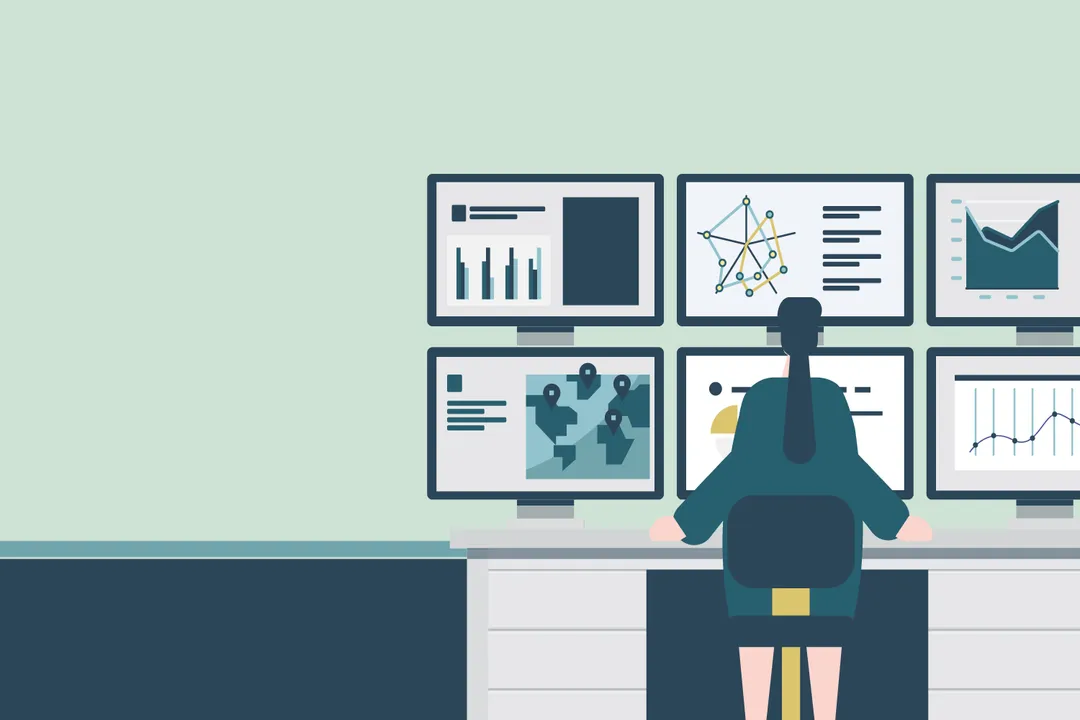
Working in a complex operations center—whether it monitors global networks, security threats, or critical infrastructure—is a distinct discipline centered on managing the extreme edges of organizational risk. It is less about performing routine tasks and more about maintaining hyper-vigilance, often during long periods of quiet interspersed with moments demanding immediate, flawless execution. [4] These facilities are purpose-built environments where technology, human endurance, and stringent process intersect to ensure the continuous functioning of something vital.
# Center Types
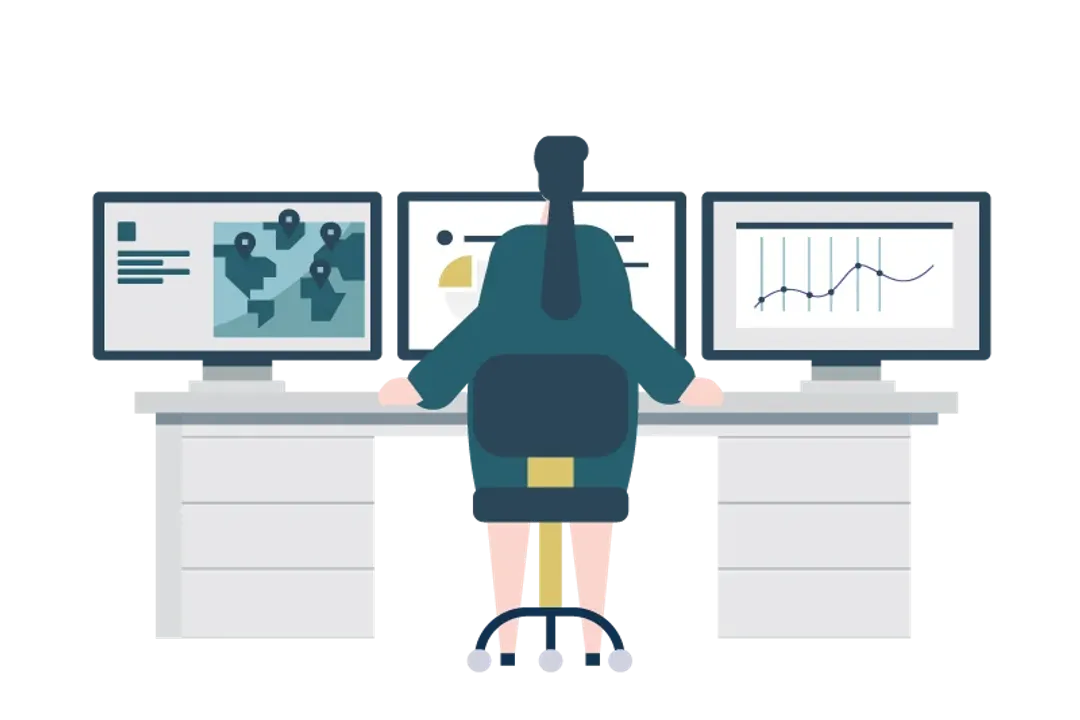
Not all operations centers are built for the same mission, which dictates the required staff expertise and the very look of the control room itself. [5] A Network Operations Center (NOC), for instance, is usually focused on the health and connectivity of IT infrastructure, looking for broad, systemic failures across many interconnected systems. [5] Conversely, a Security Operations Center (SOC) concentrates on threat detection and response, involving deeper analysis of anomalies and potential intrusions. [5] Then there are Emergency Operations Centers (EOCs), which often serve as command hubs during major incidents, coordinating resources across multiple agencies or departments, as might be seen in government facilities like the US State Department’s operations center. [5][6] The type of center fundamentally shapes the operator's daily focus: the NOC operator monitors dashboards for green/red status indicators, while the EOC coordinator manages information flow and resource allocation during an unfolding crisis. [6]
# Room Structure
The physical environment is paramount because the tools on display directly shape the operators' perception of reality. [1] A successful design prioritizes the operator’s ability to take in vast amounts of data quickly and accurately. [10] This starts with the layout: seating arrangements must ensure that every operator has clear sight lines to the primary visual display areas, such as video walls or large monitors. [1][2] Poor placement can hide crucial alerts or force operators into uncomfortable viewing positions, which compounds fatigue during long shifts. [2]
Ergonomics are non-negotiable. Chairs, desk height, and monitor positioning must be adjustable to fit individual operators, as comfort directly correlates with sustained attention. [2] Furthermore, lighting plays a subtle but important role; it must be bright enough to read documentation but dim enough to prevent glare on the screens, maintaining necessary ambient light levels. [2] When setting up the video wall, the division between what the system shows and what the operator needs to see is critical. For example, the visual field required for a Network Operations Center, which needs to see the geographical status of an entire wide-area network at a glance, demands a different presentation style—perhaps more expansive mapping—than a Security Operations Center, which might require densely packed, high-resolution threat matrices focused on specific endpoint alerts. The technology must serve the mission's visual vocabulary, not the other way around. [10]
# Staffing Needs
The individuals working in these centers are not interchangeable; they possess specialized expertise layered over a foundation of operational discipline. [3] In many government settings, such as those managed under the Facility Operations Services occupational series, roles may span from general maintenance and technical support to specialized monitoring. [3] However, in the most complex centers, the staff usually requires deep subject matter knowledge—be it in networking protocols, cybersecurity threat hunting, or facility systems management—to correctly interpret incoming data. [9]
The reality of the job often requires personnel who are proficient in standard operating procedures (SOPs) yet possess the critical thinking necessary to deviate when a situation falls outside established scripts. [1] A common requirement gleaned from job postings is proficiency with specific monitoring tools, but equally important, though harder to quantify in a job description, is the ability to communicate clearly under stress. [9] When an incident occurs, the operator needs to translate highly technical observations into actionable intelligence for decision-makers who may lack the same technical background. [4] This dual-language capability—speaking both "engineer" and "executive"—is a hallmark of high-performing center staff.
# Daily Practice
Life in an operations center is defined by routine punctuated by chaos. Shifts are often long, typically involving 10- or 12-hour rotations, which necessitates careful management of human factors to maintain alertness. [4] For those working in high-stakes environments like federal centers, the pace can be highly unpredictable; one might spend hours monitoring routine system health only to be immediately plunged into a high-priority situation requiring constant updates and coordination across global timelines. [6]
This environment demands specific mental strategies. Operators must resist the urge to become complacent during quiet periods, understanding that system failures rarely adhere to a 9-to-5 schedule. [4] Here is a point worth considering: the human attention decay curve suggests that after several hours of low-activity monitoring, an operator’s ability to register subtle anomalies begins to diminish, regardless of how motivated they are. Therefore, truly successful centers don't just rely on breaks; they structure shifts with planned, mandatory mental resets—even if no incident is active—to proactively mitigate the natural fatigue curve that sets in during the mid-shift lulls. [4] In contrast, during a high-alert incident, the work shifts entirely from monitoring to active incident command, where the focus narrows intensely onto troubleshooting and documentation, often relying on pre-defined runbooks for initial triage. [6]

# Center Improvement
Simply having the technology and the people is not enough; the center must be continuously refined to achieve its fullest potential. [8] A key differentiator between an average center and a successful one lies in its operational maturity—the ability to standardize, measure, and repeat success. [1] Success in building these centers often hinges on clearly defining metrics early on, tying performance directly to business or mission outcomes, rather than just uptime statistics. [1]
This refinement process requires disciplined action beyond the immediate incident response. It involves regularly reviewing post-incident reports (or post-event analyses), not to assign blame, but to identify gaps in automation, tooling, or training. [8] If an alert was correctly identified but the response process added an unnecessary hour, that process—not the operator—becomes the target for improvement. [1] Implementing systematic change might involve creating new standard operating procedures, investing in better visualization tools, or deploying new automation scripts to handle the lowest-level acknowledgments, freeing the highly paid, highly trained staff to focus only on novel problems. [8] An operational center that is not actively seeking ways to reduce its own reactive workload is likely already falling behind, as the complexity of the systems it monitors only increases over time. [1][8]
#Videos
SBA 443: Building A remote Operations Center - YouTube
Related Questions
#Citations
The Ultimate Guide to Building Successful Operations Centers - Epsis
The Do's and Don'ts of Operation Center Design | Constant
Facility Operations Services | U.S. Department of the Interior
I've been offered an Operations Management role...but I don't have ...
What Are the Different Types of Operation Centers? - Haivision
What is it like to work in the US State Department's Operations Center?
SBA 443: Building A remote Operations Center - YouTube
How Technical Operation Control Centers Reach Their Potential
Operations Center Jobs, Employment in Boston, MA | Indeed
5 Things Operations Centers or Control Rooms Need to Assure ...