How do you work in energy materials modeling?

Working in energy modeling involves using computational tools to examine how energy moves through a structure, predicting its consumption, and assessing performance characteristics. [2] While the term can apply broadly, much of the professional work centers on building energy modeling—a critical activity used to inform design decisions for new construction or retrofits aimed at enhancing efficiency. [2][10] It moves energy analysis from abstract theory into concrete, quantifiable predictions about a building's future operation.
# Necessary Background

To effectively perform energy modeling, a strong academic foundation is often necessary, especially in the physical sciences. [1] Understanding the fundamentals of thermodynamics and heat transfer is essential because these principles govern how energy is gained, lost, and distributed within the building envelope and HVAC systems. [5] Beyond core science, familiarity with building science principles—like air leakage, insulation effectiveness, and solar heat gain—provides the context needed to interpret simulation outputs correctly. [1]
Practically speaking, energy modelers also need proficiency in drafting and design software, such as CAD (Computer-Aided Design), as the geometric representation of the building is the first major input into any simulation program. [1] The ability to translate architectural drawings into a precise 3D model that the simulation engine can process is a fundamental technical skill required early in the workflow. [3]
# Modeling Workflow
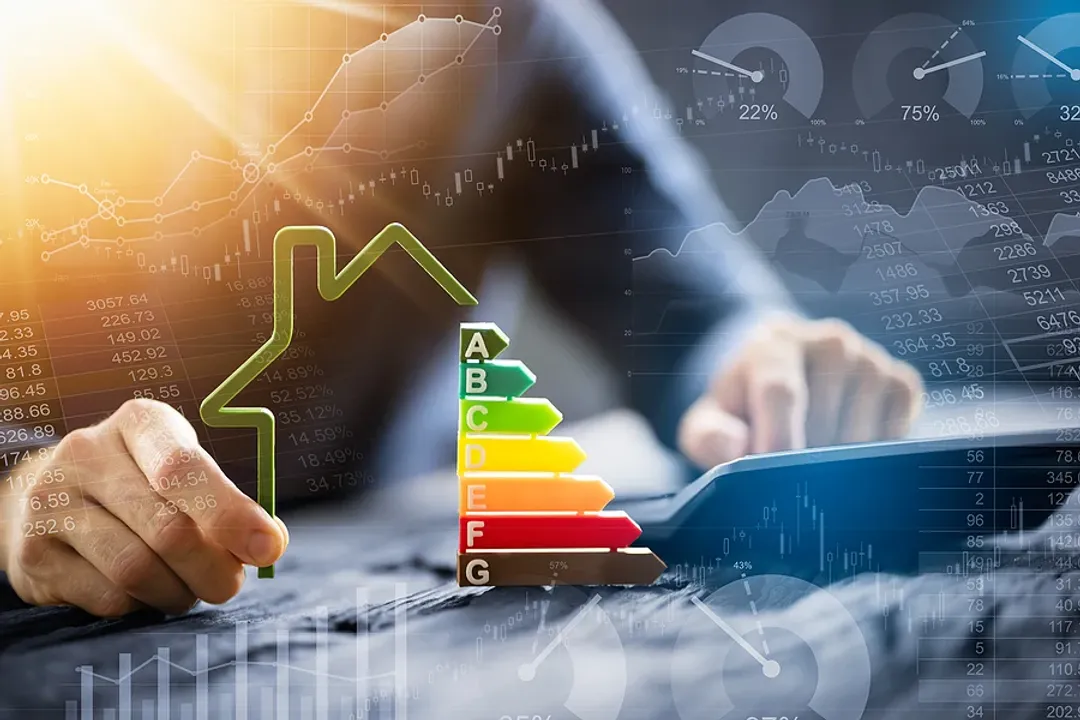
Conducting a building energy simulation is a structured, multi-stage process that requires discipline from start to finish. [3][7] It begins long before the software is opened with the crucial step of defining the project goals. Are you comparing two different window types, optimizing the mechanical system sizing, or trying to meet a specific net-zero energy target? Clarity here dictates the scope and complexity of the simulation required. [3]
Once the objectives are set, the next major phase involves data acquisition and model creation. This means gathering reliable input data, which includes detailed architectural drawings, local hourly weather files, specified materials (U-values, Solar Heat Gain Coefficients), equipment performance data (SEER ratings for cooling, efficiency for boilers), and operational schedules for occupants and lighting. [7] The geometric model is then built within the chosen software, replicating the building's massing, orientation, window locations, and internal zoning. [3]
The simulation setup then moves into specifying the system parameters. This involves accurately inputting details about the Heating, Ventilation, and Air Conditioning (HVAC) systems, lighting loads, and plug loads. [5][7] A common pitfall here is assuming generic defaults; the more closely the model reflects the actual planned systems and usage patterns, the more reliable the outcome will be. [7]
After setup, the computer performs the simulation run, calculating energy flows hour-by-hour across an entire year based on the input weather data. [2] The final phase is analysis and reporting, where the modeler interprets the energy use breakdown (e.g., how much energy went to heating versus cooling) and uses these results to suggest design modifications or confirm compliance. [3] This entire loop—from input refinement to simulation to analysis—is rarely a single pass; it often requires multiple iterations to achieve an optimal design solution. [3]
A key analytical consideration often overlooked by newcomers is the inherent uncertainty residing in the input data itself. For example, while standardized weather files are available, actual occupancy behavior—when people arrive, when they turn on lights, or how often they adjust the thermostat—is rarely perfectly predictable. Therefore, true expertise in this field often involves running sensitivity analyses where key variables (like infiltration rates or occupancy density) are intentionally perturbed across a reasonable range to determine the model's stability and identify the areas where input uncertainty will most significantly affect the final energy prediction. This shifts the focus from finding a single 'correct' answer to understanding the range of likely outcomes.

# Tools and Software

The core of energy modeling relies on specialized software platforms that contain the physics engines to perform the calculations. [1] These tools can range from detailed engine simulators to simpler prescriptive analysis programs. [9]
The EnergyPlus engine is widely recognized as a gold standard in the industry due to its detailed, object-oriented simulation capability. [1] However, EnergyPlus itself is often accessed through user interfaces that make the input process more manageable. Programs like OpenStudio are popular graphical interfaces that facilitate building the model and running the EnergyPlus calculations. [1][9]
Depending on the market and project requirements, other tools are prevalent:
- eQuest: A long-standing industry tool, often preferred for its relative speed in early-stage energy analysis. [5]
- IES-VE (Integrated Environmental Solutions Virtual Environment): A comprehensive suite used for various building performance simulations.
- TRACE 700: Often favored for detailed HVAC load calculations.
When starting out, the advice often points toward mastering one of the more powerful, open-source-backed tools like the OpenStudio/EnergyPlus environment, as these offer the depth needed for complex analysis and code compliance checks. [5][9]
# Entering the Field
Working professionally in energy modeling, whether as a consultant or in-house for an architecture or engineering firm, is a technical career path that demands continuous learning. [1][6] Because the field sits at the intersection of engineering, building science, and software application, dedicated upskilling is required beyond a standard degree. [9]
Entry-level modelers are often expected to possess a Bachelor's degree in mechanical engineering, architectural engineering, or a related discipline. [1] However, gaining hands-on experience with actual simulation software is crucial; theoretical knowledge alone is insufficient. [9] This experience can come through internships, project work during education, or dedicated self-study focused on generating practice models. [9]
Job opportunities often fall into categories such as:
- Design Support: Working directly with architects during the schematic design phase to steer material and system choices. [8]
- Compliance Checking: Ensuring proposed designs meet local energy codes or standards like ASHRAE 90.1. [7]
- Building Envelope Specialization: Focusing specifically on optimizing the performance of roofs, walls, and fenestration. [8]
This type of specialized skill set is increasingly valued, leading to some of the higher-paying roles within building performance analysis. [6]

# Optimization and Iteration
Energy modeling is not merely a compliance checkbox activity; it is fundamentally an optimization exercise. When reviewing simulation results, the modeler acts as a design advisor, suggesting trade-offs. For instance, a design change that adds 30,000 in lifetime energy costs, a comparison the model makes clear. [10]
This iterative cycle is where the real value is created. It’s important to recognize that the best modeling isn't about achieving the absolute lowest simulated energy use number possible on paper; it's about identifying the point of diminishing returns where further energy investment provides negligible operational savings or negatively impacts occupant comfort metrics like predicted Mean Radiant Temperature or glare. An expert modeler knows when to stop refining a variable and instead focus computational effort on the next most impactful element of the building system. This understanding requires moving beyond simply executing the software commands and instead developing an intuition about building physics in practice.
# Practical Application Contexts
The primary application of this modeling work falls into two main categories: new construction and existing building analysis. [2][10]
In new construction, modeling provides the ability to test before breaking ground. A designer can compare the energy performance difference between a traditional all-glass façade and one incorporating external shading fins, all modeled under site-specific solar angles. [10] This pre-construction analysis saves significant financial and material resources by preventing costly field fixes later on. [2]
For existing buildings, modeling serves as the diagnostic tool for retrofits. An engineer might model a large commercial office building to pinpoint whether the majority of energy waste is coming from inefficient lighting, an undersized or leaky distribution system, or excessive envelope heat transfer. The simulation output directs capital spending toward the highest-impact improvements. [2][7] For instance, if the model shows that lighting accounts for 40% of the load but the HVAC system is only 20% of the load, investing in envelope upgrades before upgrading the HVAC may not yield the expected savings if the lighting remains unchanged. [7]
Ultimately, the work of an energy modeler is to transform complex physical interactions into actionable, data-driven decisions, ensuring that new and existing structures meet modern demands for efficiency and sustainability. [2][10]
#Videos
Introduction to Energy Modelling Course (eQuest Energy Modelling)
Related Questions
#Citations
How To Become an Energy Modeler: Complete Guide
About Building Energy Modeling
How to Conduct Energy Modeling: A Comprehensive Guide For ...
Introduction to Energy Modelling Course (eQuest Energy Modelling)
Energy Modeling - where to start? : r/MEPEngineering - Reddit
Top 7 High-Paying Jobs in Building Performance & Energy Modeling
How to Conduct Energy Modeling: The Ultimate Guide - NY Engineers
Job Opportunities - Energy Modeling/Building Envelope Design
Energy Modeling - AIA California
Harnessing Energy Modeling for Sustainable Building Design