How do you work in traffic optimization systems?
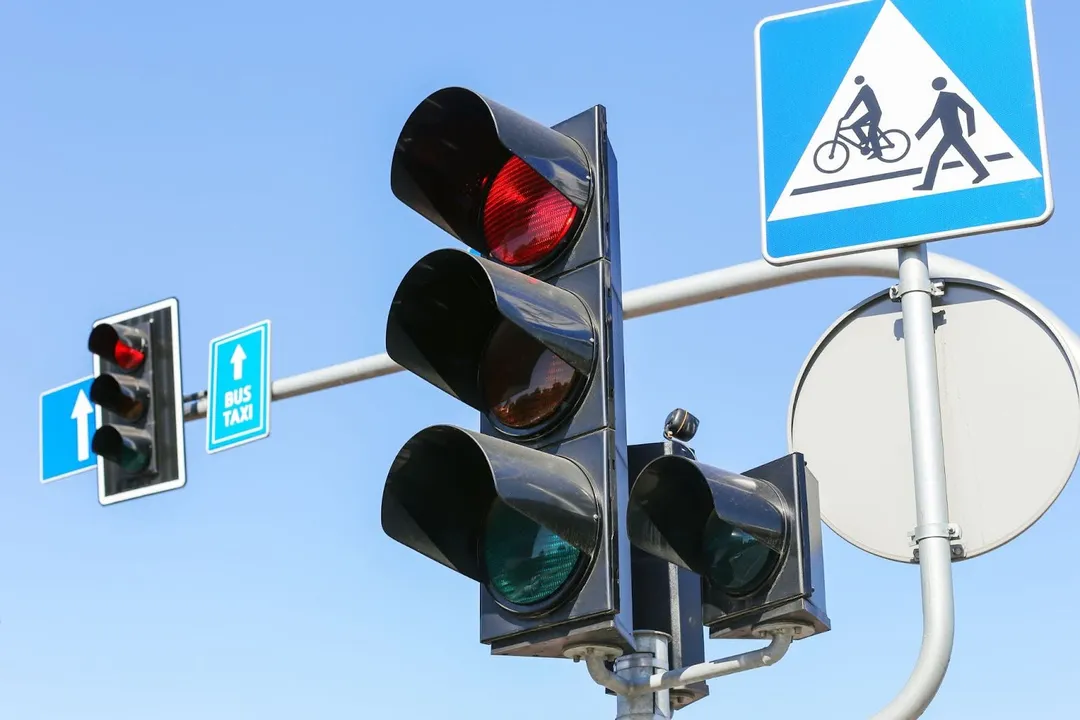
Working within traffic optimization systems is a layered discipline that blends traffic engineering principles with cutting-edge data science to keep vehicles, pedestrians, and goods moving as efficiently and safely as possible across a network. [2][5] Fundamentally, the work centers on manipulating traffic control devices, most commonly signals, but increasingly involving dynamic signage and routing advice, based on real-time conditions rather than static, pre-set schedules. [3] The ultimate objective is to reduce congestion, minimize travel times, and enhance safety across roadways, often dealing with complex, interconnected urban environments. [2][5]
# Core Concepts

At its most basic, traffic optimization involves controlling the flow of traffic through a defined area. [2] Historically, this meant setting signal timing plans based on expected peak volumes, often resulting in inefficient stops during off-peak hours or creating gridlock when unexpected events occurred. [8] Modern approaches focus on making the system adaptive—able to sense changes and adjust immediately. [3] This shift requires understanding that traffic movement is not just about clearing one intersection; it involves managing a continuous wave of demand across an entire corridor or zone. [7] Specific formalized efforts, such as a Traffic Signal Optimization Program (TSOP), are dedicated to systematically improving existing signal timings to achieve better system-wide performance. [9]
# Input Gathering
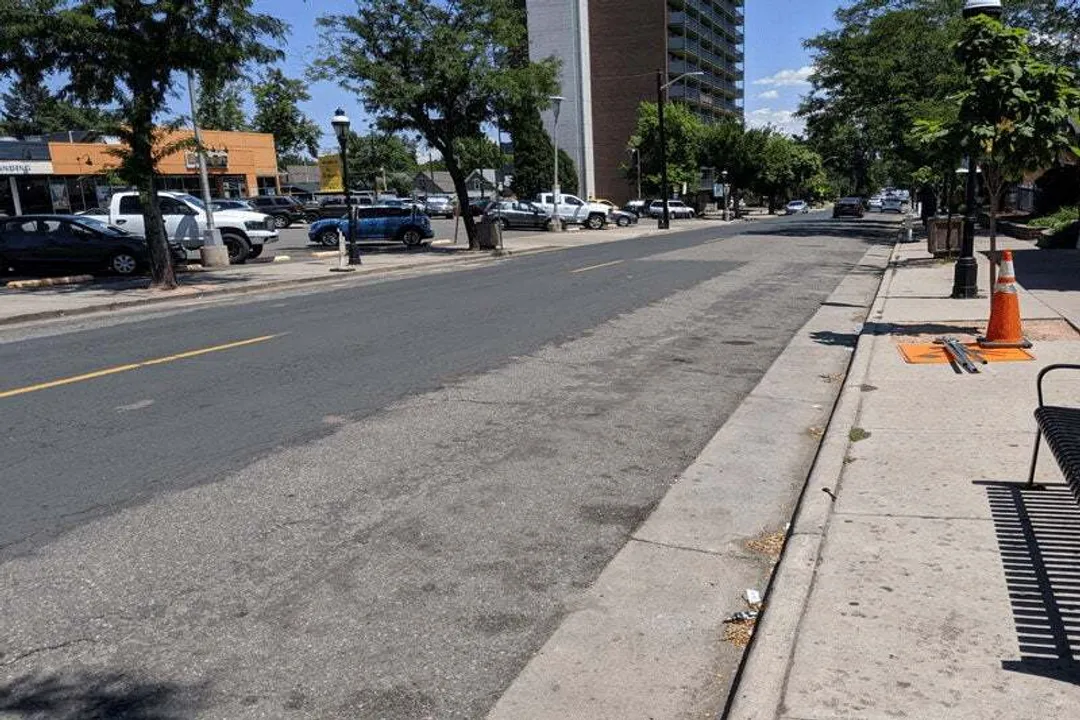
The ability to optimize hinges entirely on accurate, timely data input. Without knowing the present state of the network, any intervention is merely guesswork. [5] Systems rely on numerous inputs, including data gathered from sensors embedded in or alongside the pavement, video cameras monitoring intersections, and aggregated GPS or probe data showing travel times across segments. [5][3] This information paints a picture of current vehicle queues, turning movement demands, and overall travel speeds. [5]
A persistent challenge in this data collection phase is managing data latency. Even what is termed "real-time" data has a measurable delay between an event occurring—a sudden backup, for instance—and the control system receiving and processing that information. [5] If a system is optimized purely on data that is 45 seconds old, it is technically reacting to past conditions, not present ones, necessitating sophisticated algorithms to bridge that gap. [8]

# Adjusting Signals
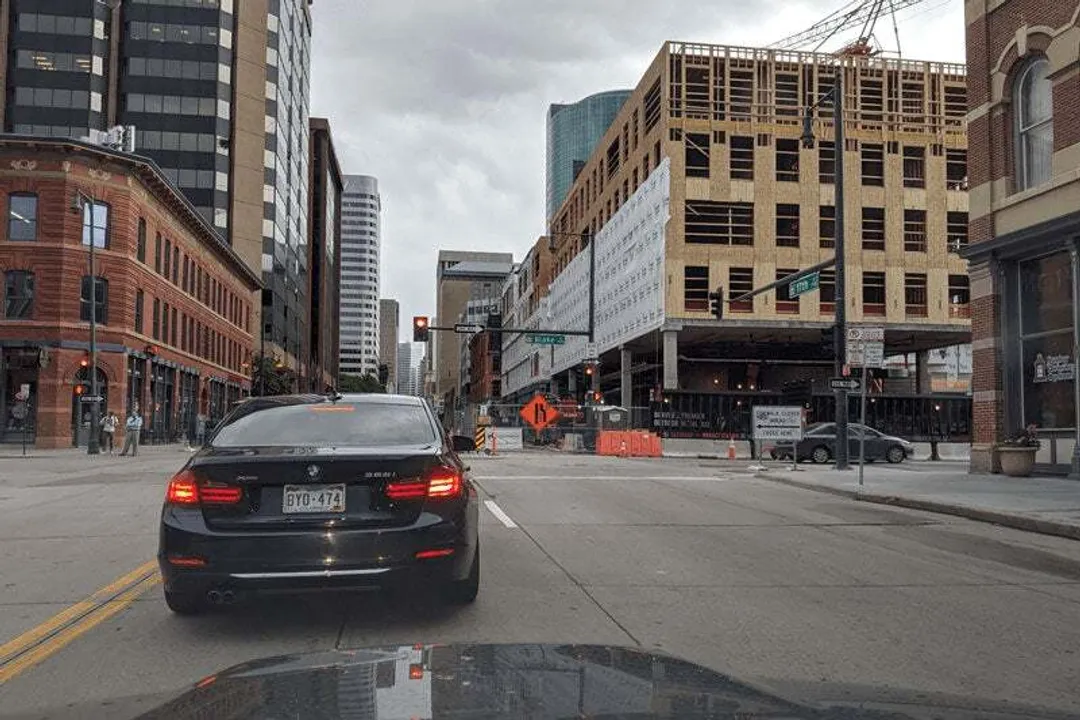
Once the system has the data, the optimization work involves making calculated changes to the signal hardware. This means adjusting the phase (which movements get a green light at the same time) and the timing (how long each phase lasts). [2][8] In a simplified view, traffic engineering seeks to match the green time allocation to the actual traffic volume waiting for the light. [7]
The difference between older and newer systems can be stark. Fixed-time systems operate on schedules that rarely change day-to-day. [8] Adaptive systems, conversely, dynamically change the cycle length and splits minute-by-minute based on vehicle presence detectors. [8] For instance, if a major artery suddenly sees an influx of traffic due to an upstream incident, an adaptive controller can immediately lengthen the green phase along that artery, potentially at the expense of a side street that currently has no vehicles waiting. [2][8]
# Intelligent Operations
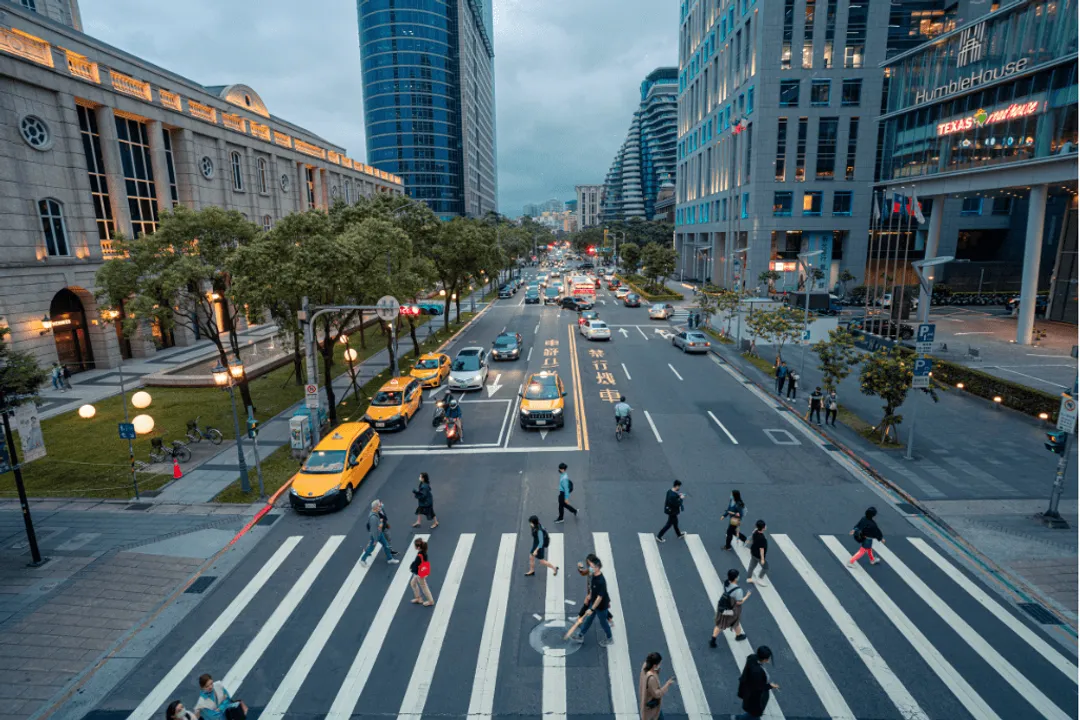
The most advanced traffic optimization systems move beyond simple reaction and venture into prediction, often falling under the umbrella of Intelligent Transportation Systems (ITS). [3][10] These systems employ Artificial Intelligence (AI) and predictive modeling to forecast traffic demands minutes or even hours ahead. [5][8] By analyzing historical patterns—knowing, for example, that a specific venue releases thousands of people onto a major road at 10:00 PM every Friday—the system can pre-emptively adjust signal timings several blocks away to create a smooth flow path before the major surge even reaches the first intersection. [8] Predictive Traffic Management Systems (PTMS) are designed to anticipate these needs, attempting to keep the entire network operating near its theoretical maximum capacity. [8]
This predictive capability allows for more subtle corridor management. When designing signal plans, one must balance the needs of individual intersections against the overall movement of the network. [7] An effective strategy involves modeling the system to manage queues strategically. Instead of simply maximizing the green time at the absolute worst intersection, a better approach is to slightly optimize the signal timing upstream to manage the queue build-up at the next critical stoplight, effectively "metering" the flow into the bottleneck area rather than letting vehicles pile up and block cross-streets or block side streets from clearing. [6] This downstream consideration is key to moving large volumes efficiently.
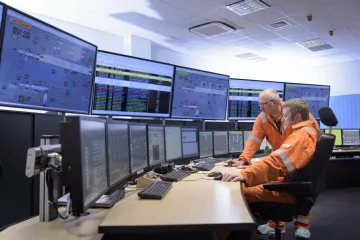
# Field Work Steps
Implementing these complex digital adjustments requires a defined, practical process. [6] While the algorithms are sophisticated, the process of deploying them follows a structured engineering path:
- System Modeling: Engineers first create a digital model of the existing roadway network, incorporating lane geometry, speed limits, and observed turning movements. [6]
- Design and Simulation: Proposed timing plans or new adaptive logic are applied to the model. Engineers then run simulations to test the theoretical impact on travel time, stops, and delays before touching any live hardware. [6]
- Field Implementation: The optimized plans or software updates are installed onto the physical signal controllers. [6]
- Verification and Tuning: Technicians then monitor the system in the field to ensure the implemented timings are executing as intended and that sensors are functioning correctly. [4][6] This often involves fine-tuning parameters based on how the real world reacts compared to the simulation. [6]
- Ongoing Review: Traffic patterns change seasonally, due to new construction, or due to shifting commuter habits. Therefore, the process must be cyclical, requiring regular review and re-optimization to maintain efficiency. [9]
# Technician Duties
The technology, however sophisticated, requires skilled human oversight and maintenance. Traffic technicians are essential personnel who ensure the physical components of these optimization systems are operational. [4] Their responsibilities often include installing, calibrating, and maintaining the electronic equipment necessary for the control systems—this covers everything from the signal heads themselves to the pavement-embedded loop detectors or cameras feeding data into the central system. [4] They bridge the gap between the digital plans developed by engineers and the physical reality of the roadway, making sure the inputs are clean and the outputs are reliably delivered. [4] A technician checking signal timing parameters in the field might notice that a new construction zone has shifted driver behavior in a way the central algorithm hasn't yet accounted for, requiring an immediate manual correction while the long-term adaptive solution is developed. [4]
#Videos
What Is Traffic Flow Optimization? - CountyOffice.org - YouTube
Related Questions
#Citations
What Is Traffic Flow Optimization? - CountyOffice.org - YouTube
Traffic optimization - Wikipedia
What Is a Smart Traffic Management System? | Miovision
What does a traffic technician do? - CareerExplorer
Using AI and Real-Time Data to Optimize Traffic Flow and Safety
Practical Steps for Traffic Optimization - Gravity Global
ELI5: How does traffic engineering work? How are traffic lights timed ...
Predictive Traffic Management Systems | AI Traffic Control - Econolite
traffic-signal-optimization-program - tsop
Traffic Optimization - an overview | ScienceDirect Topics