How do you work in traceability blockchain systems?
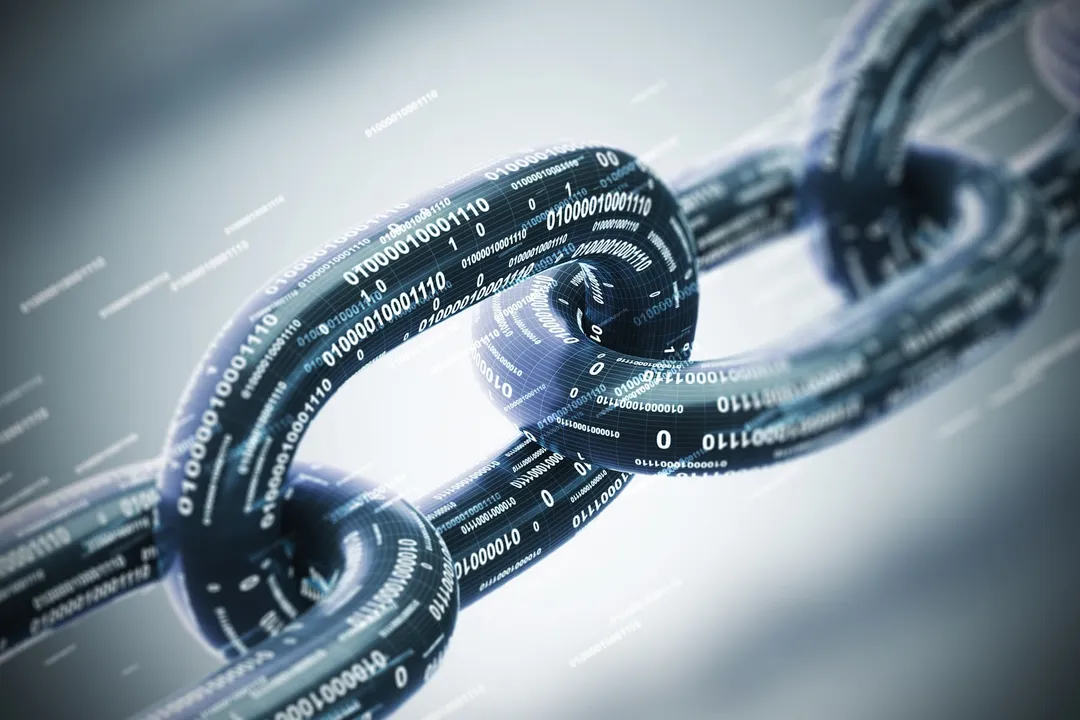
Working within traceability blockchain systems fundamentally shifts how organizations verify the history, origin, and condition of assets. It moves beyond traditional, often paper-based or centralized digital records susceptible to tampering, towards an environment where every significant interaction with a product is recorded on a shared, cryptographically secured ledger. [1][2] The core concept centers on establishing provenance—the complete, auditable history from point of origin to the end consumer. [4]
To truly understand how one "works" in these systems, we must look past the ledger itself and examine the integration points where the physical world interacts with the distributed digital record. It is an exercise in secure data capture and automated process enforcement.
# Core Mechanics

Traceability systems aim to provide transparency, allowing relevant parties to view transaction histories, ensuring that the integrity of the data remains intact throughout the supply chain. [2][5] Blockchain achieves this through its inherent properties: immutability, meaning once data is recorded, it cannot be altered, and decentralization, which removes reliance on a single authority to validate the truth. [1]
# Asset Identification
The first critical step in implementing any blockchain tracking system is establishing a unique digital identity for the physical item or batch being tracked. [4] This digital twin must be securely linked to the physical asset. This linkage is often managed through serialization technologies like QR codes, RFID tags, or IoT sensors. [6][7] When an asset moves or changes state (e.g., manufacturing completion, change of custody), this physical event must trigger an update to the digital record on the blockchain. [7]
# Automated Logic
The "work" isn't just recording data; it’s about automating compliance and verification through smart contracts. [1] These self-executing contracts contain the agreed-upon business logic. For instance, a contract might stipulate that for perishable goods, if a sensor records a temperature exceeding a defined threshold during transit, the system automatically flags the shipment as compromised and notifies the relevant insurance or quality control parties. [1][10] This immediate, automated response removes human latency in critical situations.
# Data Structure

When designing or participating in these systems, understanding what data is necessary is as important as understanding where it is stored. Traceability requires more than just location timestamps. Relevant data points span the entire lifecycle:
- Origin Data: Initial material source, date of harvest or creation. [5]
- Transformation Data: Details about processing, assembly steps, and manufacturing inputs. [3]
- Custody Data: Records of ownership transfer between logistics providers, distributors, and retailers. [4]
- Condition Data: Environmental factors like temperature, humidity, or exposure, often captured via IoT devices. [10]
In many enterprise contexts, the architecture chosen heavily influences data flow. While public blockchains offer maximum global transparency, working within a system designed for a specific industry or consortium often means employing a permissioned blockchain. This choice balances the need for verifiable immutability with necessary business confidentiality and transaction throughput requirements. [7] If a consortium controls the network, participants are typically vetted entities like suppliers or regulators, ensuring that while the record is immutable, only authorized parties can write specific types of data. [1]

# Implementation Steps

Setting up a blockchain tracking mechanism involves several deliberate phases that bridge technological requirements with operational realities. [4]
- Define Scope and Participants: Clearly map out the supply chain segments that require verifiable tracking and identify every entity that will interact with the ledger (suppliers, producers, shippers, regulators). [5]
- Establish the Digital Link: Determine the specific identification method—RFID, NFC, or QR codes—and ensure a reliable method exists to bind that physical identifier to its on-chain digital token or entry. [6]
- Develop Smart Contracts: Code the business rules. This involves defining the permissible state changes for an asset (e.g., what constitutes a valid transfer of custody). [1]
- Integrate Data Feeds: Connect physical sensors or manual input terminals to the blockchain middleware layer so that real-world events trigger transactions. [7]
- Auditing and Access Protocols: Configure who can read the data. A regulator might need full access, while a consumer might only see the final provenance summary. [2]
A significant design consideration often faced is deciding the granularity of data storage. Storing massive amounts of IoT sensor data directly on-chain is expensive and slow. A common and pragmatic approach involves writing only the cryptographic hash of large data files (like detailed sensor logs stored off-chain in a centralized or distributed file system) onto the blockchain. This maintains the integrity guarantee—if the off-chain data were altered, its hash would no longer match the hash stored immutably on the chain. [10]
# Traceability in Procurement
The procurement process stands to gain significant advantages from these tracking systems, particularly concerning ethical sourcing and compliance assurance. [5] Procurement professionals need to move beyond relying solely on supplier certifications. Blockchain allows organizations to trace components back to their source to verify claims regarding conflict minerals, fair labor practices, or sustainable farming standards. [5]
For example, in a complex manufacturing environment, tracking components through multiple tiers of suppliers can be nearly impossible traditionally. [3] A blockchain system allows the manufacturer to query the ledger and instantly see the chain of custody for every critical part used in a final assembly, offering a level of due diligence previously unattainable without extensive, slow, manual audits. [9]
When considering deployment, one valuable exercise is creating a simulation matrix. Map out a high-risk material path and assign a "trust score" to each traditional data handoff point versus the blockchain transaction point. Often, you find that where trust previously relied on human assurance across three separate companies, the blockchain reduces that reliance to one shared, cryptographically verified data structure, significantly lowering inherent risk. [1]

# Manufacturing and Anti-Counterfeiting
In sectors dealing with high-value goods or sensitive materials, such as pharmaceuticals or luxury items, the ability to prove authenticity is paramount. [9] Blockchain-enabled tracking systems directly counter counterfeiting by providing an undeniable digital pedigree. [3]
When a product is created, its unique identifier is minted on the chain. At every subsequent checkpoint—packaging, shipment, customs clearance—a new block is added, verifying its legitimate progress. [4] If a fraudulent item appears downstream, it will lack the correct, verifiable history recorded on the shared ledger, making it instantly identifiable as an outlier. [9] This capability extends to medical devices and drugs, where regulatory compliance demands strict tracking to prevent dangerous fakes from entering patient care streams. [7]
The interplay between manufacturing innovation and blockchain is evident in material traceability. Consider aerospace components. A single turbine blade might involve raw material from one country, forging in another, and final machining in a third. Each step must be documented meticulously for safety recalls. A blockchain ledger serves as the single source of truth for all maintenance and manufacturing records associated with that specific serial number, far exceeding the clarity of siloed databases. [3]
# Challenges in Operation
Working with these systems is not without hurdles. One primary operational challenge involves the standardization of data entry across disparate global partners. [7] If one partner uses imperial measurements and another uses metric, or if date formats conflict, the smart contracts designed to enforce rules will fail or generate false flags, despite the immutability of the underlying chain. [1] Standardization of data input schemas is a non-negotiable prerequisite for success.
Furthermore, while the blockchain ensures that data written to it cannot be changed, it does not verify the accuracy of the initial input. This is sometimes called the "garbage in, garbage out" problem applied to distributed systems. [7] If an operator deliberately scans the wrong batch ID or enters false temperature readings before the record is finalized on the chain, the resulting history, while immutable, is still factually incorrect regarding the physical reality it represents. [4] Addressing this requires strong physical security controls and auditing mechanisms around the data input devices themselves.
Finally, adoption requires buy-in from all ecosystem members, including smaller suppliers who may lack the technical infrastructure or capital to easily integrate with the required APIs or sensor technology. [2] A successful traceability implementation often requires building simpler, low-cost interfaces for these smaller nodes to ensure comprehensive coverage rather than having large gaps in the recorded history. [4]

# Viewer Access and Trust Building
The final component of working with these systems involves managing access for the ultimate consumer. Traceability aims to restore consumer trust, which is often damaged by opaque supply chains. [2] The consumer should be able to scan a product code and instantly view a simplified, curated history—perhaps showing the farm of origin, date of harvest, and certifications, without revealing sensitive commercial details about profit margins or specific shipping routes. [2] This tiered access model is crucial for balancing transparency needs with competitive business requirements. [1] When consumers see this verifiable history, it validates brand claims regarding sustainability or quality, transforming passive acceptance into active trust based on verifiable data. [5]
Related Questions
#Citations
A Comprehensive Guide on Blockchain Traceability
Traceability and Blockchain: Transparency for Any Business
Using Blockchain to Drive Supply Chain Transparency and Innovation
Blockchain Tracking System: When and Why It's Needed
How Blockchain Can Enhance Transparency, Traceability and Trust ...
Blockchain for Provenance and Traceability in 2025 - ScienceSoft
Manufacturing Supply Chain Traceability Using Blockchain ... - NCCoE
The Role of Blockchain in Supply Chain Traceability - Coinmetro
Blockchain for Tracking and Traceability: Transforming Supply ...
Blockchain-based framework for supply chain traceability: A case ...