How do you work in cooperative systems?
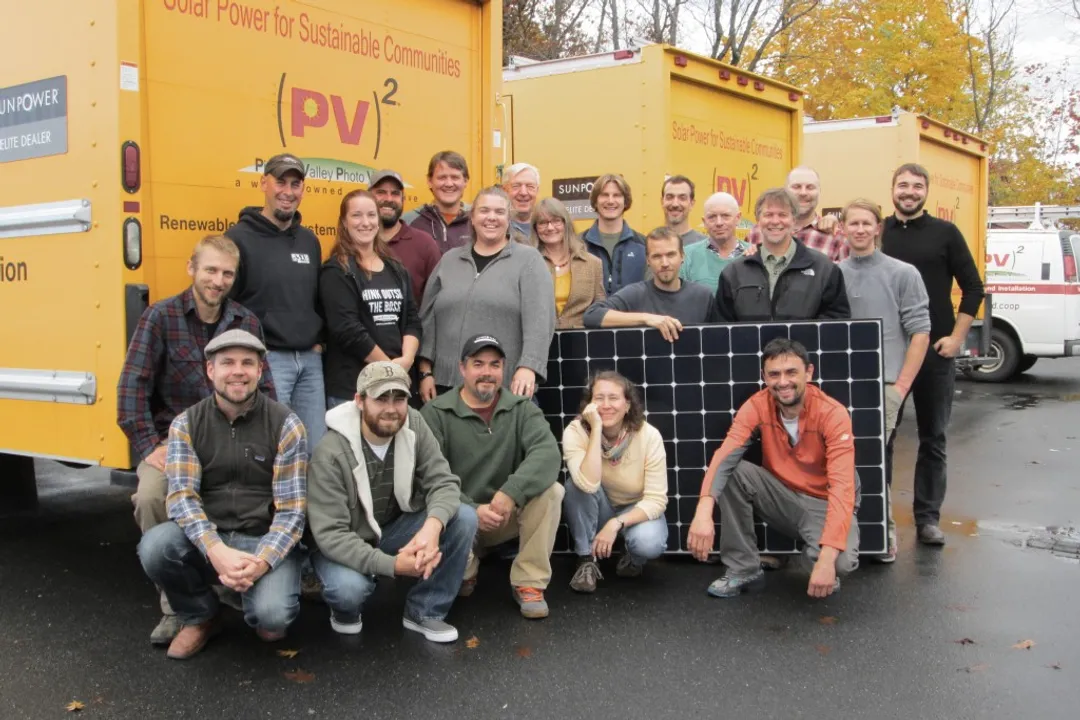
Working within a cooperative system feels fundamentally different from a traditional business because the structure itself shifts the center of gravity—power and profit flow back to the members who use or work for the entity. [1][5] It is a model built not just on commerce but on shared ownership and democratic governance, meaning how work gets done involves aligning operational tasks with member-driven principles. [9]
# Structure Defined

At its simplest, a cooperative, or co-op, is an autonomous association of people united voluntarily to meet their common economic, social, and cultural needs and aspirations through a jointly owned and democratically controlled enterprise. [1][5] Unlike shareholder-owned corporations where control is proportional to investment, co-ops adhere to the principle of one member, one vote, irrespective of how much capital they have put in or how much they transact with the co-op. [1][2] This democratic structure means members actively shape the organization's direction. [2]
The very definition of who counts as a member changes the workplace environment. For a worker cooperative, the employees are the owners and members. [2] In a consumer cooperative, the people buying the goods or services are the members. [8] Producer cooperatives are owned by the people who supply the goods, such as farmers. [8] When you work in a cooperative system, you are often doing so as one of these owners, which brings distinct responsibilities beyond typical employment duties. [2] The capital contributed by members often buys them a stake, but the real power comes from membership status. [1]
# Operational Logic

Cooperative systems operate based on a set of internationally recognized principles that guide their business behavior, which deeply informs daily work. [1][9] These principles move the focus away from maximizing profit for external investors and toward serving the needs of the membership. [5]
The core principles govern everything from financial distribution to decision-making:
- Voluntary and Open Membership: Anyone who can use the co-op's services and is willing to accept the responsibilities of membership can join, without discrimination. [1]
- Democratic Member Control: This is the defining operational characteristic. Members control the organization by actively participating in setting policies and making decisions, usually through elected representatives. [1][9] For an employee-owned co-op, this translates into voting on major operational shifts or electing the board of directors that oversees management. [2]
- Member Economic Participation: Members contribute equitably to, and democratically control, the capital of their cooperative. A portion of this capital is often the common property of the cooperative. [1] Surplus earnings, or patronage refunds, are returned to members based on their use of the co-op, not their investment level. [1][2]
- Autonomy and Independence: Co-ops are self-governing organizations controlled by their members. [1]
- Education, Training, and Information: Cooperatives work for the education and training of their members, elected representatives, managers, and employees so they can contribute effectively to the development of their organization. [1][6] This means internal training and skill-sharing are often formalized aspects of the work structure, promoting shared expertise across the organization rather than hoarding it in silos. [9]
- Cooperation Among Cooperatives: Co-ops often support each other, working through local, national, and international structures. [1]
- Concern for Community: While focused on members, cooperatives often work for the sustainable development of their communities through policies approved by their members. [1][9]
When you are working in such a system, you are expected to understand these principles, not just follow procedures. For instance, understanding democratic member control directly impacts how you approach proposing a new process change; it needs to be presented for member review, not just handed down by a manager. [2]

# Cultivating the Environment
The cultural aspect of a cooperative workplace is distinct because the underlying business philosophy centers on shared fate and mutual investment. [3] If the co-op succeeds, the members—who are also often the workers—benefit directly through patronage refunds or enhanced services, not just through stock appreciation. [2] This creates an environment where personal investment in quality and efficiency is naturally higher.
Cooperative culture prioritizes transparency and shared accountability, which is necessary for democratic operations to function effectively. [3] When decisions are made democratically, there must be an expectation that the rationale behind those decisions is communicated clearly to everyone involved. [4] A healthy co-op culture fosters open communication channels where constructive feedback flows both ways—from management to worker-owners and vice versa. [3]
One area where this manifests practically involves internal communication during times of organizational stress, like forming a new structure or managing a difficult financial period. In a less owner-driven organization, management might communicate layoffs or budget cuts unilaterally. In a co-op, even when tough decisions must be made, the process demands more consultation and explanation to the membership base that holds the ultimate voting power. [4] This inherent need for alignment requires strong interpersonal skills and a tolerance for consensus-building, which can sometimes be slower than top-down directives. [3]
Editor's Observation on Pace: While speed isn't always the primary metric, the structure inherently values alignment over rapidity in decision-making. If you are used to an environment where an executive can pivot strategy overnight, working in a co-op requires patience to allow for the necessary democratic feedback loops to close, even if the outcome is more durable once adopted.
# Navigating Ownership and Employment
For individuals working within a worker cooperative, the dual role of employee and owner is central to the experience. [2] This integration means that HR functions, career development, and daily work responsibilities are interwoven with ownership rights and duties. [6]
The management of personnel often incorporates educational mandates. For example, many cooperatives emphasize ongoing training not just on job-specific skills but also on governance, finance, and cooperative history. [1][9] This fulfills the educational principle and prepares members to vote intelligently on business matters. [1]
Practical employment aspects might look different:
- Compensation Structure: Pay scales might be flatter compared to investor-owned firms, reflecting the desire for economic equity among members. [2]
- Job Security: While not immune to market forces, the focus on community and member well-being can sometimes lead to efforts to preserve jobs during downturns, perhaps by distributing reduced hours among all worker-owners rather than laying off a segment of the workforce. [2]
- Performance Review: Reviews might focus not just on job performance but also on contribution to the cooperative's overall mission and participation in governance activities. [6]
When someone applies to work at a cooperative, they should assess not just the job description but also the governance documents. Are they hiring an employee who is eligible to become a member, or are they hiring a full member-owner immediately? The path to membership—including any required buy-in or probationary period—defines the initial working relationship. [2]

# Decision Making in Practice
The most visible manifestation of "how you work" in a co-op is the decision-making process. In a traditional structure, managers make decisions based on what they believe maximizes shareholder return. In a co-op, members make decisions that maximize member benefit according to the stated purpose. [9]
When a significant operational change is proposed—say, investing in new software or changing a supplier—the process generally involves these stages:
- Proposal Generation: This might come from management, a staff committee, or an individual member.
- Information Sharing: The rationale, costs, and member benefits are clearly communicated throughout the membership base, often via multiple channels to ensure access. [4]
- Deliberation: Members discuss the proposal. This is where the cooperative culture of open dialogue becomes critical. [3]
- Formal Vote: The decision is ratified according to the bylaws, typically through a democratic vote. [2]
If you are a newer employee not yet a full member, your role during deliberation is usually advisory—providing expert input based on your day-to-day work—but the final authority rests with the voting members. [4]
Actionable Tip for Engagement: When attending your first official member meeting in a worker cooperative, focus less on trying to "win" an argument and more on understanding the governing concern of the member who disagrees with you. Often, resistance stems from a differing interpretation of the co-op's core principles or an unstated risk perceived by another owner. Frame your input by referencing how your idea better serves the stated mission of the organization.
# Diversity of Systems
Understanding how one works in a cooperative system requires acknowledging that the specific environment depends heavily on the type of cooperative it is. [8] While the democratic principles are constant, the primary relationship members have to the entity changes the daily dynamics significantly.
| Co-op Type | Primary Member Relationship | Work Impact Example |
|---|---|---|
| Worker Co-op | Employees are the owners [2] | High operational autonomy; direct vote on management structure. [6] |
| Consumer Co-op | Patrons buying goods/services [8] | Workers may or may not be members; focus is on member service delivery. |
| Producer Co-op | Independent producers (e.g., farmers) pooling resources [8] | Work involves managing shared assets (like grain elevators or processing plants) for the benefit of independent suppliers. |
| Purchasing Co-op | Businesses joining to buy supplies cheaper [8] | Less direct impact on the daily tasks of a single employee unless that employee works for the central purchasing body. |
A worker at a large agricultural producer co-op might spend their day managing complex logistics for shared equipment, knowing that efficiency directly translates into a larger patronage refund for the farm owners who are their co-members. [5][8] Conversely, an employee at a consumer-owned grocery co-op focuses on customer service, knowing that strong member satisfaction drives usage, which in turn secures their job and potential profit share. [1][2]

# Sustaining the Model
Working successfully in cooperative systems requires an appreciation for their need for perpetual education and governance maintenance. [1] The structures are inherently more involved than standard corporate hierarchies. They demand an active citizenry within the membership base. [3] If members disengage from voting or governance, the system risks drifting toward management-led decision-making, eroding the very democratic foundation that defines it. [4]
This ongoing requirement for engagement translates into workload. Beyond standard job duties, there is often an expectation of participation in committees, board elections, or annual general meetings. [6] For some, this added responsibility is the primary benefit of ownership; for others, it can feel like an additional burden on top of a full-time job.
To ensure long-term viability, cooperatives must continuously invest in ensuring their governance documents (bylaws) are clear, current, and reflective of the membership's needs, while also maintaining competitive business operations. [9] This delicate balance—being democratically accountable and economically competitive—is the ongoing challenge that shapes how every role, from the cashier to the general manager, functions day-to-day in a cooperative system. [5] Success is measured not just in net profit, but in the stability of member employment and the delivery of member-defined value. [1][2]
Related Questions
#Citations
What Is A Co-op? | Defining Co-Ops, Types And How They Work
How Do Co-Ops Work? (Frequently Asked Questions)
Culture | CoopSys
Working on a Cooperative Formation, Management and ... - Reddit
Co-op 101: What is a cooperative? - CHS Inc.
Cooperative Career Center
Cooperative Systems Careers and Employment | Indeed.com
A Guide to Types of Cooperative Business Models
About Co-ops - Cooperative Development Institute