How do you work in water reuse systems?
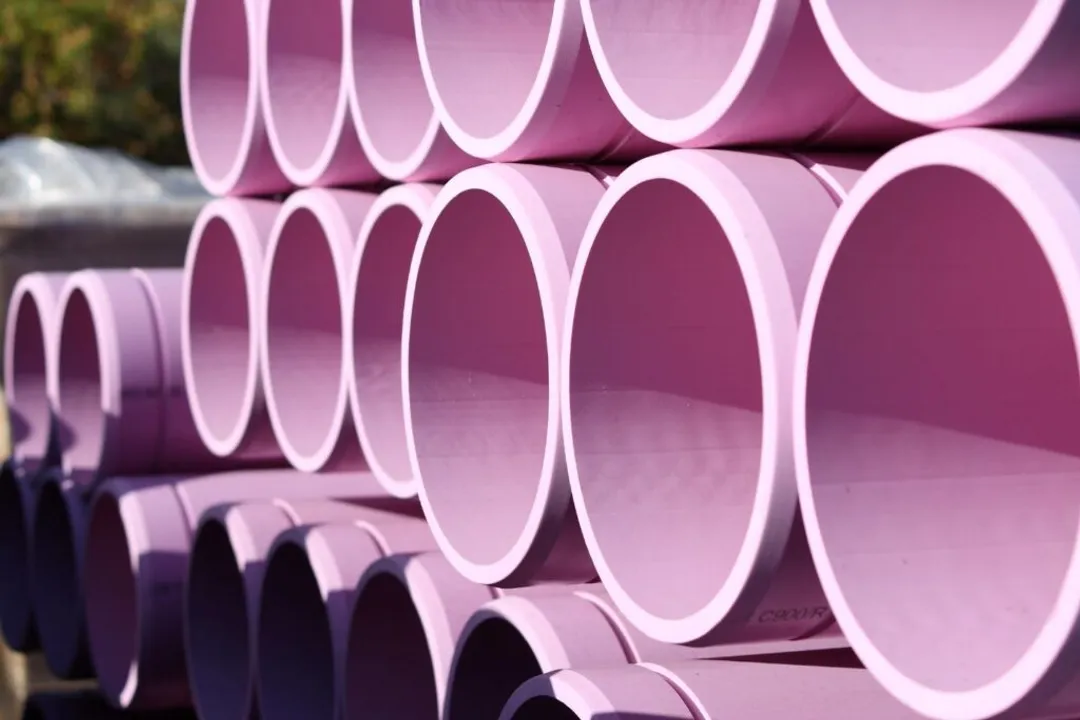
Working in water reuse means participating in one of the most direct ways to secure future water supplies. It’s the process of taking wastewater—water that has already served a purpose—and treating it to a quality suitable for a specific, beneficial use. This practice is not novel, but the necessity and scale are increasing rapidly across the globe due to population growth and unpredictable climate patterns that strain traditional water sources.
The work itself is multifaceted, involving engineers, regulators, operators, and public educators. Regardless of the specific job title, understanding the destination of the water dictates the complexity of the work required to prepare it. Water reuse systems must be designed, built, and managed with an intimate knowledge of the required quality standards, which can range from simply meeting basic irrigation needs to achieving standards indistinguishable from drinking water.
# Reuse Categories

The fundamental way professionals categorize water reuse work is by the intended application, which dictates the required level of treatment. These systems generally fall into three main groupings: non-potable reuse, indirect potable reuse, and direct potable reuse.
Non-potable reuse involves using recycled water for applications where contact with the public is limited or where the water will not be consumed. This is the most common and widely accepted form of water recycling today. Applications might include landscape irrigation for parks or golf courses, industrial processes like cooling towers, or environmental benefits such as augmenting stream flows. The treatment required here is often simpler than for other categories, focusing on pathogen removal and turbidity control to meet the specific landscape or industrial standard.
Indirect potable reuse (IPR) involves treating municipal wastewater to a quality suitable for introduction into an environmental buffer or existing drinking water supply system before it is ultimately withdrawn and treated again for human consumption. The environmental buffer can be an aquifer, which is known as groundwater recharge, or a surface water body like a reservoir. This step is vital because it provides an extra layer of purification and safety assurance, allowing the public and regulators to become comfortable with the process before considering more direct methods.
Direct potable reuse (DPR) is the most advanced form. In DPR, highly treated recycled water is introduced directly into the potable water distribution system without an intervening environmental buffer. This demands the highest level of treatment technology to ensure the water quality is consistently above the requirements for conventional drinking water. Because the public perception of "wastewater" can be a significant hurdle, projects that move toward DPR often require extensive public outreach and demonstration periods.
To better illustrate how these categories dictate the operational focus, consider this comparison:
| Reuse Type | Primary Goal | Typical Treatment Intensity | Regulatory Complexity |
|---|---|---|---|
| Non-Potable | Outdoor/Industrial Use | Moderate (Secondary/Tertiary) | Lower; application-specific permits |
| Indirect Potable | Groundwater/Reservoir Recharge | High (Advanced Filtration, RO) | Moderate to High; requires environmental buffer monitoring |
| Direct Potable | Augmenting Drinking Supply | Very High (Advanced Purification) | Highest; requires rigorous public confidence and testing protocols |
# Treatment Workflows
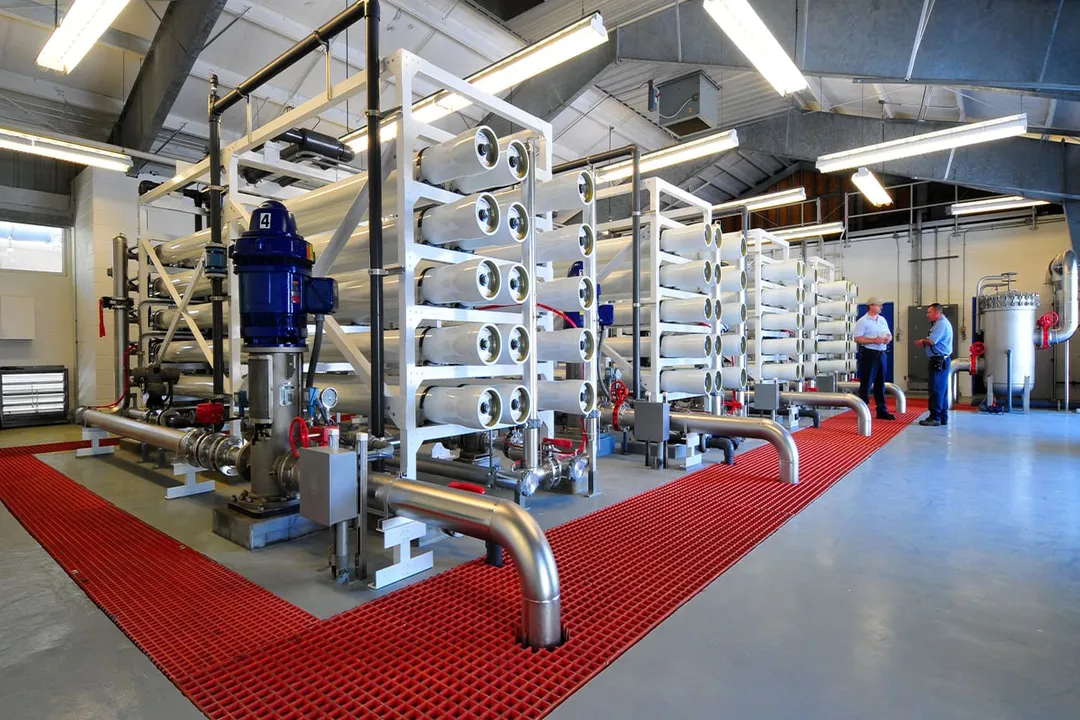
The how of water reuse centers entirely on the treatment process, which is tailored to bridge the gap between the raw source water quality and the required quality for the end-use. Wastewater utilities often manage these systems, taking water that has undergone preliminary and secondary treatment (to remove solids and biological contaminants) and then applying further advanced steps.
For many non-potable applications, further steps might involve filtration and disinfection, such as chlorination or ultraviolet (UV) light, to ensure water is safe for spray irrigation or industrial cooling.
When the target is potable reuse, the treatment train becomes significantly more complex, often incorporating processes designed to remove dissolved contaminants that conventional treatment misses. Microfiltration or ultrafiltration membranes are frequently used to physically filter out even the smallest particles and pathogens. Following this, processes like reverse osmosis (RO) are commonly employed to remove dissolved salts and trace contaminants. Finally, advanced oxidation processes (AOPs) may be added to destroy any remaining trace organic compounds before the water is polished and potentially sent to an environmental buffer or directly into the distribution system.
It’s important to note that working on these systems requires operators to become adept at managing multiple, often redundant, treatment barriers. If one barrier fails—say, a membrane clogs or a UV lamp burns out—the subsequent barrier must be capable of handling the load without compromising the final water quality.

# Operations Scale
The practical reality of implementing water reuse varies dramatically depending on the scale of the system being managed. Large municipal or regional utility projects often involve massive infrastructure investment, centralized control rooms, and a significant regulatory footprint governed by state environmental agencies. In places like Texas, for example, the state water development board actively supports reuse initiatives, suggesting a top-down drive for these large-scale solutions.
Conversely, working in the realm of small systems or residential reuse presents a different set of challenges. Small community systems, perhaps serving a rural cluster or a specific industrial park, might rely on simpler, decentralized treatment trains that are easier to manage locally but may lack the high degree of redundancy found in major metropolitan plants.
On the smallest scale, we find residential systems, often dealing with greywater—water from bathtubs, showers, laundry, and sinks, but not toilets. Homeowners or small property managers engaging in greywater recycling focus on basic filtration and disinfection so the water can be used for toilet flushing or subsurface landscape irrigation. The expertise needed here shifts toward troubleshooting localized equipment, managing small-scale dosing systems, and ensuring compliance with local building codes, which can be highly variable from one jurisdiction to the next. A practical consideration for anyone installing such a system is recognizing that household inputs are inconsistent; laundry detergents, soaps, and cleaning chemicals change frequently, which can impact the effectiveness of simple onsite treatment components like grease traps or biological filters. This variability is less of a concern in massive centralized plants where influent chemistry is relatively consistent day-to-day.
# Regulatory Oversight
A critical component of working in water reuse, regardless of scale, is navigating the regulatory landscape. Water reuse is not simply a technical endeavor; it is heavily managed to protect public health and the environment. Regulatory bodies, such as the Oregon Department of Environmental Quality or the Washington State Department of Health, establish the specific water quality standards that recycled water must meet based on its intended use.
These regulations often dictate:
- Disinfection Residuals: The required level of active disinfectant (like chlorine) to maintain in the water during distribution to prevent microbial regrowth.
- Monitoring Frequency: How often testing for various constituents (pathogens, nutrients, salts) must occur.
- Source Water Pretreatment: What initial steps the upstream wastewater facility must complete before the water even enters the reuse train.
The process of gaining approval for a new or expanded reuse project can be lengthy. Regulators often require detailed engineering plans, operational protocols, and demonstrations of long-term reliability, especially when moving toward potable applications. For utilities, this means that project timelines are often dictated as much by the permit review cycle as by the construction schedule.

# Public Trust
Finally, any professional in the water reuse sector must acknowledge the role of public perception. While water reuse is technically sound and increasingly necessary, public acceptance, particularly for systems where the water might end up in drinking supplies, remains a sensitive area. Successfully working in this field often involves more than just chemistry and pumps; it requires communicating clearly about the safety and necessity of the process. Utilities actively engaged in water reuse initiatives often dedicate substantial resources to public education, sharing data transparently, and building community trust over time, recognizing that sustained public support is just as vital as regulatory approval for the long-term success of any reuse program.
#Videos
How Water Recycling Works - YouTube
Related Questions
#Citations
Basic Information about Water Reuse | US EPA
Types of Reuse - WateReuse Association
Understanding Wastewater Reuse for Small Systems
How Water Recycling Works - YouTube
Innovative Water Technologies - Water Reuse FAQ
Water Reuse | Water Recycling Technology - Carollo Engineers
Water Reuse Program : Water Quality Programs : State of Oregon
Exploring Water Reuse Initiatives in US Wastewater Utilities
Water Reclamation and Reuse | Washington State Department of ...
Has anyone installed a grey water recycling system in their homes ...