How do you work in freight data platforms?
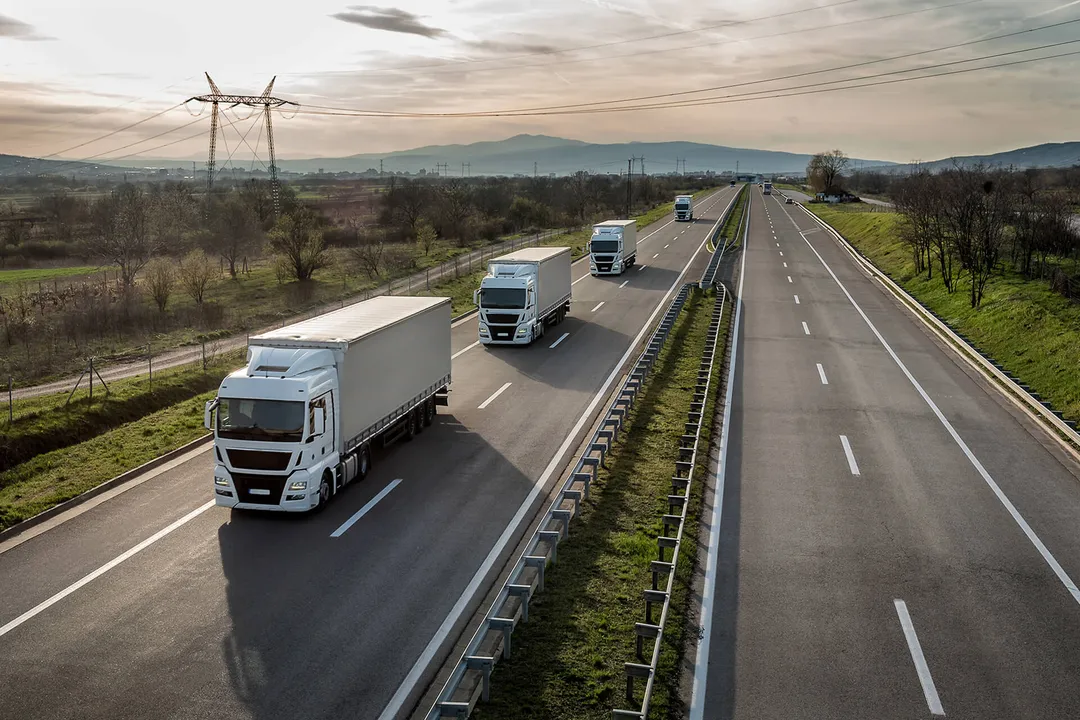
The way businesses manage the movement of goods has fundamentally shifted from paper trails and phone calls to intricate digital ecosystems built on data. Working within modern freight data platforms means interacting with systems designed to collect, process, and turn massive streams of information into executable logistics strategies. [6] These platforms serve as the central nervous system for transportation, moving beyond simple tracking to offer predictive capabilities that influence everything from carrier selection to final delivery timing. [3][4]
# Data Flow

The initial and most critical step in any freight data operation is getting the right information into the system. Freight data platforms act as aggregators, pulling in data from disparate sources that were historically siloed. [1][7] This ingress of information is diverse, ranging from transactional records like Bills of Lading (BOLs) and invoices to real-time operational feeds. [7]
A major input stream comes from telematics devices and Electronic Logging Devices (ELDs) installed in trucks. [1][6] This hardware generates high-frequency location pings, speed data, engine diagnostics, and driver status updates. Simultaneously, the platform must integrate with existing Transportation Management Systems (TMS) or Enterprise Resource Planning (ERP) systems to understand the why behind the shipment—the order details, the required delivery window, and the contracted rate. [1][6]
The process of ingesting this raw data is not simply about dumping files into a database; it requires immediate conditioning. For instance, a raw GPS coordinate is largely useless until the platform correlates it with geofences (like a shipper’s yard or a port boundary) and filters out transient noise, like a signal bouncing off a tall building, to establish a verified point of interest. [1] This immediate focus on data fidelity ensures that downstream analysis is based on reliable inputs, which is crucial when making multi-thousand-dollar dispatch decisions. [7]
# Analysis Engine
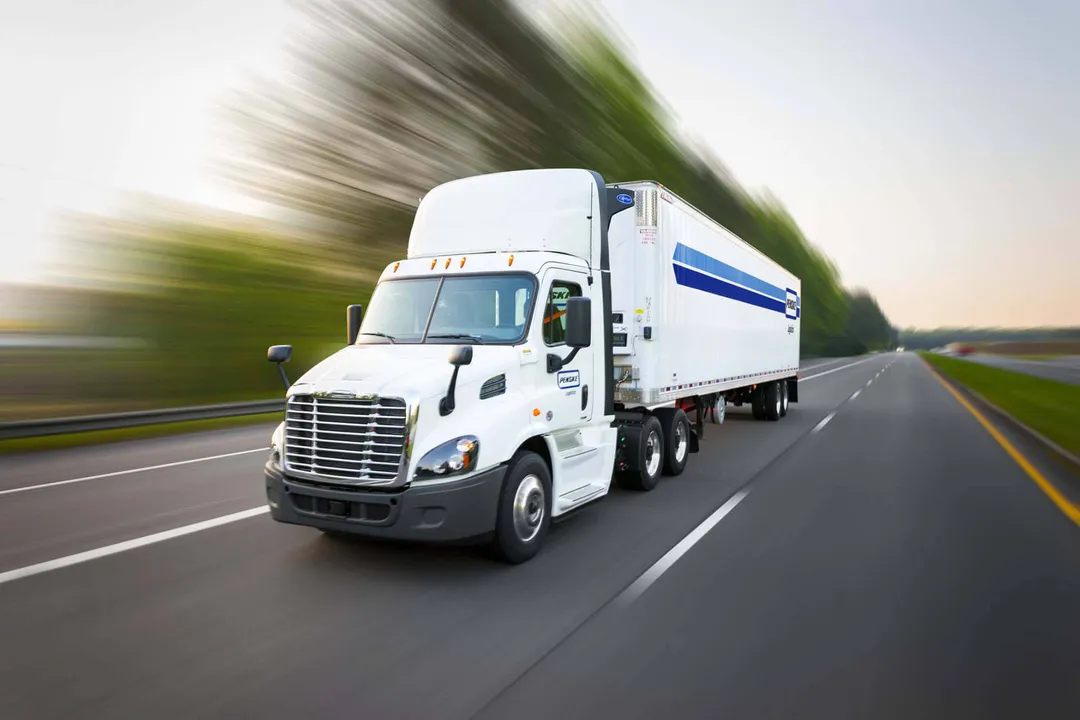
Once the data is structured and cleaned within the platform’s core—often described as a data lake or a dedicated analytical environment [6]—the true intelligence generation begins. This is where raw numbers transform into actionable logistics knowledge through analytics. [3][8]
Platforms employ various analytical techniques to derive value. One common application involves analyzing historical performance data across different lanes, modes, and carriers to establish accurate benchmarks. [1][2] This historical analysis feeds into predictive modeling, allowing the system to forecast potential delays or capacity constraints before they materialize. For example, by examining the average dwell time (the time a truck spends waiting at a facility) for a specific distribution center across the last six months, the platform can adjust expected pickup windows proactively, rather than reacting only after a delay has occurred. [8]
Furthermore, sophisticated platforms excel at rate analysis and optimization. [5] They ingest market rate indices, contract terms, and actual shipment costs to identify discrepancies or opportunities for cost reduction. If a carrier consistently charges 10% more than the market average for a particular lane while offering no discernible service advantage, the platform flags this for review. [2] This constant comparison between expectation and reality is how operational expense gets managed digitally. [8]

# Operational Gains
The primary reason organizations invest in these platforms is to see tangible improvements in their day-to-day logistics execution. Working in these environments means shifting focus from reporting what happened yesterday to influencing what happens today. [3]
One clear area of improvement is visibility and exception management. Rather than manually checking status updates, users are alerted only when a shipment deviates from its predicted path or time estimate. [4] The platform highlights the exception, often providing context: "Shipment 456 delayed 2 hours near Chicago due to severe weather alert," instead of just showing a static "In Transit" status. [1] This allows logistics managers to focus their attention where human intervention is actually needed.
Another significant gain is in network efficiency. Platforms assist in optimizing routes and load consolidation opportunities that humans might overlook due to sheer data volume. [2]
Consider the difference in decision-making before and after deep platform integration:
| Metric | Manual Approach | Platform-Driven Insight |
|---|---|---|
| Dwell Time Estimation | Based on recent personal experience or carrier confirmation. | Algorithmically adjusted ETA based on facility historical data and current gate activity logs. |
| Carrier Bidding | Relying on a small pool of preferred, manually contacted carriers. | Automated tendering across a vetted network, prioritizing cost-to-service balance determined by real-time performance scores. |
| Inventory Placement | Annual or quarterly review based on sales forecasts. | Dynamic recommendation for pre-positioning stock based on predicted 30-day demand spikes identified through transactional analysis. |
The ability to rapidly compare service levels against cost is a direct outcome of this data processing capability. [5] An insightful operation doesn't just look for the cheapest carrier; it identifies the carrier that meets the required service level at the lowest total cost, a calculation only a mature data platform can handle reliably. [2]
# System Integration

Freight data platforms do not operate in a vacuum; their effectiveness is directly proportional to how well they connect with the rest of the enterprise technology stack. [6] This interconnection is often achieved through Application Programming Interfaces (APIs) or by ingesting/exporting data to centralized repositories like data lakes. [1][6]
For a platform to truly revolutionize management, the data needs to flow bi-directionally. For example, when the platform recommends a new, cheaper carrier for a planned outbound shipment, that new carrier assignment needs to automatically update the TMS so that the driver receives the correct routing instructions and the accounting department knows which entity to bill. [4] This level of interoperability prevents data silos from reforming at the application level. When integration is effective, the data platform becomes the source of truth that informs automated decision-making across different departments. [7]

# Digital Adoption
Working in these platforms also involves adopting a specific mindset: one that prioritizes digital workflow over legacy procedures. [4] It means trusting the data outputs enough to base major capital or operational expenditure decisions on them. For instance, if the data shows a specific third-party logistics (3PL) provider underperforming consistently on a specific East Coast route, the human operator’s job shifts from simply managing that poor performance to acting on the data by initiating a contract review or finding a replacement. [8]
The sophistication of these digital tools is increasing to handle the complexity of modern supply chains, which involve intermodal transfers, border crossings, and regulatory checks. [5] The platform absorbs the burden of tracking these complex handoffs, allowing the user to focus on strategic risk mitigation rather than tactical monitoring. [3] Ultimately, the effective operation of a freight data platform is about translating high-volume, high-velocity data streams into clear, prioritized actions that reduce waste and increase reliability across the entire movement of goods. [6]
#Videos
DAT iQ Platform for Shippers - YouTube
Related Questions
#Citations
The Complete Guide to Freight Data Analytics - Sedna
7 Ways Freight Data Analytics Boosts Revenue - Planimatik
Freight analytics: 4 ways to use insights to increase revenue - Loop
How Digital Platforms are Revolutionizing Freight Management
Freight platforms - DAT
What Is a Freight Data Lake? How Public Agencies and Fuel ...
Freight Data Management: Taking Your Supply Chain to the Next ...
How Freight Analytics Helps Make Data-Driven Decisions
Trucking Management Software | FreightDATA Software
DAT iQ Platform for Shippers - YouTube