How do you work in healthcare data marketplaces?

The emergence of healthcare data marketplaces signifies a fundamental shift from hoarding sensitive information in organizational silos to creating shared, governed, and actionable data assets. [4][8] Working within these ecosystems—whether you are providing the data or consuming it—requires understanding a new operating model where data is treated as a commercial product rather than a passive inventory item. [2] These digital platforms act as sophisticated storefronts, linking data suppliers, such as hospitals and research institutions, with consumers like pharmaceutical developers, financial analysts, and public health agencies. [1][3] The overall goal remains the same as the broader healthcare industry: to improve patient outcomes, drive research, and optimize costs, but the mechanism for achieving this is now centralized, digitized, and market-driven. [5][7]
# Marketplace Fundamentals
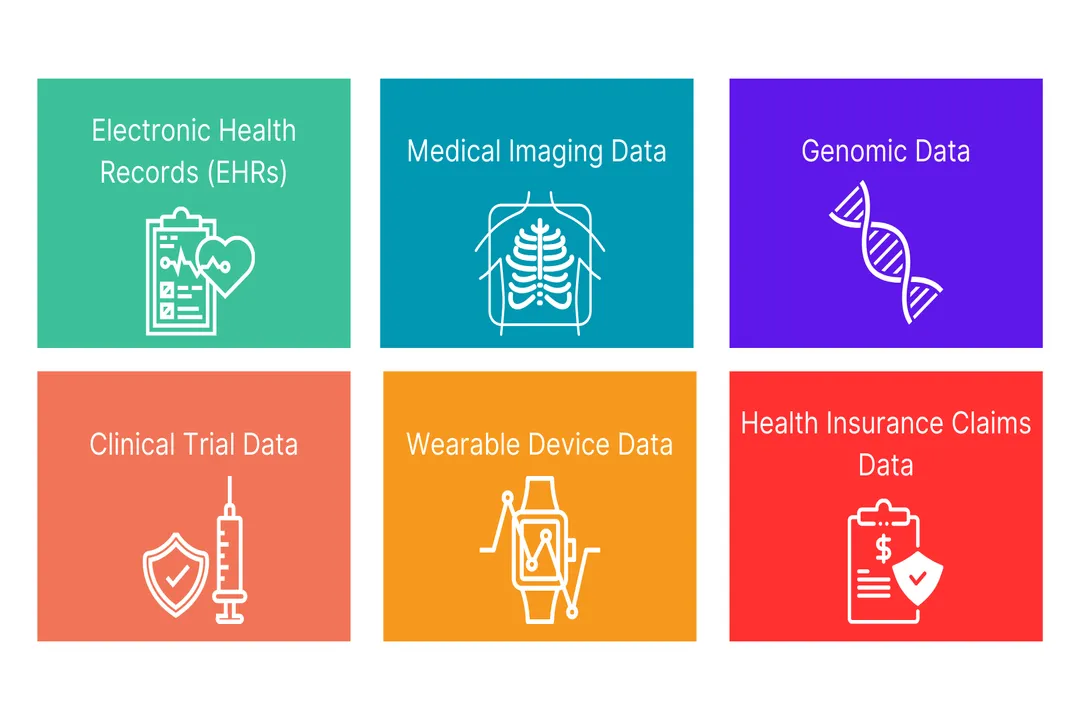
At its simplest, a data marketplace provides the necessary infrastructure for secure data exchange and management, enabling transactions between providers and consumers. [1] In the context of healthcare, the data involved is incredibly diverse, encompassing everything from Electronic Health Records (EHRs), claims data, and medical imaging to cutting-edge genomic information and real-time data from wearable devices. [4][9] The value derived is multifaceted; providers can achieve monetization, while consumers gain access to external, multi-dimensional datasets that offer a more complete view of the patient journey than internal systems often allow. [1][3] It is important to distinguish these public marketplaces from private data exchanges, which are typically one-to-one or one-to-few sharing agreements. [1]
# Data Product Creation
The success of any marketplace hinges on the quality and packaging of what is being exchanged. Data marketplaces thrive by curating and packaging data into data products, which are distinct from raw datasets. [2] A data product is an asset designed specifically to solve a defined business problem or answer a specific question—for instance, tracking patient readmission rates or analyzing treatment efficacy in a specific cohort. [2]
For a data provider, this means adhering to several characteristics for their offering:
- Discoverable: It must be listed in a searchable, governed catalog. [2]
- Trustworthy: It must have clear documentation, ownership defined, lineage tracked, and validation rules applied. [2]
- Self-describing: Context about its creation, purpose, and limitations must be included. [2]
- Interoperable: It should be easily integrated via APIs into analytics functions or applications. [2]
This packaging effort transforms data from an abstract asset into a standardized, business-ready tool. [2]
# Provider Participation Steps
For healthcare organizations or technology firms looking to extract economic value from their data assets, working within the marketplace follows a structured path aimed at maximizing both revenue and compliance. [4]
- Assess Value: Determine the unique worth of the possession—its quality, completeness, and whether it holds exclusive information that others lack. [4] For instance, data that successfully combines claims, lab results, and unstructured EHR notes offers higher value than claims data alone. [9]
- Define Strategy: Decide on the monetization approach. Will you sell the raw, de-identified dataset, or will you apply analytical resources internally to create enriched insights, thereby offering a more direct solution to the consumer? [5][7]
- Ensure Compliance: This is non-negotiable in healthcare. Robust measures to comply with regulations like HIPAA and GDPR must be in place before listing. [4][5] This includes strong encryption, data masking, and strict access controls. [4]
- Select and List: Choose a marketplace platform that aligns with your technical environment and desired audience reach. The platform provides the infrastructure to list the data product. [4] Some providers, like those operating within the Snowflake Data Cloud, can choose between public listings or private listings visible only to designated partners. [5]
- Set Terms: Establish clear pricing and licensing rules, considering data volume, intended usage rights, and the access duration. [4]
- Market and Support: Actively promote the data offering, highlighting specific use cases it can address, and commit to providing ongoing customer support and onboarding assistance to the buyers. [4]
# Pricing Structure Types
When operating as a data provider, the payment mechanism chosen dictates revenue predictability and consumer flexibility. [5] Marketplaces typically support several models:
- Subscription-Based: Consumers pay a fixed upfront price for access over a specified, non-recurring term, or an auto-renewing recurring term. [5] This model is attractive for consumers needing consistent, ongoing data access. [5]
- Usage-Based: Providers charge based on actual consumption, offering flexibility to the buyer. [5] This can manifest as:

# Consumer Access Process
For the data consumer, the marketplace experience is shifting toward a highly efficient "search, shop, and serve" model, accelerating use-case implementation by up to 90% through the reuse of pre-packaged products. [2][6]
The typical engagement flow often looks like this:
- Discovery and Search: Utilizing centralized entry points to search across diverse data platforms, filtering by data type or therapeutic area. [2][3]
- Verification: Assessing the product's documentation, lineage, and governance policies to build trust. [2] In specialized RWD marketplaces, this includes verifying the exact source (provenance) and identity resolution methods used. [9]
- Cohort Building: Consumers rarely use a single dataset; they combine multiple assets. Marketplaces allow users to build custom patient cohorts by layering data from different sources—such as combining insurance claims with lab results and EHR notes—to achieve the exact population needed for analysis. [9]
- Access and Delivery: Once terms are agreed upon, the consumer receives access, often through a single contract covering all combined data, with delivery expected in days rather than months. [9] The data can be consumed directly in their environment, supporting multi-cloud strategies. [6]
# Trust Governance Essentials
In an industry governed by strict patient protection laws, trust is the currency of the data marketplace. [4] Governance measures are not optional; they are the enablers that prevent self-service from devolving into uncontrolled chaos. [2]
Key mechanisms required to facilitate working securely include:
- Access Control: Implementing Role-Based Access Control (RBAC) ensures users only see data strictly necessary for their role, often involving PII masking policies being enforced automatically across all product listings. [4][2]
- Auditability: Comprehensive audit trails track every data access and modification, providing a complete view of data lineage from source to delivery. [4][9]
- Regulatory Alignment: Platforms must demonstrate adherence to HIPAA, GDPR, and other regional mandates like the European Health Data Space (EHDS). [4][6]
- Data Clean Rooms: For highly sensitive analyses involving combined proprietary data, clean rooms offer a secure enclave where data owners control the join logic and permissible analytics, often allowing only aggregated or anonymized outputs to leave. [5]
The integration of these guardrails allows organizations to scale data sharing across sensitive domains while maintaining compliance. [2]

# Technological Underpinnings
The modern healthcare data marketplace operates predominantly on cloud infrastructure, supporting multi-cloud data strategies that avoid vendor lock-in. [6] The technical backbone supports massive data volumes and diverse file types. [1]
Beyond standard cloud architecture, certain technologies are emerging to enhance trust and utility:
- AI Readiness: Data preparation must now focus on making assets AI-ready, ensuring structured context for machine learning models and generative AI applications. [4]
- Blockchain and DLT: Distributed Ledger Technology (DLT) is posited as a way to decentralize data control and enhance patient participation. [8] Blockchain’s immutable ledger can attribute data ownership securely, while smart contracts allow data owners (even patients) to precisely dictate which data attributes are sold to which type of consumer, streamlining equitable revenue distribution. [8]
# Analyzing Marketplace Readiness
Moving from collecting data to actively participating in a marketplace demands a specific maturity level that goes beyond simple data warehousing. [2] Many organizations struggle because they confuse technical data cleaning with true product readiness. A data asset is only ready for the marketplace when the business context—the "why"—is documented alongside the technical schema. [2] Consider a hospital system with meticulously cleaned claims tables. While technically sound, if the documentation only describes the column headers and not which specific payer rules informed the aggregation or why certain records were excluded due to internal policy, it remains a raw asset, not a product. An essential preparatory step is to assign dedicated product owners—a business counterpart and a technical steward—who jointly define the product’s purpose, Service Level Agreement (SLA), and mandated PII masking level before it is even listed. This dual ownership ensures the data delivered matches the consumer's expectation, preventing the "tech speak does not equal business speak" friction point. [2]
# Verification in Practice
When a data consumer evaluates numerous listings for a critical research initiative, relying solely on a provider’s claim of HIPAA compliance can be insufficient for high-stakes decisions like drug development or population risk assessment. [3][9] While data provenance (traceability from source) is vital for trust, its impact must be weighted against actual utility and validation within the ecosystem. A practical tip for consumers working within larger marketplaces is to actively track and normalize provider verification signals, creating an internal "Trust Score." This score should composite three elements: (1) Provenance Transparency Score (e.g., fully traceable to primary source vs. aggregated from two other vendors), (2) Identity Resolution Method Strength (e.g., use of a specialized identity manager vs. basic hashing), and (3) Ecosystem Utilization (the number of other validated, non-competitive entities currently using the same data product for peer-reviewed work). A high score across these non-obvious metrics provides a layer of validation that is independent of the seller’s marketing, lending confidence when building crucial patient cohorts. [9] The ease with which one can combine different, verified sources is what truly accelerates complex analysis. [9]
Ultimately, successfully working in healthcare data marketplaces means embracing data as a reusable product, adhering rigidly to security and governance standards, and participating transparently in a vast ecosystem designed to speed up medical innovation and improve care delivery. [2][7]
Related Questions
#Citations
Healthcare Data Marketplaces | Explained 2025
The IQVIA Data Marketplace
How to Monetize Healthcare Data in Snowflake
Creating a Health Data Marketplace for the Digital Health Era
What Is a Data Marketplace? Benefits, Examples & ...
How Health Data Marketplaces can help healthcare ...
Monetizing Healthcare Data: The Future Marketplace
What is a data marketplace?
HealthVerity Marketplace: Access Real-World Healthcare ...