How do you work in smart tourism platforms?
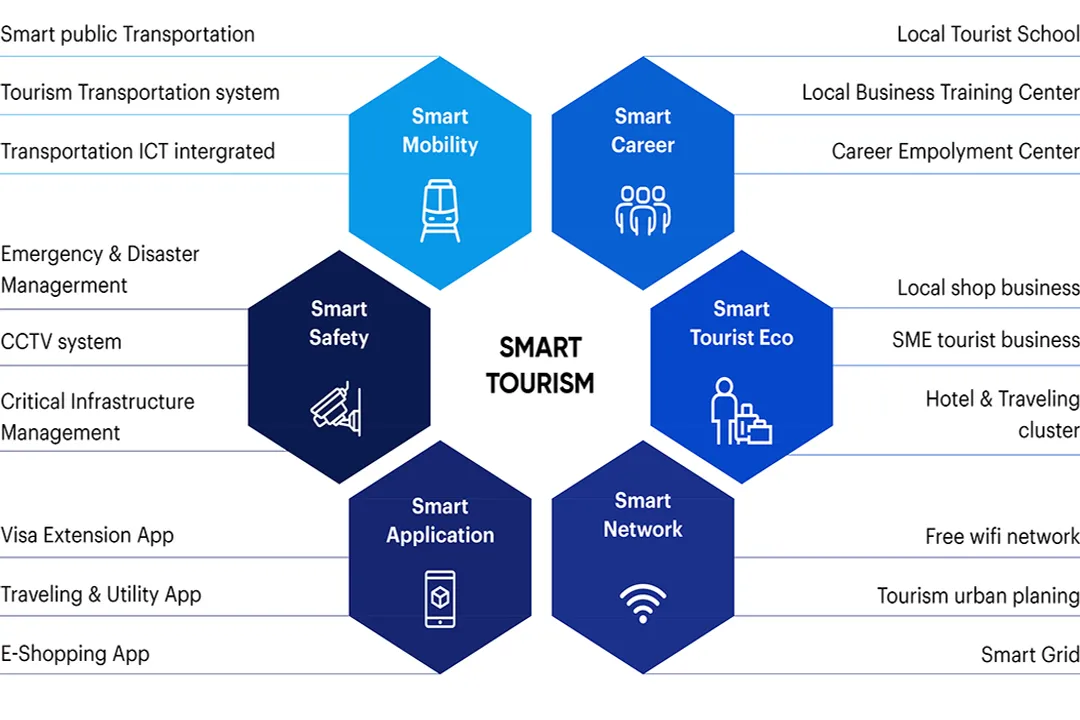
Working in smart tourism platforms means engaging with connected ecosystems where data, technology, and visitor experience converge to create more efficient and engaging travel environments. [3][4] These systems move far beyond simple online booking engines; they represent integrated digital infrastructure designed to manage resources intelligently, from optimizing traffic flow around landmarks to delivering highly tailored suggestions to an individual traveler's mobile device. [5] The fundamental operation involves collecting massive amounts of data—location, sentiment, transactional history—and processing it through AI and machine learning models to create proactive service delivery. [4]
# Tech Foundation
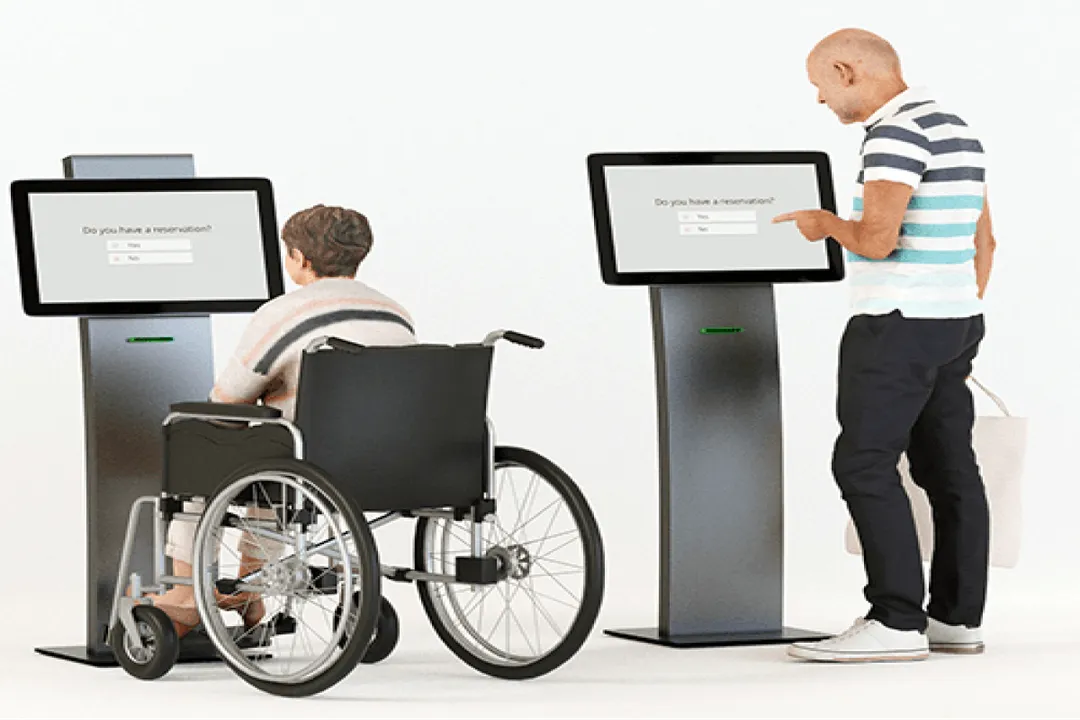
The backbone of any functional smart tourism platform is its ability to ingest and harmonize data from numerous disparate sources. [3] Think of the system as a central nervous system for a destination. It needs to communicate with physical assets like public Wi-Fi networks, ticketing gates at museums, public transit trackers, and even local business Point-of-Sale (POS) systems. [5] The goal is to create a unified view that allows for real-time adjustments and personalized interactions. [3] For example, a platform must be capable of understanding that a sudden drop in temperature necessitates pushing an alert for nearby covered waiting areas to tourists whose profiles indicate a preference for outdoor activities. [4]
This integration isn't always straightforward. Often, the data streams required are managed by legacy systems or different government departments, each using proprietary formats. [2] A critical function within any platform operation involves creating APIs and middleware capable of translating these different "languages" into a common operational picture. Without this translation layer, the promise of "smartness"—the ability to react instantly to changing conditions—remains theoretical. [5]
# Destination Rollout

For a destination—be it a city or a region—to successfully implement or work with these platforms, the process must be strategic rather than purely technological. [2] Becoming a smart tourism destination requires buy-in and coordination between the public sector, which owns the infrastructure and regulatory environment, and the private sector providing the digital solutions. [2][6] Initial steps usually involve auditing existing digital maturity and identifying key pain points that technology can realistically solve, rather than chasing every new gadget available. [2]
Governance around data sharing is paramount here. Before major consumer-facing applications go live, the groundwork for secure data handling, privacy compliance, and data ownership must be firmly established. [6] If the local transport authority is hesitant to share real-time bus location data, the platform's ability to offer accurate arrival predictions will fail, regardless of how sophisticated the front-end application is. [2] A critical, often overlooked step is aligning the digital platform's data schemas with existing municipal department reporting structures—a purely technical task that breaks adoption if ignored, as siloed departmental data rarely speaks the same language as visitor analytics. [2]

# Career Pathways
The scope of work available in the smart tourism sphere is widening rapidly, extending beyond traditional hospitality roles. [7] Professionals with IT backgrounds can find entry points by focusing on the specific needs of travel technology, such as ensuring the cloud infrastructure can handle massive weekend spikes in user activity or architecting secure, high-availability booking engines. [7] Expertise in areas like data governance, cybersecurity for distributed sensor networks, or developing specialized algorithms for predictive foot traffic modeling becomes highly valuable. [7]
Meanwhile, traditional roles are also being digitized. Luxury travel advisors, for instance, are increasingly dependent on proprietary smart platforms that aggregate niche, exclusive travel data that standard search engines cannot access. [1] Their work shifts from simply booking flights to complex itinerary crafting, leveraging the platform’s insights into a client's history, past spending habits, and stated preferences to anticipate needs. [1] Even the creator economy intersects with this space; becoming an influencer in travel now involves actively using these smart platforms to curate and validate authentic trip suggestions, building credibility not just through photography, but through demonstrably optimized logistics. [8]
# Emerging Forces
The ongoing development in this sector is fueled by emerging technologies that promise further disruption. [7] We are seeing movement towards hyper-personalized dynamic pricing, where a visitor might receive a slightly different ticket price or package offer based on their real-time location relative to peak congestion zones. [7] Advances in areas like Augmented Reality (AR) are beginning to translate into practical tools, moving beyond simple historical overlays to provide instantaneous, context-aware information displays on a tourist’s phone as they look at a building. [7]
Innovation is often incubated by specialized startups focusing on deep, narrow problems within the ecosystem. [9] These smaller entities frequently target areas like real-time energy consumption tracking for hotels, automated waste management for high-traffic tourist areas, or advanced biometric authentication for border crossings and attraction entry. [9] Their work pushes the boundaries of what the larger destination management systems must eventually incorporate. [9]

# Professional Skillset
To work effectively within these platforms, technical proficiency must be paired with specific industry context. It is not enough to simply know how to code a recommendation engine; one must understand the regulatory landscape of data residency or the seasonal fluctuations unique to a specific climate zone. [7] This cross-disciplinary knowledge separates those who build the tools from those who successfully deploy them to generate real impact. [5]
While platforms offer sophisticated dashboards displaying metrics like user engagement or booking conversion rates, true expertise comes from knowing which metric actually drives positive local outcomes and visitor sentiment. [5] For instance, a platform developer might focus on increasing app downloads, but a smart tourism professional understands that reducing the average wait time at a specific, historically significant heritage site by just 15 minutes might generate significantly more positive sentiment feedback—and better long-term return—than simply adding ten new, unvetted dining recommendations to the mobile interface. [5] Bridging that gap between raw data science output and the nuanced reality of visitor satisfaction requires a deep, almost qualitative understanding of the physical environment the technology is meant to serve. [5]
# Data Governance
Any serious engagement with smart tourism requires an understanding of data governance that goes beyond simple privacy compliance. When working on the technical side of these platforms, professionals must design systems capable of handling temporal data—data tied to a specific moment in time—which is crucial for travel. [4] A booking made yesterday is less relevant than a visitor's current location and immediate intent. [4]
The challenge then becomes maintaining data integrity when integrating data sourced from various inputs, from user-generated content to IoT sensors. [6] For example, when implementing a system for managing public resource booking (like beach umbrellas or park amenities), the platform needs rules built in to handle situations where a user checks in late or abandons a reservation. A failure to program these exceptions correctly leads to inaccurate inventory reporting, meaning another tourist might be told an amenity is unavailable when it is, in fact, sitting empty. [6] Success in this domain often hinges on designing transparent, audited data pipelines that build trust with both the users providing the data and the stakeholders managing the physical assets. [2]
# Building Trust
The effectiveness of any smart tourism platform is directly proportional to user adoption, and adoption relies entirely on trust. [3] If users perceive the platform as intrusive, overly complex, or simply unreliable, they will revert to older, less efficient methods like asking locals or using paper maps. [8] Therefore, a significant aspect of "working in" these platforms is the continuous effort to make the technology invisible while its benefits are highly visible. [3]
This often means minimizing the number of required inputs from the user. For example, a system that can anticipate a traveler's need for a local transit ticket based on their current destination—without requiring them to manually search or select the route—demonstrates high value with low friction. [4] When that predictive feature is combined with transparent messaging about why a recommendation is being made (e.g., "We suggest this route because the primary metro line has a 10-minute delay"), trust increases significantly. [4] The platform must be designed to serve, not surveil. [3]
# Measuring Success
Finally, how do we know if the work being done on these platforms is successful? It’s not just about the number of app downloads or the amount of data collected. [9] Success metrics must align with the original goals of smart tourism: efficiency, sustainability, and experience quality. [2][6]
For an operational team, this might mean tracking a reduction in energy consumption at city-managed tourist sites, a measurable decrease in average queue lengths, or an increase in visitor dispersion away from overcrowded hotspots toward secondary attractions. [9] For those in advisory or consulting roles, success is proving the return on investment of the digital transformation by showing that increased visitor satisfaction translates directly into higher local spending or longer average stays. [1] The work done in smart tourism is measured by tangible, real-world improvements in how a destination flows and how visitors perceive their interactions within it. [5]
Related Questions
#Citations
How To Become A Luxury Travel Advisor - SmartFlyer
Adopting travel tech: How to become a smart tourism destination
Smart Tourism | A next-level of citizen engagement - MOCA Platform.
Smart Tourism - Thinkz
What is Smart Tourism? | Publicis Sapient
How can an IT professional enter into the travel and tourism industry?
How Will Emerging Technologies Disrupt Tourism Jobs in the Next 5 ...
Become an influencer with Smart Trip Platform - Medium
4 Top Smart Tourism Startups Impacting Smart Cities - StartUs Insights
The application of technology platforms in smart tourism development