How do you work in smart landfill management?
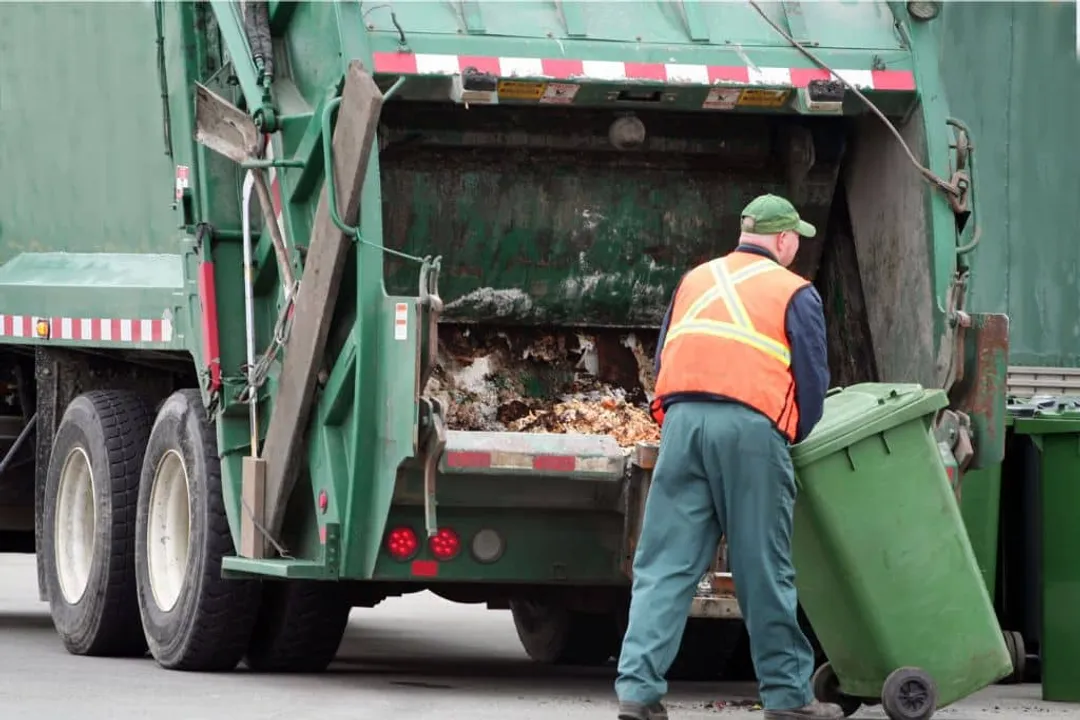
The shift to smart landfill management represents a fundamental change in how we handle the vast amounts of waste society generates. Instead of relying on outdated, manual processes, this modern approach integrates technology—especially the Internet of Things (IoT), sensors, and data analytics—to make operations safer, significantly more cost-effective, and substantially better for the environment. [1][5][6][9] Traditional waste collection often involves trucks following fixed routes, leading to inefficiencies like servicing half-full bins or leaving overflowing ones unattended until the next scheduled day. [1][6] Smart landfill monitoring and management correct these flaws by bringing real-time intelligence to the entire waste lifecycle, transforming facilities from passive disposal sites into proactive environmental management hubs. [3][8]
Globally, the scale of the problem is immense, with the world generating about 2.01 billion tonnes of municipal solid waste annually, a figure projected to climb to 3.40 billion tonnes by 2050. [5][9] In the United States alone, an estimated 146.1 million tons of municipal waste were in landfills in 2018. [1] Given these figures, the evolution toward 'smartification' is no longer optional; it is essential for mitigating pollution and managing resources responsibly. [9] This article delves into the mechanics of working within this evolving sector, from the roles involved to the specific technologies driving this transformation in landfill operations.
# Operational Roles
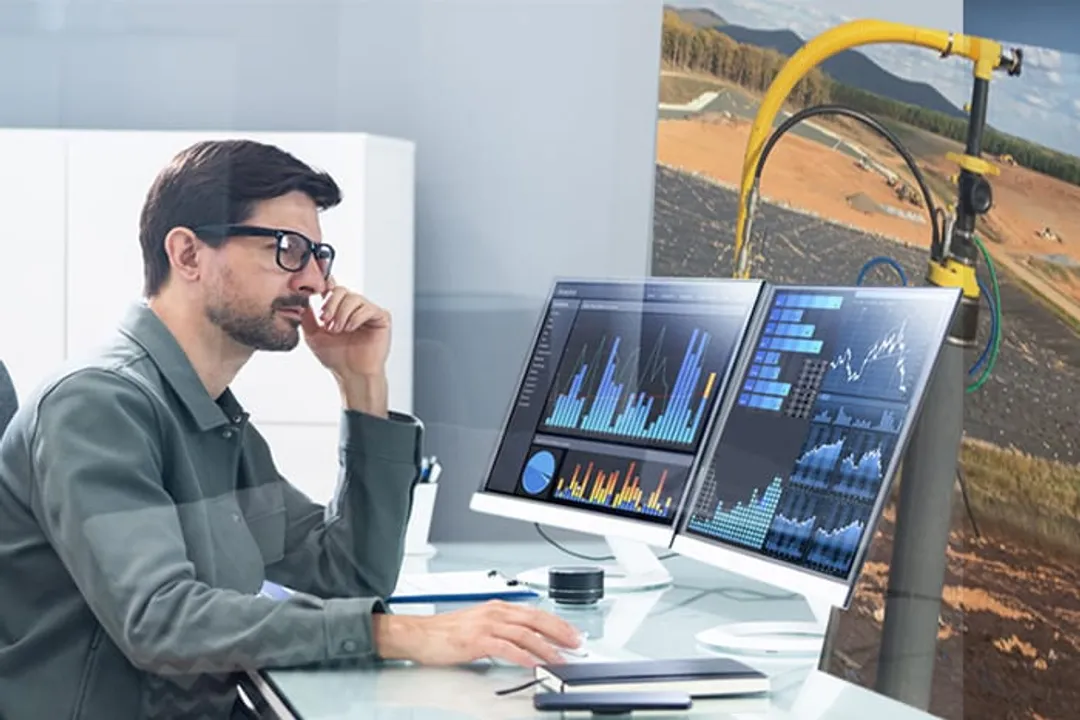
Working in smart landfill management requires a blend of traditional waste industry knowledge and proficiency in modern technological oversight. [4] The Landfill Operations Manager remains a central figure, but their responsibilities are increasingly augmented by data and remote capabilities. [4][8]
# Managerial Foundation
A Landfill Operations Manager oversees the daily efficiency and regulatory compliance of the facility. [4] Key tasks span the entire operation, including:
- Waste Acceptance: Inspecting incoming loads to ensure prohibited materials, like hazardous waste, are not improperly accepted. [4]
- Operational Coordination: Managing waste placement and compaction to optimize existing space, a task now informed by predictive data rather than just visual assessment. [4]
- Environmental Strategy: Developing and implementing initiatives, such as recycling or composting programs, to divert material from the landfill footprint. [4]
- Compliance and Reporting: Preparing detailed reports for local, state, and federal agencies to demonstrate adherence to environmental mandates. [4]
The foundation for this role often begins with a Bachelor's Degree in environmental science or waste management, complemented by certifications like the Certified Manager of Landfill Operations (CMLO). [4] Crucially, modern managers need familiarity with software for data analysis, environmental monitoring, and general waste management systems, including understanding Artificial Intelligence (AI) tools that enhance decision-making. [4]
# Evolving Skillset
The incorporation of smart technology necessitates an adaptive skillset among all landfill personnel. [4] While traditional skills like analytical thinking and problem-solving remain vital, the focus shifts toward interpreting digital outputs. [4] For instance, staff must now understand how sensor data translates into actionable route adjustments or how to interpret outputs from remote monitoring systems. [3][8]
A Landfill Manager's daily routine changes dramatically. Traditionally, tasks involved physically traveling on-site to manually record data points such as pump station flow rates, flare statuses, or gas wellhead readings. [3][8] With Remote Monitoring and Control Systems (RMCs), many of these activities can be automated, freeing up the manager for strategic work. [3][8] If a system alerts a manager at night to an issue like a downed flare, they may be able to safely restart it directly from a mobile phone application, drastically improving response time and quality of life. [3][8] This integration of technology also enhances health and safety by minimizing required physical presence in potentially hazardous zones, such as areas with high methane concentration or where slip-and-fall risks exist. [3][8]
# Remote Monitoring Systems
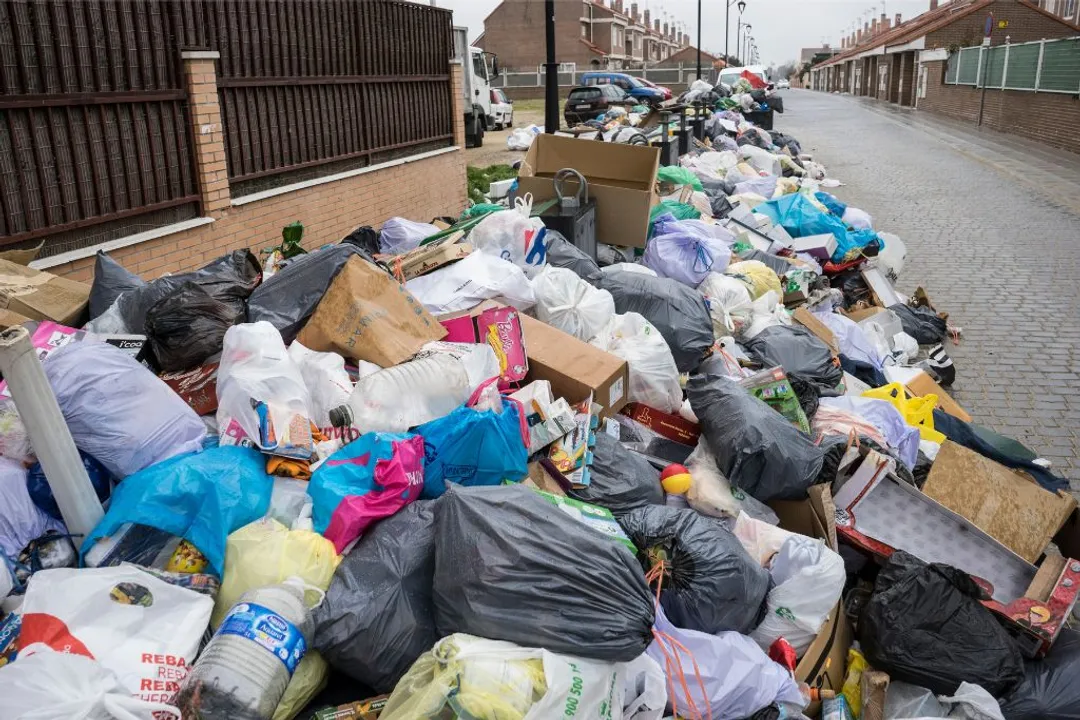
The backbone of a smart landfill is its Remote Monitoring and Control (RMC) system, which pulls together data from disparate sources—sensors, drones, and satellites—into a unified interface for managers. [3][8] SCS Engineers highlights that these RMCs are transforming operations by enhancing efficiency, compliance, and safety. [8]
# Data Integration
Smart landfill monitoring is defined by the use of advanced sensors and automation to track critical environmental factors in real time. This data collection goes beyond just bin levels; it encompasses core operational metrics essential for environmental stewardship. [3][7]
Key data streams monitored via RMCs include:
- Gas Emission Levels: Monitoring landfill gas (LFG) components, primarily methane, to ensure capture systems are operating optimally. [7]
- Liquids Management: Tracking leachate levels in pump stations and tanks, often via high-level alarms that prevent overfills and potential environmental releases. [3][8]
- Operational Status: Monitoring the performance of critical equipment like gas flares, allowing for remote diagnostics and restarts. [3][8]
The integration is key. For example, a drone flight can generate aerial images, which are then combined with elevation data and infrared thermal imaging within the RMC platform. [3] This single system acts as the "eyes, ears, and control tool" for the operation, allowing managers to stay precisely on top of emissions and operational integrity. [7]
# Predictive Maintenance and Optimization
A crucial element that data analytics brings to landfill work is moving from a reactive to a proactive stance. [3] Instead of waiting for a scheduled, manual check or an environmental failure, the system alerts staff to nascent problems. [3][8]
Consider automated well tuning: RMCs can make continuous, micro-adjustments to gas collection wellhead valves based on real-time fluctuations in temperature, pressure, and weather. [7] This fine-tuning maximizes the capture efficiency of methane, a potent greenhouse gas, which might otherwise be lost to the atmosphere. [7]
An insightful difference between a traditional and smart approach lies in scheduling preventative maintenance for infrastructure like gas collection wells. In a manual system, a technician might service a block of wells every Tuesday based on a set schedule. In a smart system, the RMC might indicate that wells A and C are experiencing reduced vacuum efficiency due to subsurface changes, while wells B and D are running perfectly, allowing maintenance resources to be deployed only where the data demands it, saving vehicle miles and staff time. [1][5]
# Technology Applications
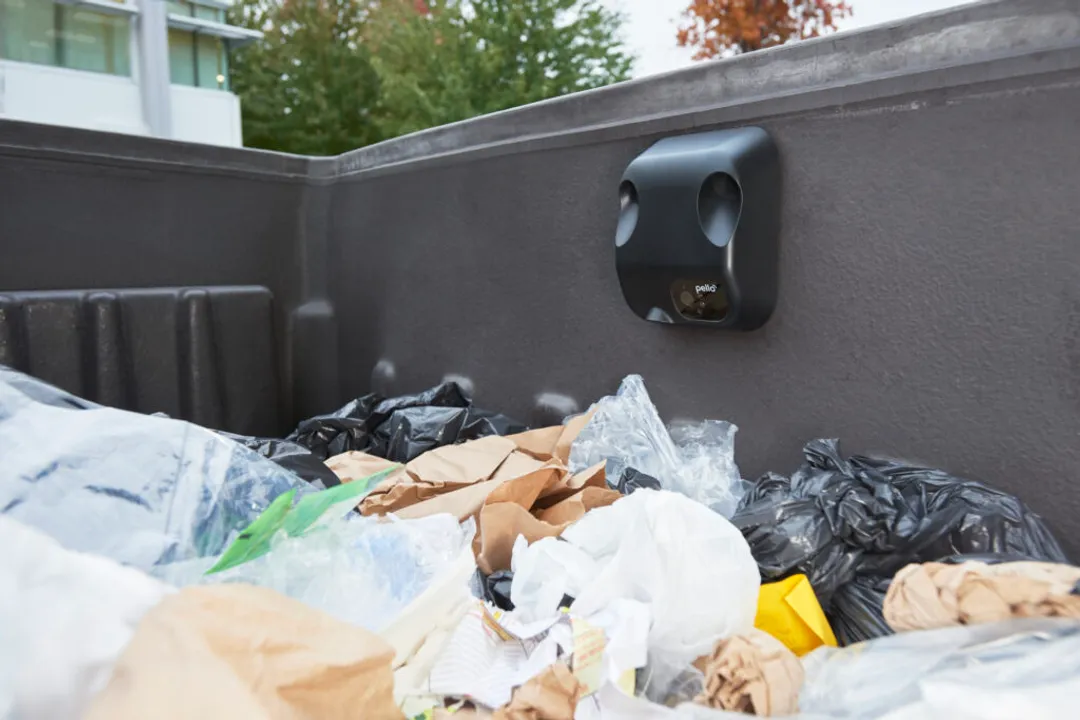
Smart landfill management employs a variety of specific technologies, many of which overlap with broader smart waste management initiatives designed to reduce what ultimately reaches the landfill. [1][5]
# Collection Stream Technologies
Technologies that divert waste before it needs landfill space are vital components of the overall smart strategy. [1][7]
| Technology Category | Description | Primary Benefit | Source Examples |
|---|---|---|---|
| Smart Receptacles | Bins equipped with sensors to monitor fill levels and transmit data. [1][6] Some integrate AI to self-sort waste. [1][9] | Optimized collection routing; reduced unnecessary truck trips and fuel consumption. [1][6] | Bin-E (self-sorting), Bigbelly (solar-compactor options). [1] |
| Solar Compactors | Bins using solar energy to crush waste internally, increasing holding capacity by up to five times a standard bin. [1][5] | Reduces pickup frequency by up to 80%. [1] | CleanCUBE by Ecube. [1] |
| Pneumatic Systems | Underground tube networks that automatically vacuum waste from chutes to a central facility. [1] | Eliminates garbage truck mileage and associated emissions entirely for those routes. [1][5] | Roosevelt Island, NY; Songdo, South Korea. [1] |
| AI Sorting | Robotics leveraging computer vision and AI to rapidly and accurately separate recyclables from mixed streams. [1][5] | Higher recycling recovery rates and increased processing speed over manual sorting. [1][5] | AMP Robotics (80 items/minute); companies like Bulk Handling Systems. [1][5] |
| E-Waste Kiosks | Automated stations that accept old electronics, assess condition, and ensure proper hazardous material disposal or potential refurbishment. [1] | Prevents toxic materials like lead and mercury from entering general waste streams. [1] | ecoATM. [1] |
# Landfill-Specific Monitoring Tools
For the waste already in the ground, technology focuses heavily on mitigating environmental impact, especially methane. [7] Orange County, California, provides a strong example of implementing a Smart Landfill Program (SLP) to address this. [7]
- Methane Capture Automation: As noted, automated well tuning optimizes gas collection systems, with upgrades achieving methane emission reductions up to 15 percent in some pilot programs. [7]
- Advanced Leak Detection: Instead of relying solely on manual walking surveys, facilities are deploying cutting-edge tools. This includes robotic dogs equipped with methane sensors patrolling the site on the ground, and drones using infrared imaging to map large plumes from above. [7] These methods are significantly safer, faster, and more economical than traditional technician surveys. [7]
- Odor Management Systems: Since odors are a major source of community complaints (accounting for about 50% of all air-quality complaints in the U.S.), smart systems target them proactively. [3][8] Tools include:
# Environmental Impact and Community Relations
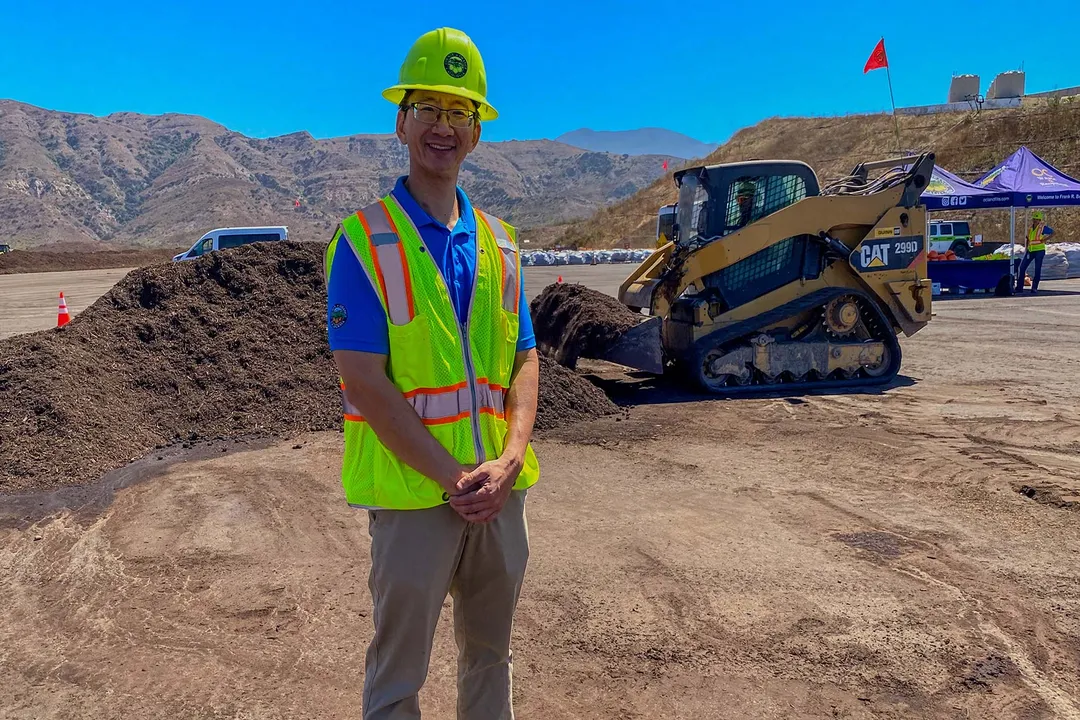
The transition to smart landfill management directly addresses climate goals and improves neighborhood relations—a critical aspect of modern waste service. [7][8]
# Greenhouse Gas Reduction
Methane () generated by decomposing organic matter in landfills is a high-priority concern; it has a warming potential over 80 times greater than carbon dioxide () in the short term. [7] In California, for instance, landfills are the second-largest source of human-caused methane emissions. [7]
Smart technologies tackle this in two primary ways:
- Diversion: Aggressively diverting organic waste through programs like industrial composting prevents future methane generation in the landfill cells. [7] Orange County diverted over 64,000 tons of organic waste, which kept 12,400 metric tons of equivalent out of the atmosphere. [7]
- Capture Optimization: Improving the efficiency of existing gas collection systems using RMCs ensures that more of the methane already produced is captured and either flared or converted to biomethane for energy. [7]
The overall goal aligns with broader state mandates, such as California’s aim to cut landfill-bound organic waste by 75 percent by 2025. [7] A direct result of optimized capture and diversion is a lower overall carbon footprint for the facility's operations. [1][5][7]
# Improving Local Relations
The physical presence and byproducts of landfills—namely odors and potential emissions—often create tension with surrounding communities. [3][7] The proactive nature of smart monitoring directly addresses this friction point. [3][8]
When RMCs allow operators to pinpoint and correct the source of an odor issue immediately, rather than discovering it during a manual check days later, the number of public nuisance complaints decreases. [3] By reducing emissions and odors through technological precision, landfill operators are seen as better neighbors. [3][8] Furthermore, programs that turn waste into community resources, like providing free compost derived from diverted organics, strengthen the public service aspect of the operation. [7]
# Data-Driven Planning
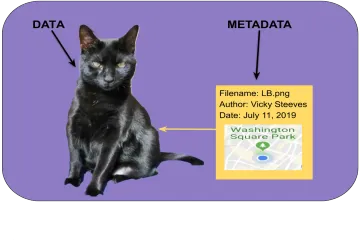
Beyond immediate operational fixes, the data collected forms a historical intelligence layer that fundamentally improves long-term planning. [6] Smart systems allow for geo-specific data analysis, helping managers understand the filling patterns unique to different areas of the site or different service zones. [6]
For collection services, analyzing fill-level sensor data over time helps predict when specific containers will reach capacity, allowing for the creation of smart schedules rather than rigid, fixed routes. [1][6] This predictive capability minimizes unnecessary fuel use and driver time, which can translate to up to a 50% cost reduction for certain monitoring platforms. [1][6]
In the context of landfill design and expansion, historical data on waste density, gas production rates based on material type, and compaction efficiency can feed into engineering models. [4] This allows for better design of new cells, ensuring that future infrastructure—such as gas wells or leachate collection pipes—is sited and sized based on data-backed expectations rather than generic industry standards. This level of data-centric, customized management represents the highest aspiration of the smart landfill concept. [6]
Related Questions
#Citations
How To Become a Landfill Operations Manager: Complete Guide
Smart Landfills: Transforming Waste Management with Remote ...
6 Smart Waste Management Technologies Emerging in 2026 | RTS
Smart Landfills Are Transforming the Waste Industry - SCS Engineers
What Is Smart Waste Management? - Evreka
From Waste to Wins: How Orange County's Smart Landfills Are ... - RMI
Smart Landfill Monitoring - CurbWaste
4 Smart Waste Management Solutions That Are Revolutionising the ...
Smart waste management: how IoT limits the need for landfills