How do you work in telecare platforms?
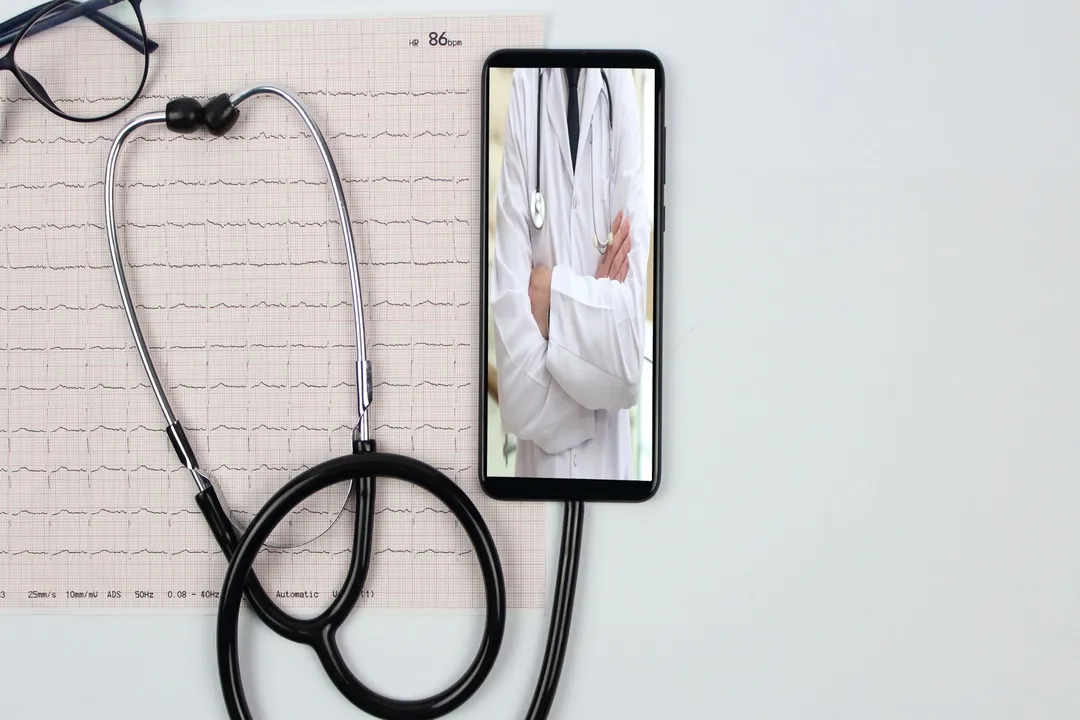
Working within a telecare platform involves much more than simply knowing how to use a computer or smartphone; it requires integrating technology with dedicated support, clinical skill, or emergency response protocols to serve individuals remotely. The term "telecare" itself describes a system connecting people to professional healthcare providers or support using digital solutions like secure messaging, live streaming, and monitoring devices. While often grouped with telehealth and telemedicine, telecare carries a specific focus, often being more automatic in its monitoring capabilities, enabling continuous observation of a person’s needs while they remain at home.
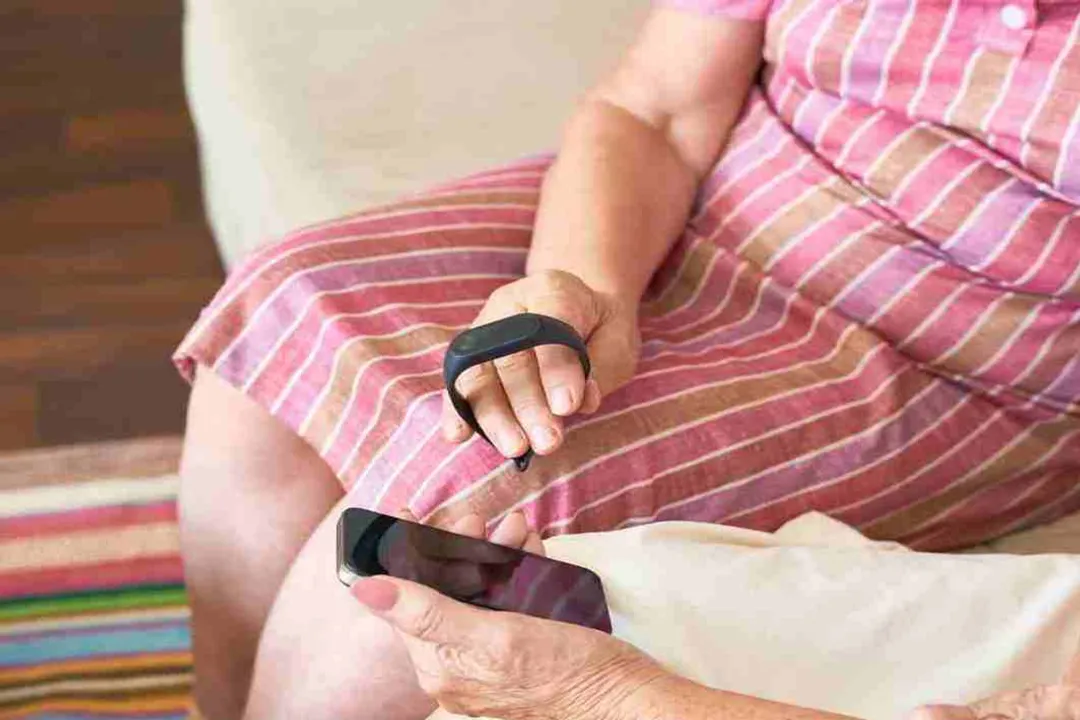
The platforms supporting this work range from systems designed to aid individuals with personal safety—using GPS watches, fall detectors, and personal alarms that alert a 24-hour response center—to sophisticated, provider-led behavioral health systems where clinical interactions happen over secure video and phone. Understanding how one works in these environments depends heavily on the specific domain: are you staffing the response center, delivering remote clinical care, or coordinating in-person support linked to the remote data?
# Defining the Care Ecosystem
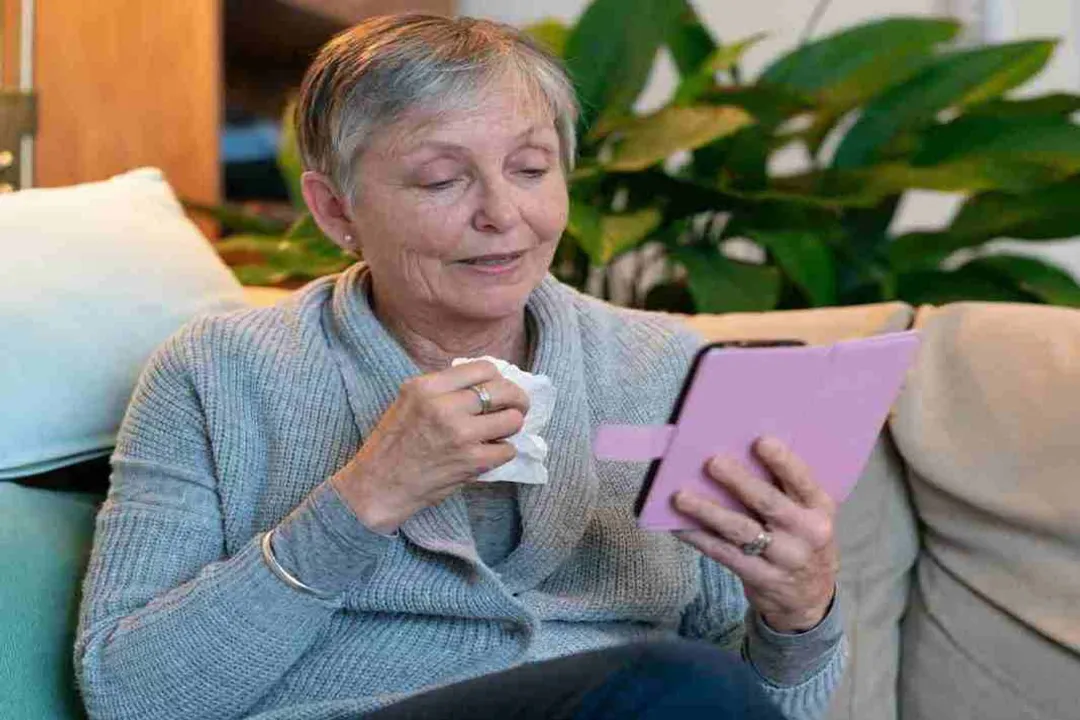
To grasp the operational reality, it is helpful to see the scope of telecare services. At one end of the spectrum is Technology Enabled Care (TEC), often centered on personal safety for independent living. In these systems, a user presses an alarm button, which connects them to a response center via a base unit, allowing for two-way communication. The workflow here requires response team members to quickly assess the situation, offer reassurance, and then notify pre-arranged keyholders or emergency services. These systems frequently incorporate supplementary sensors, such as those for detecting falls, temperature extremes, smoke, or flooding, adding layers of automated notification capability.
In contrast, the clinical or behavioral health side of telecare involves providers delivering direct support remotely. This can manifest as virtual therapy, remote patient assessments, or ongoing monitoring of chronic conditions. Organizations specializing in complex behavioral health, for example, integrate these digital tools to allow professionals to conduct follow-up calls, answer patient questions, and collaborate with the broader care team without needing an in-person meeting for every interaction. These digital care settings emphasize using secure video calls and messaging systems for the majority of communication. While this approach enhances efficiency and helps patients avoid unnecessary travel to appointments, it is fundamentally about providing consistent, accessible care outside traditional facility walls.
# Professional Roles and Entry Requirements

Working in telecare platforms necessitates a diverse workforce spanning clinical specialists, direct support staff, and administrative personnel. Organizations focused on behavioral health often highlight a commitment to hiring for experience first, preparing new employees through rigorous training and supervision, even if they lack formal licensure. This organizational philosophy suggests that an individual's past life experiences, particularly lived experience with mental health challenges, are valued as core components of empathetic service delivery.
# Clinical and Licensed Staff
For licensed professionals, such as Registered Nurses (RNs) working in a telecare capacity, the day is highly structured around digital patient engagement. A typical day involves:
- Conducting remote patient assessments.
- Managing follow-up communication through telehealth platforms.
- Monitoring patient symptoms and reviewing medical records electronically.
- Educating patients on treatment plans and escalating urgent issues to physicians or team members.
In settings like acute care telemedicine, which may involve liaising between a partner facility and remote specialists, an in-person clinician might still be part of the "telecare platform" operation, working to bridge the physical gap while leveraging cutting-edge remote technology. These roles often require specific advanced practice provider qualifications and licensure across multiple states.
# Direct Support and Unlicensed Roles
The behavioral health sector often relies significantly on unlicensed professionals who are hired for their experience and then extensively trained. At organizations like Telecare Corporation, these roles can include Recovery Specialists, Case Managers, Peer Health Navigators, and Crisis Intervention Specialists. These community-connected workforces execute crucial functions such as member engagement, health coaching, care planning, and housing stabilization.
The entry barrier for these roles is often experience, not necessarily specific credentials, though specialized roles might require certifications, such as Peer Support Specialists requiring specific peer support training. An organization might employ hundreds of these unlicensed professionals across dozens of distinct roles, indicating that operating within their telecare support structure is a massive component of the system's functionality.
It is worth noting that the structure of staffing is highly specialized. While one employer might focus on credentialed providers communicating via secure digital means for assessment, another operational model for personal alarms relies on specialized staff in a response center who manage the hardware alerts and initiate the emergency chain of command. In both cases, the platform is the conduit for care decisions.
# Training and Platform Integration
Working effectively within any telecare platform demands specific, standardized training, often emphasizing client-centered and recovery-focused approaches. For new direct-care employees within community programs, training can exceed 70 hours over the first year, utilizing a blend of online modules and in-person skills practice.
The curriculum for these professionals is highly detailed, covering key clinical and safety areas:
- Clinical Skill Building: Training often includes modules on co-occurring conditions, stage-matched interventions, and motivational interviewing strategies. For instance, the CHCF document details specific online courses on Stages of Change and modules on chronic diseases like diabetes, asthma, and COPD, underscoring the need for remote staff to possess foundational health knowledge.
- Safety and De-escalation: Mandatory training includes safety approaches like BE DIRECT, as well as crisis intervention techniques (e.g., CPI training) that must be renewed, often every two years.
- Compliance and System Use: New hires are immediately immersed in compliance topics, including HIPAA, corporate compliance, and understanding the organization's specific culture, such as the Recovery-Centered Clinical System (RCCS).
This intense, standardized onboarding suggests that how you work is dictated not just by the technology itself, but by the organization's specific clinical model that the technology is designed to support.
From a technological fluency standpoint, consider the digital interface management required. An RN is simultaneously performing clinical tasks while managing symptom monitoring software, secure video feeds, and collaborative documentation systems. Contrast this with a personal alarm response agent who must immediately interpret an electronic signal—a button press or sensor trip—and then navigate the communication system to verify the alert and dispatch the correct external party. In both scenarios, proficiency in the platform's digital language—understanding what a specific alert signifies and the documented protocol to follow—is the primary skill required to perform the job correctly. If an alarm system fails to recognize a hard fall due to sensor placement, the human operator must rely on established protocols to still ascertain the user's safety, showing that technology is a sophisticated aid, not a replacement for trained human judgment.
# Organizational Culture and Professional Environment

The environment in which one works in telecare is frequently described as one that values the professional experience of its staff. For some organizations, a unique operational structure exists where employees own a percentage of the company stock, tying their long-term success to the organization's performance. This structure, often called employee ownership, reflects a value placed on partnership.
Furthermore, professional development is clearly integrated into the working model. Opportunities for advancement—sometimes involving multiple levels within a single role or transitions into administrator positions that do not require licensure—are made available. This continuous pathway for growth suggests that working in a telecare platform is not static; staff are expected to deepen their clinical or operational knowledge consistently. The culture often emphasizes showing up without judgment and bringing empathy to every interaction, recognizing that professional burnout can be mitigated when staff feel their unique perspectives and life experiences are genuinely valued.
If we consider the contrast between the two primary service models identified—complex behavioral health coordination and personal safety monitoring—an interesting operational divergence appears. In the former, the success metrics often revolve around recovery statistics, symptom management improvement, and client engagement. In the latter, success is immediate verification and timely dispatch following an emergency signal, with secondary benefits being peace of mind and prevention of unnecessary hospital visits. Yet, both models rely on the professional’s ability to maintain relational consistency through a screen or a microphone.
For example, in behavioral health telecare, maintaining a client’s trust during a remote session when geographical separation is inherent demands extraordinary preparation and empathy from the clinician. The structured training in motivational interviewing and stages of change is not supplementary; it is the mechanism by which remote relationships are successfully built and sustained. This highlights an insight: for telecare to succeed beyond simple task completion (like checking a box or dispatching EMS), the organizational investment must prioritize training staff to inject authentic, non-judgmental human connection into fundamentally technological interactions. This ensures that the efficiency gained from the platform does not result in a corresponding deficit in relational quality, which is key for long-term client engagement.
Another point to observe is the degree of autonomy afforded to staff operating within these systems. The RN’s day is marked by autonomy alongside teamwork, while the personal alarm monitoring agent is guided by rigid, immediate protocols for emergency resolution. This implies that "how you work" is heavily stratified by the risk profile of the service offered. High-acuity clinical roles necessitate independent decision-making within collaborative structures, while essential response roles demand strict adherence to established safety decision trees to guarantee predictable outcomes under pressure. The platform, therefore, acts as a highly specialized workflow manager, guiding professionals down the appropriate path based on the nature of the interaction.
In sum, working in a telecare platform means embracing a world where the digital interface is the primary work surface. It requires accepting a high degree of structured professional training, valuing collaborative team approaches that blend diverse experiences, and mastering the specific technology stack—whether it’s clinical charting software or emergency response hardware—to deliver care defined by accessibility and consistency.
#Videos
Introducing EHI's Telecare | A Telemedicine Platform - YouTube
Related Questions
#Citations
Telecare Career Opportunities
How Does Telecare Work? - Taking Care Personal Alarms
Clinician Careers in Telemedicine - Access TeleCare
[PDF] Telecare: Training Unlicensed Professionals
Introducing EHI's Telecare | A Telemedicine Platform - YouTube
What does a typical day look like for a Telecare RN? - ZipRecruiter
What is Telecare and What Does it Do? - Televeda