How does a design optimized for Laser Powder Bed Fusion (LPBF) typically differ from one optimized for casting?
Answer
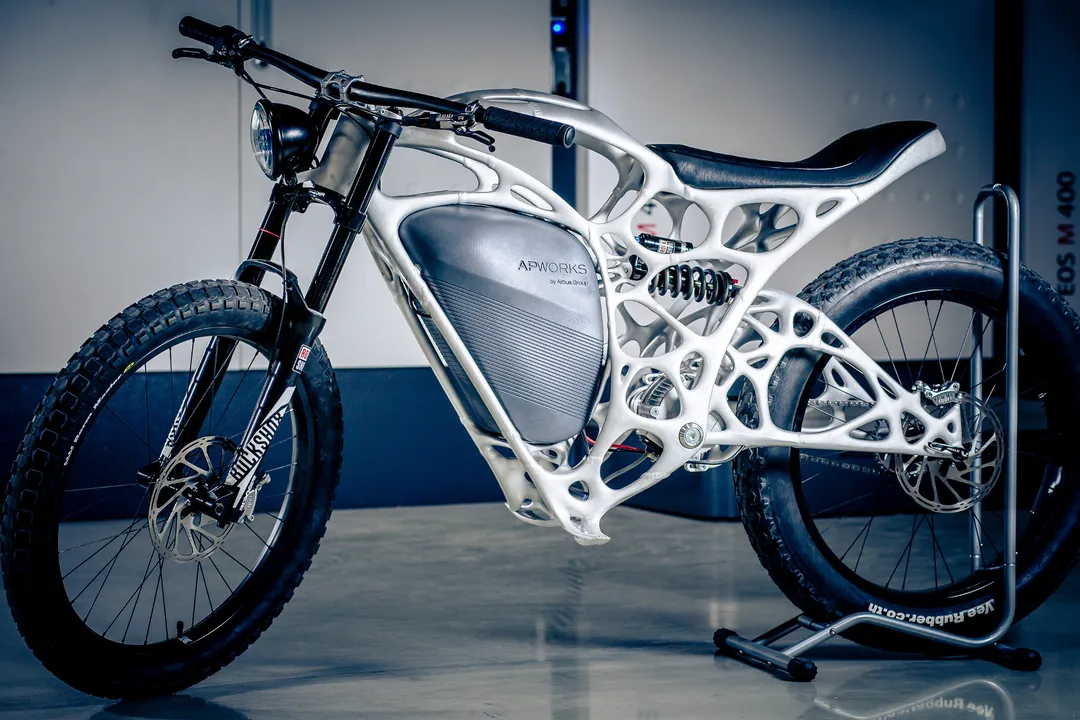
The LPBF design will likely be a highly intricate, non-uniform skeletal arrangement.
LPBF can build complex, non-uniform internal structures layer by layer, unlike casting which requires features like draft angles and uniform sections compatible with mold filling.
Related Questions
What is the fundamental goal of topology optimization?In density-based topology optimization methods, what does the material density variable typically represent?What must be clearly defined as fixed and material-filled in the design space setup?In structural optimization, what is mathematically equivalent to maximizing stiffness?Why is inputting manufacturing constraints crucial before running the solver?What is the general trend observed in the objective function (like compliance) over successful optimization iterations?What should an engineer often do if the initial optimization results appear as sparse, disconnected noise?What is the typical immediate output of a completed topology optimization run?What characterization describes the raw output geometry obtained directly from the optimization calculation?Which primary industrial benefit involves reducing mass while maintaining performance?How does a design optimized for Laser Powder Bed Fusion (LPBF) typically differ from one optimized for casting?