What Logistics Jobs Are Safety-Critical?
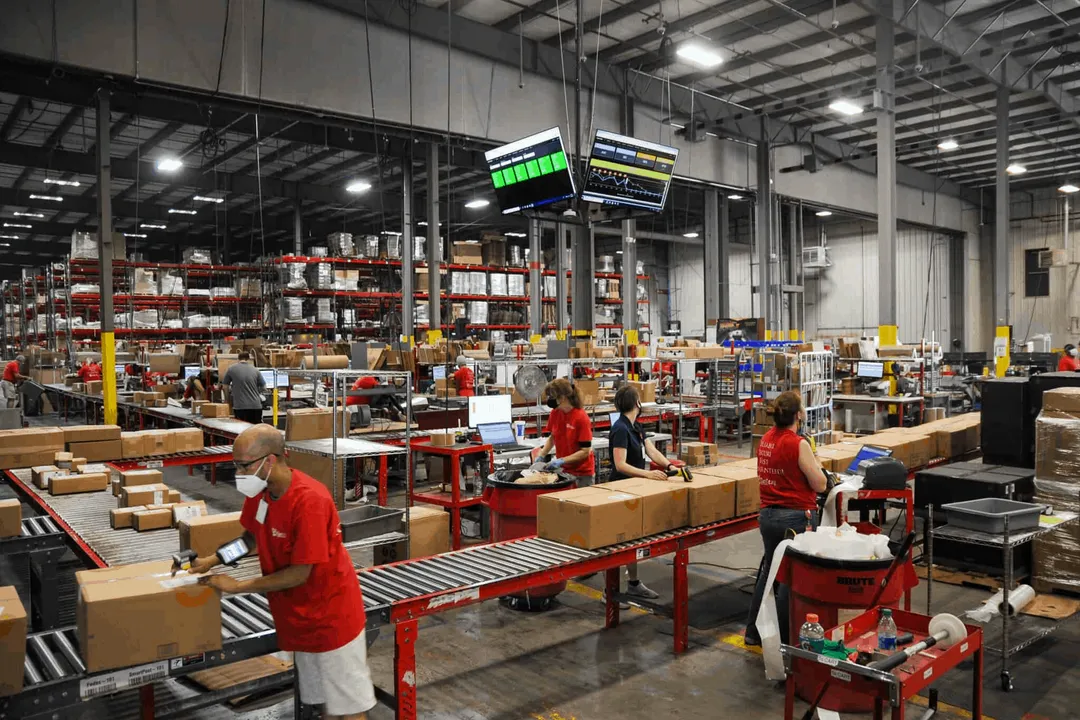
The logistics sector, encompassing everything from warehousing and inventory management to transportation and distribution, inherently involves processes where mistakes can lead to serious injury, asset loss, or supply chain failure. [10] Jobs are deemed safety-critical when the performance or failure in that role directly impacts the immediate physical well-being of personnel or the public, or the structural integrity of the materials being handled. [10] While the public often pictures long-haul truck drivers or forklift operators as the primary safety risks—and they certainly are integral to safety—the roles dedicated to preventing incidents often operate behind the scenes or in supervisory capacities.
# Risk Areas

The transportation, distribution, and logistics career cluster involves managing the flow of goods, information, and resources. [7] This management frequently requires interaction with heavy machinery, complex loading procedures, and large vehicles, creating inherent physical hazards. [10] In warehouse settings, risks center on material handling equipment, stacking heights, and slips, trips, and falls. [10] Conversely, in transportation, the hazards shift to road safety, cargo securement, and hours-of-service compliance. [10] Any position whose primary focus is mitigating these well-defined physical dangers falls under the safety-critical umbrella.
# Safety Officers

The most explicitly safety-critical positions often carry titles clearly indicating responsibility for health and safety adherence. Jobs such as Logistics Safety Officer, Safety Specialist, or Safety Manager are central to maintaining compliance and preventing workplace accidents. [1][3][6] These professionals are tasked with developing, implementing, and enforcing safety policies and procedures across operations. [6]
A Logistics Safety Officer’s daily duties frequently involve inspections of facilities, equipment, and operational practices to identify potential hazards before they cause an incident. [10] They are responsible for investigating any accidents or near-misses that occur, determining root causes, and implementing corrective actions to prevent recurrence. [10] This requires an understanding of regulations like OSHA (Occupational Safety and Health Administration) standards, as well as industry-specific guidelines related to cargo handling and equipment operation. [6] Furthermore, they often manage safety training programs for general staff, ensuring that warehouse associates, drivers, and material handlers understand safe operating procedures. [10]
It is important to note the differentiation in focus: while one person might specialize in facility safety (e.g., ensuring racking is stable and aisles are clear), another might focus solely on transport safety (e.g., auditing driver logs and vehicle maintenance records). [1][6] In large organizations, these specialized safety roles are themselves safety-critical because their procedures directly govern the safety compliance of hundreds of operational staff.

# Field Roles

Beyond dedicated safety staff, many hands-on logistics jobs are safety-critical because of the immediate potential for harm they possess. Forklift Operators and Material Handlers fit this description perfectly; a momentary lapse in attention while moving palletized goods can lead to catastrophic injury or damage. [10] Similarly, Long-Haul Truck Drivers operate heavy vehicles that, if mishandled, pose significant risks to themselves and the motoring public. [10] Their responsibility includes safe driving practices and proper loading and securing of cargo to prevent shifting or falling loads. [10]
Consider the operational flow within a fulfillment center. The safety of the entire picking and packing line can hinge on the individual operating the reach truck ensuring that the inventory being placed in high storage is properly stabilized. If that operator is fatigued or poorly trained, the risk cascades down to the associates working on the floor below. [10]
An interesting consideration in analyzing these operational roles is the environment they work in. A driver’s safety critical duties are largely external and managed by Hours of Service (HOS) rules and DOT compliance, whereas a warehouse associate’s safety critical duties are highly localized and managed by internal facility safety protocols regarding machinery interaction and ergonomics. [7] Understanding this difference informs where an employer should concentrate training budgets—is the primary risk on the road or inside the building?
# Security Overlap

Logistics safety often intersects with logistics security, particularly in roles managing high-value or sensitive freight. Jobs designated under Logistics Security are safety-critical because breaches can sometimes lead to dangerous confrontations or the diversion of hazardous materials. [2] While the primary function of a security role is asset protection, ensuring secure access points, monitoring cargo integrity during transit, and managing response protocols during incidents (like hijacking or theft) directly impacts employee safety and public protection. [2] For instance, protocols for handling suspicious packages or securing a dock area during a high-value transfer involve safety procedures that must be executed perfectly to avoid escalating a security situation into a physical threat. [2]

# Compliance Oversight
The regulatory and administrative side of logistics also contains several safety-critical functions, often residing within roles like Logistics Analysts or Compliance Auditors, particularly in regulated sectors like defense contracting. [4][5] While these roles may not physically operate machinery, they are responsible for ensuring the system itself remains compliant with governmental regulations, such as those governing hazardous materials (Hazmat) transport or international shipping standards. [6]
If a Logistics Analyst miscalculates the required documentation or permits for shipping regulated chemicals, the shipment itself becomes a major safety liability once it leaves the warehouse, potentially resulting in environmental disaster or severe public hazard. [5] Similarly, roles tracking driver qualification files or mandatory safety certifications are critical; if these administrative checks fail, an unqualified individual might be put behind the wheel of a large commercial vehicle, immediately rendering the job safety-critical by proxy. [6]
For those aspiring to move into these administrative safety roles, gaining familiarity with the Transportation, Distribution, and Logistics Career Cluster standards, which often emphasize safe material handling and regulatory compliance, provides a solid foundation. [7]
# Job Demand
The necessity of safety-critical positions is amplified by the current state of the industry. Logistics jobs are widely noted as being in high demand, which means companies must hire quickly to keep up with consumer and business needs. [5] When hiring velocity increases, the pressure to reduce time-to-productivity for new hires also increases, potentially leading to shortcuts in comprehensive safety training—a situation that directly tests the effectiveness of the safety roles mentioned above. [5] This high-demand environment suggests that qualified Safety Officers and compliance experts are not just important, but are in a strong position to influence procedural changes due to the constant organizational need for reliable, safe throughput. [5]
One valuable way to assess the criticality of a logistics job is through a simple operational matrix: look at the potential consequence (from minor injury to fatality/major financial loss) versus the frequency of the activity. A task done infrequently, like emergency spill containment, might have a high consequence, making the training/response role safety-critical even if it happens rarely. Conversely, a high-frequency task like proper dock plate setup, while having a lower immediate consequence if missed, becomes safety-critical due to the sheer repetition of the risk exposure. [10]
# Management Responsibility
Ultimately, senior management positions within logistics, such as Supply Chain Managers or Directors of Operations, hold a high degree of safety-critical responsibility. Although they do not conduct the daily checks, their decisions on budgeting, staffing levels, and scheduling directly influence the safety culture and the ability of front-line workers to adhere to safety protocols. [10] If overtime budgets are cut to the point where drivers must violate HOS rules, or if necessary maintenance on fleet vehicles is deferred, the manager has created an unsafe system, even if they never personally handled a piece of equipment. [10] Their criticality lies in ensuring that safety is a budgeted priority, not merely a procedural afterthought. [6]
Related Questions
#Citations
Safety Logistics Jobs, Employment - Indeed
Logistics Security Jobs (NOW HIRING) - ZipRecruiter
2,000+ Logistics Safety Officer jobs in United States (60 new)
Understanding Logistics Job Titles: A Complete Tutorial for Aspiring ...
Are logistics jobs in demand? - Red Stag Fulfillment
Transportation, distribution, and logistics career cluster
Logistics Jobs - CACI Careers
Logisticians : Occupational Outlook Handbook
The Role of Health and Safety in Logistics - EHS Insight