What jobs exist in critical infrastructure security?
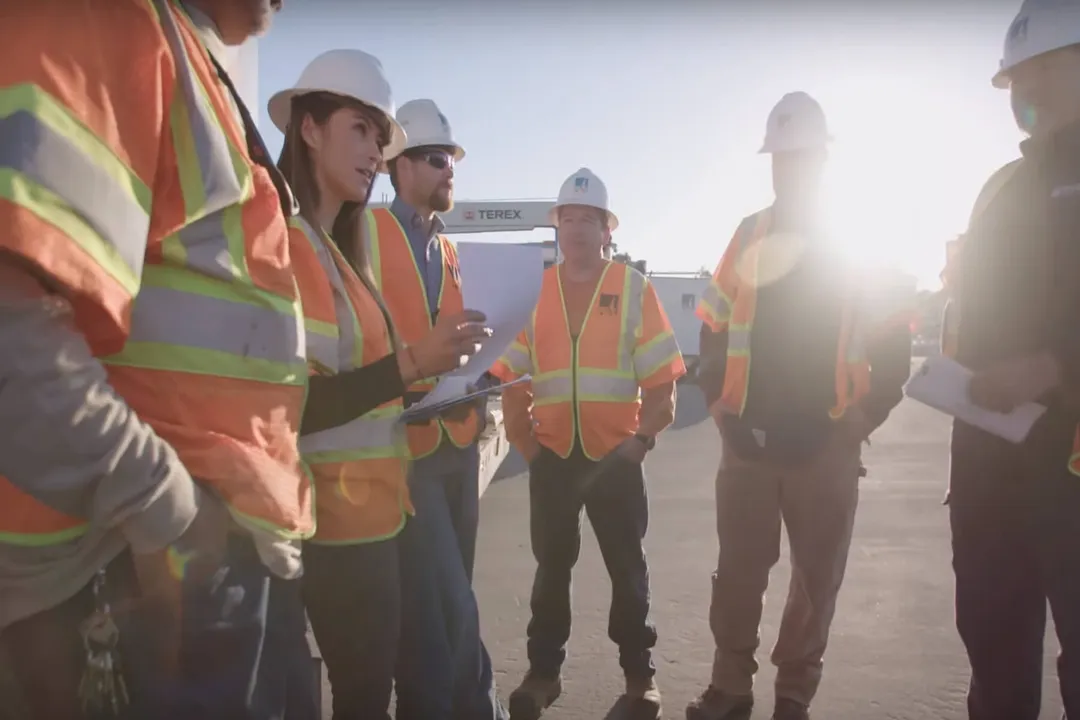
The security landscape surrounding critical infrastructure—the backbone systems like energy grids, water treatment, communications networks, and financial markets—is a specialized and essential field where jobs are constantly in demand to protect services upon which modern society depends. [4] Professionals in this area deal with threats that range from sophisticated nation-state cyberattacks targeting industrial control systems to physical breaches or insider threats that could cause widespread service disruption. [5] The sheer variety of systems involved, spanning IT, Operational Technology (OT), and physical security layers, necessitates a broad spectrum of roles designed to monitor, defend, and recover these vital assets. [4]
# Key Job Titles
Job listings across major platforms reveal a core set of titles frequently advertised for critical infrastructure protection, indicating where the immediate hiring needs lie. [1][2][6] Many of these roles center on the traditional cybersecurity domain but require a specific understanding of industrial environments. [4]
Common positions advertised include:
- Security Analyst / Engineer: These individuals often form the frontline defense, monitoring systems for anomalies, conducting vulnerability assessments, and implementing security controls across IT and potentially OT networks. [1][6] They are tasked with ensuring compliance with various regulations specific to the sector, such as NERC CIP for the electric sector. [7]
- Information Security Specialist: This title often implies a broader scope covering policy development, risk assessments, and managing security awareness programs within CI organizations. [1] Specific roles, like a Senior Critical Infrastructure Security Specialist at an electric utility, emphasize expertise in assessing risks to physical and virtual environments impacting utility operations. [7]
- Security Manager / Director: These are leadership positions responsible for overseeing security teams, setting strategy, managing incident response plans, and reporting on the overall security posture to executive leadership. [2]
A common thread across these postings is the demand for individuals who can bridge the gap between standard corporate IT security practices and the unique constraints of industrial systems, which prioritize availability and safety above all else. [4][9]
# Federal Protection Careers
A significant portion of the national effort to secure critical infrastructure is managed through federal agencies, offering pathways into public service careers dedicated to this mission. [3][8] The Department of Homeland Security (DHS), for example, lists numerous career opportunities within its components that directly support CI security efforts. [3] These federal roles often focus on national-level coordination, setting standards, information sharing, and supporting state and local partners. [3]
Roles within the federal government might involve areas such as:
- Incident Response and Operations: Working to manage and coordinate responses to major national cyber incidents affecting CI. [8]
- Policy and Compliance: Developing the regulatory guidance and standards that critical infrastructure operators must adhere to for national security reasons. [3]
- Intelligence Analysis: Collecting and analyzing threat data specific to sectors like energy, water, or communications to provide proactive warnings to asset owners. [8]
Federal employment can offer distinct advantages, such as high job stability, defined retirement plans, and the unique satisfaction of serving a direct national security mission. [3][8] While private sector jobs often compensate highly for specialized skills immediately, [1][2] federal service tends to offer a slower, more structured career progression centered on mission impact. [3]

# Operational Technology Roles
Protecting critical infrastructure is distinct from general enterprise security primarily because of the prevalence of Operational Technology (OT) and Industrial Control Systems (ICS). [4][5] These are the systems that physically manipulate equipment—opening valves, controlling turbines, or managing traffic signals. Jobs centered here require specialized knowledge that goes beyond typical IT certifications. [9]
Some roles are specifically designated as OT Security Engineers or ICS Security Architects. These positions require an understanding of protocols like Modbus or DNP3, and an appreciation for legacy hardware that may not support modern encryption or patching cycles. [5] It is an environment where a poorly timed software update can literally turn off the power grid, making the margin for error exceptionally slim. [4] The friction point here is often forcing IT-centric security methodologies—which often involve frequent reboots or configuration changes—onto OT environments where uptime is paramount. A good OT security professional must find security solutions that fit within the operational realities of the plant floor or substation, often necessitating creative workarounds or compensating controls that a pure IT specialist might overlook. [9]
# Physical Security Integration
Critical infrastructure security isn't solely digital; the physical protection of assets is equally vital, leading to hybrid roles that blend IT and physical security expertise. [4][7] A senior specialist role, for instance, might require expertise not just in network segmentation but also in site access controls, surveillance systems, and perimeter defense for substations or data centers. [7]
The security ecosystem for a major utility company, for example, often requires coordination between the IT security team, the physical security team, and the control room operations staff. This necessitates roles that can translate risks between these domains. A Physical Security Analyst might focus on perimeter integrity and badge access logs, while their cyber counterpart analyzes network traffic to the same facility's Programmable Logic Controllers (PLCs). The security jobs that effectively connect these two worlds—ensuring that a successful physical breach grants no corresponding digital access—are highly valued. [4]

# Compliance and Risk Management
Regardless of whether a job is in the public or private sector, a significant number of positions are dedicated to ensuring adherence to mandatory security standards and managing the resulting risk posture. [7] These compliance and risk roles are often the gatekeepers ensuring that the organization meets regulatory expectations. [1]
Key roles in this area include:
- GRC Analysts (Governance, Risk, and Compliance): They map internal security controls against external regulations like NERC CIP, NIST standards, or other sector-specific mandates. [7]
- Auditors: These professionals perform internal and external reviews to verify that security measures are implemented correctly and are effective in practice. [6]
- Risk Managers: Focused on quantifying potential threats—assigning dollar values or probability metrics to failures—to help leadership prioritize security investments. [2]
One observation in this space is that GRC professionals often hold the most authoritative view of an organization's actual security posture, as they review documentation and evidence from all other teams (IT, OT, physical) to create a single, auditable picture. This contrasts with a purely technical analyst who may only see one slice of the security environment. [1][7]
# Emerging and Specialized Job Functions
The field is dynamic, and specialized cybersecurity careers are constantly being defined, sometimes moving beyond traditional IT titles. [9] Beyond the standard analyst and engineer, certain emerging specializations are critical for modern CI defense.
One area is Threat Hunting specifically for ICS/SCADA environments. This involves proactively searching for signs of adversary persistence or reconnaissance within the control system networks, rather than waiting for an alert from an automated tool. [5][9]
Another specialized function involves Digital Forensics and Incident Response (DFIR) for industrial environments. When an incident occurs, the ability to forensically examine proprietary industrial hardware or log files from a historian database requires expertise that standard IT forensics tools cannot provide. [9]
For those interested in the cutting edge, some sources suggest careers focusing on the convergence of cybersecurity and physical engineering disciplines—roles that might not even exist yet but will be necessary as IoT and smart grid technologies become more integrated. [4] A practical path here often involves gaining certifications recognized by industry bodies, such as those offered by organizations like SANS, which focus on operational technology security training. [9]
If we consider the career entry point, a person coming from a general IT security background into CI security often needs to spend the first year or two learning the physical process—how the power plant works, how the water is treated, or how the pipeline pressure is regulated. Without this process knowledge, applying security effectively becomes abstract and potentially dangerous. This mandatory learning curve is a defining feature of entering the CI security workforce, whether in the private utility sector or federal agencies supporting them. [4][5]
Related Questions
#Citations
Critical Infrastructure Security Jobs, Employment - Indeed
1,000+ Critical Infrastructure Protection jobs in United States (29 new)
Component Careers | Homeland Security
Protecting Our Most Important Systems with Careers in Critical ...
What's it like working within Critical National Infrastructure? - Reddit
$143k-$200k Critical Infrastructure Security Jobs - ZipRecruiter
Senior Critical Infrastructure Security Specialist at PG&E Corporation
USAJOBS - DHS Cybersecurity Service - Home
20 Coolest Cybersecurity Careers and Jobs - SANS Institute