How Do I Build a Long Career?

Building a career that spans decades requires more than just showing up and doing good work each day; it demands a deliberate, sustained strategy for personal and professional evolution. The common idea of simply climbing a ladder is increasingly outdated in today's dynamic professional landscape, replaced by the necessity of charting a continuous path forward, often necessitating detours and pivots along the way. [5] Establishing a foundation for a long-term career means shifting focus from immediate tasks to future capabilities and desired impact. [3] This intentionality is what separates a series of jobs from a cohesive, fulfilling career trajectory.
# Purpose Defined
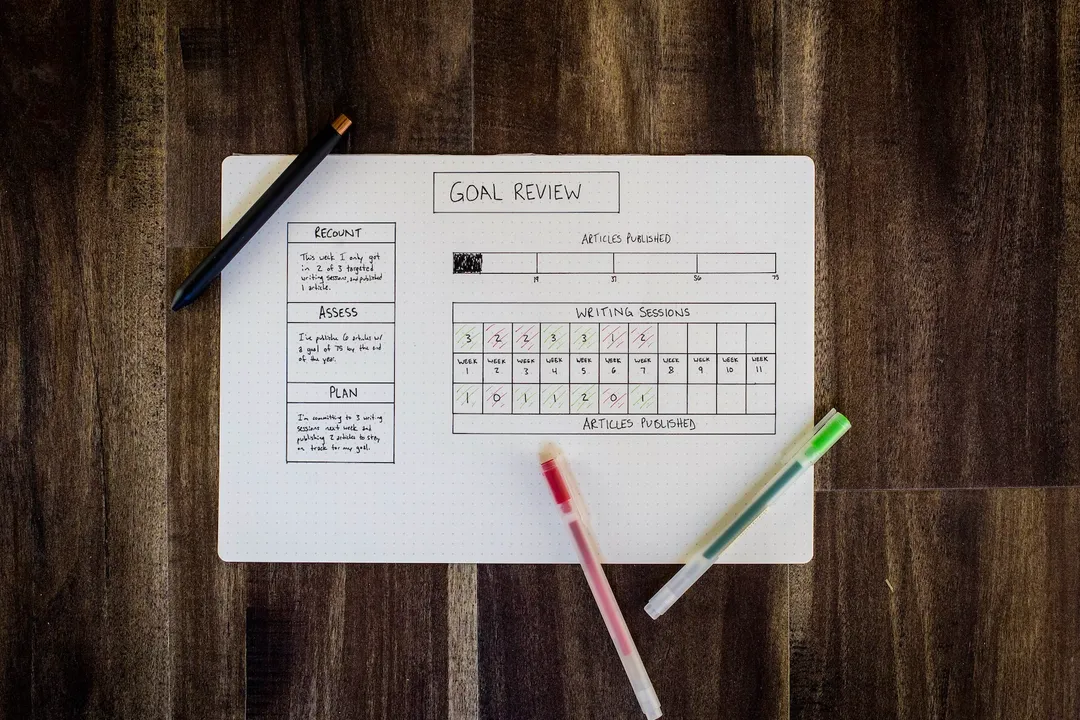
Career development is fundamentally about recognizing, establishing, and pursuing goals related to one’s vocation. [7] It involves looking inward to understand personal values, skills, and interests, and then mapping those qualities onto opportunities in the external world. [9] Think of it as a self-directed process of improving vocational competence and satisfaction over time. [7] Many professionals operate reactively, taking the next best opportunity that presents itself, but long-term success favors those who are proactive in shaping their next steps rather than merely responding to them. [1] This proactive stance means engaging in deep reflection about what one truly wants the career to look like five, ten, or even twenty years down the line. [3]
# Vision Crafting

The crucial first step in securing a long career is articulating a clear, compelling vision for that future state. This isn't about picking a single job title; it’s about defining the impact you wish to have and the environment in which you wish to operate. [1]
# Long View
Establishing long-term career goals is essential because they provide direction and motivation, acting as the primary reference point when making daily or yearly decisions. [3] Without these anchors, short-term pressures can easily derail progress toward larger ambitions. [8] For instance, if the long-term goal is to lead a division focused on sustainable technology, a short-term move to a higher-paying but irrelevant role might actually set you back by failing to build the necessary domain expertise. [1]
When setting these aspirational targets, it helps to break them down. The Harvard Business Review suggests a staging process for planning, which begins with clarifying values and assessing current skills before sketching out potential future roles. [1] This mirrors the idea that a roadmap must start with understanding your current location before plotting the route. [9] Furthermore, an effective goal must be specific enough to measure progress against. If your goal is vague, like "be successful," there's no way to know if you're making headway. [8]
# Goal Structure
To make these visions actionable, they must be structured appropriately. Some experts recommend thinking in five-year increments, ensuring each segment builds logically upon the last. [1] Others emphasize developing a strategic roadmap, where milestones are set that align with the overarching destination. [2]
Consider the difference between setting a goal based on position versus one based on competency. A positional goal might be "Become a Director by age 40." A competency goal might be "Master complex organizational change management techniques and secure speaking engagements at three industry conferences within the next five years." While the positional goal is visible, the competency goal ensures you are acquiring the skills that make you valuable enough to achieve any senior role in the future, regardless of organizational shifts. [5] This subtle shift—prioritizing internal capability over external title—offers more resilience in uncertain times. [5]

# Roadmap Building

Once the destination is clear, the construction of the path—the roadmap—begins. This process involves charting the necessary steps, sometimes as many as six distinct phases, to move from your present state to your envisioned future. [6]
# Assessment First
A common starting point across various career planning guides is self-assessment. You need an inventory of where you stand today. [6][9] This involves evaluating current skills, experience levels, professional network, and even personal satisfaction levels. [1] For example, MIT’s advice on planning underscores the need to clearly define your current resources before moving forward. [9] If you aim to become an expert in Artificial Intelligence but have no foundational coding skills, that gap must be the first milestone addressed, not the last. [6]
# Stepwise Progression
The roadmap itself should outline concrete actions. For long-term goals, it is helpful to segment the plan into shorter-term, achievable targets. Ivy Exec suggests that building this roadmap requires identifying the knowledge, experience, and connections needed for the next logical step, and then the step after that, continuing until the ultimate goal is reached. [2]
One effective, practical way to approach this is by reverse engineering the ideal role description. Identify the job you want five to ten years out. Then, find someone currently in that role (or a similar one) and look closely at their resume or LinkedIn profile. What were their previous roles? What specialized training do they list? By working backward from the desired outcome, you can construct a checklist of prerequisites that become your immediate action items. If the target role requires a specific certification (like a PMP or CFA) that takes two years to earn, that dictates a major, non-negotiable item on your three-year plan. [1] This method avoids the pitfall of merely accumulating tasks and instead ensures every action is in service of the end state. [6]
# Actionable Steps
A plan remains theoretical until it is executed through daily and weekly discipline. Building a long career is often less about grand gestures and more about consistent, small, meaningful actions. [4]
# Discipline and Habits
Many experienced professionals report that success hinges on developing strong personal disciplines that transcend any single job description. [4] These include:
- Continuous Skill Acquisition: Dedicate time weekly—not just when laid off or promoted—to learning. This could mean mastering a new software application relevant to your field or taking an online course in adjacent disciplines, like finance for a marketing professional. [4]
- Networking Intentionally: Networking shouldn't be reserved for job searching. It should be an ongoing practice of sharing knowledge and maintaining genuine relationships with peers, mentors, and leaders. [4]
- Seeking Feedback: Actively solicit constructive criticism on your performance, especially from those whose careers you admire. [4] This speeds up the learning curve dramatically.
When setting goals, the methodology matters as much as the ambition. Mentorcliq highlights that goals must be achievable, relevant, time-bound, and specific. [8] If a long-term goal is too distant, the required actions can feel overwhelming. Breaking it down into manageable quarterly or annual objectives keeps momentum high. If you fail to meet a short-term target, you haven't ruined your long-term career; you’ve simply identified a point in the map where you need to recalibrate your approach or allocate more resources. [3]

# Navigating Change
The modern professional world is characterized by rapid technological shifts, economic volatility, and shifting industry demands. A career plan built around rigid expectations for a single industry or company is fragile. [5] Therefore, adaptability must be explicitly designed into the career strategy.
# Handling Uncertainty
Building a long career in times of uncertainty means planning for flexibility rather than certainty. [5] One way to manage this is by cultivating a "T-shaped" skill profile. The vertical bar of the 'T' represents deep expertise in your primary domain, which provides immediate value and authority. The horizontal bar represents a broad understanding of related fields, enabling you to communicate across silos and pivot when your primary domain shrinks or transforms. [5]
For instance, a specialist in traditional print advertising needs to develop a wide understanding of digital marketing, analytics, and consumer behavior (the horizontal bar) so that when the print market contracts, they can transition their core skills (the vertical bar) into a new area like digital content strategy without starting over completely. [5] This approach ensures that your career foundation remains broad enough to weather unexpected storms. [2]
# Continuous Growth
Long-term viability is directly tied to one's ongoing investment in personal capital—skills, knowledge, and relationships. [7] This means viewing your career not as a finished product, but as a continually iterated service. [9]
# Mentorship Value
A vital, often underestimated component of sustained growth is the strategic use of mentorship and sponsorship. [8] While mentorship involves seeking advice and guidance from experienced individuals—often comparing their past experiences to your current challenges—sponsorship involves someone senior advocating for you in rooms you aren't yet in. [8] A mentor might advise you on how to handle a difficult negotiation; a sponsor might actively push for you to be considered for a leadership role you didn't even know existed. [8] Building relationships that move into the sponsorship category is a hallmark of those who advance rapidly over long periods. [4]
# Skill Stacking
A helpful way to think about skill development is through stacking rather than replacement. Instead of just becoming a better marketer, become a marketer who also codes and understands international regulatory law. [5] Each new, relevant skill adds value disproportionately to the preceding one. If you are a mid-level manager, learning a specialized skill (like data visualization or advanced negotiation tactics) can make you uniquely qualified for senior roles that require competence in both management and that specific specialty. This stacking of expertise creates a moat around your expertise, making you less replaceable by generalized competition. [2]
When planning your development path, it's beneficial to look at the market for transferable skills. Skills like complex problem-solving, emotional intelligence, and strategic communication tend to hold their value across industries and technological eras, making them excellent long-term investments. [9] While specific technical skills may become obsolete in five years, the ability to communicate a complex strategy clearly to a diverse audience will remain essential for decades. [1]

# Review Cycles
A static plan invites obsolescence. A career plan must be treated as a living document, requiring regular, scheduled review and revision. [2][9] How often should this happen? While the ultimate destination might remain stable for years, the path to get there needs frequent checking. A formal review, perhaps annually, is necessary to assess milestones met, opportunities missed, and external shifts that require course correction. [1]
This structured review process prevents "career drift," where one slowly accumulates tasks that feel important in the moment but don't align with the five-year vision. [2] During these review sessions, revisit the initial core values established. [1] Are your current activities still aligned with what you truly value, or have external pressures pulled you toward priorities that don't bring long-term satisfaction? If your initial goal was purpose-driven leadership, but you find yourself six months into a purely profit-driven role with no time for mentoring, the plan needs an immediate adjustment, even if the job itself is lucrative. [3]
Building a long career is a marathon where the terrain is constantly changing. Success isn't guaranteed by innate talent alone; it is earned through the sustained application of foresight, discipline, and adaptability. By treating your career as a strategic, long-term project requiring regular reassessment and investment in both core expertise and transferable soft skills, you build not just a sequence of jobs, but a resilient, evolving professional life. [4][5]
Related Questions
#Citations
How to Develop a 5-Year Career Plan
Building a Strategic Career Roadmap for Long-Term Growth - Ivy Exec
Long-Term Career Goals [Examples & How to Succeed] | Chronus
8 ways to develop your career. What I've learned in 20 years and ...
How To Build A Long-Term Career Plan In Times Of Change ...
Career Path Development: A Step-by-Step Guide - OIC Philadelphia
Career Development 101: A Complete Guide to Professional Growth
How to Set Long Term Career Goals - And Achieve Them - MentorcliQ
Make a Career Plan