How Can I Get Hired Faster?
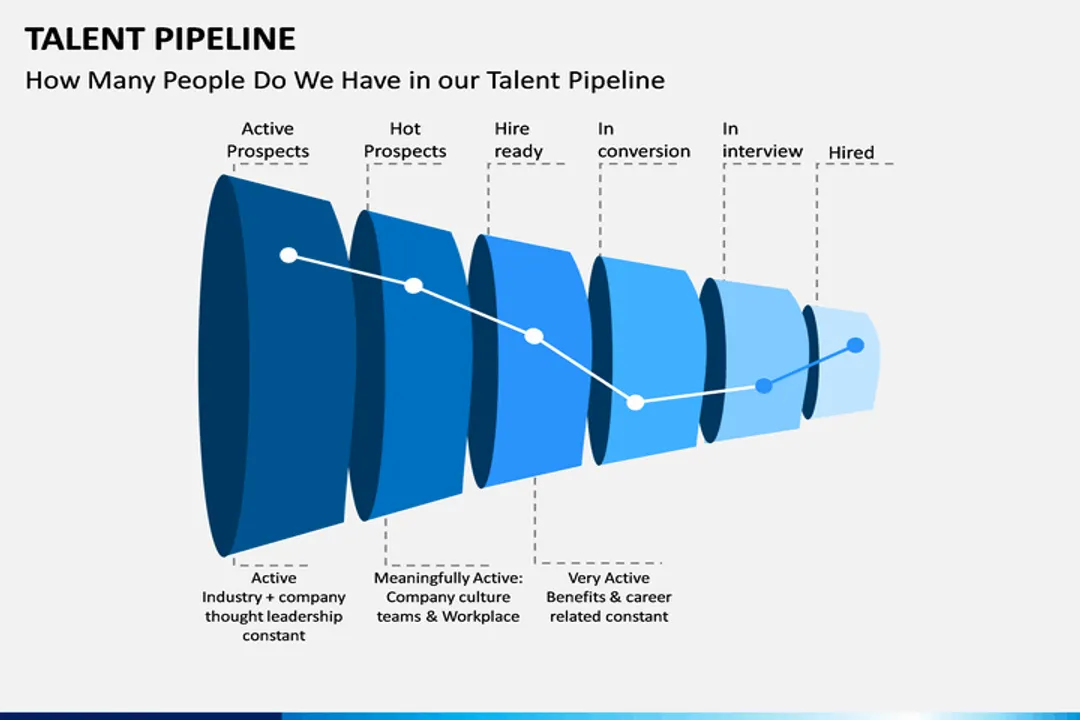
Achieving job search velocity isn't about luck; it’s about implementing highly efficient, targeted actions that drastically reduce the time between application submission and an offer letter. The goal is to move from being a passive applicant to an actively managed pipeline, treating the job search like a short-term, high-intensity project. [2][4] Speed relies on preparation, aggressive timing, and flawless execution in every interaction. [3][7]
# Materials Readiness
Before sending out a single application, you must have your core documentation in pristine, ready-to-deploy condition. This preparation eliminates the crucial, time-wasting pauses that occur when an employer requests information immediately. [7] You should have several versions of your resume ready to customize, rather than building one from scratch for every opening. [2]
Beyond the resume, organize essential supporting documents. This includes having professional references compiled and ready to share, a clean, up-to-date LinkedIn profile that mirrors your resume's narrative, and potentially writing samples or a digital portfolio link. [1][7] If the role requires specific certifications or licenses, have digital copies accessible in a dedicated, secure folder. Speed in the hiring process often favors candidates who can instantly provide what is requested, signaling preparedness and organization. [8]
Tailoring your materials is non-negotiable for speed. A generic application signals low interest and often lands in the discard pile first. [3] For every role, you must adjust your resume and, especially, your cover letter to directly mirror the language and stated needs in the job description. [2][6] If the description heavily emphasizes “cross-functional team leadership,” ensure that exact phrasing appears in your achievements section, supported by concrete metrics. [3]
# Application Velocity
Getting hired faster heavily involves optimizing when you apply. Many hiring managers review candidates in the order they apply, meaning being among the first applicants significantly increases your chances of being seen before the candidate pool becomes overwhelming. [3] While quality remains essential—a poor application sent quickly is still a poor application—you must balance thorough tailoring with prompt submission. [4]
Consider how you organize your search. Instead of relying solely on large job boards, which are inherently slower due to volume, dedicate significant time to direct company pipelines and professional networks. [4] Set up alerts on boards, but aim to apply within the first 24 to 48 hours of a position being posted. If a company uses an Applicant Tracking System (ATS), spending time optimizing your resume with the right keywords before you start your daily application sprint is a high-return investment. [3]
It is worth noting that while applying to dozens of positions daily seems productive, this often leads to superficial applications that fail the initial screening. [4] A better model for speed is to limit yourself to a manageable number, perhaps five to ten highly targeted applications per day, ensuring each one passes a rigorous self-review for direct relevance and keyword alignment against the specific job posting. [3] This methodical approach reduces the number of "no-responses" that slow down your overall momentum.
# Connection Power
Networking is frequently cited as the single most effective way to shorten a job search because it moves you out of the general applicant pool and into a personalized recommendation system. [4][6] When you network strategically, you are essentially seeking an internal champion who can advocate for your resume to bypass initial automated screening processes. [7]
This isn't just about asking friends for leads; it requires proactive, targeted outreach. [2] Identify individuals working at your target companies—alumni, former colleagues, or even connections made via professional groups. A cold message asking for a referral or an informational interview is significantly more effective than a blind application. [1]
When connecting, be respectful of their time. Instead of asking, "Are you hiring?" which requires them to recall open roles, ask, "I see you work in X department; based on my background in Y, which specific roles do you think I should be focused on applying for right now?". [7] This directs the conversation toward action. Furthermore, an original insight here is to treat networking like a series of micro-interviews; always end a conversation by asking for one more relevant contact to speak with. This creates a self-perpetuating referral chain, often leading to faster callbacks than any other method. [2]
# Closing Skill
Interviews are the final gate, and poor performance here adds weeks to the process. [6] Speed in the final stages depends on demonstrating not just competency, but clear alignment with the company's immediate needs and culture. [3] Researching the company thoroughly is essential, but how you use that information matters. [7] Go beyond company facts; look for recent press releases, major challenges they are currently facing, or recent executive statements.
Practice answering common behavioral questions using a structured method, such as the STAR technique (Situation, Task, Action, Result). [2][6] When you answer, focus heavily on the "Result" to quantify your past success. If a source mentions 20 ways to get hired fast, many of those circle back to providing tangible proof of value in the interview setting. [7]
Crucially, you must close the interview with clear intent. Do not leave the room without knowing the next steps and timeline. [3] If the interviewer suggests a week before getting back to you, ask, "If I haven't heard by Thursday, would it be appropriate for me to send a brief follow-up email?". [2] This shows respect for their process while asserting your desire to move forward promptly.
# Momentum Maintenance
The gap between the final interview and the offer is a high-risk period for speed. Many candidates secure a great interview only to lose momentum through poor or inconsistent follow-up. [4][6] A thank-you note should be sent within 24 hours of the interview. [2] This note is not just polite; it’s another chance to reinforce your fit.
In your thank-you message, briefly reference a specific topic discussed and offer one small piece of additional, relevant information that directly addresses a concern or question raised during the conversation. [7] For example, if they mentioned a specific technical hurdle, you might attach a link to a relevant case study you didn't mention in person.
If the promised timeline passes without contact, follow up exactly as you arranged in the interview. [4] Avoid sounding impatient; phrase it as a check-in on the timeline or a reaffirmation of interest. If you receive a competing offer while waiting, use that information professionally to accelerate the decision process with your top choice. Presenting a timeline constraint (e.g., "I have an offer with a decision deadline of Monday") is one of the most direct ways to force a faster response without appearing overly aggressive. [1]
# Flexibility Factor
One of the biggest self-imposed bottlenecks in a fast job search is inflexibility regarding the role or compensation. [4] While you should never compromise on your minimum requirements or ethical standards, you must be willing to be nimble when speed is the primary objective. [1]
If you are aiming for a senior role but are finding the pace slow, consider temporarily accepting a high-level mid-level position at a strong company. [4] This gets you immediately into a new organization, on their payroll, and looking internally for the next opportunity in six to twelve months—often a much faster trajectory than waiting for the perfect senior title opening to materialize. [1] This is where understanding the cost of waiting becomes important: every week you spend unemployed is a week of compounding losses in networking access, skill application, and income generation. Accepting a slightly less-than-perfect initial role can be a strategic acceleration tactic.
Furthermore, be prepared to negotiate quickly. If an offer comes in, review the basic terms immediately and respond within 24 hours, even if just to say, "Thank you, I am reviewing the details and will provide my formal response by tomorrow afternoon." Having your salary expectations clearly defined beforehand prevents delays caused by internal deliberation once the offer hits your inbox. [7] Being clear, prepared, and fast in your decision-making removes friction from the final stage, which is where many successful searches stall out due to indecision or administrative lag. [8]




Related Questions
#Citations
How to Instantly get a job? : r/careerguidance
Accelerating Your Job Search and Getting Hired Fast
10 Secrets to Getting Hired Fast
How to speed up my job search and get hired fast
How to Hire Faster: 9 Effective Strategies (2024)
How to Get a Job Fast: Quick Tips for Job Seekers
How to Get a Job Quickly: 20 Tips to Get Hired Fast
8 Ways to Hire Faster in a Candidate's Market