What roles exist in cyber defense operations?
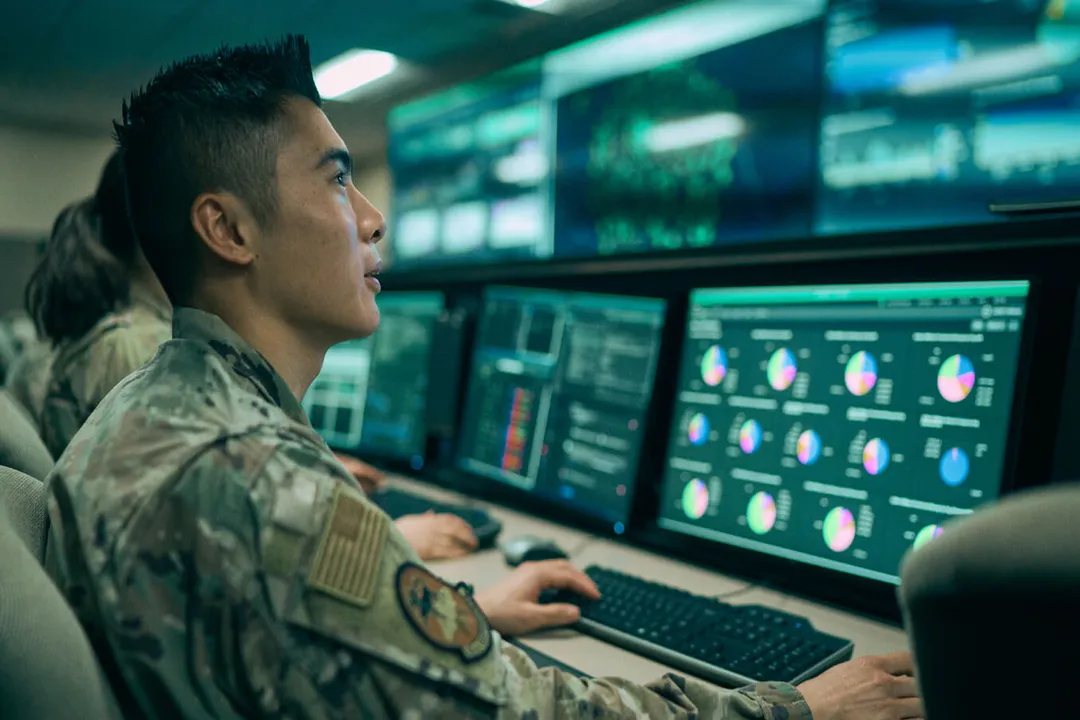
The world of digital defense relies on a diverse collection of specialists, each contributing a necessary piece to the overall security posture of an organization or national asset. These teams are not monolithic; instead, they form intricate structures responsible for everything from watching network traffic in real time to designing the very systems that must be defended. [1][2] Understanding what roles exist means looking past the general title of "cybersecurity professional" and identifying the distinct functions required to maintain a secure operational environment against evolving threats. [7]
# Watch Teams

The frontline of cyber defense is often characterized by roles centered around immediate monitoring and reaction. These positions are crucial for establishing the initial awareness of a potential intrusion or ongoing attack. [1][7]
# Analyst Tiers
A common structure involves tiered analysts within a Security Operations Center (SOC). [1] Tier 1 Security Analysts function as the first line of defense, monitoring security alerts generated by tools like SIEM (Security Information and Event Management) systems. [1][7] Their primary task is triage—determining which alerts are genuine threats and which are false positives. [1] They must possess broad knowledge across various security domains to accurately categorize the initial alarm. [7]
Moving up, Tier 2 Analysts take on the more complex, escalated incidents that Tier 1 analysts cannot resolve. [1] These individuals often require deeper technical expertise, perhaps specialized knowledge in malware analysis or specific attack vectors. [7] They manage containment and begin the initial documentation of the event. [1]
# Hunting Specialists
Distinct from the alert-driven work of SOC analysts are Threat Hunters. While a Tier 1 analyst waits for a system to flag suspicious activity, the Threat Hunter operates under the assumption that an adversary has already bypassed existing defenses. [5] This requires a proactive mindset, utilizing hypotheses and specific threat intelligence to search for hidden threats within the environment. [5][7]
One key difference between the reactive analyst and the proactive hunter lies in their operational tempo and required mindset. A Tier 1 analyst prioritizes speed and accuracy in filtering noise, focusing on known indicators of compromise (IOCs). [1] A Threat Hunter, conversely, focuses on anomalous behavior, often looking for unknown unknowns, which demands a deeper, more nuanced understanding of normal system operations for comparison. [7] If an organization struggles with alert fatigue, investing in training Tier 2 staff to transition into dedicated hunting roles, rather than immediately hiring for new positions, can be an effective use of internal talent, leveraging their existing system knowledge. [1]
# Incident Handling
When an alert transitions from a monitoring exercise to an active crisis, specialized roles take center stage to mitigate damage and understand the breach scope. [2]
# Response Roles
Incident Responders are the "firefighters" of the cyber world. [2] Once an incident is confirmed, their job is to execute the pre-defined incident response plan, which includes containment, eradication, and recovery. [7] This often involves isolating compromised systems, blocking malicious network traffic, and ensuring that the threat actor is completely removed from the environment. [2] This role demands excellent critical thinking under pressure and strong collaboration skills, as they frequently coordinate across IT, legal, and communications departments. [7]
Following the response, Digital Forensics and Incident Response (DFIR) Specialists step in. [2] Their focus is on the why and how. [7] They collect, preserve, and analyze digital evidence related to the incident. [2][7] The preservation of this evidence must adhere to strict legal standards to ensure its admissibility should legal action follow. [2] This specialized area requires knowledge of operating system internals, file systems, and memory analysis techniques. [7]
# Defense Builders
While monitoring and response manage active threats, an equal number of roles are dedicated to hardening the environment before an attack even materializes. These are the architects and engineers. [2]
# Security Engineering
Security Engineers are responsible for implementing and maintaining security solutions recommended by architects or dictated by policy. [1][2] This might involve deploying firewalls, intrusion prevention systems (IPS), endpoint detection and response (EDR) tools, and managing encryption services. [1] They need strong practical skills in systems administration and networking, coupled with an understanding of how specific technologies work together securely. [2]
Security Architects operate at a higher design level. [2] They design the overall security infrastructure, ensuring that new systems and applications are built securely from the ground up—a concept often called "security by design". [1] They evaluate the risks associated with new technologies and define the security standards that engineers must follow. [2] For example, an architect might decide on the organization’s cloud security posture, defining policies for identity management and data residency across cloud providers. [1]
If an Incident Responder constantly deals with security failures in production, the Security Architect is the one who must integrate the lessons learned from those failures into the next generation of designs. Imagine a scenario where an Incident Responder recovers from a sophisticated phishing attack that bypassed email filters; the Architect must then translate that real-world success of the attacker into a requirement for upgrading the organization’s email gateway solution or introducing mandatory phishing training systems. [7]
# Proactive Defense Roles
Beyond the immediate technology stack, defense requires understanding the adversary and ensuring internal adherence to security standards.
# Threat Intelligence
Cyber Threat Intelligence (CTI) Analysts bridge the gap between raw data and actionable security decisions. [7] They gather information about threat actors, their tactics, techniques, and procedures (TTPs), and motivations. [1] This intelligence informs the work of the SOC and the design decisions of the architects. [7] A CTI analyst doesn't just report that a vulnerability exists; they report who is likely to exploit it, how they operate, and what defenses have proven effective against them elsewhere. [7]
# Governance and Auditing
The structures governing how security is managed fall under Governance, Risk, and Compliance (GRC) roles. [2] While less focused on the "hands-on" technical defense of servers, these roles ensure the organization meets regulatory requirements and internal standards. [1]
Security Auditors examine systems and processes to verify compliance with established policies, industry standards (like ISO 27001 or NIST), or government regulations. [1] They provide an objective check on the effectiveness of the controls implemented by the engineers and the vigilance of the SOC teams. [2] A GRC Specialist works more continuously, helping to define the policies, manage risk assessments, and ensure that security measures align with the organization's risk tolerance. [1][2] These roles provide necessary documentation and justification for security investments to leadership. [1]

# Specialized and Military Domains
Cyber defense is a national security priority, leading to highly specialized roles, particularly within governmental and military organizations, which often focus on adversarial nation-state threats. [3][4]
# Cyber Operations Specialists
In military contexts, such as the United States Air Force or Space Force, specific career fields are dedicated entirely to cyber operations, which inherently encompass defense. [3][4] Roles here often combine aspects of the standard civilian roles but are tailored for specific mission requirements.
For instance, Air Force Cyber Warfare Operations personnel are trained to perform defensive and offensive actions in cyberspace to protect U.S. and allied interests. [3] These roles focus heavily on mission assurance—ensuring that critical communication systems and weapons platforms remain operational despite cyberattacks. [3]
Similarly, the U.S. Space Force has roles centered on Cyber Operations, tasked with defending space assets and associated ground systems from cyber threats. [4] The critical nature of these systems means that the tolerance for failure is near zero, demanding exceptional operational security and deep expertise in the specific protocols and environments unique to space and satellite technology. [4] Unlike a corporate environment where downtime might cost revenue, failure here can directly impact national defense capabilities. [6]
These military cyber professionals often integrate intelligence gathering directly into their defensive actions, blurring the lines between CTI, engineering, and direct response in ways that civilian environments typically separate through departmentalization. [6]
# Penetration Testing and Red Teaming
While often considered "offensive," Penetration Testers and Red Teamers are indispensable for a mature defense organization. [7] They simulate real-world attacks to test the effectiveness of the defensive teams (the Blue Team). [7][5]
When a Red Team successfully breaches a network, it provides immediate, concrete data to the SOC and Incident Response teams about weaknesses in their detection logic and response times. [5] This adversarial testing is vital because it moves beyond theoretical risks to prove exploitability. [7] The value here is not in the compromise itself, but in the immediate feedback loop it creates for improving the defense posture. [5]
# Leadership and Strategy
Overseeing these specialized teams requires individuals capable of bridging technical realities with business objectives and managing large teams. [2]
# Management Positions
Information Security Managers are responsible for the day-to-day oversight of security operations, including managing the SOC staff, budgets, and the selection and deployment of security tools. [2] They ensure that the teams are adequately staffed, trained, and following procedures. [7]
At the highest level sits the Chief Information Security Officer (CISO) or equivalent executive. [2] The CISO translates technology risks into business risks for the board of directors and executive leadership. [2] They are accountable for the entire security program, driving the overall security strategy and ensuring that defensive investments align with the organization's tolerance for risk. [1] This role requires immense communication skill, as they must advocate for resources and explain complex technical failures in clear, financial terms. [2]
The complexity of modern defense necessitates that leaders understand the flow between these roles. For example, a CISO must know enough about Forensics to ensure proper evidence handling protocols are in place, even if they never personally touch the evidence. They must also understand the threat landscape well enough to direct Threat Intelligence funding appropriately. A common failing in organizational design is separating the Security Architect from the Incident Response Lead; without constant communication, the Architect might design systems that are impossible to monitor effectively, leading to long dwell times for attackers—a scenario that often requires executive intervention to correct organizational silos. [7]

# Key Role Overlaps and Specializations
The sheer number of roles highlights that no single person can be an expert in everything; therefore, effective defense relies on managed specialization and clear lines of communication. [1][7]
| Role Category | Primary Function | Key Skill Focus | Stance |
|---|---|---|---|
| SOC Analyst | Triage and Initial Alert Handling | Alert Validation, Tool Operation | Reactive |
| Threat Hunter | Proactive Search for Hidden Adversaries | Hypothesis Generation, Anomaly Detection | Proactive |
| Security Engineer | Implementing and Maintaining Controls | Configuration Management, System Hardening | Corrective/Preventative |
| CTI Analyst | Adversary Profiling and Trend Analysis | Intelligence Gathering, TTP Mapping | Predictive |
| DFIR Specialist | Digital Evidence Collection and Analysis | Chain of Custody, Artifact Examination | Reactive/Investigative |
While many organizations start with just a few generalists, growing maturity demands specialization. [1] A security program that lacks dedicated forensic capabilities, for instance, will find its incident response incomplete, often forcing Incident Responders—who should be focused on stopping the bleeding—to perform deep dives they are not specialized or trained for. [2][7] Furthermore, the proliferation of cloud environments has created new specializations, such as Cloud Security Engineers, who focus exclusively on securing infrastructure managed through providers like AWS or Azure, applying core defense principles to new, ephemeral technologies. [1]
Every position within cyber defense, from the analyst monitoring the console to the CISO presenting risk reports, is a necessary component for maintaining digital integrity and operational continuity. [1][6] The structure is fluid, adapting to new technologies and the changing techniques of the threat actors they are designed to thwart. [7]
Related Questions
#Citations
Types of Cybersecurity Roles: Job Growth and Career Paths
12 Types of Cybersecurity Roles (With Duties and Salaries) - Indeed
Cyber System Operations - U.S. Air Force
Cyber Operations - Enlisted Careers - U.S. Space Force
45 Cybersecurity Jobs: Roles and Responsibilities | CyberSN
How to Become a Cyber Operations Specialist - Cybersecurity Guide
20 Coolest Cybersecurity Careers and Jobs - SANS Institute
Cybersecurity Opportunities - Verizon Careers
Common Cybersecurity Roles and Career Development