What roles exist in generative design?

The advent of systems capable of creating novel outputs—whether structural components or digital media—has naturally reshaped the professional landscape, giving rise to specialized positions centered around guiding and managing these generative processes. These roles exist across a spectrum, from optimizing physical engineering problems using algorithmic input to crafting the next generation of digital content using large language models and image generators. [5][1]
# Engineering Focus

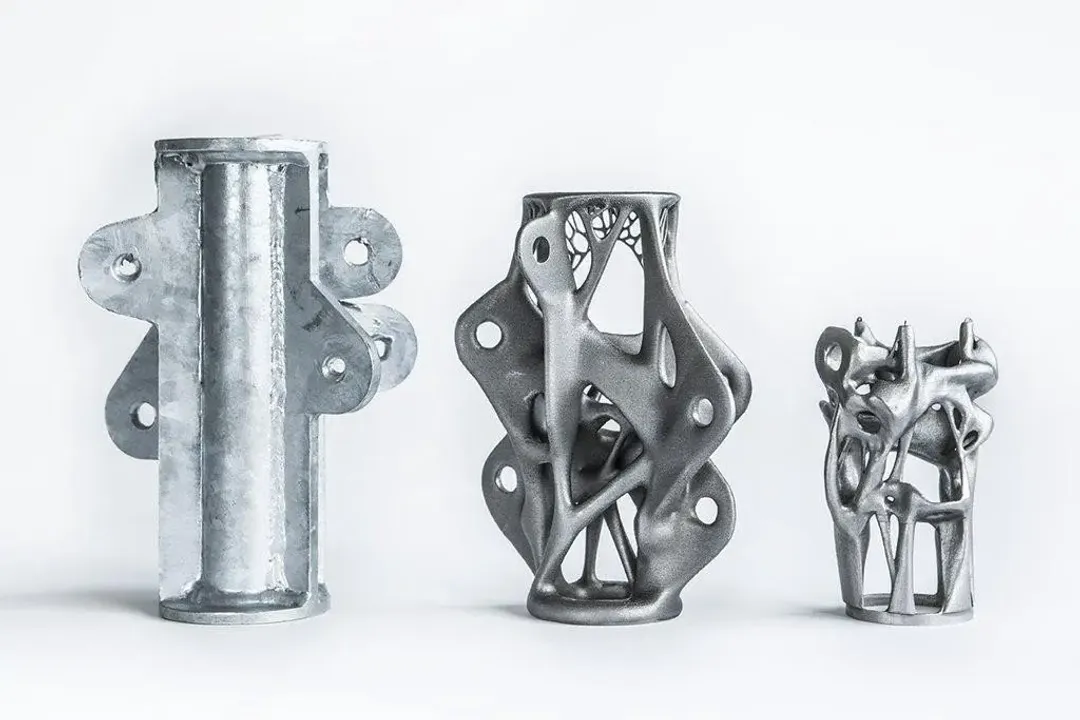
In the realm of physical product development and architecture, generative design acts as a digital collaborator, allowing designers and engineers to input performance goals and material constraints rather than dictating the final shape. [9] This is where the Generative Design Specialist often resides. This professional is tasked with setting up the parameters for these powerful simulation and optimization tools, essentially defining the problem for the software to solve within specified bounds. [5][9]
A Generative Design Specialist must possess a deep understanding of engineering principles, manufacturing processes, and the specific software—like those from Autodesk—that house these algorithms. [9] Their expertise lies not just in what to design, but how to constrain the design space so that the output is functional, manufacturable, and meets the initial performance targets, such as minimizing weight or maximizing stiffness. [5] They are the interpreters between human design intent and computational possibility.
# Specialists Versus Designers
It is helpful to contrast this highly technical role with more traditional creative positions. For instance, a Generative Design Specialist in an engineering context differs significantly from a traditional graphic designer, even if both are involved in "design". [4] A graphic designer typically focuses on aesthetics, visual communication, brand identity, and layout, often using tools like Adobe Creative Suite. [4] Their work relies on subjective and communicative goals.
In contrast, the engineering-focused Generative Design Specialist works primarily with objective metrics like load paths, stresses, and material volume. [4] While creativity is still required to set up initial conditions and select the best output from the generated set, the validation process is heavily rooted in physics and simulation, rather than purely visual appeal or subjective emotional response. [4] Think of it as the difference between asking an algorithm to create a visually pleasing advertisement versus asking it to create the lightest possible bracket to hold a specific load on an aircraft wing. [4]
# Content Creation Roles
When the generative process shifts to creating text, code, images, or music, a new set of roles emerges, focused heavily on the large language models (LLMs) and diffusion models that underpin this capability. [1][3]
# Prompt Engineering
Perhaps the most widely discussed new role is the Prompt Engineer. [1][3][6] This individual excels at communication with AI models, crafting detailed, nuanced instructions (prompts) to coax specific, high-quality, and relevant outputs from models like GPT-4 or Midjourney. [3][6] They are less concerned with building the model and more concerned with mastering its interface and behavior. [1] They need to understand model limitations, common failure modes, and the specific syntax or structure that elicits the desired response, often testing hundreds of variations to find the optimal input. [3]
# Generative AI Content Creators
These roles blur the lines between traditional artists, writers, and data specialists. [7] The Generative AI Content Creator might focus on rapidly prototyping marketing copy, drafting initial code blocks, or generating vast amounts of visual assets. [7] Their value comes from speed and volume, allowing organizations to iterate on creative concepts far faster than before. [7] They must, however, possess strong editorial judgment to vet the AI's output for factual accuracy, brand alignment, and originality, acting as a final quality gate. [7]

# Technical Implementation

Building and refining the underlying generative models requires specialized technical expertise that often overlaps with standard machine learning and software engineering, but with a specific focus on generative architectures. [2][6]
# Generative AI Developers
The Generative AI Developer is responsible for the technical backbone. This can involve several specializations. One focus is on fine-tuning pre-trained foundation models for specific enterprise tasks, ensuring they perform reliably and efficiently. [2] Another facet involves developing the data pipelines necessary to feed and evaluate these models, often requiring skills in cloud environments like AWS, where specialized AI/ML roles are integrated into service stacks. [2][10] These developers must be proficient in programming languages like Python and deep learning libraries. [6]
# AI/ML Engineers for Generative Models
While an AI/ML Engineer in general focuses on building predictive models, the specialization here means focusing on the specific architectures used in generation, such as GANs (Generative Adversarial Networks) or Transformers. [6] They handle the training, deployment, and scaling of these models. An interesting aspect of this role, particularly when dealing with massive models, involves optimizing inference speed and managing computational cost, a necessary technical hurdle when moving from experimental code to production systems. [6]
# Governance and Strategy
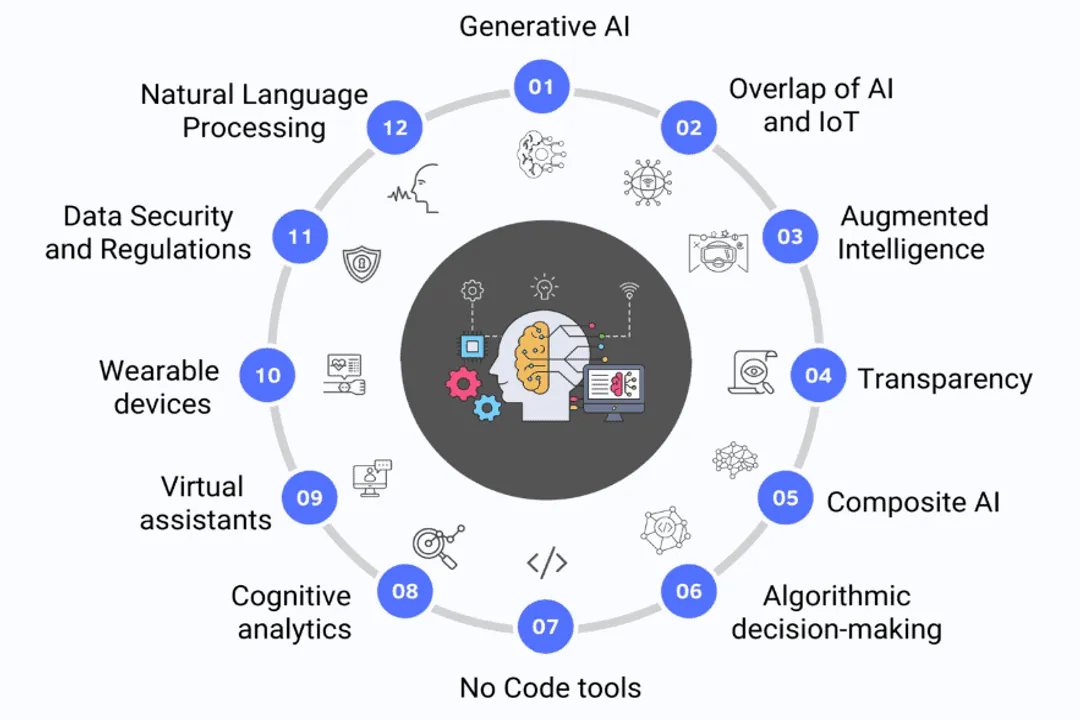
As generative technologies become embedded in business operations, roles focused on ethics, safety, and strategic deployment become vital. [3] These positions ensure that the power of generation is wielded responsibly and profitably.
# AI Ethicists and Governance Specialists
The AI Ethicist or Generative AI Governance Specialist addresses the inherent risks associated with generative systems, such as bias amplification, copyright concerns, and the potential for misuse. [3] Their role is crucial because generative models can inherit and scale biases present in their training data. [3] They establish guidelines, perform audits on model outputs, and work to implement technical safeguards like watermarking or output filtering. [3]
# AI Product Managers
The AI Product Manager bridges the gap between technical development and business needs. [2] For a generative product—say, an AI-powered drafting tool for architects—this manager defines the feature roadmap, prioritizes development based on market feedback, and ensures the product delivers measurable business value while adhering to ethical and legal standards set by governance teams. [2]
This cross-industry necessity for oversight is something often overlooked in the initial excitement over capability. When a company deploys a generative tool for customer service summaries, for instance, they need someone tracking the accuracy rate of those summaries against human-written ones to ensure the efficiency gain isn't costing them customer trust. A good product manager in this space treats output fidelity as a core KPI, not just a technical metric.

# Cross-Disciplinary Skill Convergence
Observing the array of roles—from the engineer constraining a bracket to the prompt engineer refining a sentence—reveals a critical shift in professional expectation. The common thread is moving away from manual creation toward intent definition and curation.
It seems the primary professional evolution required in any generative discipline is the transition from being a primary Creator to becoming an expert Director and Curator. [4] In the traditional design world, the skill was in executing the perfect line or brushstroke; now, the skill is in defining the rules of perfection so precisely that the machine can generate thousands of perfect options, and then possessing the seasoned judgment to select the one that matters. [4] This requires both deep domain knowledge (engineering for the specialist, brand voice for the content creator) and a new type of fluency in interacting with computational systems.
For instance, a traditional graphic designer might spend eight hours perfecting a three-image social media set. A generative-focused counterpart, using similar underlying AI mechanisms as the engineering specialist, might spend two hours crafting a hyper-specific prompt and environment setup to generate one hundred concepts, and then spend the remaining six hours meticulously selecting, refining, and legally vetting the top five concepts for final delivery. [7] The time reallocation is profound.
# Upskilling Pathways
For professionals looking to secure a role in this evolving ecosystem, whether in the physical or digital domain, a focused upskilling strategy is essential. Here is a distilled action plan:
- Master Domain Constraints: If you are an engineer, deeply study topology optimization software and failure modes. [5] If you are a writer, study the specific jargon and syntax that unlocks advanced capabilities in leading LLMs. [3] Do not ignore your core field; augment it.
- Learn the Language of Models: Gain proficiency in the scripting or API interaction necessary to move beyond simple graphical user interfaces (GUIs). Understanding how to call a generative API, even at a basic level, bridges the gap between user and developer. [6]
- Embrace Iteration Metrics: Establish ways to objectively measure the quality of generated output relevant to your field. For content, track factual correctness or tone adherence. For design, track material usage or stress test results. [9] Objectivity reduces reliance on subjective opinion, which is key when generation scales rapidly.
- Study Governance Failures: Actively read case studies on AI bias, model hallucinations, or flawed generative designs that caused issues. [3] Understanding why things break is as important as knowing how to build them when the stakes are high.
These generative roles, spanning the technical creation of models, the strategic management of their deployment, and the specialized application in fields like engineering optimization, represent a fundamental shift in how value is created through design and content production. [1][2][5] The unifying factor is the need for human expertise to act as the intelligent filter and director for algorithmic power. [4][7]
Related Questions
#Citations
7 Generative AI Roles and How to Get Started | Coursera
Generative AI Jobs 2025: New Roles, Skills & Opportunities | Tredence
12 New Jobs For The Generative AI Era | Bernard Marr
What is the Difference Between a Generative Design Specialist and ...
Generative Design 101 - Formlabs
10+ New Jobs in The Generative AI Era - Analytics Vidhya
How GenAI Is Transforming Creative and Technical Jobs
What UX competencies in a Generative AI world could look like
What is Generative Design | Tools Software - Autodesk
What are the skills required for AI, ML, and Gen AI roles?