What roles exist in climate satellite operations?
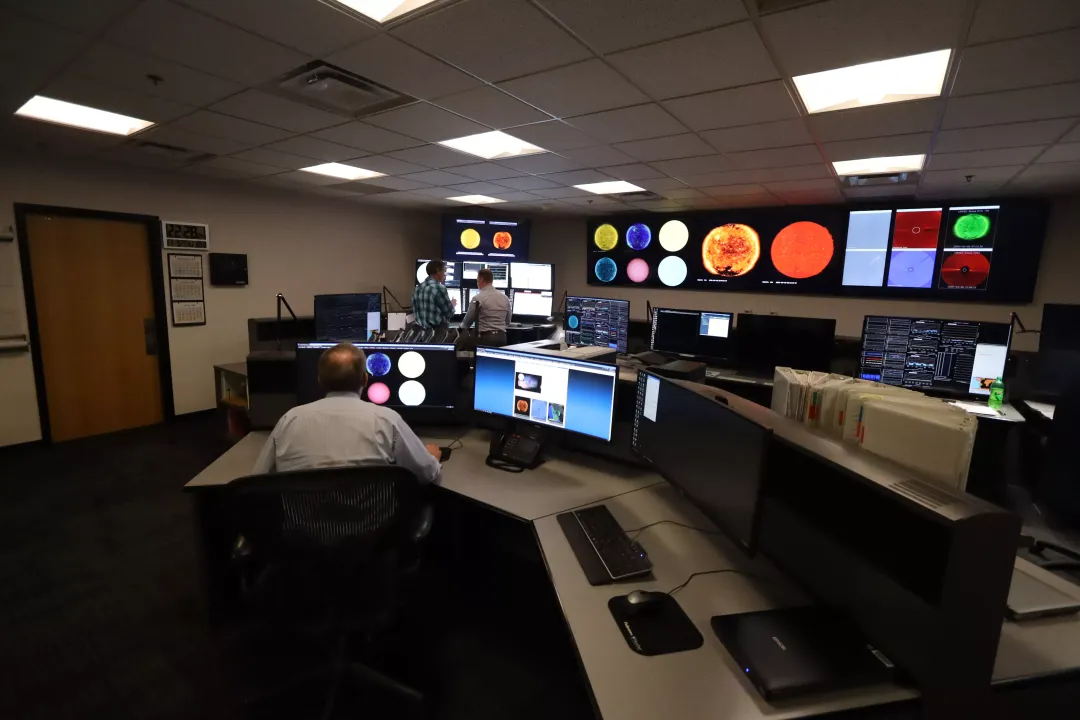
The operation of climate-monitoring satellites is a vast, intricate ecosystem involving far more specialized roles than simply launching hardware into orbit. These roles ensure that the continuous stream of data required to understand our planet’s changing systems—from ice melt to atmospheric composition—is reliably collected, processed, and delivered to the scientists and policymakers who need it. [2][5] The complexity arises because a climate satellite mission isn't just about taking pictures; it’s about maintaining a highly complex instrument operating millions of miles away, 24 hours a day, for years or even decades.
# Flight Control
The most immediate and mission-critical roles revolve around keeping the satellite healthy and pointed correctly. This area often requires a 24/7 presence at ground stations, frequently involving shift work. Personnel here are responsible for monitoring the satellite’s telemetry—the real-time data stream reporting on every internal component's status. [1]
Roles within flight control include Telemetry Analysts who watch for subtle deviations in temperature, power draw, or subsystem performance. If an unexpected spike occurs, these analysts must quickly diagnose whether it’s a transient glitch or the first sign of hardware failure, often necessitating the immediate execution of pre-planned emergency procedures or the development of a new command sequence on the fly. [1] A key subset here is Payload Operations Specialists. While flight control keeps the bus alive, these specialists are responsible for commanding the actual scientific instruments—the payload—ensuring they are correctly pointed, calibrated, and acquiring the necessary data passes over specific regions of the Earth. [1]
Contrast this high-pressure, immediate response environment with the work of Ground Station Operators. Their domain is ensuring the physical link between Earth and the satellite remains open and clear. They manage the massive dish antennas, coordinate the communication windows, and ensure the raw data packets are correctly received and forwarded to the mission centers. [1] This requires deep understanding of radio frequency engineering and orbital mechanics to predict when and how signals will be received, irrespective of the scientific content being transmitted.
# Data Pipelines
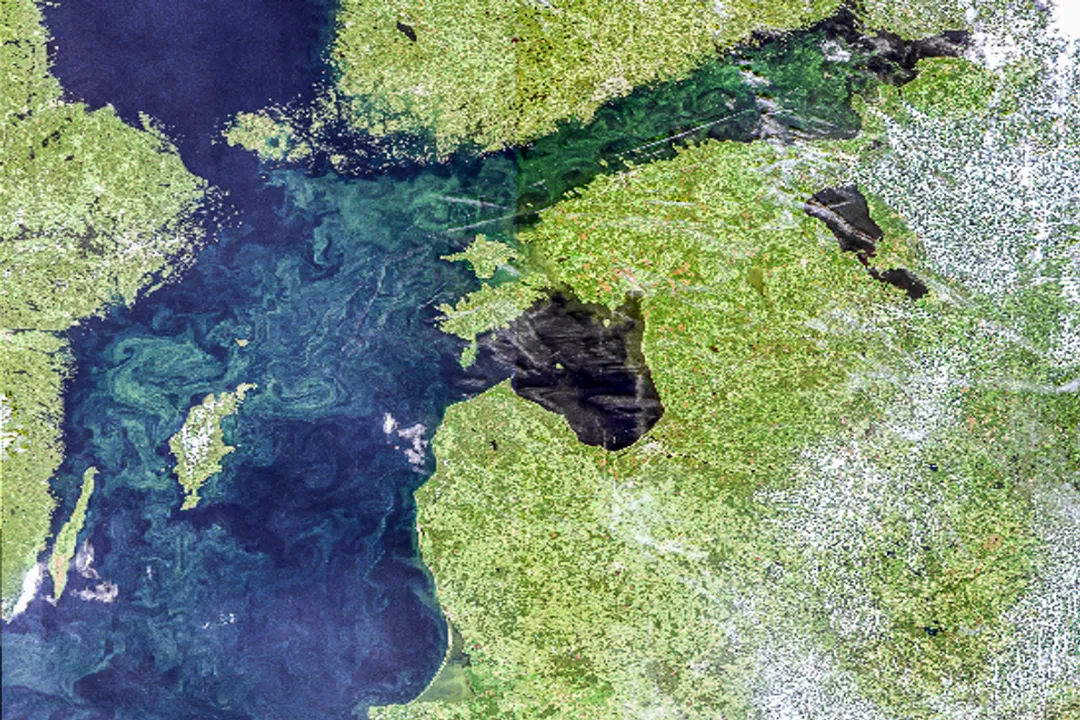
Once the raw data signal is successfully received on the ground, a whole new set of roles takes over to transform those bits into actionable climate intelligence. This is where the distinction between general communications satellites and climate observation missions becomes stark. Climate data requires rigorous calibration and validation before it can be used to inform policy or climate models. [8]
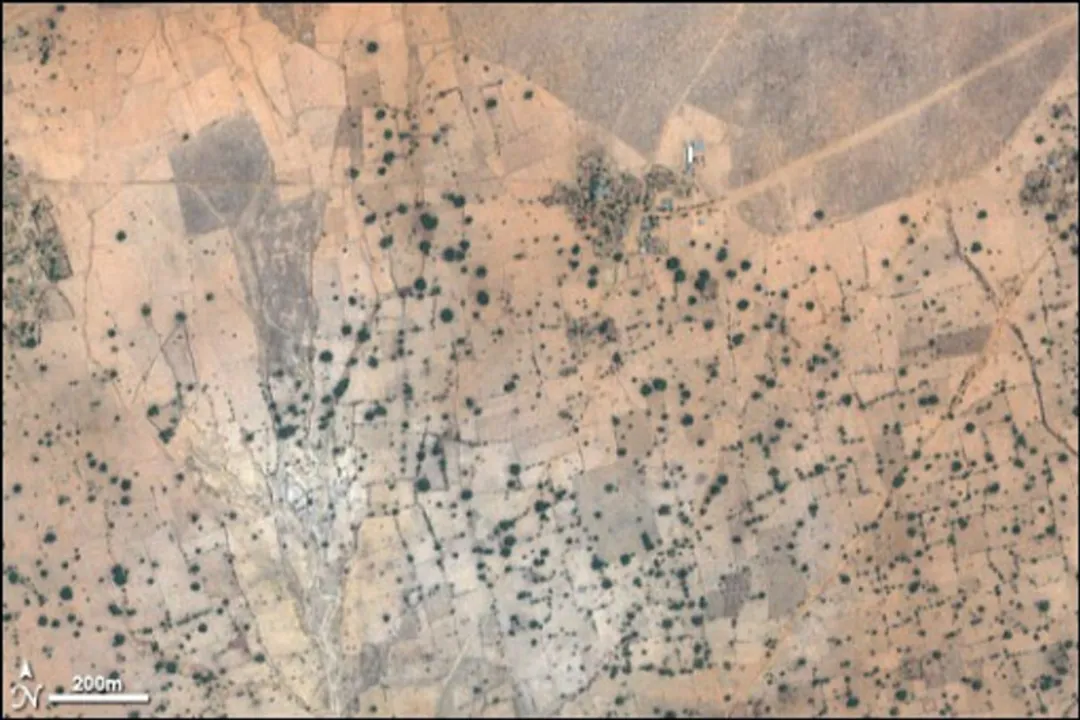
Data Processing Engineers are essential for refining the raw downlink. A satellite sensor might record infrared radiation intensity, but an engineer must apply precise atmospheric correction algorithms, account for sensor degradation over time, and convert that intensity into a meaningful geophysical variable, such as sea surface temperature or the concentration of a specific greenhouse gas. [3] This is a highly specialized mathematical and computational task.
Following processing comes the crucial step of Data Dissemination and Application. Missions, especially large programs like Copernicus managed by EUMETSAT, focus heavily on making this complex data accessible to a wide user base, which might include meteorologists, oceanographers, or agricultural planners. [10] This requires Application Scientists or User Support Specialists who understand the end-user requirements. They bridge the gap between the technical specifications of the data products and the practical needs of decision-makers, ensuring the data can actually inform decisions, as new climate satellite missions are specifically aimed at achieving this connection. [4] Furthermore, the architecture for distributing these massive datasets often requires roles in cloud computing and high-throughput data streaming, making IT expertise fundamental to modern climate operations. [6]
# Mission Architecture

Beyond the day-to-day running of an active satellite, significant roles exist in defining, planning, and architecting the entire observing system. The World Meteorological Organization (WMO) emphasizes the need for clear strategy and architecture for global climate monitoring from space, highlighting the need for coordination across national and international boundaries. [9]
Mission Scientists or Instrument Specialists work years in advance, defining what observations are needed to track specific climate indicators—like changes in the Greenland ice sheet or atmospheric aerosol load—and translating those needs into hardware specifications for future satellites. [5] These roles involve significant trade-offs between sensor capability, cost, and orbital constraints.
Systems Engineers and Program Managers synthesize all these requirements. A systems engineer focuses on how the satellite (the space segment) interacts with the ground stations, the processing centers, and the end-user systems (the ground segment). [1] They are tasked with ensuring that the entire chain functions as a unified climate-monitoring entity, often dealing with multi-decade commitments. A program manager, on the other hand, shepherds the entire effort, balancing budgets, timelines, and political commitments necessary to launch and sustain long-term climate records. [1]
# Environmental Protection

A unique operational domain within satellite work, especially critical for long-term climate data continuity, involves protecting the assets from the space environment itself. Satellites are constantly bombarded by charged particles and radiation, which can degrade sensors or cause internal electronic failures. [7]
Space Weather Forecasters and Mitigation Specialists, like those at NOAA’s NESDIS, focus heavily on this danger. They constantly monitor solar activity and the geospace environment to predict potential solar flares or coronal mass ejections that could disrupt operations or damage onboard systems. [7] When a threat is imminent, these specialists must advise flight controllers on how to maneuver the spacecraft or place sensitive instruments into a "safe mode" until the storm passes, thereby safeguarding the continuity of the climate record. [7]
It is striking to observe the specialized requirement in climate monitoring: while a commercial communication satellite might focus on maximizing throughput during a benign period, a climate satellite operator must sometimes sacrifice a data collection opportunity—perhaps forfeiting a crucial pass over a polar region—in order to execute a necessary survival maneuver dictated by a space weather alert. [7] This tension between data acquisition and asset protection requires a nuanced decision-making process that merges atmospheric physics with operational engineering. Furthermore, understanding the impact of atmospheric drag caused by solar heating fluctuations on the satellite’s orbit itself is a continuous engineering task, essential for ensuring the satellite remains precisely positioned to measure what it is intended to measure. [1]
The personnel involved in climate satellite operations are therefore not just engineers; they are a combination of highly skilled technicians, theoretical physicists, data architects, and international program coordinators, all working to maintain an unbroken view of our changing home planet.
Related Questions
#Citations
Careers in Satellite Operations and Maintenance: Ensuring Effective ...
Weather and Atmospheric Dynamics Relevant Missions
How Satellites Help Tackle Climate Change | Earth.Org
How New Climate Satellite Missions Aim to Bridge the Gap Between ...
How Do Satellites Help Us Track Climate Change?
The emission missions | EUMETSAT
How NOAA Monitors Space Weather to Prevent Disruptions | NESDIS
How Satellites Can Help Win the Climate Fight | Yale Insights
A Strategy for an Architecture for Climate Monitoring from Space
EUMETSAT expands its contribution to Copernicus through five new ...