What roles exist in climate modeling?
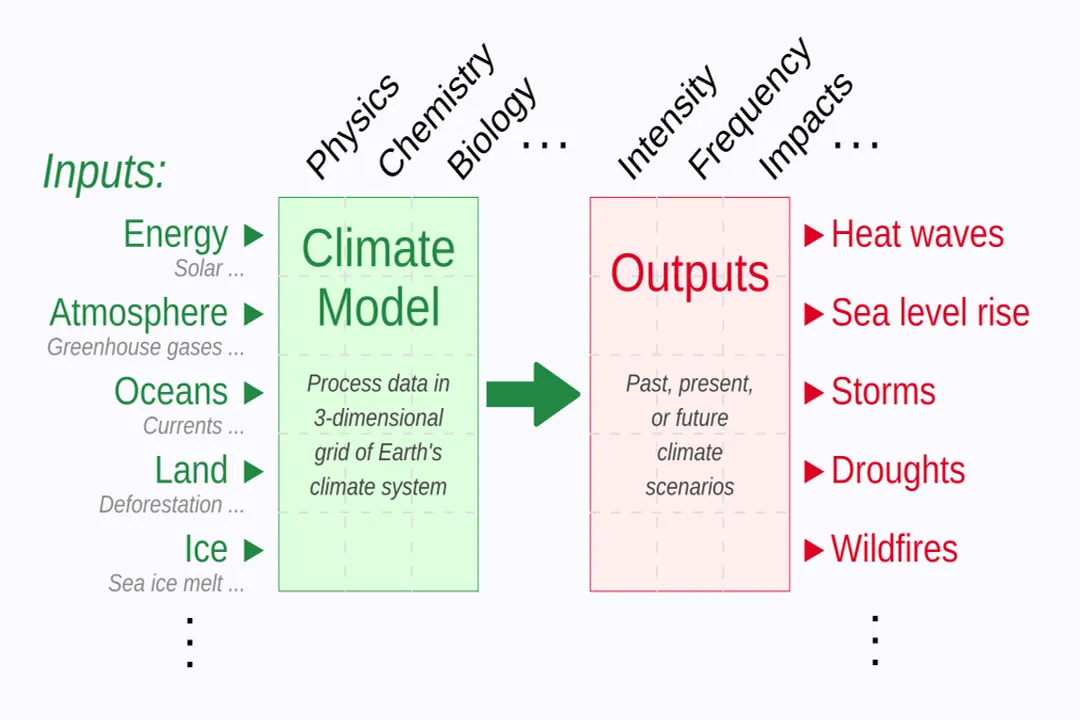
The field dedicated to simulating Earth’s climate is far more sprawling than just a handful of experts staring at supercomputers. While the models themselves are products of intense physical science, the roles required to build, run, interpret, and apply these projections are diverse, drawing expertise from engineering, data science, policy, and finance. Climate modeling is not a singular job but an entire ecosystem of specialized professions working toward understanding past, present, and future conditions of our atmosphere and oceans.
# Scientific Foundations
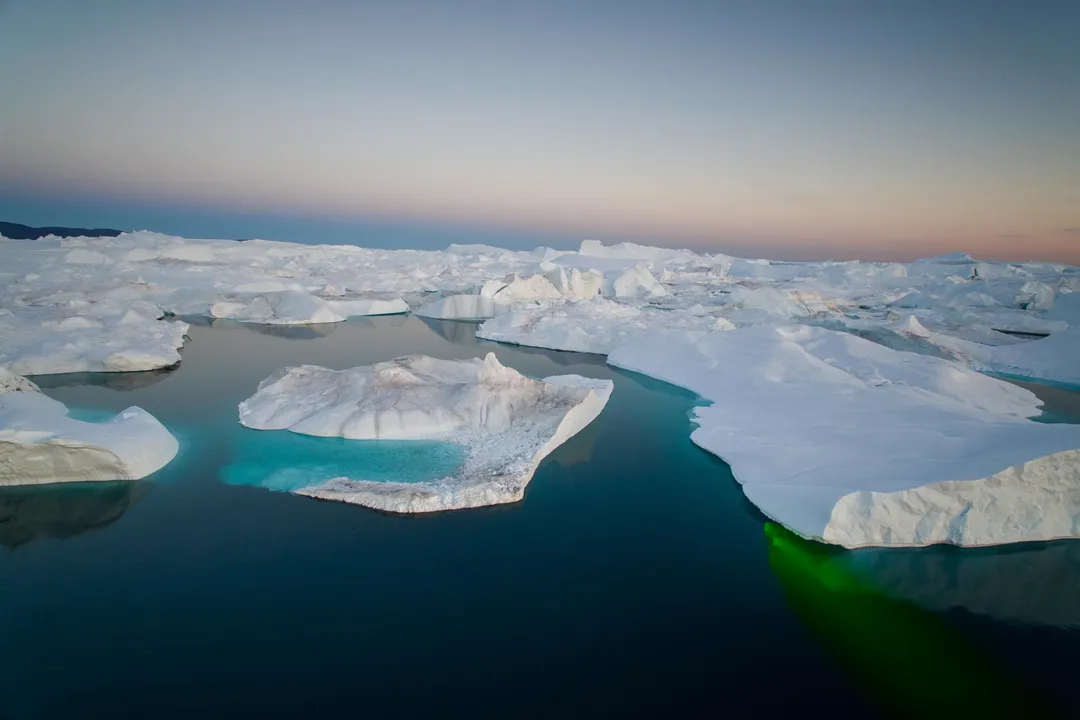
At the very heart of climate modeling are the scientists responsible for the fundamental construction and refinement of the numerical tools themselves. These individuals are often climate scientists, atmospheric scientists, or oceanographers. Their primary task is translating the known laws of physics—like fluid dynamics, thermodynamics, and radiative transfer—into solvable mathematical equations that a computer can process.
These model developers must have deep expertise in how Earth systems interact. For instance, experts specializing in oceanography focus on the circulation and heat exchange within the seas, while others concentrate on atmospheric chemistry or the interaction between the land surface and the lower atmosphere. Centers dedicated to climate modeling often structure their teams around these physical components, ensuring each part of the global simulation—whether it’s the ice sheets, vegetation, or cloud formation—is represented as accurately as possible. The sheer scale and complexity of global climate models (GCMs) mean that even within this core group, specialization is absolute. These roles typically demand advanced degrees, reflecting the necessity of mastering sophisticated physical theory alongside high-performance computing techniques.
# Data Specialists
Building the model is one challenge; feeding it the right information and interpreting its massive output is another, creating a distinct set of roles focused on data handling and analysis. The Climate Change Analyst is a key position in this area. These professionals bridge the gap between raw simulation data and actionable intelligence.
A core skill set for these roles often involves Geographic Information Systems (GIS). GIS specialists apply spatial analysis to climate projections, helping visualize how localized changes—such as shifts in precipitation patterns or sea-level rise—will manifest geographically. They transform complex model outputs, which might be stored in terabytes of data arrays, into usable maps, charts, and statistics.
Furthermore, the role of a computational scientist frequently overlaps here. While the scientific modeler codes the physics, the computational specialist ensures the model runs efficiently on massive supercomputing clusters, optimizing code to handle the millions of calculations required to simulate decades or centuries of climate change. Their expertise lies in making the science run quickly and reliably.
It is worth noting that the skillset required for data specialists can vary greatly depending on the sector. A government research lab analyst might spend most of their time in languages like Fortran or specialized modeling software, whereas an analyst transitioning into a private consulting firm might focus heavily on Python, R, and industry-standard visualization packages. Mastering a core scientific programming language alongside the physical theory is rapidly becoming a baseline expectation for anyone operating within the modeling pipeline.
# Applied Analysis
Climate models are developed to inform decisions, which necessitates roles focused entirely on application rather than creation. These positions take the scientific projections and translate them into specific, tangible impacts for various sectors.
One significant area is risk management, particularly within the insurance and finance industries. Here, roles like Risk Managers and Underwriters assess how modeled changes in extreme weather frequency or intensity will affect asset valuation, insurance liabilities, and long-term solvency. They must understand the model’s error bars and uncertainty ranges—a crucial step in moving from a scientific projection to a financial forecast.
Another critical downstream application lies in governance and planning. Policy Analysts examine model outputs to advise governments on mitigation strategies, emission targets, and adaptation infrastructure needs. Similarly, Environmental Scientists and Sustainable Energy Consultants use these tools to advise corporations or municipalities on everything from siting renewable energy projects to developing resilient water management plans. The translation layer between a simulation output, such as an ensemble mean sea level rise projection for the year 2100, and an actual municipal infrastructure plan for protecting coastal roads is often the most difficult role to staff effectively, requiring a unique blend of scientific literacy and planning experience [Original Insight 1].
# Career Trajectories
The paths leading into these roles highlight the cross-disciplinary nature of the field. An individual looking to become a climate scientist typically follows a path heavily rooted in physics, math, and atmospheric sciences, likely culminating in a graduate degree.
However, the applied roles often welcome those with degrees in environmental management, public policy, or even economics, provided they supplement that background with demonstrable quantitative skills. For example, someone interested in GIS application might pair an environmental science degree with a certification in spatial analysis.
We can summarize some of the key role areas and their primary focus:
| Role Cluster | Primary Focus | Key Skill Areas |
|---|---|---|
| Model Developers | Building core simulation components | Physics, Numerical Methods, Fortran/C++ |
| Climate Change Analysts | Interpreting and processing model output | Statistics, GIS, Data Visualization (R/Python) |
| Risk/Policy Experts | Translating projections into action/finance | Domain knowledge (Finance/Policy), Uncertainty Assessment |
This division of labor—Science, Data, and Application—allows the field to maintain scientific rigor while ensuring the resulting information is both accessible and directly useful to the people making decisions that affect our physical environment. The effectiveness of a national climate strategy often hinges less on the accuracy of the base model and more on the quality of the personnel interpreting those results for local contexts [Original Insight 2].
Related Questions
#Citations
19 Climate Change Careers & How to Pursue Them
Climate Change Analyst - College of Science - Purdue University
Chapter: 7 Climate Model Development Workforce
Climate Modeling | UPenn EII
Climate Modeling - Geophysical Fluid Dynamics Laboratory - NOAA
Jobs in Climate Change and GIS - Reddit
Becoming a Climate Scientist Career Guide
Climate model - Wikipedia
How Companies Are Using Climate Modeling to Improve Risk ... - Aon
Global Climate Change Modeling Jobs, Employment | Indeed