What roles exist in additive manufacturing materials?

The advent of additive manufacturing (AM), commonly known as 3D printing, has done more than just shift production methods; it has fundamentally redefined the technical expertise required to bring parts from concept to reality. While the ability to operate a machine or design a model is essential, the true frontier of innovation—and thus, the most specialized roles—lies within the materials that make these processes possible. The growing adoption of AM across demanding sectors like aerospace, medical devices, and energy means that professionals focusing on the composition, preparation, testing, and integration of these exotic materials are becoming indispensable.
# Materials Scientist
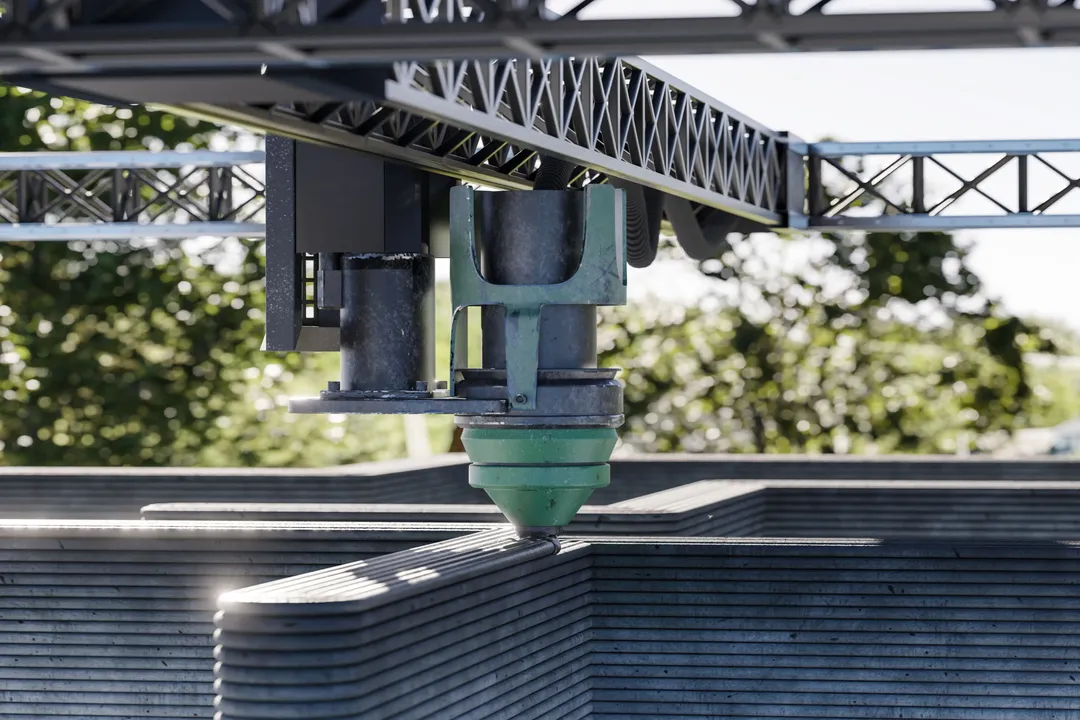
At the forefront of material development within AM are Materials Scientists. Their primary domain is the creation and validation of feedstocks, whether they be metal powders, photopolymer resins, or advanced composite filaments. These scientists are tasked with extensive research to engineer novel materials specifically suited for additive fabrication. [2] Historically, using certain advanced materials in manufacturing, such as specific high-temperature alloys, presented significant processing hurdles and prohibitive costs. Additive manufacturing, however, resolves many of these issues, making previously inaccessible materials like gamma titanium aluminides or high-strength aluminum variants now printable. [2]
A Materials Scientist’s responsibilities extend far beyond simple formulation. A critical part of the job is rigorous material property testing. [2] This involves subjecting printed samples to various experiments to ascertain their strength, durability, flexibility, and performance under specific operational stresses. [2] This data is vital because the material’s behavior during the layer-by-layer build process often dictates the final part characteristics—a crucial difference from traditional, bulk material processing. [5] Their analytical skills, which involve interpreting complex experimental data, help determine which materials are optimal for a specific AM job, ensuring the final component meets its required industry standards. [2] This specialization is paramount in industries like the medical field, where biocompatible materials must be validated for use in orthopedic implants or surgical tools. [7]
# Research Development

The Research and Development (R&D) Engineer often works hand-in-hand with the Materials Scientist, focusing specifically on the process side of material innovation in AM. [3] While a scientist might focus on the chemistry or metallurgy of the feedstock, the R&D engineer investigates how that material interacts with the specific energy source—be it laser, electron beam, or binder jetting—to achieve superior results. [3]
These engineers drive the evolution of the entire field by developing new techniques or improving existing ones based on material performance. [3] For instance, they might design new methods for printing complex geometries using novel metal powders or conduct experiments to understand how specific processing parameters affect the microstructure of a nickel-based superalloy used in aerospace components. [2][3] The alliance for the Development of Additive Processing Technologies, for example, focuses its scientific methods on optimizing the 3D printing of metal, using data informatics to predict which combination of material and process yields the desired physical properties. [3] This function ensures that AM remains a viable, evolving technology, moving beyond prototyping into high-performance, end-use production. [7]
# Process Integration Roles
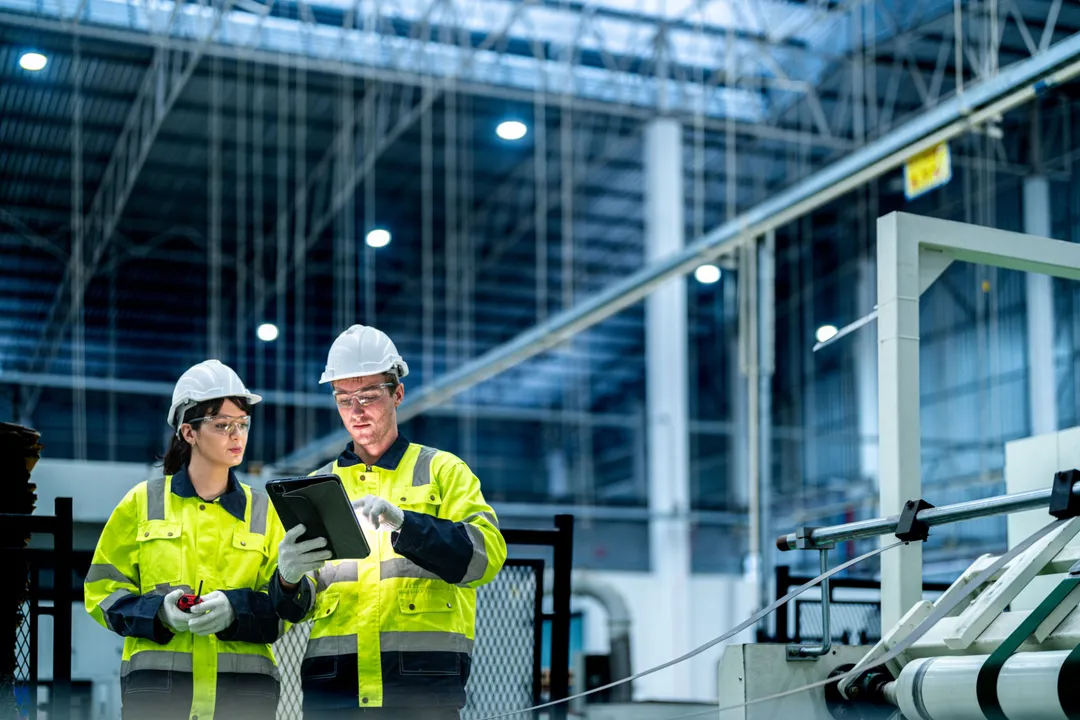
The transition from a research finding to a reliable production process is managed by roles that demand expertise across design, technology, and material science.
# Additive Manufacturing Engineer
The Additive Manufacturing Engineer sits at the intersection of design and material application. This role requires a deep, integrated knowledge of both the printing technology and the materials being used. [2] Their daily work involves designing and perfecting the processes that convert a digital file into a physical object. [2] A central tenet of their work is applying Design for Additive Manufacturing (DfAM) principles, which requires intimate knowledge of material limitations—such as thermal expansion in metals or cure rates in resins—to optimize the component design for success. [2] They might be tasked with developing the most efficient path to shape a specific material, like a corrosion-resistant metal alloy for an energy sector application or a thermoplastic for a lightweight automotive part. [6][2]
# Application Engineer
The Application Engineer acts as a crucial feedback loop, connecting customer needs with the internal R&D and engineering teams. [3] When a client in the automotive or medical industry requires a part with specific durability, flexibility, or aesthetic properties—which directly translates to material selection—the Application Engineer translates that requirement into actionable technical specifications. [2][7] They customize applications by adapting software and hardware configurations, often needing to know which material system is best suited to meet the client's performance envelope. [2]
It is interesting to note how this material knowledge creates a specialization divide: an Application Engineer supporting the dental sector, which relies heavily on durable resins and polymers, will likely focus on SLA or DLP material parameters, while one supporting aerospace might focus exclusively on powder bed fusion for metal alloys like titanium. [6][7]
# Quality and Qualification
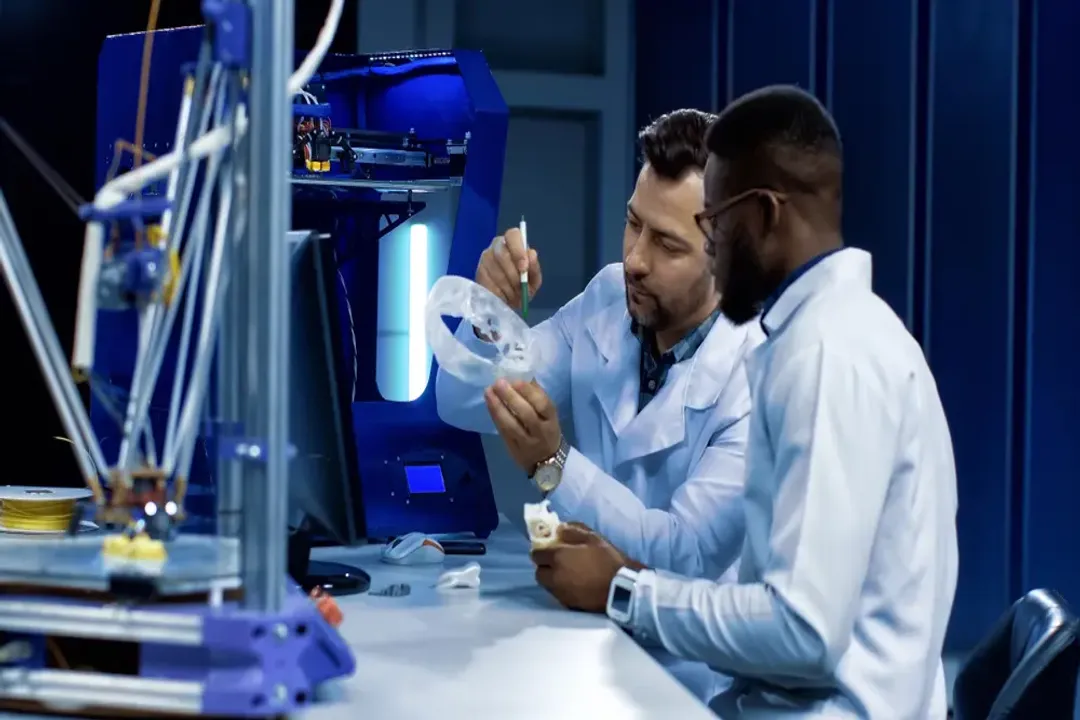
A material’s success in an industrial setting is not just about achieving the design geometry; it is about repeatability, consistency, and certifying that the final product possesses the intended properties.
# Quality Assurance Specialist
Quality Assurance Specialists in AM are tasked with ensuring that every part meets stringent industry and design standards. [2] While this involves inspecting final components, their material-focused work begins much earlier. They help establish the quality assurance plans that govern material handling, machine calibration settings specific to the chosen material batch, and post-processing protocols. [2] Their meticulous inspection checks for deviations that might arise from material inconsistencies, such as porosity in metal prints or warping in polymer prints. [2]
# Technician Knowledge
Even roles centered on hands-on execution, like the 3D Printing Technician, require specific material knowledge. [2] A technician must be capable of setting up, monitoring, and troubleshooting the machine based on the exact material loaded. [2][4] For example, the required energy input, layer thickness, support structure generation, and required environmental controls (like inert gas atmosphere for reactive metal powders) change drastically between a standard FDM thermoplastic and a Selective Laser Sintering (SLS) polymer. [2][4] Their ability to diagnose print failures often hinges on correctly identifying whether the error stems from machine malfunction or incorrect material parameter input for the feedstock in use. [5]
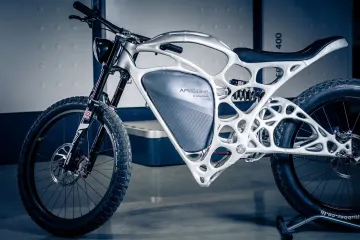
# Material Categories Driving Roles
The variety of roles is directly proportional to the variety of materials AM can process. While the inaccessible sources likely detail the materials more deeply, the available information confirms several key categories that necessitate specialized material-focused roles:
- Metals: Crucial for high-strength, high-temperature applications in Energy and Aerospace, these require roles focused on powder metallurgy, particle characterization, and handling corrosion-resistant alloys. [6][7]
- Polymers/Resins: Used widely in prototyping, tooling, and end-use parts in industries like Footwear and Medical. [6][7] Roles here focus on photopolymer chemistry, thermal curing profiles, and biocompatibility testing. [7]
- Composites/Advanced Materials: The introduction of materials like carbon fiber-reinforced polymers or specialized ceramic-polymer blends creates a need for experts who understand anisotropic material behavior—how strength differs depending on the build direction. [7]
A key technical skill cited for any professional in this space is a Knowledge of Additive Materials and Processes, which explicitly includes an understanding of the properties and limitations of metals, polymers, and ceramics to make vital design and manufacturing decisions. [4]
This specialization in feedstock implies a growing organizational need for Material Qualification Engineers. While not explicitly named in the highest-ranking lists, this role would be responsible for taking a new third-party material—say, a new composite filament or a custom metal powder blend—and developing the complete process map, testing regime, and quality documentation package necessary for its acceptance into production. [3]
The expectation for continuous learning is very high across all these material-facing positions. [4] As materials evolve rapidly—from new binders in binder jetting to advanced photopolymers—the professionals managing them must constantly update their knowledge to ensure their company's skill sets remain current and relevant to the cutting edge of manufacturing capability. [3][4] The expertise needed to select a material for a functional prototype is significantly different from the expertise required to qualify that same material for an end-use, flight-critical component, highlighting the depth required in these roles. [6][7]
Related Questions
#Citations
What careers can engineers and scientists pursue in additive ...
Additive Manufacturing Roles - The DAVIS Companies
The Top 15 Additive Manufacturing Jobs to Explore - Ebeam Machine
Careers where you use additive manufacturing : r/AskEngineers
3D Printing and Its Impact on Manufacturing Careers
Top Seven Industries for Additive Manufacturing Applications
5 Unstoppable Industries Using Additive Manufacturing - Stratasys