What Is Career Mobility?
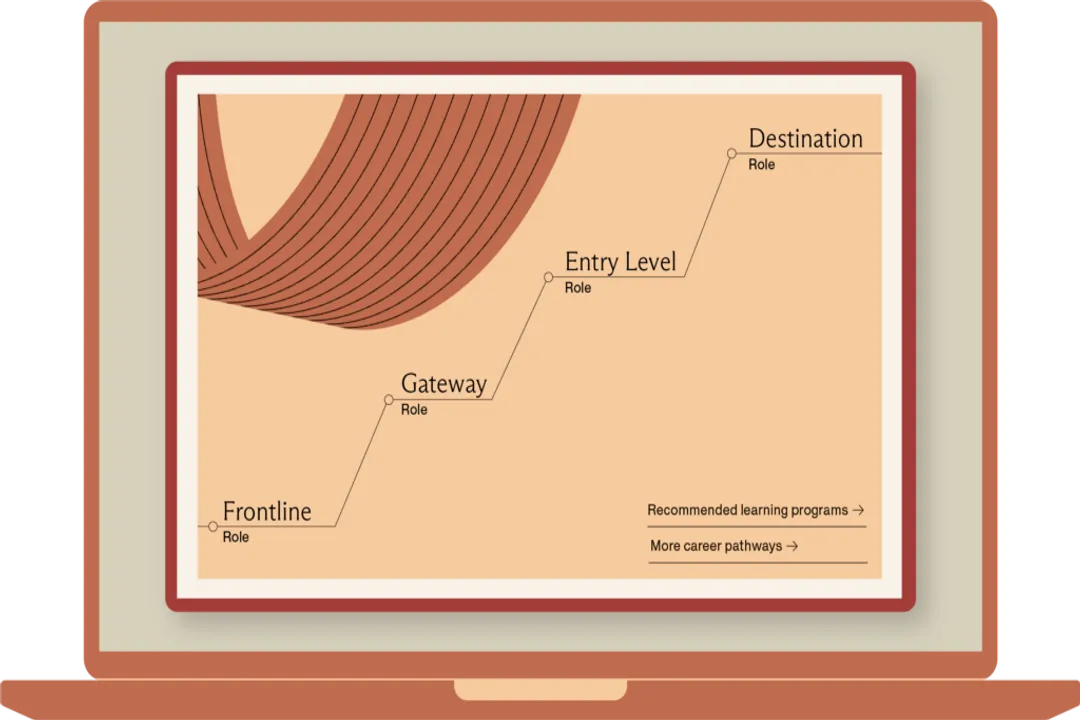
The concept of career mobility signifies a fundamental shift in how individuals and organizations view professional progression. It is no longer about rigidly ascending a singular career ladder; rather, it is the planned, organized movement of employees into new roles, occupations, or acquiring different responsibilities within their existing position. [1][2][5][10] For employees, this movement is about making their lives better—whether through increased wages, new opportunities, or simply finding a role that better aligns with their developing strengths and interests. [4] For businesses, it represents a vital strategy to maintain a current, engaged, and adaptable workforce. [2][5]
When companies fail to cultivate this movement, they risk stagnation for their valued staff and significant financial loss. In the current competitive labor market, where opportunities abound, a lack of internal career mobility is frequently cited as a primary driver for high-performing employees to seek employment elsewhere. [3][6] The decision to stay or go often hinges on the perceived existence of a future within the current organization. [4][9] Understanding the breadth of mobility—and putting actionable structures in place—is now central to effective talent management. [3][4]
# Movement Types

Career mobility encompasses a spectrum of transitions, moving beyond simple promotion. It can be categorized based on the direction and scope of the change within the organizational structure. [6][10]
Vertical Mobility is the most traditional view, involving movement up the hierarchy, resulting in promotions, increased authority, and greater responsibilities. [6][10] Conversely, Downward Mobility is a shift to a lower-level role, which may occur due to organizational changes or personal choice, and is also considered a form of mobility. [10]
The lateral shift is often where organizations see untapped potential. Horizontal or Lateral Mobility involves moving sideways into a different role, often at a similar job level or pay grade. [2][9][10] The primary benefit here is broadening expertise and gaining exposure to different facets of the business without necessarily climbing the management ladder. [6] For example, a retail cashier transitioning to an HR coordinator role is a clear lateral move that provides fresh operational context to an administrative function. [4]
More complex transitions include:
- Diagonal Mobility: This blends elements of both vertical and horizontal movement. An employee transitions to a role that might not be ranked strictly higher but offers a significantly broader scope of responsibilities or leads to a distinct new career trajectory. [6]
- Hybrid Mobility: This often involves a simultaneous change in job level and function, perhaps stepping down a level into a new department to acquire a specific functional skill set needed for a longer-term development plan. [9][10]
- Role Development: This focuses on enhancing skills and responsibilities within the confines of the existing position, preparing the employee for future movement. [4][5]
Mobility can also be defined by its location. Internal Mobility is movement within the same company, which is often the primary focus for retention efforts. [4][10] External Mobility is the transition to a new role outside the current employer, which may involve a promotion, industry change, or entrepreneurship. [6][10] For true organizational agility, even short-term Project-Based or Temporary Mobility assignments are useful for cross-pollinating knowledge. [10] It is important to distinguish this from skill mobility, which focuses on the adaptability of how skills are applied, even if the job title remains unchanged. [10]
# Organizational Imperative
For employers, investing in internal career mobility is not a perk; it is a core component of a sustainable talent strategy, reinforcing both attraction and retention efforts. [3][4][9] The immediate financial incentive is substantial: voluntary employee turnover costs U.S. businesses approximately a trillion dollars annually. [3] Replacing an employee can cost the business around 20% of that person’s prior annual salary in recruiting, hiring, and onboarding expenses. [2] Furthermore, Gartner estimates that failing to develop current staff can cost an average-sized organization around $49 million annually in lost productivity and recruitment overhead. [3]
This suggests that the cost of inaction far outweighs the investment in development programs. Where a company successfully offers internal mobility, they benefit from reduced time-to-hire and lower acquisition costs because they fill in-demand roles with talent they already know and trust. [3][5] Internal hires are also known to adapt more quickly since they already possess institutional knowledge of the company’s systems and culture. [10]
Beyond cost avoidance, mobility builds a more capable workforce. Employees who transition into diverse roles gain experience in different functional areas, broadening their knowledge and competencies. [5][9] This results in a more versatile team, better equipped to meet evolving business demands and supporting better succession planning for leadership gaps. [5] When done effectively, mobility also mitigates the detrimental practice of talent hoarding, where managers obstruct the movement of high performers to other areas, which is often a sign of an organization that is slow to adapt. [9]

# Employee Value Proposition
The benefits for the employee directly feed back into organizational success through enhanced engagement and loyalty. [2] When employees see a clear path forward, they can envision an extended career with the firm, which significantly increases their job satisfaction. [2][3] This sense of future potential is a key factor in making younger workers, who are generally less willing to commit long-term, decide to stay. [9]
For the individual, career mobility delivers several personal advantages:
- Growth and Skill Acquisition: Employees are afforded opportunities to upskill, gain new responsibilities, and build a richer resume. [2][5]
- Financial Upside: Internal advancement frequently leads to pay increases comparable to or better than what a new external role might offer. [2][5]
- Alignment: Mobility allows professionals to align their work with their evolving personal interests and natural strengths, leading to greater daily motivation. [9][10]
- Stability and Experience: Employees maintain existing company benefits, and the breadth of experience gained across the organization hones strategic thinking abilities, preparing them for future leadership opportunities. [2][5][9]
When a company actively invests in the growth of its staff, it signals that its people are valued assets, fostering deep-seated loyalty that a competitor cannot easily tempt away with marginally better compensation alone. [3][9]
# Building the System
A successful career mobility framework requires intentional design rather than relying on informal processes. [3][8] This initiative must be treated as a strategic operation, not just an HR function, though HR often leads the building process. [4][5]
The foundation must rest on data and clarity:
- Assess Current State: The first step involves mapping existing employee movement patterns. This requires analyzing internal hiring data, employee feedback, and existing program usage to identify where talent flows easily and where movement becomes blocked or where skills are consistently lacking for open roles. [10]
- Map Clear Pathways: Employees need a tangible vision of growth. Organizations must map out paths across functions and levels, explicitly detailing the required skills and experience needed to progress from a current role to a future destination role. [4][10] For example, mapping a path from a frontline operational role to a specialized data analyst position. [4]
- Align Learning with Goals: Training investment must be directly linked to these defined paths. Instead of general development, learning should focus on preparing employees for specific, achievable transitions or stretch roles. [10]
This structure is best supported by strong executive sponsorship. An executive leader should be made accountable for internal mobility, potentially measured against a clear metric, such as aiming for 50% of open roles to be filled by internal talent. [4]

# Cultivating the Environment
The best-designed pathways will fail if the company culture does not support their use. Creating a culture of opportunity means making internal recruiting the default mindset. [4]
Managers require specific training to become effective career enablers rather than gatekeepers. They need coaching skills to provide meaningful, KPI-based feedback and accurately assess an employee’s readiness for a new role, especially across functional lines. [5] Furthermore, leaders must be willing to release top talent to other departments, understanding that developing that person elsewhere benefits the organization as a whole. [9]
Investment in accessible learning is critical. One effective component is offering tuition assistance upfront, rather than tuition reimbursement. [4] This makes education accessible to employees who might not have the capital to pay out-of-pocket, which significantly boosts engagement among the largest segment of the workforce—frontline staff. [4] In fact, when both options are available, hourly employees have been found to be 5.4 times more likely to utilize tuition assistance than reimbursement programs. [4]
Finally, operationalizing support involves continuous communication and technological aids. Internal job openings, stretch assignments, and lateral moves must be highly visible through a central platform, removing the reliance on informal networking alone. [4][10] This visibility needs to be paired with frequent, scheduled career conversations—not just during the annual review—to embed mobility into the regular rhythm of work. [10] By making these pathways visible, accessible, and supported by managerial commitment, the organization ensures that career growth is perceived as an achievable reality, not just an aspiration. [8]
Career mobility, when intentionally structured, transforms the organization from a static structure into an agile system that continually develops and repositions its most valuable resource: its people. It is the mechanism that keeps skills current, pipelines full, and the most promising talent engaged for the long term. [4][10]
Related Questions
#Citations
What is Career Mobility? The Complete Guide for Employers [2024]
What is Career Mobility & Why It Matters? - Disprz
Career Mobility: The Key to Employee Retention | TriNet
What is Career Mobility? List of Benefits and Examples - Valamis
What is Career Mobility & Why It is Important? - Recruiters LineUp
Career Mobility - Harvard Human Resources
Career Mobility: Key to Attracting and Retaining Talent
What is "Career Mobility"? | HR Terms Glossary - TalentNeuron
How to Boost Employee Retention by Fostering Career Mobility
What is Career Mobility? Types, Benefits & Strategies - Cloud Assess