How do infrastructure-adjacent User Experience Design roles differ from traditional 2D design?
Answer
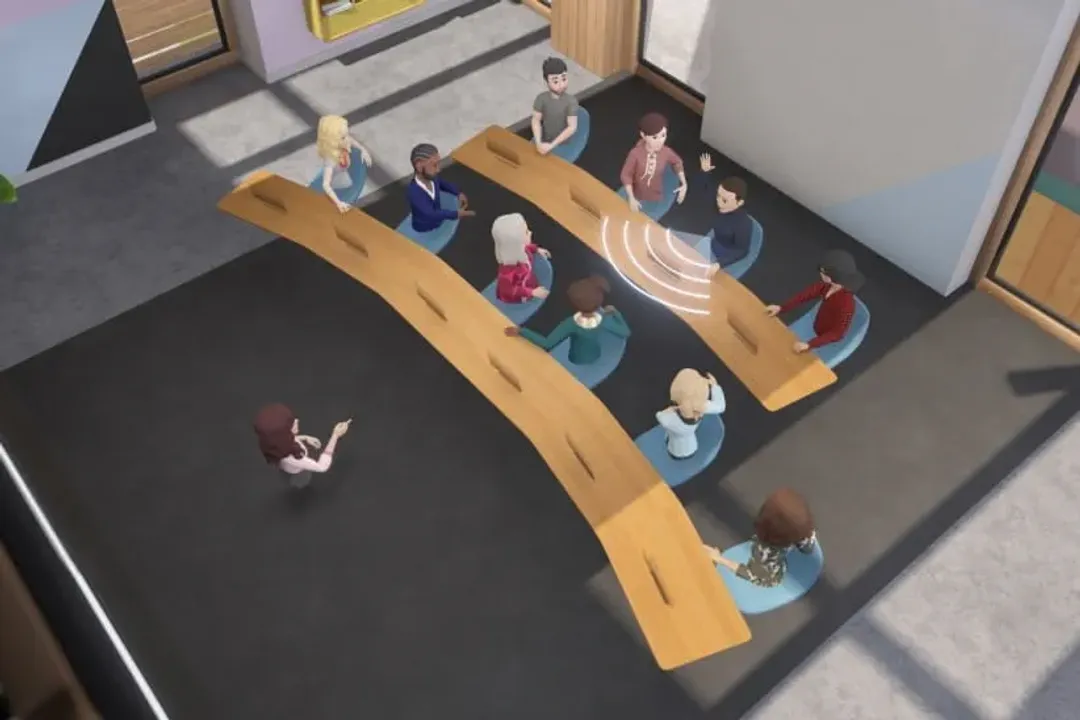
They involve creating the conventions of interaction, spatial information layering, and navigation systems
These specialized design roles bridge complex computing capabilities with human senses by designing intuitive conventions for gesturing, spatial information presentation, and headset navigation.
Related Questions
Which layer forms the lowest level of the metaverse tech stack according to one perspective?What specific advancements are required in the networking layer for managing real-time interaction for many concurrent users?What components are included in the platform layer of the metaverse tech stack?What is the primary goal achieved by establishing standards and protocols in the metaverse infrastructure?When contributing to open-source metaverse infrastructure, where does the work often focus?What programming expertise is often essential for roles involving the continued development and extension of core 3D engines?What technology is critical for infrastructure jobs focused on designing secure decentralized ledgers and governing asset ownership?How do infrastructure-adjacent User Experience Design roles differ from traditional 2D design?For a digital fashion designer working on metaverse infrastructure, what specialized concern goes beyond just creation?What is repeatedly cited as the single most important step for demonstrating competency when seeking a metaverse role?