What roles exist in urban mining?
The process of recovering valuable materials from discarded products and waste streams—often termed urban mining—creates a unique ecosystem of employment that mirrors, yet distinctly differs from, traditional extractive industries. While the ultimate goal remains the same—securing finite resources—the setting shifts from remote geological sites to metropolitan centers, demanding specialized skills in logistics, materials science, and regulatory navigation. [1][2][7] Understanding the landscape of urban mining means recognizing the diverse array of positions required to dismantle our discarded technology and infrastructure, transforming waste into new economic input. [7][8]
# Material Streams
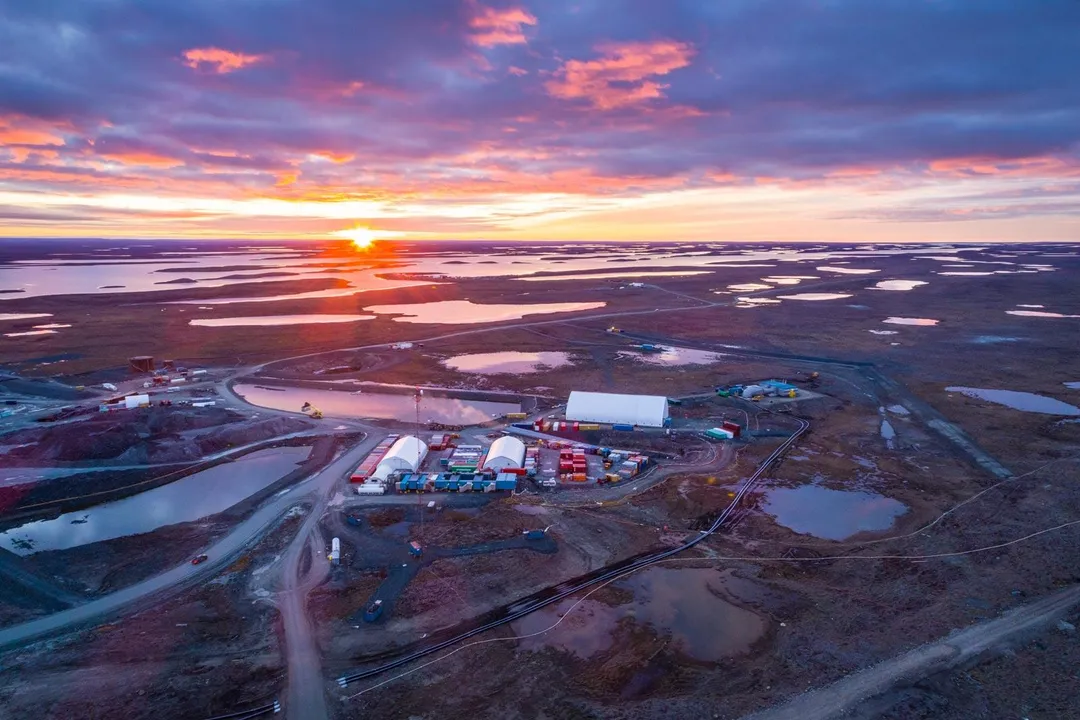
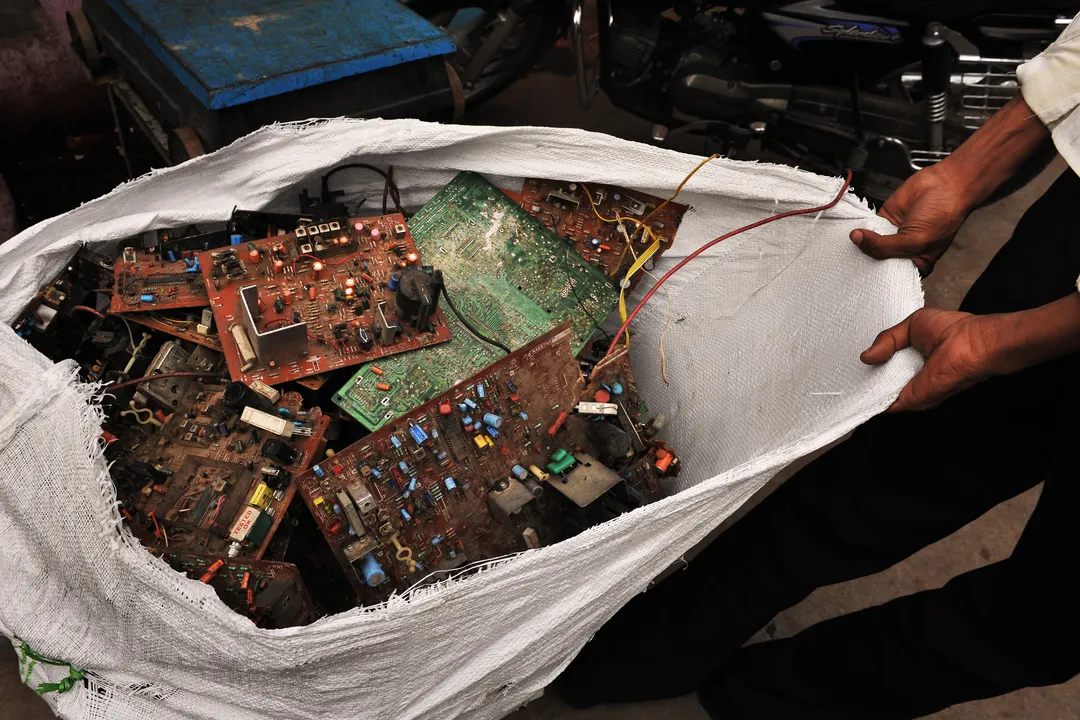
The first point of differentiation in urban mining roles lies in the source material itself. Unlike conventional mining which targets geological deposits, urban recovery focuses on complex, manufactured products. [7] A major area involves the recovery from Construction and Demolition (C&D) waste, which can be a mixed bag of concrete, wood, metals, and plastics. [7] Another significant source is electronic waste (e-waste), which contains a dense concentration of precious and base metals, often requiring far more intricate processing than raw ore. [3][8]
The composition of these streams dictates the initial job requirements. For instance, roles centered on C&D waste might require expertise in large-scale material handling and bulk sorting, akin to quarry operations but within a controlled recycling facility. [7] Conversely, positions dealing with e-waste demand precision handling and preliminary dismantling skills, often requiring knowledge of product disassembly instructions to separate complex components before they even reach the primary refinery stage. [2]
# Collection Logistics
The initial step in the urban mining chain involves sourcing the discarded materials, a task that necessitates specialized logistics and collection oversight, distinct from the exploration and drilling roles common in hard-rock mining. [4][5]
# Sourcing Specialists
These professionals are responsible for establishing and managing the supply lines for secondary raw materials. They might coordinate with demolition contractors, manage municipal collection programs, or establish take-back schemes for large commercial entities disposing of IT assets. [2] Their expertise lies in supply chain management within an urban environment, understanding local waste regulations, and forecasting material availability based on infrastructure turnover rates. [8]
# Dismantling Technicians
Once collected, items like circuit boards or large appliances cannot simply be crushed. A specific role, the Dismantling Technician, focuses on the careful deconstruction of complex products to separate high-value components (like circuit boards, batteries, or specific high-grade metal housings) from lower-value, mixed materials. [2] This requires manual dexterity, tool proficiency, and safety training related to potentially hazardous materials like mercury switches or lithium-ion batteries. This role requires an attention to detail that differs from the heavy machinery operation often seen in open-pit mining. [4][6]
While traditional mining roles often focus on geology and explosives handling, the equivalent in urban mining—the Collection Logistics and Dismantling phases—demands skills more aligned with advanced logistics, industrial mechanics, and careful material segregation, where the 'ore body' is a pallet of discarded servers rather than a vein of copper ore. [1][6]

# Material Recovery
This phase is the technical heart of urban mining, where the collected, pre-sorted materials are processed to extract the target commodities. The roles here often draw direct parallels to traditional metallurgical and refining positions, but the feedstock is significantly different. [5][6]
# Metallurgical Engineers
These engineers design and oversee the processes used to separate valuable metals. In traditional mining, this might mean designing a flotation circuit for sulfides; in urban mining, it means creating a circuit for leaching precious metals from shredded circuit boards or separating specialized alloys from shredded vehicle bodies. [5][6] They must account for the non-uniform and often variable composition of urban feedstock, which is a major operational challenge compared to targeting a relatively consistent geological deposit. [3]
# Chemical Process Operators
Working under the direction of the engineers, these operators manage the specific chemical reactions necessary for recovery. This includes managing acid leaching, solvent extraction, and electrowinning processes used to purify materials like gold, silver, palladium, and copper recovered from e-waste. [6] Safety protocols in this area are paramount, as operators are dealing with corrosive chemicals, often in a denser, more publicly scrutinized facility setting than remote refineries. [9]
# Mechanical Separation Technicians
These technicians operate and maintain the sophisticated machinery used for initial bulk separation, such as shredders, eddy current separators, magnetic separators, and advanced sensor-based sorting equipment. [7] Knowledge of mechanical integrity and preventative maintenance for this high-throughput, often specialized equipment is critical. These roles are comparable to the heavy equipment operators and mechanics in conventional mines, though the machinery itself might be more focused on high-precision sorting than sheer tonnage movement. [4][5]
# Machinery Support
The operational success of any urban mine hinges on the reliability of its processing infrastructure. Therefore, a significant need exists for skilled technical staff to maintain the specialized recovery machinery. [5][6]
# Industrial Electricians and Controls Technicians
Urban recycling facilities rely heavily on automated sorting lines, conveyor systems, and electrochemical cells, all governed by complex programmable logic controllers (PLCs) and sensor arrays. [4][6] Electricians and technicians specializing in industrial controls are essential for minimizing downtime. A breakdown in a sensor array that differentiates between aluminum and stainless steel can halt a multi-ton stream until a specialist diagnoses the PLC fault, a scenario that requires different troubleshooting techniques than repairing a large haul truck gearbox at a traditional mine site. [5]
# Maintenance Mechanics
These mechanics focus on the mechanical wear and tear of the shredders, crushers, and pulverizers that break down bulky waste into manageable particles suitable for chemical processing. [4][5] Their preventative maintenance schedules are critical because the materials being processed—plastics, wires, and mixed composites—can cause different types of abrasive wear than rock and ore. [7]

# Economic Oversight
Urban mining is driven by economics—the value of the recovered materials versus the cost of collection, processing, and compliance. [8] This creates administrative, sales, and strategic roles that differ in focus from those in the exploration or geological departments of conventional mines.
# Materials Trading Analysts
These professionals monitor global commodity markets for the recovered materials, such as copper, aluminum, platinum group metals, and rare earth elements. [8] Unlike primary producers who often use long-term contracts based on geological reserves, analysts in urban mining must react quickly to short-term market fluctuations, as their 'inventory' is being constantly generated by waste flow, not scheduled extraction campaigns. [8] Their ability to predict short-term shifts in the price of recovered copper or even high-grade stainless steel dictates the profitability of the entire operation. [8]
# Compliance and Permitting Officers
Operating within or near urban boundaries subjects these facilities to intense local environmental and zoning scrutiny. [8] Compliance officers ensure adherence to regulations concerning air emissions from pyrometallurgical processes (if used), wastewater discharge from hydrometallurgical steps, and solid residual waste disposal. [9] This role demands expertise in municipal, state, and federal environmental law, often interacting daily with local government agencies, a far cry from the permitting processes for large-scale, remote greenfield mining projects. [8]
A key consideration here, which often gets overlooked when comparing job types, is the scale of traceability. For a high-end urban mine recovering critical minerals, their administrative staff might spend significant time creating detailed digital logs documenting the origin of every batch of e-waste. This rigorous "chain of custody" documentation, driven by both environmental liability and material provenance demands, is far more complex and granular than the geological resource reporting typical of hard-rock mining. [8]
# Safety and Training
While all mining activities prioritize safety, the specific hazards and training requirements in an urban setting necessitate distinct roles. [4][9]
# Occupational Health Specialists
These specialists focus on hazards specific to manufactured waste. This includes training staff on the risks associated with battery fires, the safe handling of legacy materials (like lead-containing solders or flame retardants), and managing ergonomic risks associated with repetitive manual dismantling tasks. [9] Their expertise is crucial because the immediate proximity to residential or commercial areas often means emergency response coordination must be integrated with local municipal services, rather than relying solely on isolated, company-run emergency teams. [9]
# Training Coordinators
Given the rapid evolution of consumer electronics and building materials, training in urban mining must be continuous. Training Coordinators are needed to update personnel on new disassembly techniques for the latest smartphones or changes in insulation materials in demolished buildings. [1] This continuous curriculum development requires an understanding of both technical trade skills and adult learning principles, ensuring the workforce remains competent in dealing with increasingly complex discarded goods. [1][5]

# Policy and Research Roles
The long-term viability of urban mining relies on research, innovation, and advocacy, creating roles at the intersection of science and public policy. [8]
# Research Scientists
These scientists work to develop more efficient, less environmentally damaging recovery techniques. For example, they might research novel solvent systems for selectively dissolving specific rare earth elements from magnets found in hard drives, or work on bio-leaching methods that reduce the reliance on harsh mineral acids. [3] Their output directly influences the economic competitiveness of the facility against primary extraction. [8]
# Life Cycle Assessment (LCA) Analysts
These roles are vital for demonstrating the environmental benefit of urban mining over virgin material extraction. [8] LCA Analysts quantify the energy, water, and emissions savings associated with recycling a ton of copper from circuit boards versus mining new ore. This data is essential for securing "green" financing, meeting corporate sustainability goals, and justifying the industry's existence to regulators and the public. [8] Their work bridges engineering data with environmental economics, providing the factual basis for the industry’s claims of reduced environmental impact. [8]
The entire structure of urban mining employment—from the logistics specialist navigating city traffic to recover end-of-life vehicles to the chemist developing a greener solvent for circuit board residue—reflects a specialized industrial application focused on high material complexity rather than sheer geological tonnage. [1][7] As society continues to consume technology at an accelerating pace, the need for skilled professionals across these distinct operational areas will only intensify, solidifying urban mining as a critical component of the future materials economy. [8]
Related Questions
#Citations
Urban Mining Jobs, Employment - Indeed
Common Types of Mining Jobs
[PDF] MINING INDUSTRY Career guide
Types of mining jobs | Bravus Mining & Resources
Careers In Mining - Minerals Education Coalition
What kind of jobs are available in the mining industry? - Mining Doc
Urban Mining: How Cities Become the New Resource Mines
A Canary in an Urban Mine: Environmental and Economic Impacts ...
Career Profiles - Mining Needs You