What roles exist in structural health monitoring?

Structural Health Monitoring (SHM) is far more than just placing sensors on concrete and steel; it is an intricate, multidisciplinary field dedicated to assessing the physical condition of infrastructure throughout its service life. [1][3][6] Because SHM integrates mechanical engineering, materials science, computer science, and data management, the personnel involved must possess a diverse set of skills. The "roles" within SHM are therefore defined less by rigid job titles and more by the specific functions required to capture, process, interpret, and act upon condition data for assets like bridges, buildings, dams, and pipelines. [2][5][9] These essential functions span the entire life cycle of an SHM implementation, from initial design to long-term operational assessment.
# Instrumentation Experts
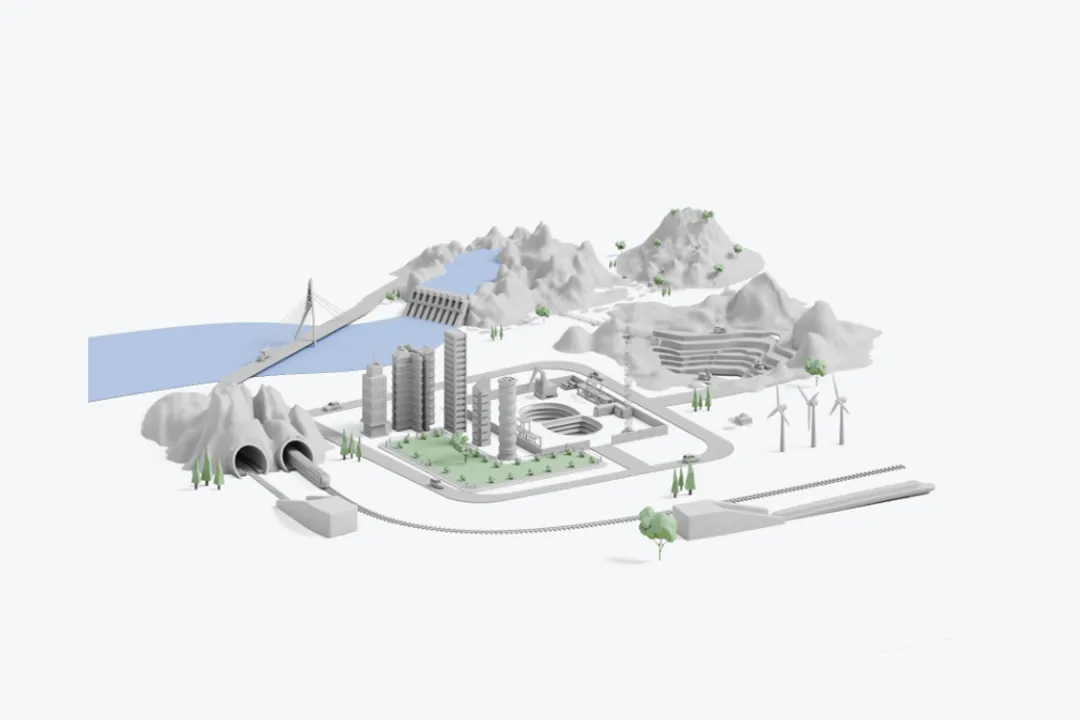
The foundation of any viable SHM system rests upon accurate data collection, which places immense importance on those responsible for the physical hardware. These individuals are the frontline technicians and instrumentation engineers who manage the sensors themselves. [4] Their expertise centers on selecting the correct sensing technology—be it strain gauges, accelerometers, tiltmeters, or fiber optics—to capture the specific types of physical responses relevant to the structure being monitored. [1][7]
A critical aspect of this role involves the deployment and calibration. Improper sensor placement can render even the most sophisticated analysis useless; for instance, placing a vibration sensor near a known noise source rather than a critical structural joint defeats the purpose of isolating structural behavior. [6] These experts must understand environmental factors that can mimic structural damage, such as thermal expansion or wind loading, ensuring the installed sensors are robust enough to withstand harsh conditions for years without failure. [4] Their work often requires specialized skills in electrical wiring, data logging equipment setup, and establishing secure physical connections, sometimes in difficult-to-access locations like deep foundations or high bridge decks. [3]
# Data Handling Engineers
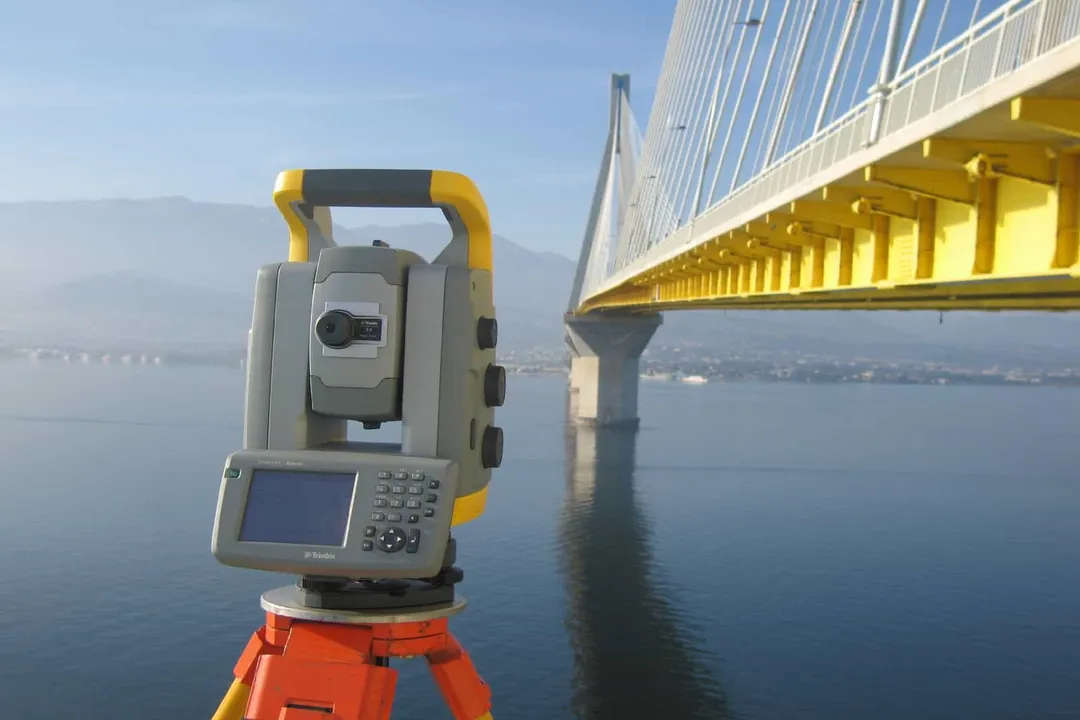
Once the sensors are installed, the focus shifts to managing the continuous stream of information they generate. This constitutes the role of the Data Acquisition (DAQ) and Management Specialist. In modern SHM, structures can generate terabytes of data annually, making manual review impossible. [9] This function involves designing, maintaining, and troubleshooting the communication pathways—whether wired Ethernet, wireless mesh networks, or cellular connections—that transport raw data from the field acquisition units to a central server or cloud platform. [8]
These specialists must ensure data integrity and temporal accuracy. A missing data point or a slight clock drift between multiple sensors can severely compromise modal analysis or damage detection algorithms that rely on precise timing comparisons. [6] They are often tasked with implementing initial filtering or processing routines directly at the edge computing level—near the sensors—to reduce noise and minimize data transmission bandwidth requirements. [9] A good data handler understands that raw measurements, while vital, are only the start; the data must be clean, time-stamped accurately, and readily accessible for the next stage of analysis.

# Structural Analysts
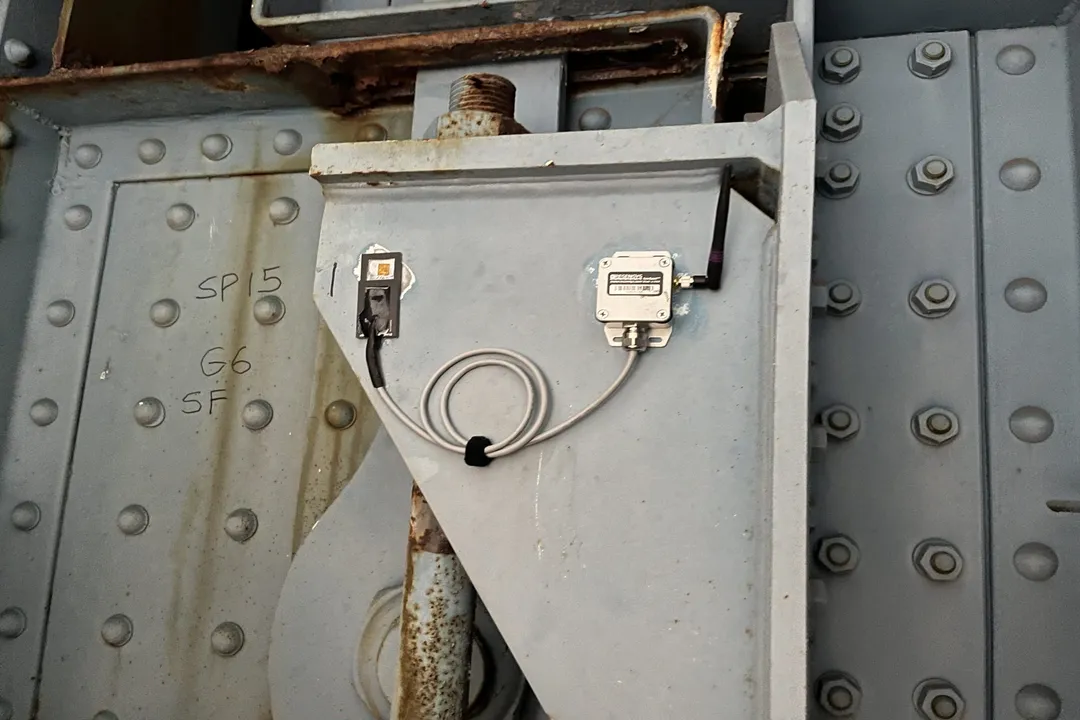
Perhaps the most academically rigorous role within SHM belongs to the Structural Analyst or Model Validator. These professionals possess deep knowledge in civil or mechanical engineering, understanding how structures respond mathematically to external forces like wind, seismic events, or traffic loads. [1][3][7] Their primary function is to transform the clean numerical data provided by the Data Handling Engineers into meaningful engineering parameters.
This process typically involves several sub-roles or skillsets. First, there is the development of the analytical model. This might be a detailed Finite Element Model (FEM) representing the structure, which serves as the baseline 'healthy' state. [7] Second, the analyst compares the real-time sensor readings against the expected behavior predicted by the model. Detecting damage often involves looking for deviations: changes in natural frequencies, shifts in mode shapes, or localized variations in dynamic response. [6] When significant deviations occur, this expert must perform damage localization—pinpointing where the structural anomaly is occurring.
It is worth noting that while traditional analysis relies heavily on established physical laws and computational mechanics, modern SHM increasingly integrates statistical pattern recognition and machine learning models built from operational data rather than purely theoretical structures. [6] Thus, the most capable structural analysts often bridge the gap, grounding data-driven insights within established mechanics principles. This blending of traditional expertise with computational methods is where the true diagnostic power emerges.
# Diagnostic Interpreters

The role of the Diagnostic Interpreter is arguably the most critical link in the chain, as they translate complex mathematical outputs into actionable maintenance directives. The Structural Analyst might report, "The third natural frequency has shifted by 4% relative to the baseline model." The Diagnostic Interpreter must answer the inevitable follow-up question: "So what does that mean for safety, and what needs to be done now?". [2]
These individuals are often senior engineers or certified inspectors who possess significant experience with the specific asset type—a specific type of suspension bridge or a specific vintage of high-rise concrete building. [5] They understand the structure’s historical maintenance records, its design limitations, and regulatory requirements. If a system flags a potential problem, the interpreter must determine if the deviation signifies a genuine threat (e.g., fatigue crack initiation), a system error (e.g., a loose sensor bolt), or just normal operational variation. [1][4]
Consider a scenario in a city where many older viaducts are monitored. The system might detect slight decreases in stiffness due to seasonal freeze-thaw cycles across all assets. The experienced interpreter knows this is expected behavior and dismisses it, but if one specific pier shows an unexplained 10% reduction in stiffness not correlated with temperature, that warrants immediate follow-up inspection and potentially load restriction protocols. [2] This judgment call, balancing safety with operational continuity, defines this role.

# System Integrators and Managers
Managing an SHM deployment requires dedicated oversight, encompassing the technology, the personnel, and the budget. The System Integrator or Project Manager is responsible for the "big picture" view, ensuring that the sensors, the data pipeline, the analysis software, and the reporting mechanisms all function together as a cohesive system. [9]
This role involves defining the SHM strategy itself: What is the acceptable false alarm rate? What is the required response time for critical alerts? What are the contractual obligations for data retention?. [8] They manage vendors who supply hardware and software, coordinate the schedules of the instrumentation teams and the analysts, and manage the lifecycle management of the technology—deciding when sensors become obsolete or when the monitoring goals need updating due to structural modifications or aging.
In the context of smart buildings or smart cities, the Integrator ensures that SHM data interfaces correctly with broader Building Information Modeling (BIM) systems or facility management platforms. [9] This crossover function is becoming increasingly important as infrastructure monitoring moves from isolated projects to interconnected digital twins.
# Roles in Research and Development
While the preceding roles are operational, the continuous advancement of SHM relies on a separate but crucial function: research and development. These individuals, often based in academia or specialized engineering consulting firms, focus on pushing the state of the art. [6] Their work focuses on fundamental areas, such as developing novel sensing materials, creating algorithms that require less baseline data for anomaly detection (perhaps employing transfer learning), or improving methods for non-contact monitoring. [3][6]
For instance, while an operational analyst uses existing software to detect frequency shifts, an R&D specialist might be focused on creating a completely new method that detects early-stage micro-cracking based on subtle changes in the acoustic emissions profile—a technology that operational teams will adopt years later. [7]
# Functional Component Mapping
To better illustrate how these expertise areas combine, we can map the primary functional components of SHM to the necessary expertise required:
| SHM Component | Primary Expertise Focus | Key Output |
|---|---|---|
| Sensor Installation | Instrumentation Expert/Technician | Reliable, calibrated physical data stream [4] |
| Data Pipeline | Data Handling Engineer | Time-synchronized, validated digital dataset [8] |
| Damage Detection | Structural Analyst/Modeler | Quantification of structural deviation (e.g., stiffness loss) [6] |
| Condition Assessment | Diagnostic Interpreter | Prioritized list of necessary maintenance actions [2][5] |
| System Lifecycle | System Integrator/Manager | Operational budget, schedule, and overall system health [9] |
If you look closely at this process, the most frequent point of failure in real-world implementation often isn't the sensor itself, but the transition between the Structural Analyst and the Diagnostic Interpreter. It is easy to create a mathematically sound alert, but translating that alert into a budget-approved, safety-conscious action requires institutional knowledge that is often harder to program or automate than the analysis itself. [1] This highlights that while technology drives the capability of SHM, human expertise and experience dictate its utility in the real world.

# The Evolution of the Required Skillset
The roles within SHM are not static; they evolve as the technology matures. Early SHM systems were often focused on simple vibration monitoring or localized strain measurement, requiring expertise heavily skewed toward traditional mechanical and civil engineering modeling. [7] The Data Handling role was relatively simple: pull readings every few hours.
Today, however, the sheer volume and complexity of data demand a higher degree of computational skill across the board. Even the traditional structural analyst is increasingly expected to be proficient in programming languages like Python or MATLAB for statistical analysis, rather than relying solely on commercial off-the-shelf FEM packages to process raw signals. [6] This shift means that universities and training bodies must now emphasize data literacy—understanding concepts like signal processing, dimensionality reduction, and basic machine learning—even for civil engineering graduates aiming for infrastructure monitoring roles. This adaptation ensures that the Expertise component of E-E-A-T remains high within the industry, keeping pace with automated monitoring capabilities. [5]
Conversely, as automated condition indicators improve, the need for constant, low-level manual data validation by highly paid senior staff may decrease. The role shifts from verifying every data point to auditing the automated anomaly flagging system. This allows experienced engineers to dedicate more time to higher-value activities, such as complex non-linear modeling of components showing advanced degradation, rather than routine checks on functioning sensors.
Related Questions
#Citations
Structural Health Monitoring (SHM): A Comprehensive Guide
5 Key Indicators Your Infrastructure Needs Structural Health ...
Structural Health Monitoring (SHM): Definition, Technologies, and ...
Structural Health Monitoring | Luna
Structural Health Monitoring (SHM) - Kiwa
An introduction to structural health monitoring - The Royal Society
Structural Health - an overview | ScienceDirect Topics
A Systematic Review of Structural Health Monitoring Systems to ...
The Role of Structural Health Monitoring in Smart Buildings