What roles exist in smart home healthcare?

The integration of smart technology into home healthcare is fundamentally reshaping the types of professionals needed to deliver effective, continuous care outside the hospital walls. This evolution means that jobs aren't simply disappearing; rather, they are transforming, creating entirely new specialties centered around connected devices, data flow, and remote coordination. [1][6] Where care delivery once relied primarily on in-person visits, it now requires a distributed team equipped to manage and interpret information relayed via the Internet of Medical Things (IoMT). [9]
# Clinical Oversight
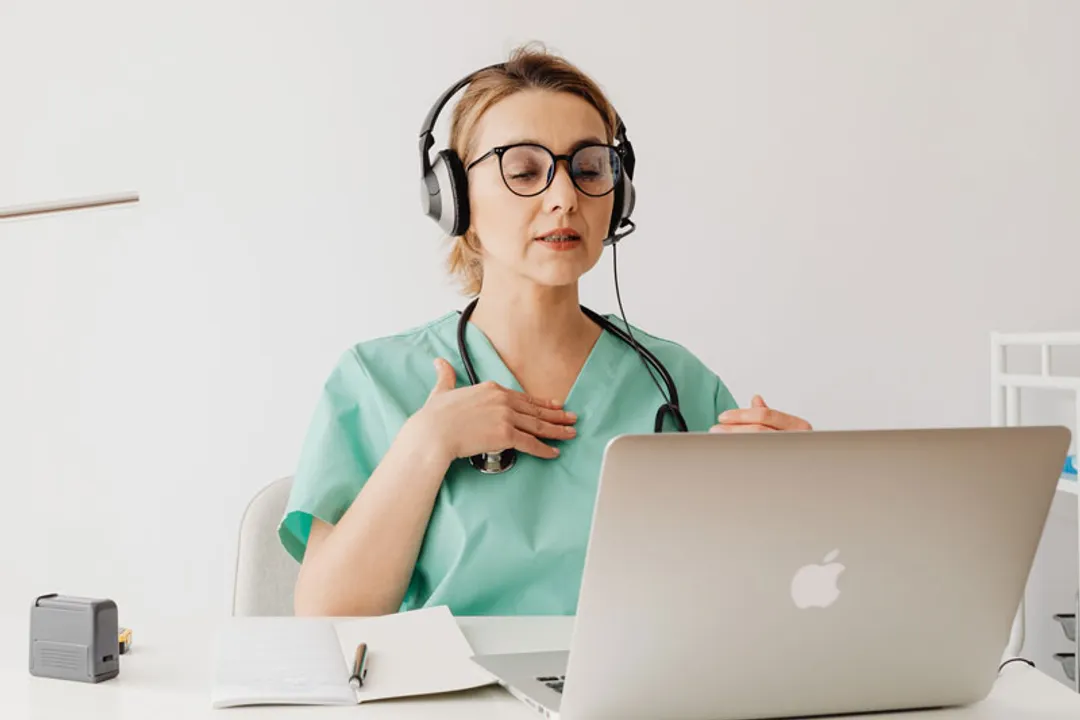
One of the most direct impacts of smart home technology is the creation and expansion of roles focused on real-time clinical surveillance. The advent of Remote Patient Monitoring (RPM) means that clinicians are no longer solely reactive but can be proactive in managing chronic conditions. [1][6]
# Remote Nursing
A key figure emerging in this space is the Remote Patient Monitoring (RPM) Nurse or Technician. [3] These individuals are responsible for overseeing the continuous stream of data coming from connected devices like smart glucose monitors, blood pressure cuffs, or specialized sensors. [8] Their function goes beyond simply checking charts; they must understand the alerts generated by these systems and decide when an intervention is necessary or when a warning is a benign fluctuation. [4] They act as the first line of defense, bridging the gap between automated monitoring and hands-on clinical response. [7]
# Telehealth Coordination
Closely related is the role of the Telehealth Coordinator. [3] This position ensures that virtual visits, which are now a staple of home care, run smoothly. This includes managing the technical connection for both the patient and the provider, troubleshooting video or audio issues, and ensuring that any data collected prior to or during the virtual visit is correctly logged for the treating physician. [7] In a system dependent on uptime, this coordinator ensures accessibility and continuity of care across digital channels. [5]
# Administrative Functions

The physical requirements of home health create unique administrative bottlenecks, often involving scheduling complex itineraries, verifying insurance coverage for new technologies, and maintaining strict regulatory compliance. Smart technology can automate many tasks, but it necessitates specialized administrative roles to manage the automated output.
# Virtual Assistants
In home care settings, Virtual Assistants (VAs) are increasingly taking on crucial logistical roles that can be outsourced or handled remotely. [2] These VAs handle typical administrative duties such as billing, processing claims, and managing provider credentialing. [2] For smart home care, their responsibilities expand to include managing subscriptions for connected devices, ensuring that monitoring platforms are correctly licensed for each patient, and handling documentation related to device usage for reimbursement purposes. [2]
The skillset for a traditional scheduler, focused on mapping geographical routes for in-person visits, differs significantly from the modern VA managing smart home logistics. The VA must now prioritize system alerts and device data upload schedules over driving times. For example, a traditional scheduler might block out a four-hour window for a home nurse. A VA in a smart-enabled system, however, must ensure that all prescribed RPM data uploads for that patient's diabetes tracker were successful before that nurse's visit, requiring an understanding of data protocols rather than just traffic patterns. [2]
# Billing and Coding Specialists
Medical Coders and Billers remain essential, but their work is now directly influenced by the presence of technology. [3] They must be proficient in billing codes associated with remote monitoring services, which differ from traditional in-office visits. Accuracy here is crucial for ensuring that the advanced technology used in home settings is financially sustainable for the care provider. [10]

# Technical Expertise
When complex medical sensors, wearables, and home hubs are deployed across dozens or hundreds of residences, a specialized technical team is needed to keep the infrastructure running. This moves beyond general IT support into the realm of medical device maintenance.
# Implementation and Support
Roles focused on the physical implementation and ongoing maintenance of the technology solutions are critical. [7] These personnel are responsible for installing the necessary hardware—such as ambient sensors, fall detection systems, or cellular gateways—and ensuring they connect reliably to the central monitoring systems. [5] They must also manage the connectivity aspect, which involves understanding the cellular or Wi-Fi requirements that allow the Internet of Things (IoT) devices to communicate effectively. [9] If a smart bed stops transmitting sleep data, this technician must be able to diagnose whether the issue is a sensor malfunction, a hub failure, or a simple loss of cellular connectivity in the patient’s home. [5][9]
# Security Management
As more sensitive health data flows across home networks and into the cloud, the need for expertise in Healthcare IoT Security grows. [9] These specialists work to secure the devices themselves against unauthorized access and ensure the data transmission pathways comply with privacy regulations. This is a specialized niche, requiring knowledge of both standard cybersecurity practices and the specific vulnerabilities inherent in low-power medical sensors. [10]
# Data Handling
The primary output of smart home healthcare is data—vast quantities of it generated constantly. New roles are required to transform this raw input into clinical directives.
# Data Analysis
Professionals skilled in Data Analysis play a vital part in aggregating and interpreting data from multiple patients. [4] While the RPM nurse handles immediate alerts, the analyst looks for trends across populations or over longer periods for a single patient. For instance, an analyst might spot a gradual, pre-symptomatic decline in activity levels across several patients using home activity trackers, signaling a need for proactive wellness checks rather than just responding to acute events. [8][10]
In the early days of home health technology, data often arrived in fragmented reports. Today, with integrated platforms, the expectation is for these analysts to create visualizations that make complex physiological data immediately understandable to supervising physicians who may only spend a few minutes reviewing a patient file. [4] This involves setting appropriate thresholds and building algorithms that flag clinically significant deviations based on historical patient norms.
An important consideration for any growing smart health service is the cross-pollination of skills between clinical and technical teams. It is beneficial if clinical staff are given basic training in system operation, perhaps through a modular, self-paced course covering the basics of the specific IoT platform used. Conversely, the technical support staff benefit greatly from understanding the clinical context of the alerts they troubleshoot. A technician who knows that a sudden drop in oxygen saturation reading is life-critical versus a known, temporary artifact of device movement can prioritize service calls far more effectively than one who treats all system errors equally. [5]

# Future Trajectories
The roles emerging in smart home healthcare emphasize technical literacy, remote communication skills, and the ability to work with complex, integrated systems. [1][10] As technology matures, we can anticipate further specialization, possibly leading to roles dedicated solely to the user interface experience for elderly patients, or professionals focused entirely on compliance reporting for connected devices. [10] The shift is toward a team where the physical location of the caregiver is less important than their ability to interpret digital signals accurately and rapidly. [1] The ongoing challenge for the sector will be ensuring that training evolves fast enough to meet the demands of these continuously connected care environments.
Related Questions
#Citations
Smart Tech Is Transforming Home Health Care
5 Home Care Job Roles You Can Outsource to a Virtual Assistant
21 Medical Jobs To Do From Home (With Duties and Salaries)
Smart Healthcare: The Role of Digital Health in Modern Medicine - NIH
Digital care at home: Exploring the role of smart consumer devices
5 Examples of Smart Technology & AI in Healthcare | Impact
Technology Solutions in Home Health - Ultimate Care NY
10 Ways Internet of Things(IoT) Impacts Healthcare Security - ORDR
IoT in healthcare: applications, benefits & future trends - Cellhire
Home healthcare strategy: PwC