What roles exist in responsible procurement?
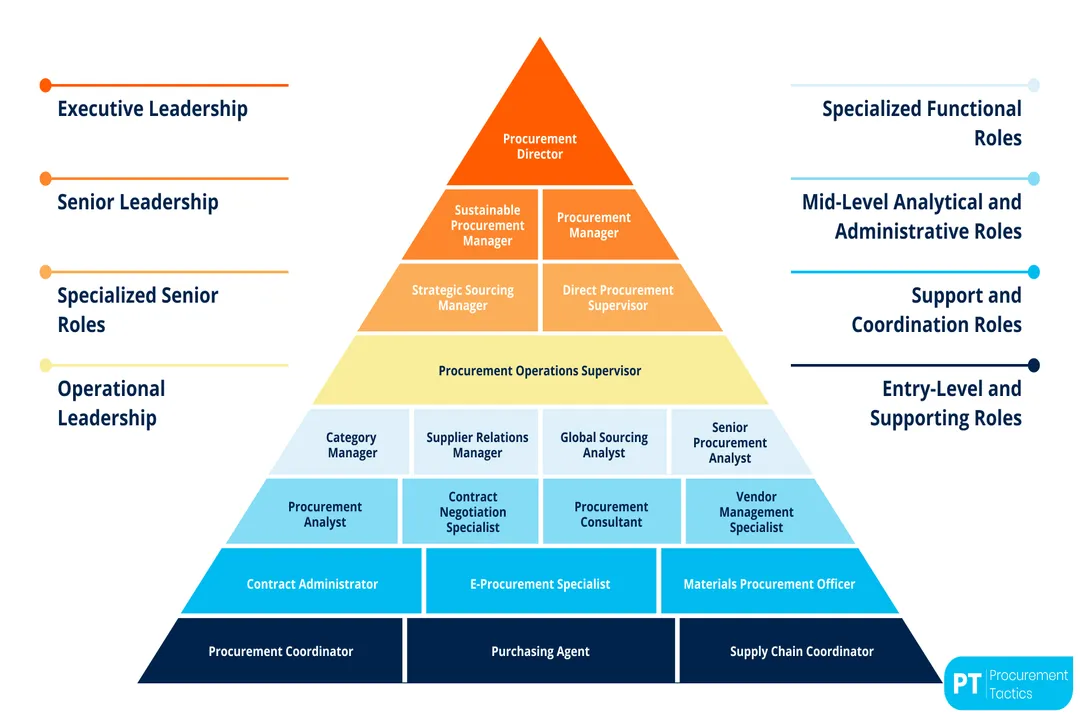
Responsible purchasing moves far beyond simply securing the lowest price; it demands a careful consideration of environmental, social, and governance factors throughout the entire supply chain. [1][2] As organizations commit to these wider mandates, the structure supporting these decisions must evolve, creating clearly defined roles dedicated to managing ethical sourcing, sustainability compliance, and risk mitigation. [9] The question is not just what needs to be bought, but how it is sourced, which necessitates specialized personnel to steward these complex objectives. [3]
# Role Evolution

Traditional procurement departments often relied on titles like Buyer, Purchasing Agent, or Category Manager. [4][8] While these foundational positions remain central, the addition of responsibility mandates that these individuals, and new specialists, integrate non-financial criteria into their daily work. [9] This shift means that procurement is no longer purely transactional; it is deeply relational and strategic, requiring expertise that spans environmental law, human rights standards, and community impact assessment. [3][5]
For many companies, especially those new to formal responsibility programs, the first step involves assigning these duties to existing senior staff. A Chief Procurement Officer (CPO) or Head of Procurement, for example, now bears the ultimate accountability for ensuring the entire sourcing function aligns with corporate sustainability targets. [2] They must architect the function so that responsible practices are embedded, rather than treated as an add-on compliance check. [7]
# Specialist Titles
As procurement functions mature, dedicated specialist roles emerge to manage the increasing complexity of compliance and stakeholder expectations. These roles possess deep knowledge in narrow, high-risk areas. [9]
# Sustainability Focus
A Sustainability Procurement Specialist or Sustainable Sourcing Manager is tasked with developing the strategy for environmental responsibility within sourcing. [1] Their focus often includes reducing carbon footprints, managing waste from purchased goods, and promoting circular economy principles in supplier relationships. [6] They translate high-level corporate goals—such as achieving net-zero emissions—into actionable requirements for suppliers, often designing the metrics used to measure progress. [2]
# Ethical Sourcing
The social pillar of responsible procurement often falls under an Ethical Sourcing Manager or Human Rights Compliance Officer. This role concentrates heavily on due diligence concerning labor practices, anti-slavery legislation, and fair wages across the tier-one and sub-tier supply base. [3] They conduct or commission audits and build remediation plans when non-compliance is found, acting as the primary bridge between the supply chain and legal/compliance departments. [9] In a large organization, one might find a dedicated Supplier Diversity Manager whose specific mandate is to ensure a certain percentage of spend is directed toward minority-owned, women-owned, or local businesses, moving this initiative from a corporate social responsibility afterthought to a measurable procurement objective. [7]
# Governance and Risk
The governance aspect requires professionals skilled in risk assessment. A Procurement Risk Manager focused on responsibility reviews supplier financial stability alongside their exposure to environmental fines or social litigation risks. [2] Furthermore, a Responsible Contracting Officer ensures that sustainability and ethical clauses are not just boilerplate text but are legally binding, measurable, and enforceable within every contract negotiated. [3] They define the performance standards and penalties tied directly to responsible sourcing metrics.
| Role Title | Primary Focus Area | Key Deliverable |
|---|---|---|
| Sustainable Sourcing Manager | Environmental impact, carbon, waste | Supply chain environmental audit program [6] |
| Ethical Sourcing Specialist | Labor standards, human rights | Supplier Code of Conduct enforcement & remediation plans [3] |
| Responsible Contracting Officer | Contractual inclusion and enforceability | Legally sound, measurable sustainability clauses [3] |
| Supplier Diversity Manager | Socio-economic benefit | Annual spend reporting against diversity targets [7] |

# Integrated Functions
Not every role needs the word "responsible" in its title to be crucial. Many existing procurement roles are being redefined to incorporate these new mandates as standard operating procedure. [4][8]
# Category Management
The Category Manager is perhaps the most critical integrator. Where they once focused solely on total cost of ownership (TCO), they must now calculate Total Responsible Cost of Ownership (TRCO). [9] For instance, a Category Manager overseeing raw materials must collaborate closely with the Sustainability Specialist to select suppliers who use certified, responsibly harvested materials, even if the unit cost is slightly higher than non-certified alternatives. [1] They need the expertise to articulate why the slightly higher TRCO delivers better long-term value to the business and its stakeholders. [2]
# Operational Buying
Even the Buyer or Purchasing Agent must adapt. While often handling tactical ordering, they are the first line of defense against non-compliant purchasing. [10] They need training to recognize red flags during routine order placement—for example, recognizing a supplier that suddenly changes country of manufacture without proper notification, which could indicate a shift to lower-cost, higher-risk labor markets. [9] Their role involves using the approved supplier list, which should already be pre-vetted for responsibility criteria. [4]
When thinking about practical application at a mid-sized firm without a dedicated sustainability team, the Category Manager often defaults to becoming the de facto Responsible Procurement Lead for their assigned spend area. They become proficient in translating the company’s broad CSR policy into tangible purchasing specifications for steel, packaging, or IT hardware. This internal accountability forces a deeper engagement with the supplier’s manufacturing processes rather than just their pricing sheets. [5] If a company is buying office furniture, the Category Manager must now be comfortable asking about the wood sourcing certifications (like FSC) or the indoor air quality of the adhesives used, tasks previously reserved for external auditors. [2]
# Organizational Design Considerations
The structure supporting responsible procurement needs to reflect accountability and collaboration. Sources suggest a clear need for governance, but the exact reporting line can vary based on company maturity. [2][9]
# Centralized vs. Decentralized
In a centralized model, a single Head of Responsible Procurement sits high in the CPO’s organization, setting policy and audit schedules for the entire global function. [1] This ensures uniformity and strong governance, which is vital when dealing with complex international regulations. [3] However, this can sometimes slow down day-to-day decision-making for category teams who need quick guidance on local supplier choices. [2]
Conversely, a decentralized model embeds responsibility specialists directly within the regional or category procurement teams. While this provides local context and faster execution—a specialist sitting with the European IT team understands GDPR nuances instantly—it risks policy dilution or inconsistent application across the globe. [5]
A balanced approach often involves a Center of Excellence (CoE). Here, the core strategy, high-level risk frameworks, and specialized audit teams (like environmental scientists or labor experts) reside centrally. [9] They support the decentralized Category Managers and Buyers by providing them with the tools, training, and expert consultation needed to make locally appropriate yet globally compliant sourcing decisions. [1]
# Collaboration Requirements
The success of any role in this space hinges on collaboration outside the procurement function. For instance, the Ethical Sourcing Specialist must work closely with Legal Counsel to ensure contract language is sound and with Internal Audit to verify compliance checks are being performed correctly. [3] The Sustainability Specialist often partners with the Investor Relations department to accurately report ESG progress to shareholders. [2][6]
Here is an actionable tip for integrating performance: rather than adding a wholly new evaluation category for responsible metrics, try weighting existing criteria differently. For high-risk spend categories (e.g., apparel manufacturing), increase the weighting of 'Supplier Social Compliance Score' from 10% to 30% of the final supplier selection decision for that specific category over the next fiscal year. This forces Category Managers to prioritize non-cost factors without the administrative overhead of creating a completely new metric system immediately. [4]

# Building Expertise
Procurement roles focusing on responsibility require a distinct skill set that marries traditional negotiation and supply chain management with social science and environmental knowledge. [5]
# Training Needs
Personnel filling these evolving roles require ongoing education in areas like Global Supply Chain Due Diligence Laws (e.g., modern slavery acts) and Life Cycle Assessment (LCA) methodologies. [9] Traditional negotiation training focused on adversarial bargaining must be replaced or supplemented with training on Supplier Collaboration and Capacity Building, recognizing that often, the supplier needs help becoming responsible, not just being replaced for failing initially. [3] A Buyer trained only in cost-down strategies might automatically disqualify a promising, smaller supplier unable to afford the initial sustainability certification fees; a responsibly trained Buyer would instead engage that supplier in a development plan. [1]
# Measuring Impact
A major challenge lies in quantifying the success of these roles. While a traditional Buyer can point to money saved, a Sustainability Manager must point to risk averted or impact reduced. For example, the success of a Materials Specialist might be measured by the percentage reduction in virgin plastic used in packaging, tracked quarter-over-quarter, rather than simply the unit cost of that packaging. [6] Similarly, a Purchasing Agent's performance review might include a metric on Timeliness and Accuracy of Mandatory Compliance Documentation Submissions from their assigned suppliers. [10]
To truly embed this expertise, organizations should institute an internal rotation program. Senior buyers could spend six months embedded with the Corporate Social Responsibility (CSR) team, focusing purely on supplier documentation and impact reporting, thereby developing hands-on experience that formal training often misses. [7] This cross-pollination helps ensure that the specialist roles are grounded in operational reality and that the operational roles understand the strategic necessity behind the policies. [5]
# The Procurement Leader
The evolution of specialized roles ultimately feeds into the strategic direction set by senior leadership. Roles like Director of Procurement Transformation or VP of Sustainable Supply Chain focus less on individual transactions and more on systems thinking and long-term supplier development. [2] These leaders are responsible for deploying the technology—like supplier risk monitoring software or blockchain-enabled traceability platforms—that allows the entire spectrum of procurement roles to execute their responsible mandates effectively and at scale. [7] They must ensure that the required data flows cleanly from the factory floor, through the Category Manager, and up to the board level, providing a transparent view of both financial performance and ethical standing. [9] This systemic view is what separates a compliance-based program from a truly embedded culture of responsibility.
Related Questions
#Citations
What is Responsible Procurement?
Responsible procurement | Crowe UK
Responsible Contracting in Sustainable Procurement | Importance ...
Procurement Titles — 20 Key Roles You Should Know
Responsible Procurement - LinkedIn
Responsible Procurement | DNP Group
Transforming Procurement for Resilience - Amazon Business
Procurement Roles and Responsibilities: Growth to Leadership
[PDF] RESPONSIBLE PROCUREMENT - NWG living water
Sustainable Purchasing Career Outlook - NWF EcoLeaders