What roles exist in quality analytics?

The landscape of quality assurance has evolved far beyond simple testing checklists; it now encompasses specialized analytical roles dedicated to ensuring the integrity of processes, products, and, increasingly, data itself. Understanding the roles within quality analytics requires distinguishing between traditional quality assurance functions and the more specialized data-centric positions that have emerged in the modern data-driven environment. [1][8] At the heart of this domain is the Quality Analyst, a position that acts as a critical checkpoint, ensuring that standards are met before anything reaches the end-user or the next stage of development. [7]
# Core Duties

A general Quality Analyst, often seen in software development contexts, has responsibilities centered on verifying that a product functions as intended and meets specified requirements. [1] This involves developing and executing detailed test plans and test cases to pinpoint defects or deviations from expected performance. [7][9] They might be involved in both manual and automated testing efforts, systematically documenting every bug found, tracking its resolution, and ensuring that fixes don't introduce new problems—a process often called regression testing. [1][7] Their work frequently includes reviewing documentation and specifications to ensure clarity and completeness before any code or process implementation begins, positioning them as proactive quality guardians rather than just reactive testers. [9]
However, the definition broadens when looking across industries. In manufacturing or process-oriented environments, the Quality Analyst focuses on process adherence, statistical process control, and compliance with industry standards, using tools like Six Sigma methodologies to drive continuous improvement. [8] The common thread across these diverse applications is the commitment to measurement, analysis, and verification against a defined benchmark of "quality". [7]
# Data Analyst

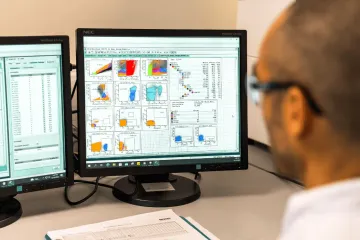
While the "Quality Analyst" title often defaults to software testing in some corporate structures, [1][2] the field of analytics also demands dedicated roles focused purely on the data that powers business decisions. [10] The Data Quality Analyst is a specific and increasingly vital role within this sphere. [6] Their focus shifts entirely from testing application features to assessing the fitness of the data itself for its intended purpose. [10]
The Data Quality Analyst is responsible for data profiling, identifying anomalies, measuring data quality dimensions—such as accuracy, completeness, consistency, timeliness, and validity—and developing metrics to track these over time. [6][10] Unlike a standard business analyst who might focus on using the data for insights, the Data Quality Analyst focuses on cleaning, standardizing, and governing the data source. [6] For instance, they might investigate why customer addresses in one system contradict those in another, or why sales figures suddenly show an impossible spike, tracing the root cause back to an ingestion pipeline failure or a data entry error. [10] This work is foundational; flawed data renders even the most sophisticated machine learning models or executive dashboards useless. [10]
# Technical Expectations

The skillset required for these roles shows a significant overlap but also clear divergence based on specialization. Traditional Quality Analysts need a deep understanding of the Software Development Life Cycle (SDLC) and familiarity with testing methodologies. [7] Proficiency in bug tracking systems like Jira, and the ability to write clear, reproducible defect reports, are non-negotiable. [1][9] For those engaging in automation, programming skills in languages like Python or Java, coupled with experience in test automation tools like Selenium, become necessary qualifications. [4]
Conversely, the Data Quality Analyst profile leans more heavily into database expertise and statistical literacy. [6] Strong SQL skills are mandatory for querying large datasets to perform profiling and validation. [6][10] Knowledge of master data management (MDM) principles, data warehousing concepts, and often specific data quality tools (like those from Ataccama, for example) mark them as experts in data governance. [6] Furthermore, they must understand how data lineage flows through an organization to pinpoint where corruption occurs. [10] It is interesting to note that while a general QA analyst might need to know the database structure, the Data Quality Analyst must be able to manipulate and interrogate it at a granular level daily. [4]
# Hybrid Opportunities

The reality in many organizations is that the strict division between testing quality and data quality can blur, leading to hybrid or specialized analyst positions. [5] A software tester working on an application that heavily manipulates customer records might find themselves needing data validation skills, merging the two worlds. [5] Similarly, in smaller or agile teams, one individual might wear multiple hats, responsible for both functional application testing and ensuring the integrity of the underlying transactional data used in those functions. [5] This combination demands exceptional breadth: the ability to switch between functional mindset (Does the button work?) and analytical mindset (Is the data recorded by that button correct and consistent across systems?). [5]
If we map the primary focus, we can observe a spectrum of roles that all fall under the quality umbrella:
| Role Focus | Primary Deliverable | Key Technical Skill |
|---|---|---|
| Software Quality Analyst | Verified application functionality [1] | Test Automation (Selenium/Cypress) [4] |
| Process Quality Analyst | Standardized, compliant workflows [8] | Statistical Process Control (SPC) [8] |
| Data Quality Analyst | Accurate, trustworthy data sets [6] | Advanced SQL and Data Profiling [6][10] |
When looking at job postings, it is clear that trust is the currency of quality analytics. A business cannot trust its decisions if it cannot trust its data, nor can it trust its product if its features fail under load. [7][10]

# Essential Attributes
Beyond the technical tools and domain knowledge, certain soft skills are universally required for success in any quality analytics role. Communication stands out as paramount. [4] An analyst must be able to clearly articulate a complex technical failure—whether it’s a broken API endpoint or a five-percent drop in data completeness—to both technical peers and non-technical stakeholders, like product managers or executives. [4][7] The ability to write detailed, unambiguous reports is key to driving timely remediation. [9]
Another critical attribute is meticulous attention to detail. [4] A single missed decimal point, an overlooked edge case in a requirement document, or a subtle inconsistency in a data set can have massive downstream consequences. [7] This ties directly into critical thinking; successful quality analysts don't just follow a script—they actively question assumptions, explore dependencies, and anticipate failure modes that the original designers might have missed. [4]
I find that the difference between an adequate analyst and an exceptional one often hinges on their approach to failure. An adequate analyst documents the failure; an exceptional analyst uses the failure as a starting point to understand why the system allowed the failure to occur in the first place, leading them to suggest preventative structural changes rather than just reactive patches. [4] This mindset moves the role from simple testing to true quality engineering.
# Career Trajectory
The roles discussed here are often entry points into deeper analytical and governance careers. A Quality Analyst frequently transitions into a Senior QA Engineer or a Test Lead, managing testing strategies and teams. [1] For those favoring the data side, the Data Quality Analyst path leads toward Data Governance Specialist, Data Steward, or even architect roles focused on data integrity pipelines. [6]
It is also worth considering the perspective of someone moving into quality analytics from a purely operational or business role. A good tip for such a transition is to stop viewing the requirements documentation or data specifications as static guides. Instead, treat them as hypotheses to be disproven. For an actionable step, someone pivoting into Data Quality should spend a week mastering the most complex SQL window functions available in their organization's database dialect; this specialized query skill immediately signals an understanding of advanced data manipulation, setting them apart from those who only use basic SELECT statements for validation. [6] This technical depth proves immediate value where it matters most in data quality: slicing and dicing data to find hidden inconsistencies. [10]

# Governing Standards
Ultimately, the collective function of all these roles is to serve as the organization's internal standard-bearers for quality. [8] While job titles vary—from dedicated Software Quality Assurance Analyst to Test Manager or Data Quality Specialist—the objective remains unified: to ensure that the output, whether it's software or information, adheres to the agreed-upon level of excellence. [2][8] This commitment requires constant learning, as both technology and compliance standards are perpetually shifting, demanding that the analyst remains perpetually curious and adaptive in their chosen domain of quality assurance. [4]
Related Questions
#Citations
What Is a Quality Analyst? (With Qualifications and Salary) - Indeed
Quality Analyst Job Titles in 2025 - Teal
Understanding Quality Analyst Roles and Responsibilities
16 Essential Quality Analyst Skills Needed to Get Hired - Azulity
What analytics jobs allow for a combination of people skills and ...
Data quality analyst careers: Essential skills to stand out in the industry
What Does a Quality Analyst Do? Job Role, Skills, and Career Scope
Job Titles in Quality
Quality Analyst Job Description (Updated 2023 With Examples)
Role of a Data Quality Analyst: Key Skills and Contributions