What roles exist in desalination technology?
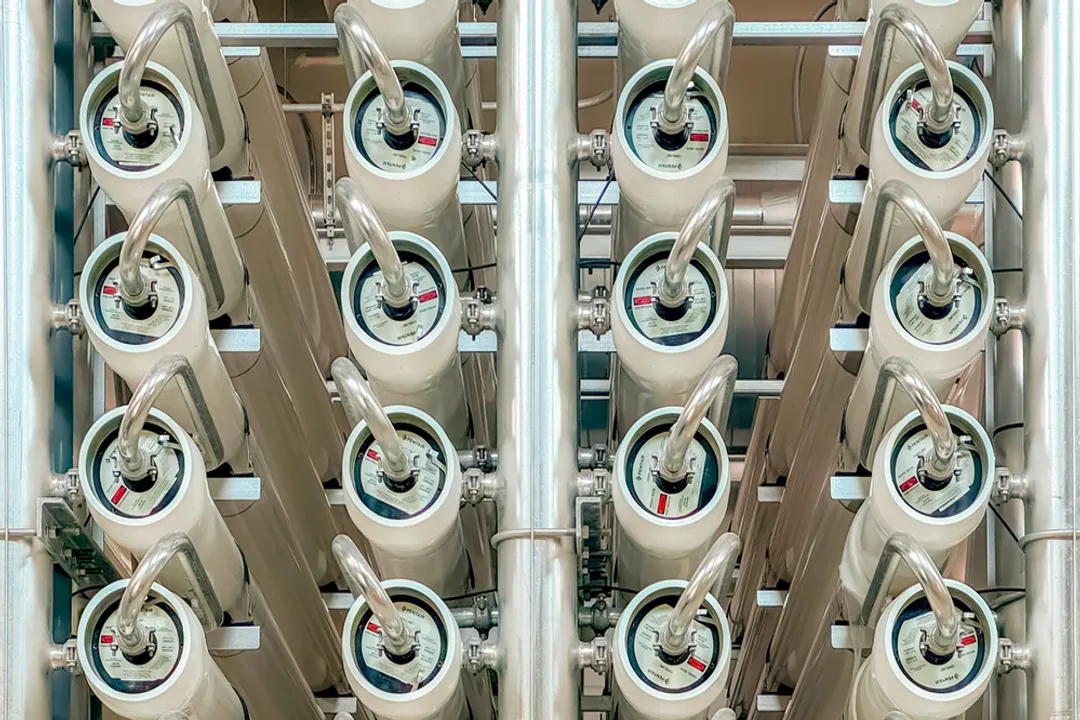
The expansion of desalination technology as a critical water supply solution is creating a specialized, yet diverse, set of career paths across the globe. [5][6][9] Far from being just a singular technical function, the industry requires personnel ranging from hands-on operators and maintenance specialists to highly credentialed process engineers and project managers. [1][4] Understanding the roles within this sector means looking at the entire lifecycle of a water treatment facility, from initial concept and construction through daily operation and ongoing refinement. [2][7]
# Design Engineering

The engineering positions are central to the development and implementation of desalination plants. [3] While "Desalination Engineer" is a broad title, it often fractures into distinct specialties based on the engineering discipline required. [2]
# Process Specialists
These engineers focus heavily on the water chemistry and the core treatment mechanisms, whether they involve membrane separation like Reverse Osmosis (RO) or thermal methods. [5][7] A Process Engineer designs the pretreatment stages—crucial for protecting sensitive membranes from fouling or scaling—and models the performance of the main separation train. [3] Their daily work often involves analyzing feed water characteristics, optimizing recovery rates, and determining the necessary chemical dosing programs. One key aspect distinguishing this role is the need to balance water quality standards against operational cost, particularly energy consumption, since the process of forcing water through membranes is energy-intensive. [5][7] It is fascinating to observe how the focus shifts: a process engineer in a new facility might spend months optimizing the Intake and Pretreatment sequence to reduce membrane replacement costs down the line, whereas an established plant engineer might be focused on fine-tuning chemical inhibitor injection rates to maintain peak flux at the lowest possible pressure differential.
# Mechanical and Electrical Roles
Mechanical Engineers typically concentrate on the hardware that makes the system run: the high-pressure pumps, the energy recovery devices (ERDs), and the large-scale intake and outfall piping infrastructure. [2] Their expertise lies in materials science, pump mechanics, and vibration analysis to ensure that equipment operating under extreme pressure—often exceeding 55 to 80 bar in high-recovery RO systems—remains reliable. [7] Electrical Engineers, conversely, manage the high-voltage power supply, motor controls, and the integration of the entire plant’s electrical backbone. [1] Both must understand the unique demands of a continuously running facility where downtime translates directly into lost potable water capacity for a community. [4]
# Plant Operations

The individuals responsible for the smooth functioning of the plant day-to-day are vital, as they translate complex engineering designs into tangible, safe, and consistent output. [1][4]
# Operators
Desalination Plant Operators are the hands-on experts managing the active treatment process. [4] Their responsibilities are broad, encompassing water quality testing, adjustment of chemical feed rates, monitoring system pressures, and responding immediately to alarms. [1] In modern facilities, operators work extensively with the plant's Supervisory Control and Data Acquisition (SCADA) systems. [7] This requires a transition from older, purely manual monitoring to sophisticated digital control, demanding strong analytical skills to interpret trends in the operational data rather than just reacting to simple alerts. For existing utility staff transitioning into desalination, the steep learning curve often involves mastering the concepts of membrane integrity testing and the specific risks associated with high-pressure handling, which are generally absent in traditional surface water treatment plants. [5]
# Technicians
Maintenance staff keep the machinery running, extending equipment life and preventing catastrophic failure. [1] This group includes specialized technicians for mechanical repair, instrumentation and control (I&C) repair, and general facility upkeep. When a pump needs rebuilding or a control valve fails, it is the technician who performs the necessary intervention, often requiring detailed knowledge of the manufacturer's specifications for specialized desalination hardware. [7]

# Control Systems
As these facilities grow larger and more remote, the need for advanced automation and reliable control integration has grown significantly. [7]
# Automation Specialists
These roles bridge the gap between the mechanical equipment and the control room software. [7] They are experts in industrial networking, programming Programmable Logic Controllers (PLCs), and configuring Human-Machine Interfaces (HMIs). [7] In a major desalination project, these specialists are involved early, ensuring that the control logic allows for efficient transitions between startup, steady-state, and shutdown sequences, minimizing stress on the expensive, high-pressure components. [2][7] Their work directly impacts energy management, as optimized sequencing programmed into the control logic can shave percentage points off the overall energy demand per cubic meter of water produced. [5]
# Management and Research
Beyond the physical plant, significant roles exist in planning, execution, and future innovation.
# Project Leadership
Desalination projects are massive capital endeavors, often involving billions of dollars and complex regulatory navigation. [4] Project Managers or Directors oversee the entire scope, schedule, and budget from the initial feasibility study through commissioning and handover to the operations team. [9] This requires strong communication skills to coordinate engineers, construction crews, government agencies, and financial stakeholders. [4]
# Scientific Inquiry
The future viability of desalination hinges on making it cleaner and less energy-intensive. [5][6] Research Scientists and Water Chemists work within R&D divisions or partner with universities to address fundamental challenges. [6] This can involve developing novel, lower-pressure membrane materials, inventing more effective biological pretreatment methods to reduce chemical use, or finding beneficial, low-energy ways to dispose of the concentrated brine byproduct. [5][6] These roles demand advanced degrees and a published track record in water science or chemical engineering.

# Industry Context and Specialization
The various positions identified above often cluster differently depending on the size and nature of the employing entity. A large municipal utility operating one site will have a heavier emphasis on operations and maintenance staff, while an Engineering, Procurement, and Construction (EPC) firm will be dominated by design and project management roles during the development phase. [2][4] Furthermore, the "Blue Economy," which encompasses sustainable marine and coastal activities, sees desalination as a key component for coastal sustainability, suggesting a growing need for roles that integrate water security with broader environmental planning. [6] This integration implies that future roles might require hybrid expertise, blending traditional water engineering with coastal environmental impact assessment or sustainable resource management principles. [6]
Related Questions
#Citations
$83k-$120k Desalination Jobs (NOW HIRING) Dec 2025
Work with us | IDE Tech
Desalination Engineer - Oneka Technologies
Water Desalination Jobs, Employment - Indeed
Salt to solution: Desalination's role in Texas' water supply Posted on ...
Desalination Basics | Department of Energy
Desalination Technology and Application Expertise | US
Desalination - EU Blue Economy Observatory - European Commission