What Hospitality Roles Involve Customer Experience?
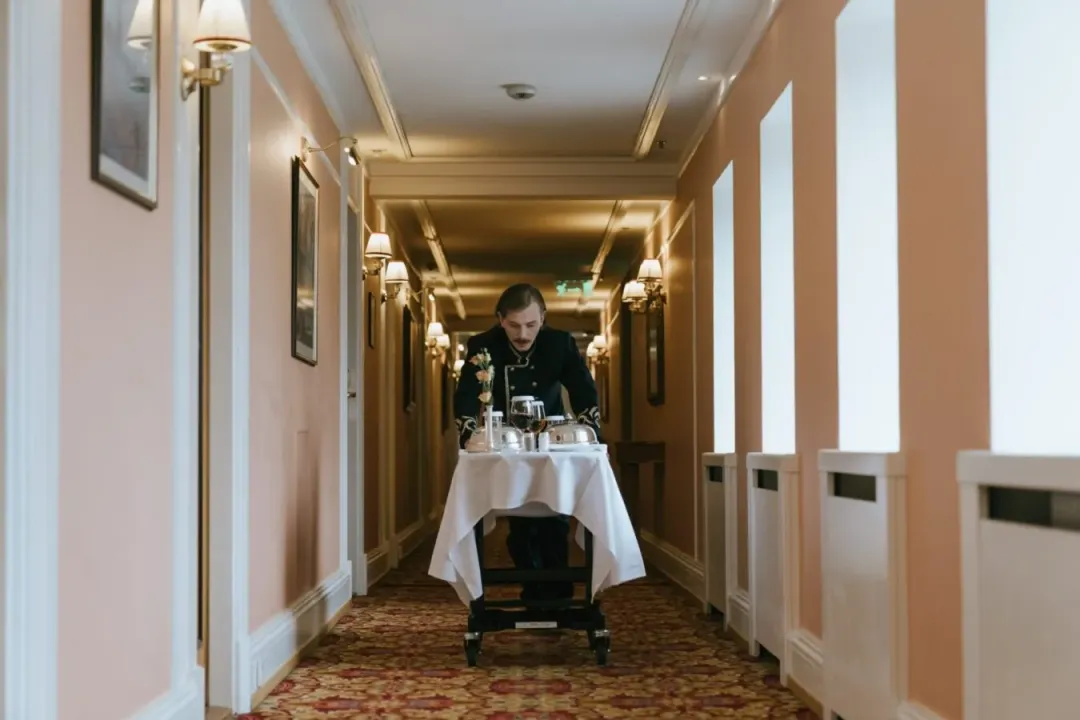
The core of the hospitality industry is intrinsically tied to the customer experience (CX), meaning nearly every role within a hotel, restaurant, or travel service directly influences how a guest feels about their interaction and their overall stay. [4] While people often use the terms interchangeably, understanding the distinction between customer service and the broader concept of hospitality experience is vital for defining the responsibilities within these varied career paths. [1][5] Hospitality is about crafting an atmosphere and an emotional connection, whereas customer service refers more to the specific functional tasks executed to meet a need. [1]
# Service Divide

Customer service is typically defined by the actual provision of assistance—the transaction itself. [5] This includes performing tasks like processing a payment, booking a room, or resolving a complaint efficiently. [1] In contrast, hospitality, which represents the wider customer experience, focuses on the manner in which these services are delivered and the resulting impression left on the guest. [5][4] A hotel clerk providing a key card quickly is good service; the same clerk greeting a returning guest by name and remembering their preferred floor is exceptional hospitality. [4] The difference lies in shifting from a purely reactive state (service) to a proactive, empathetic engagement (experience). [1] Therefore, roles heavily involved in CX must adopt a mindset that goes beyond simply completing a checklist of duties. [9]
# Experience Focus

The customer experience maps out the entire guest lifecycle, encompassing every single point of contact a person has with the brand, starting long before they arrive and extending after they depart. [9] Because of this broad scope, true CX responsibility is diffused across the entire organization, not just siloed to a single department. [6] The aim in hospitality is to design experiences where needs are anticipated, making the guest feel genuinely cared for rather than merely processed. [4] For instance, a resort looking to perfect its CX might task its marketing team with ensuring website imagery matches reality (pre-arrival experience), while management audits the speed of baggage handling (arrival experience). [9] Excellence requires consistency at every touchpoint, meaning that the quality of the in-room dining preparation must align perfectly with the standard set by the valet service. [6]

# Frontline Staff

The most visible roles are naturally the most critical drivers of the immediate customer experience. The Front Desk Agent or Concierge often sets the initial tone. [7] Their ability to convey warmth and professionalism immediately upon a guest’s arrival sets an expectation for the entire duration of their stay. [4] When these staff members possess expert local knowledge, they transition from simple information providers to experience enhancers, capable of suggesting unique local dining or activity options that the guest could not easily find on their own. [7] Similarly, personnel in Food and Beverage roles, such as servers and bartenders, are tasked with creating memorable culinary moments. [9] This involves careful observation—noticing an empty glass before being asked or adjusting the ambiance based on subtle guest cues. [3] These interactions demand high levels of emotional intelligence, allowing staff to read social situations accurately. [7]
If we look at the spectrum of roles, we can sometimes see a natural progression from service delivery to experience curation. For instance, in many establishments, a highly skilled Front Desk Agent might transition into a Guest Relations Manager role, where their primary function is less about transactions and more about quality assurance and handling complex, high-stakes guest recovery situations. [6]
When considering a specific location, say a boutique hotel in a major cultural hub, the expectations for CX roles are magnified. The concierge is not just expected to book a taxi; they are expected to secure last-minute tickets to a sold-out local theatre performance based on existing relationships, a feat requiring specialized, non-procedural expertise. [7]
# Supporting Functions
Experience is not solely manufactured by those wearing name tags visible from a distance. Roles behind the scenes are essential for delivering the physical comfort and logistical certainty guests expect. [6] Housekeeping Staff, though often unseen during daytime operations, are responsible for the core tangible experience: cleanliness, organization, and amenity stocking. [6] A failure in this area—a dirty bathroom or a missing towel—immediately cancels out any warmth displayed by the front office staff. [6] Similarly, Reservations and Yield Management teams, focused on administrative tasks like scheduling and pricing, directly impact the customer experience by preventing booking errors or managing expectations around room availability and cost. [9] A reservation mix-up leads to immediate, severe dissatisfaction, regardless of how cheerful the check-in agent is afterward. [9]
Furthermore, in the modern era, the technology backbone is an invisible but critical CX component. IT and Digital Support staff who maintain functional mobile apps, reliable in-room entertainment systems, and fast Wi-Fi are supporting the overall experience by eliminating points of friction. [4] Guest frustration with malfunctioning technology is a frequent cause of negative feedback, making the IT team an indirect guardian of the guest experience. [4]

# Service Success Transition
The focus on consistent experience often guides career trajectory within the industry. [8] Professionals who master customer service—the ability to resolve immediate problems—often progress by adopting a customer success mindset. [8] This advancement involves transforming reactive fixes into proactive system improvements. Instead of merely apologizing for a late breakfast delivery (service recovery), the successful role involves analyzing service timing data to adjust kitchen dispatch procedures to prevent future delays (success planning). [8] This organizational maturity requires management roles to look at aggregated feedback across departments to identify systemic rather than isolated failures. [8]
# Exemplary Actions
Defining CX roles is best illustrated through examples of service that moves into true hospitality. [3] These instances involve actions taken that were not strictly required by the job description but were intuitively correct for the situation. [3] A common, high-quality example involves staff noticing a family struggling with young children and proactively offering complimentary access to a quieter lounge area or providing an unexpected child-friendly amenity. [3] Another powerful example is a manager noticing a guest looking confused while studying a map and approaching them not to ask if they need help, but to offer specific, vetted directions or suggestions. [3] These are the moments that transition a transactional stay into a loyal relationship, turning satisfied customers into brand advocates. [1] They are direct evidence that the role is about creating positive memories, not just processing transactions. [4]
The effectiveness of these experiential roles is often correlated with the quality of the internal environment. When the company prioritizes the internal customer experience—ensuring staff have the proper tools, respect, and clarity in their roles—the external experience inevitably improves. [8] A maintenance technician who feels supported by management will respond to an urgent room repair request with far greater dedication than one who feels undervalued, directly benefiting the external guest waiting for that repair. [6] This internal alignment is a hidden but powerful determinant of consistent, high-quality customer experience delivery.
Related Questions
#Citations
Hospitality vs customer service: what is the difference? - Les Roches
10 Hospitality Customer Service Examples | Intellectsoft Blog
Excellent Customer Service Examples That Define Hospitality
Hospitality customer service as a career - Glion
Let's compare: hospitality vs customer service - Mews
What Is the Role of Customer Service in Hotel Management?
10 Hospitality Careers You Can Pursue (Plus Benefits) | Indeed.com
From Hospitality to Customer Success: A Data-Driven Guide
Understand the Role of Customer Service in the Hospitality Industry