Should I Take a Pay Cut for Career Growth?
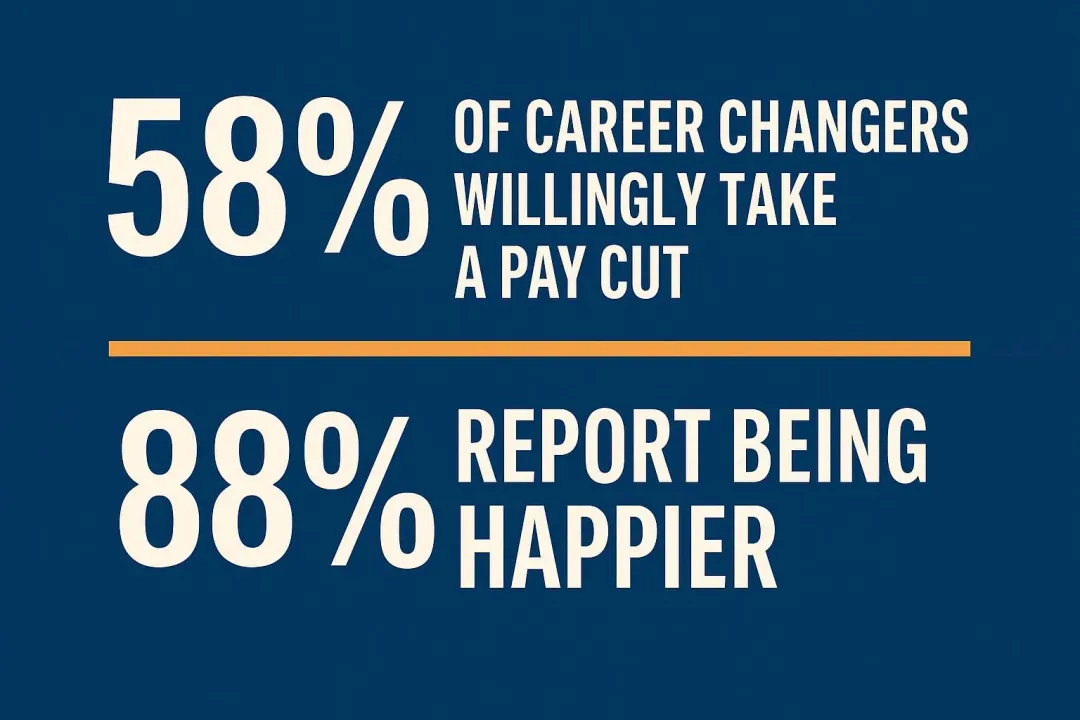
Considering accepting a lower salary to jump into a new professional role or field is one of the more difficult calculations a person can make in their career. It forces a direct confrontation between immediate financial needs and long-term professional ambition. While conventional wisdom suggests moving toward higher compensation, there are specific, strategic scenarios where taking a temporary reduction in pay is not just acceptable, but essential for unlocking the next level of growth. [2][4]
The initial hesitation is natural; in many cases, a pay cut signals that the new role is less senior or less valued than the previous one, which is usually a signal to walk away. [3] However, when you are actively pivoting careers, such as moving from marketing into software development, or shifting from a specialized individual contributor role into a broader management track, the market often demands a re-entry at a lower perceived seniority level, even if you bring significant experience from another domain. [4] The key distinction lies in whether the pay cut is a penalty for poor positioning or an investment in future trajectory. [2]
# Growth Context

When evaluating a potential salary reduction, understanding why the cut is being proposed is paramount. If you are moving industries, for example, an employer might see you as having seniority in concept but lacking the specific industry language or certifications needed for the target salary immediately. [4] This is often viewed as paying tuition for new expertise. In this context, the lower salary reflects the market value of your current skill set in the new domain, not your past success. [4]
Conversely, if you are looking to stay within the same general industry or function, a pay cut is much harder to justify unless it comes with extraordinary non-monetary benefits. [3] A lateral move that requires accepting less money rarely provides meaningful career growth unless the company culture, work-life balance, or direct access to high-level mentorship is significantly superior. [1][6] For roles where you are clearly qualified based on prior accomplishments, asking for a significant reduction might suggest the new company is operating on an artificially low budget for that position, which is a separate risk altogether. [1]
# Future Value
The decision hinges less on the immediate dollar amount lost and more on the speed and certainty of recovery. You must project how long it will take for the new role to not just match, but surpass your previous earning potential. [2]
Think of this as establishing a Recoupment Timeline. Suppose you are currently earning 80,000 for a role you believe will lead to 20,000 annual loss, totaling 130,000 salary is indeed reachable, that initial 30,000 annual raise thereafter. However, if the path to 110,000, the investment is unsound. [1][2] Always compare the potential long-term peak salary against your previous peak salary trajectory.
It is also vital to look beyond the base salary number. A slightly lower base salary might be offset by superior benefits, a guaranteed annual bonus structure, or stock options that vest rapidly. [6] If the company offers exceptional continuing education or certifications that are highly valued industry-wide, this non-salary investment by the employer should be factored into the overall return on investment. [5]

# Negotiation Tactics
Even when accepting the premise of a pay cut for growth, negotiation is still essential. The goal is to reduce the gap between your previous earnings and the new offer as much as possible. [2] Do not simply accept the first number given. Explain your market value based on your previous success while acknowledging the learning curve in the new area.
One strategy is to negotiate based on milestones rather than just the initial offer. Since you are accepting the base pay for the learning period, you can propose that your compensation be tied to demonstrated success in the new area. [2] For instance, you might state, "I accept the offered starting salary of 95,000 upon successful completion of Project X and the required industry certification." This locks the employer into accountability regarding your growth and bridges the immediate financial gap through performance milestones, rather than simply hoping for a standard annual review. [2]
Other negotiable elements to push for when the base salary is fixed include:
- A one-time signing bonus to offset the immediate annual shortfall.
- Increased vacation time or flexible work arrangements, adding to quality of life.
- A dedicated budget or time allocation for professional development or conferences.
# Red Flags
While there are compelling reasons to take a pay cut, certain situations signal that the reduction is merely a symptom of a poor organizational fit or an unsustainable role. Be wary if:
- The Cut is Too Steep Without a Clear Ladder: If you are asked to take a 30% or 40% cut, the career growth opportunity must be virtually guaranteed and immediate—think joining a startup at the ground floor where equity plays a massive role, or moving into an elite apprenticeship program that feeds directly into senior roles. [1] A massive cut for an ambiguous mid-level position is a major risk.
- Internal Comparables Don't Match: Ask about the salary band for people who have been in the role for two or three years. If their compensation only slightly exceeds your new, lower offer, it suggests the entire department is underpaid relative to the industry standard, meaning your growth ceiling is artificially low. [6]
- Lack of Mentorship or Training Structure: If the company is saving money by hiring you at a lower rate but has no formal structure to train you up, they are banking on your self-motivation to bridge the gap without providing the necessary resources. This often results in stagnation. [3]

# Final Consideration
The choice to accept a pay cut for career advancement ultimately comes down to a personal risk assessment, balanced against your current financial security. Before signing anything, map out your absolute minimum required take-home pay to cover essential living expenses and debt obligations. If the proposed salary dips below that threshold, the career growth opportunity—no matter how shiny—is financially irresponsible. [1] Career progression is valuable, but it cannot be built on insolvency. If the new salary meets your needs, then you can dedicate mental energy to optimizing for wants, making the investment in growth a much safer proposition. [6]
#Videos
Should I Take a Pay Cut? 13 Reasons It Actually Makes Sense
Related Questions
#Citations
Is taking a pay cut for future career growth worth it? - Reddit
What Is a Pay Cut and When Should You Take One? - Indeed
Why it's a bad idea to take a pay cut when getting a new job
58% of Career Changers Willingly Take a Pay Cut But 88% Report ...
Should I take a pay cut for a new job? | Shelley Piedmont posted on ...
Should I Take a Pay Cut? 13 Reasons It Actually Makes Sense
When Is a Pay Cut Worth It? - Idealist
When You Should and Shouldn't Accept a Pay Cut: A Guide for Tech ...
Is A Pay Cut Worth It? What Every Job Seeker Needs To Know